
Best Time to Visit Singapore: Weather & Seasonal Guide

Wondering about the best time to visit Singapore? Singapore is a year-round destination, known for its tropical weather, exciting attractions, vibrant food scene and diverse cultural experiences. While the city stays warm and humid throughout the year, rainfall, crowds and travel costs can vary by season.
February to April is a popular period for sightseeing, while June to August is ideal for enjoying events, shopping and outdoor attractions. The wetter months from November to January can still be a great time to visit, especially if you want to experience Singapore’s festive atmosphere and find better-value stays.
From weather and crowds to costs and things to do, this guide covers the best time to visit Singapore month by month to help you plan a comfortable and memorable holiday.
Key Takeaways
- February to April is ideal for sightseeing, with pleasant weather and manageable crowds.
- May to August offers good weather but higher crowds and costs.
- October to November can offer fewer crowds and better-value stays.
- December to January is wetter but festive and lively.
- Singapore stays warm and humid year-round, with temperatures around 24°C–33°C.
Best Time to Visit Singapore: Season-Wise
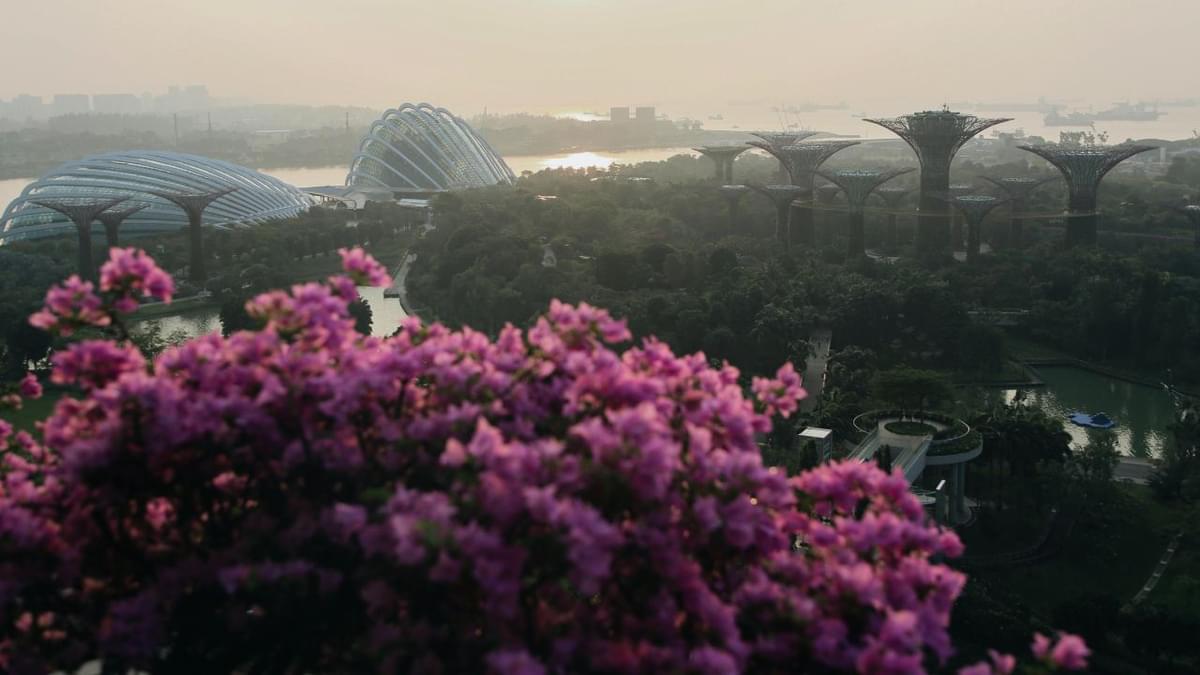
Singapore has a hot, humid and tropical climate throughout the year, with temperatures generally ranging between 25°C and 32°C. Rainfall can occur in any month, often as short but heavy showers, while humidity remains high.
There are no traditional summer or winter seasons in Singapore. Instead, the weather is broadly influenced by the Northeast Monsoon (December to March) and Southwest Monsoon (June to September), with shorter inter-monsoon periods in between.
Season | Months | Temperature | Humidity | Weather |
| Northeast Monsoon | December–March | 25°C–32°C | 80%–85% | Warm, humid and wetter, with frequent showers |
| Inter-Monsoon | April–May | 26°C–33°C | 80%–85% | Hot and humid with occasional thunderstorms |
| Southwest Monsoon | June–September | 26°C–32°C | 75%–85% | Warm and humid with short showers |
| Inter-Monsoon | October–November | 25°C–32°C | 80%–85% | Warm, humid and wetter with thunderstorms |
Northeast Monsoon: December to March
The Northeast Monsoon brings warm and humid weather, with December and January generally seeing more frequent rainfall. Temperatures usually remain around 25°C–31°C. Despite the rain, this period can be popular because of Christmas, New Year and Chinese New Year celebrations. Crowds and prices can increase around major festive dates, while February and March can offer a more comfortable balance for sightseeing.
Inter-Monsoon Period: April to May
April and May are typically hot and humid, with temperatures reaching around 32°C and occasional afternoon thunderstorms. Crowds are generally moderate, making this a good shoulder-season period for travellers who want to explore Singapore without peak-season demand. Accommodation and flight prices can also be more manageable outside holiday periods. This season works well for sightseeing, shopping, food tours and family attractions.
Southwest Monsoon: June to September
The Southwest Monsoon is generally warm and humid, with temperatures around 26°C–32°C and occasional showers. June to August can see higher visitor numbers due to school holidays, events and shopping periods. Costs may increase during busy dates, but travellers can enjoy a lively atmosphere, shopping, Sentosa, nightlife and major events. August is particularly interesting for travellers who want to experience Singapore National Day celebrations.
Inter-Monsoon Period: October to November
October and November remain warm and humid, with more frequent thunderstorms and showers. Crowds are generally low to moderate, and November can offer potentially better-value accommodation outside peak travel periods. This period is ideal for travellers who prefer a slower holiday and do not mind adjusting plans around rain. Museums, malls, cafés, hawker centres and other indoor attractions are particularly convenient during this time.
Cheapest Time to Visit Singapore
The cheapest time to visit Singapore is generally during the less busy travel periods, particularly April to May and October to November. These shoulder-season months can offer better-value flights and accommodation compared with major holiday periods. November can be especially attractive for budget travellers, although it brings more frequent rain.
For Indian travellers, flight prices can also vary significantly depending on the departure city, booking period and travel dates. Travelling on weekdays, avoiding school holidays and booking flights and hotels in advance can help reduce the overall Singapore trip cost.
If budget is the priority, October–November is a good period to consider, while April–May offers a stronger balance between relatively manageable costs and outdoor sightseeing conditions.
Best Months To Visit Singapore

The best months to visit Singapore depend on your priorities, including weather, crowds, budget and the experiences you want to enjoy.
Singapore in January
January is relatively cooler by Singapore standards, with temperatures of around 25°C–31°C. Rain showers can be frequent, but they are often short and can be worked around with a flexible itinerary. Crowds are generally low to moderate after the New Year period, making it a comfortable time for sightseeing. Travel costs are usually moderate, although prices can remain higher around New Year.
Travellers can explore Gardens by the Bay, Marina Bay, Chinatown, Sentosa and Singapore's indoor attractions. Singapore in January is a good choice for travellers who want a quieter holiday and do not mind occasional rain.
Singapore in February
February is one of the more favourable months for visiting Singapore, with relatively lower rainfall and temperatures of around 25°C–32°C. Crowds can be moderate to high around Chinese New Year, when the city becomes especially lively, and accommodation prices may increase. Outside the festive period, travel costs are generally more manageable.
Singapore in February is a great month for exploring Chinatown, Sentosa, Gardens by the Bay and Singapore's cultural neighbourhoods. Travellers interested in festivals and local celebrations can also experience the colourful atmosphere of Chinese New Year.
Singapore in March
March in Singapore brings warm and humid weather, with temperatures generally ranging from 26°C to 32°C. Rain showers are possible, but they do not usually prevent travellers from exploring the city. Crowds are generally moderate, while flights and accommodation can be more reasonably priced than during major festive periods.
It is a good month for families and first-time visitors who want to explore attractions such as Singapore Zoo, Gardens by the Bay, Sentosa and Marina Bay. Early-morning sightseeing is recommended for outdoor activities, as afternoons can feel hot.
Singapore in April
Singapore in April is a good shoulder-season option, with warm temperatures of around 26°C–32°C and occasional thunderstorms. Visitor numbers are generally moderate, and travel costs can be more manageable compared with peak holiday periods.
The combination of reasonable crowds and plenty of things to do makes April suitable for travellers who want to balance sightseeing, comfort and budget. Spend your days exploring Sentosa, Universal Studios Singapore, Marina Bay and Singapore's food scene, while keeping some indoor attractions as backup options during afternoon showers.
Singapore in May
Singapore in May is hot and humid, with temperatures reaching around 32°C and occasional thunderstorms. Crowds are generally moderate, although demand can increase around school holiday periods. Hotel and flight prices vary depending on demand, but travelling outside peak dates can offer better value.
May works particularly well for shoppers, food lovers and travellers who enjoy indoor attractions. You can explore Singapore's malls, museums, hawker centres and aquariums during the hottest part of the day before heading outdoors in the evening.
Singapore in June
June in Singapore remains warm and humid, with occasional rainfall. Crowds can be moderate to high, particularly during school holidays, and accommodation prices may rise during busy periods. Despite this, June is a lively month for a Singapore holiday, with plenty of family-friendly attractions, shopping opportunities and events.
Sentosa, Universal Studios Singapore and Singapore's evening attractions are popular choices. Families travelling during the holiday season should book hotels and major attractions in advance to avoid higher prices and limited availability.
Singapore in July
Singapore in July is hot and humid, with temperatures of around 26°C–31°C and occasional showers. It can be a busy month, particularly because of school holidays and strong tourism demand, so hotel and flight prices may be moderate to high.
Travellers can enjoy shopping, food tours, Sentosa, nightlife and Singapore's many indoor attractions. If you are visiting during this period, booking accommodation and popular attractions early can help manage costs and avoid long queues.
Singapore in August
August in Singapore is warm and humid, with temperatures generally between 26°C and 31°C. Crowds are often high around Singapore National Day on 9 August, when the city comes alive with celebrations, performances and fireworks. Travel costs can also increase around the event period.
This is an excellent month for travellers who want to experience Singapore's festive atmosphere while exploring Marina Bay, shopping districts and Sentosa. Book early if National Day celebrations are a key part of your trip.
Singapore in September
Singapore in September remains warm, with temperatures of around 25°C–31°C, although occasional thunderstorms can occur. Crowds are generally moderate, but major events can increase visitor numbers and hotel prices.
September is a good choice for couples, food lovers and travellers interested in Singapore's events, nightlife and cultural experiences. Keep your itinerary flexible and check the event calendar before booking, particularly if you are planning to travel during a major event period.
Singapore in October
Singapore in October is warm and humid, with temperatures ranging from around 25°C to 32°C. Rainfall becomes more frequent, but showers do not necessarily last throughout the day. Crowds are generally moderate, making it a good alternative to the busier holiday periods.
Travel costs can also be relatively manageable outside major events. October is ideal for travellers interested in cultural neighbourhoods, shopping, food experiences and indoor attractions. Carry an umbrella and plan outdoor sightseeing around the weather.
Singapore in November
November is one of the rainy months in Singapore, with frequent showers and thunderstorms. Temperatures generally stay between 25°C and 31°C. However, the frequent rain in Singapore in November can mean fewer crowds and potentially better-value accommodation compared with the busier peak months.
This makes November suitable for budget-conscious travellers who are comfortable with rain. Spend time exploring museums, shopping malls, cafés, hawker centres and other indoor attractions, while keeping outdoor activities flexible.
Singapore in December
Singapore in December combines wetter weather with a lively festive atmosphere. Temperatures usually range from 25°C to 31°C, while frequent showers can occur throughout the month. Crowds become high around Christmas and New Year, and flights and hotels can be more expensive during the festive peak
However, the city's Christmas lights, shopping displays, festive markets and year-end celebrations make December an exciting time to visit. It is particularly suited to families and couples who want a festive holiday and are comfortable with higher travel costs.
Booking Strategy & Tips
Peak Season
Hotel prices tend to rise during the dry season months of June, July, and August as compared to the wet season prices. Popular tourist sites apply high pricing rates and restaurant bookings are crucial in popular restaurants. Booking early is the key to taking advantage of the peak season prices.
Wet Season Opportunities
Singapore's wet season provides the best value deal to the budget-conscious traveller. Hotel rates fall by a huge percentage as compared to the peak season months, and the cost of flights from the major international cities is also low.
Festival Period Exceptions
During Chinese New Year and Christmas, there is a slight increase in prices even during the wet season. Still, prices are usually cheaper than during the peak dry season, and the cultural experience is worth the extra cost.
What to Pack for Singapore (Seasonal Guide)
Dry Season Essentials
- Bring light and breathable clothes made of natural materials like cotton or linen.
- The use of sunscreen with high SPF is necessary.
- A pair of comfortable walking shoes is an essential part of touring around the attractions.
- A light jacket or sweater is useful in dealing with the air-conditioned indoor areas, which are mostly the shopping malls and restaurants.
Wet Season Essentials
- An umbrella is the most significant piece of equipment to have during the wet season.
- Quick-dry apparel fabrics to keep up with sudden downpours.
Conclusion: Which Month Should You Choose?
There is no single best time to visit Singapore for every traveller. The right month depends on what matters most to you. For pleasant sightseeing and outdoor activities, February to April offers a good balance of weather and manageable crowds. If you are looking for better-value stays and fewer crowds, April to May or October to November can be worth considering, although rain is more likely. For festivals, shopping and a lively atmosphere, June to August and December are better choices. Whichever month you choose, plan around Singapore's tropical weather, carry light clothing and keep some indoor experiences in your itinerary for rainy days.
FAQS
1. What is the best time to visit Singapore?
A: The best time to visit Singapore is generally February to April, when the weather is relatively comfortable, rainfall is lower and crowds are manageable. For better-value stays, October to November can also be considered, although rainfall is more frequent.
2. Which month is best for visiting Singapore?
A: February and March are among the best months to visit Singapore for sightseeing. Temperatures generally range from 25°C to 32°C, rainfall is relatively lower and crowds are moderate. These months are suitable for exploring outdoor attractions, cultural neighbourhoods and Sentosa.
3. What is the cheapest month to visit Singapore?
A: November can be one of the more affordable months to visit Singapore, as it falls outside major peak travel periods and may offer better-value accommodation. However, frequent rain and thunderstorms are common, so flexible plans are recommended.
4. What is the best time to visit Singapore for good weather?
A: February to April is a good period for weather and sightseeing, with warm temperatures, relatively lower rainfall and manageable crowds. Singapore remains humid throughout the year, so light clothing and hydration are recommended.
5. What is the best season to visit Singapore?
A: February to August is generally considered the better period for outdoor sightseeing, with relatively less rainfall and more sunshine. However, June to August can be busier and more expensive due to higher visitor demand.
6. Is Singapore worth visiting during the monsoon season?
A: Yes, Singapore is worth visiting during the monsoon season, especially for travellers looking for better-value stays and fewer crowds. Rain can be frequent, but showers may be short, and Singapore has plenty of indoor attractions such as museums, malls, cafés and hawker centres.
7. Which months are rainy in Singapore?
A: September to January is generally the wetter period in Singapore, with more frequent showers and thunderstorms. December and January can experience particularly frequent rainfall, while November is also a rainy month.
8. What is the hottest month in Singapore?
A: Singapore remains hot and humid throughout the year, with temperatures generally reaching around 31°C–33°C. April and May can feel particularly hot and humid, with occasional afternoon thunderstorms.
9. What is the coldest month in Singapore?
A: January is generally one of the cooler months in Singapore, although temperatures remain warm by global standards. Temperatures typically range from around 25°C to 31°C, with frequent rain showers.
10. What is the best time to visit Singapore for a budget trip?
A: April to May and October to November are good periods for a budget trip to Singapore. These shoulder-season months can offer better-value flights and accommodation compared with major holiday periods. November can be particularly attractive for budget travellers who do not mind rain.
11. What is the best time to visit Singapore for outdoor activities?
A: February to April is a good time for outdoor activities in Singapore because rainfall is relatively lower and temperatures remain suitable for sightseeing. This period is ideal for exploring Gardens by the Bay, Sentosa, Marina Bay and Singapore's neighbourhoods.
12. Is January a good time to visit Singapore?
A: Yes, January can be a good time to visit Singapore if you do not mind occasional rain. Temperatures are around 25°C–31°C, crowds are generally low to moderate after New Year and attractions such as Sentosa, Marina Bay and Gardens by the Bay can still be enjoyed with a flexible itinerary.
13. Is December a good time to visit Singapore?
A: December is a good time to visit Singapore for festive experiences, but it is not ideal for travellers prioritising low costs or dry weather. Temperatures generally range from 25°C to 31°C, while rainfall is frequent. Christmas and New Year celebrations also bring higher crowds and travel costs.