
What to Eat in Singapore: 15 Must-Try Local Foods & Hawker Favourites
When in Singapore, eat as a Singaporean does. Yes. This phrase, we just made up. Guilty as charged. But who wouldn’t want to eat as a Singaporean does? So deeply is food immersed in Singaporean culture that they often greet each other with – Ni chi le ma? This translates to ” Have you eaten yet?” In a place that holds food at such a pedestal, it would be a shame to miss out on trying anything food in Singapore. The awesomsauce people that we are, we have catalogued breakfast-lunch-dinner food experiences you MUST have! Added to that are deserts you must seek out on your gastronomical voyage here. Go on – find out what awaits you in Singapore with our Singapore packages!
BREAKFAST –
Wanton / Beef Brisket Noodles
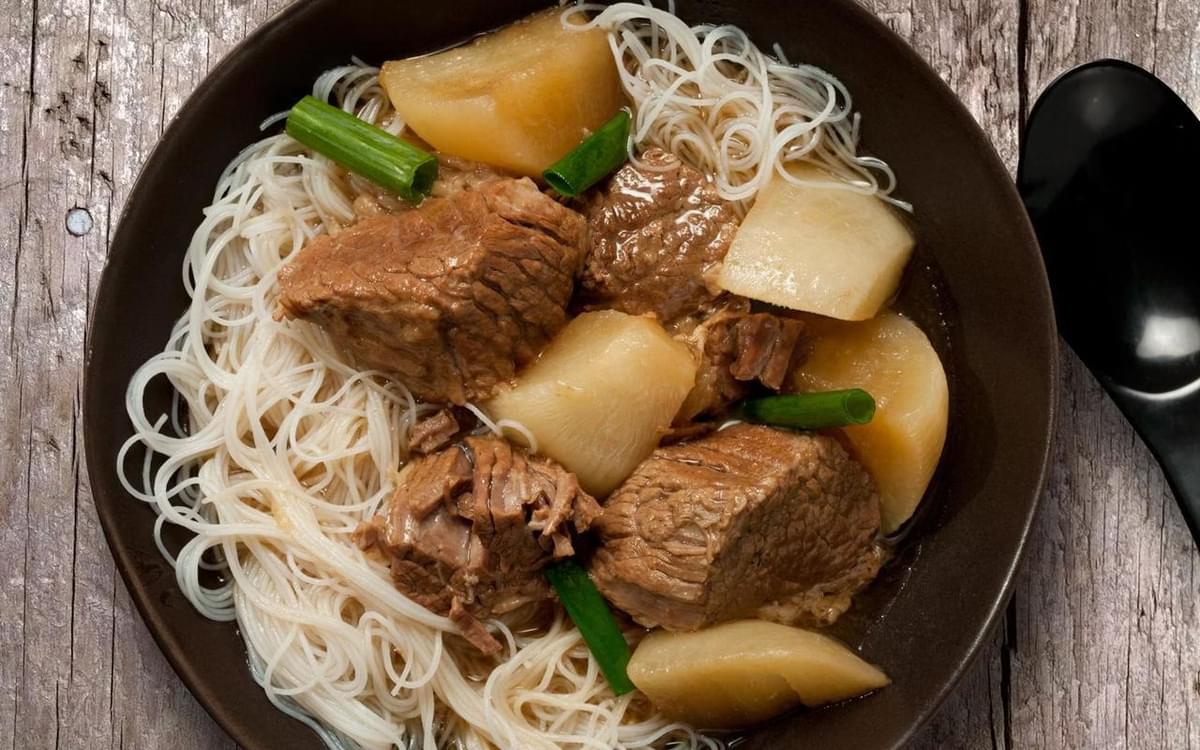
Maybe begin with a hearty breakfast. The wonton noodles is a combination of barbecued pork – also called char siew, noodles dressed with a plain-coloured chilli sauce and lard. It is topped with freshly cooked wantons filled with prawns and minced meat. The beef brisket noodles, on the other hand, consists of beef and tendon – tender on the brink of melting – in a thick, anise flavoured gravy.
Where: Cyrstal Jade Kitchens, Bencoolen Street, Singapore
Kaya toast, soft-boiled eggs & kopi
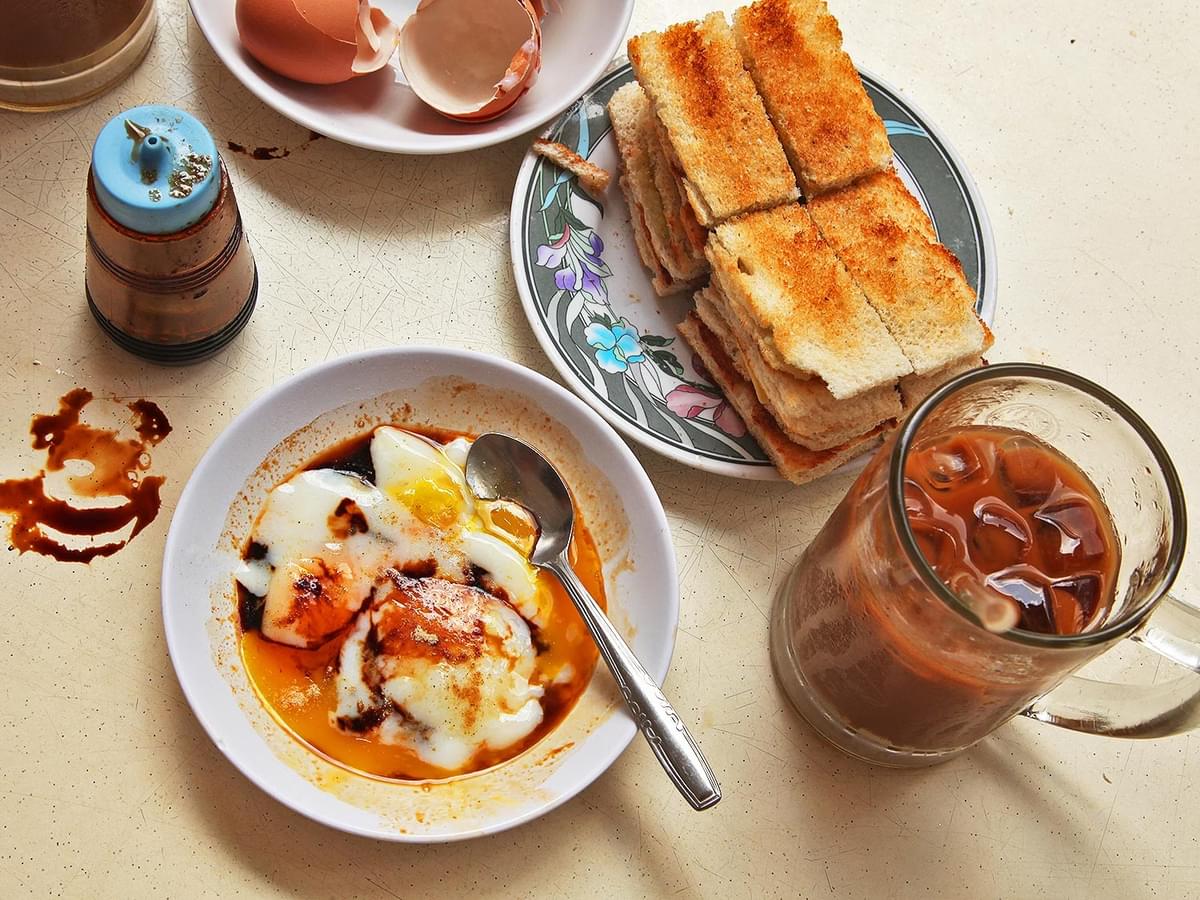
If you want to go Singaporean-all-the-way even in your breakfast, we strongly recommend you oft for the Kaya toast combination. A kopi – or coffee, a kaya toast accompanied by soft-boiled eggs makes up the Kaya toast combination. Be prepared for a rough, custard-like texture when you dig into the Kaya toast, and then an explosion of flavours as your dig into the soft-boiled eggs while taking a sip of the kopi. The egg is poached such that the egg white comes out all velvety, and egg yolk is creamy and runny.
Where: Killiney Kopitiam, 80 Airport Blvd, Singapore and Ya Kun Kaya Toast, Orchard Central, Singapore serve this up. Tong Ah Eating House roast their own coffee beans and make their own kaya.
Foodgasm, much? We have just the FIX for you!
Nasi Lemak
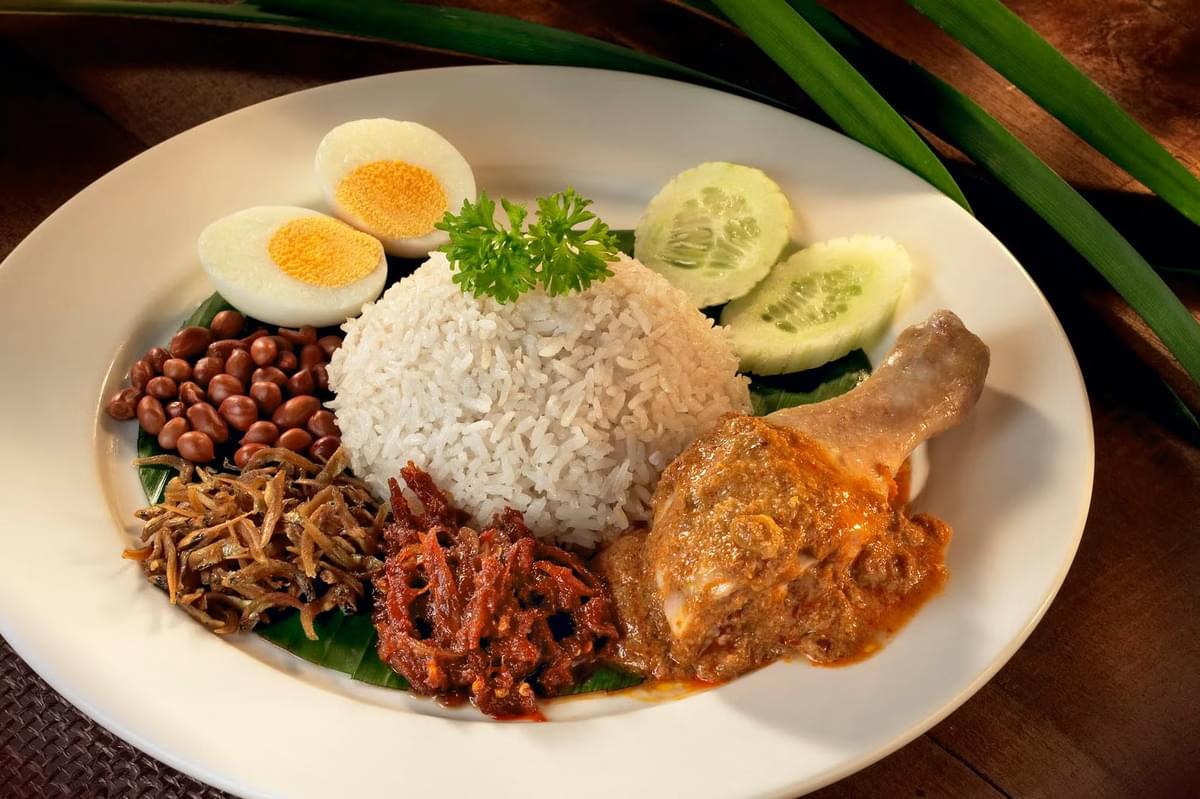
If hearty and carbs are somehow synonymous to you – this is your go-to breakfast. (The urge to say brekkie here is intolerable). Nasi Lemak is carbs. Is hearty. It’s everything you need in for breakfast. AND, it is Singaporean. Tryna live it up like Singaporeans, aren’t we?
So. Anyway. Nasi Lemak is a fluffy rice – thanks to being coconut-milk immersed while being cooked. With a persistent hint of ginger and lemongrass, nasi lemak is, then, introduced to stir-fried sambal – a hot sauce made of chili peppers, fish sauce, shrimp paste, garlic, ginger and shallots.
Served with an omelette on the top and accompanied with either ikan kuning or fish cake, nasi lemak is the entire brekkie package. Carbs and Proteins – it has them both. You are now all set to get Singapore exploring, traveller!
Where: Power Nasi Lemak, Sinaran Drive, Singapore; Ponggol Nasi Lemak, Upper Serangoon road, Singapore; Bali Nasi Lemak Fastfood Shop, 15 Geylang, Singapore.
LUNCH –
Hokkien Mee
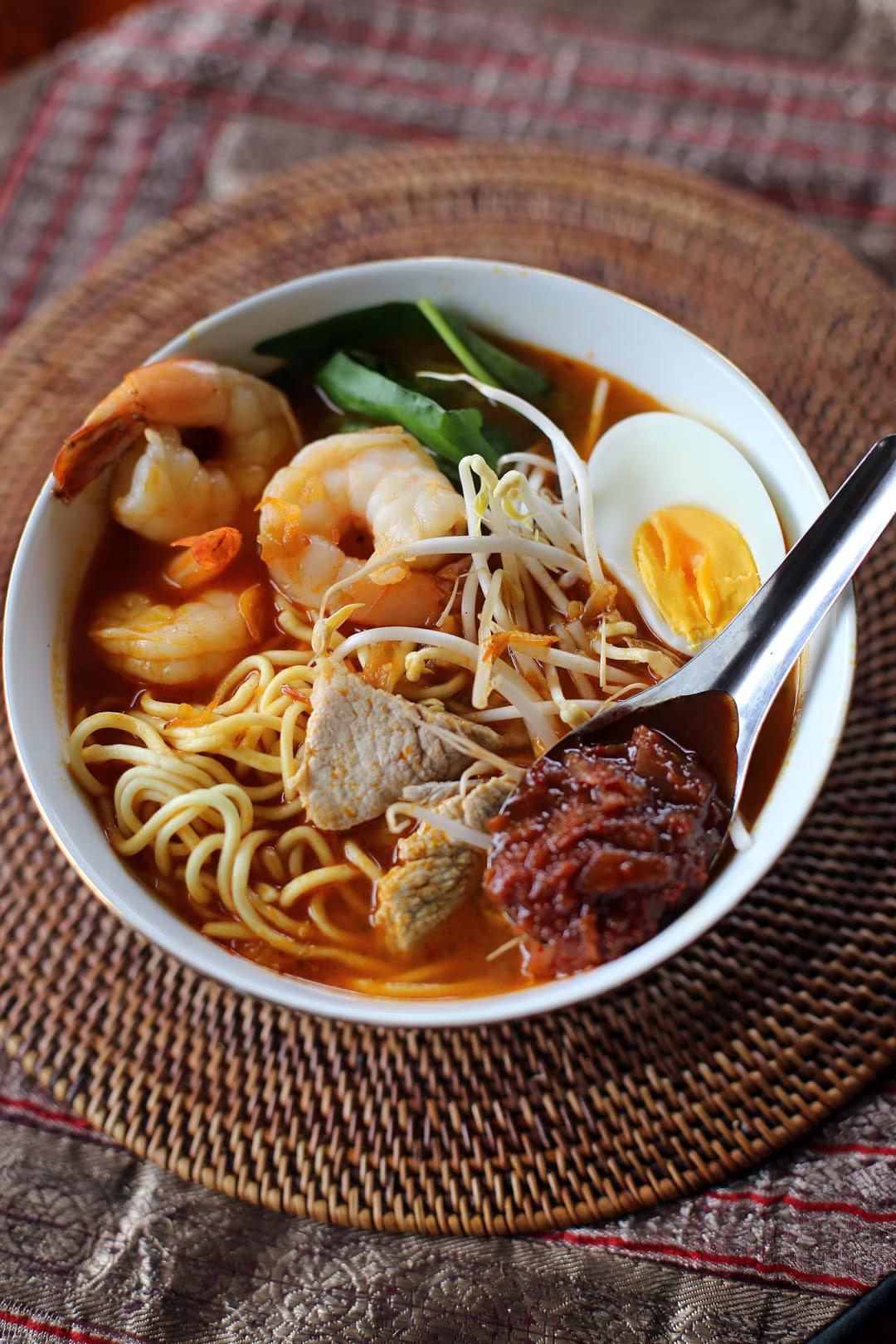
This dish consists of egg and rice noodles in simmering in a fragrant stock of fresh shrimp, dried prawns, squid, pork or chicken. It is then garnished with fish cake, leafy greens, pork ribs, squid, deep-fried shallots, spring onions and fresh lime. Today soy sauce, bean sprouts flavour the Hokkien Mee too.
The entire mixture is then fried till damp – the stock’s essence and the subtle seasoning of garnishings then compliment the al dente cooked noodles. While being served, the noodles are topped with sliced rice chili, and the trusty sambal – dig in for a layered taste experience.
This dish is reinterpreted differently in Malaysia – there it goes by the name Hokkien fried mee. Let a bit of water retain if you like the idea of slurping on the essence of the dish.
Be mindful of the sleep that will come fluttering by – this one will leave your stomach full, your taste buds satisfied and you content!
Where: Xie Kee Hokkien Mee, Upper Bukit Timah road, Singapore; Yang Zhou Hokkien Mee, Bukit Merah lane, Singapore and Kims Fried Hokkien Prawn Mee, Jalan Eunos, Singapore.
Laksa
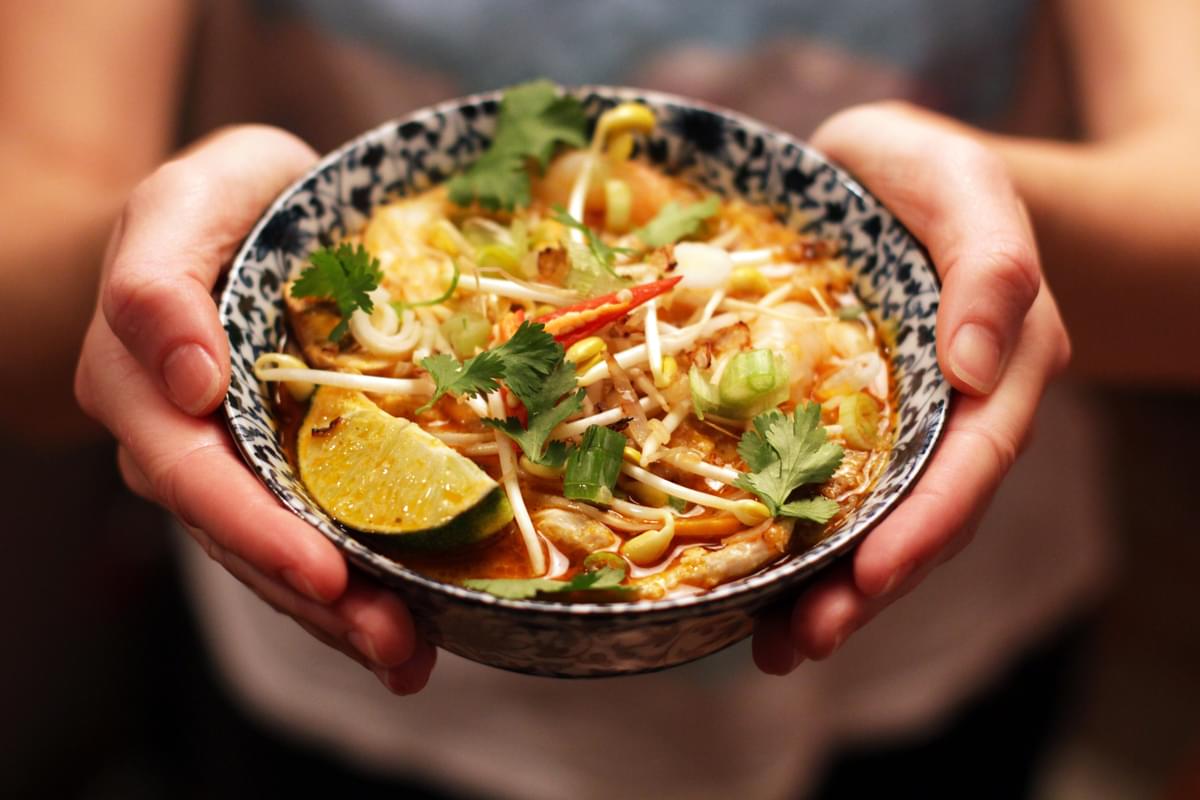
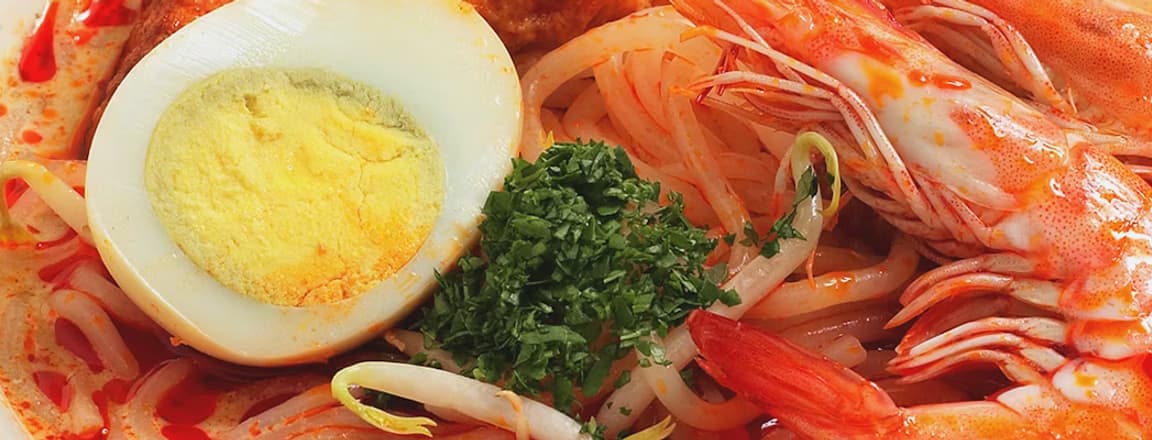
Laska is essentially a spicy noodle soup – its origins lie in the Peranakan culture. The Laska is either made of rice noodles or rice vermicelli with a healthy serving of chicken, prawn or fish – the base flavour here is spice. The word Laksa in Chinese literally translates to “spicy sand”.
The Laska has different interpretations you can try. Since the flavour originates from the soup – a little tweak and you will have a different type of laksa! The most well-known are curry laksa – a coconut milk curry soup with noodles, it is both rich and savoury. The asam laksa – based on tamarind – is sour and fresh.
The noodles incorporated are of different types too! From thick rice noodles to Johor laksa that employs spaghetti!
Where: 328 Katong Laksa, East Coast Road, Singapore; Jangutt Laksa, Queensway Shopping Centre, Singapore and 928 Yishun Laksa, Yishun Central, Singapore.
Yong tau foo
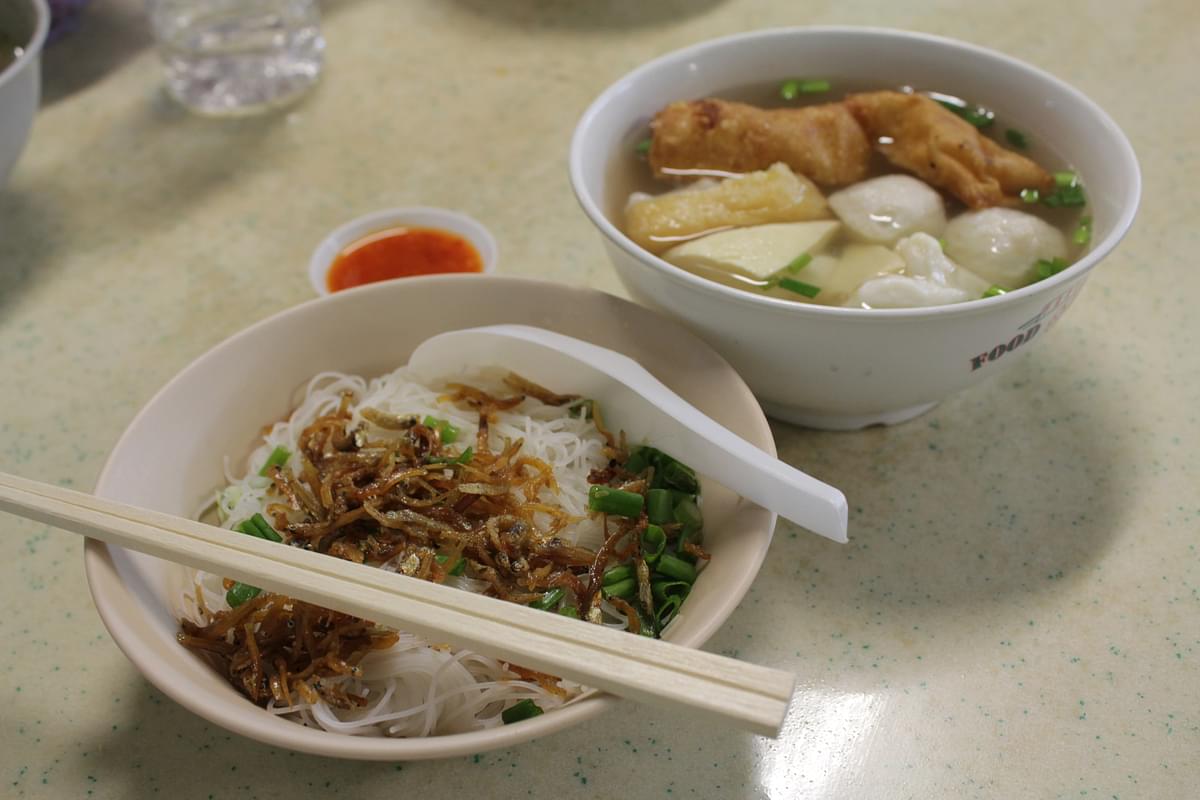
If tofu is love, then this dish is an absolute must-try. Filled with either a ground meat mixture or surimi (a white fish meat paste), a Yong tau foo can be served either dry or as a soup. The dish can also contain fish balls, crab sticks, bitter lemons, cuttlefish, lettuce, ladies fingers and chilis.
The stuffed tofu is then sliced into bite-sized pieces and cooked briefly in a steaming broth. It is then served in the broth as a soup. But for those who like their Yong tau foo dry, the broth’s gravy is extracted separately in a bowl while the stuffed tofu is heaped with minced meat and hebs and stir-fried until golden-brown.
It can be either eaten separately or as an accompaniment to steamed rice, noodles or rice vermicelli.
Where: Zhen Jie Hakka Yong Dou Fu, Amoy Street Food Centre, Singapore; Poy Kee Yong Tau Foo, People’s Park Complex Food Centre, Singapore.
DINNER –
Char kway teow
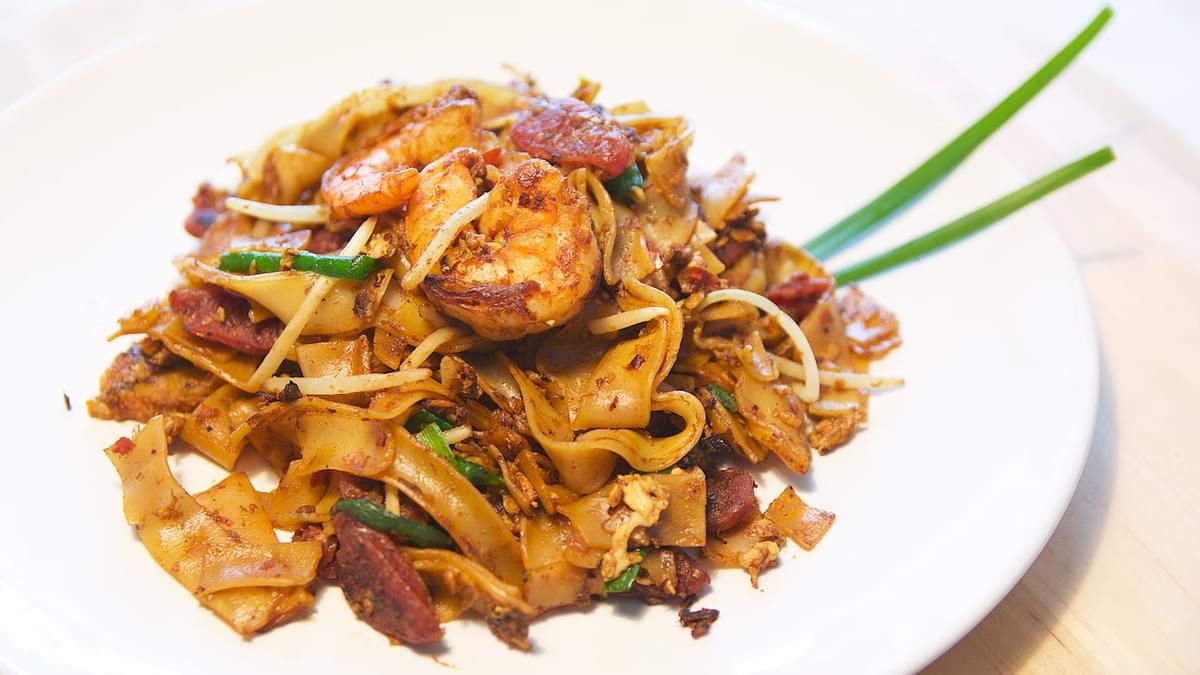
Flat rice noodles stir-fried over intense heat with light and dark soy sauce, chilli and a little bit of shrimp paste – appetizing, isn’t it? Added to this combination of sauces are prawns, bean sprouts, chopped chives, egg, slices of fishcake and sausage.
This stir-fried plate of heaven is also prone to a little interference from pork lard – somehow bringing together all ingredients into a heavenly mix of tastes. Don’t be perturbed when you are served this Char kway teow on a banana leaf – it is credited for enhancing the aroma on the noodles, making this tasty dish even more irresistible! This food in Singapore – you must try.
Where: Outram Fried Kway Teow, Upper Cross Street, Singapore; Katong Peter Fried Kway Teow, Tanjong Pagar Plaza, Singapore.
Ban mian
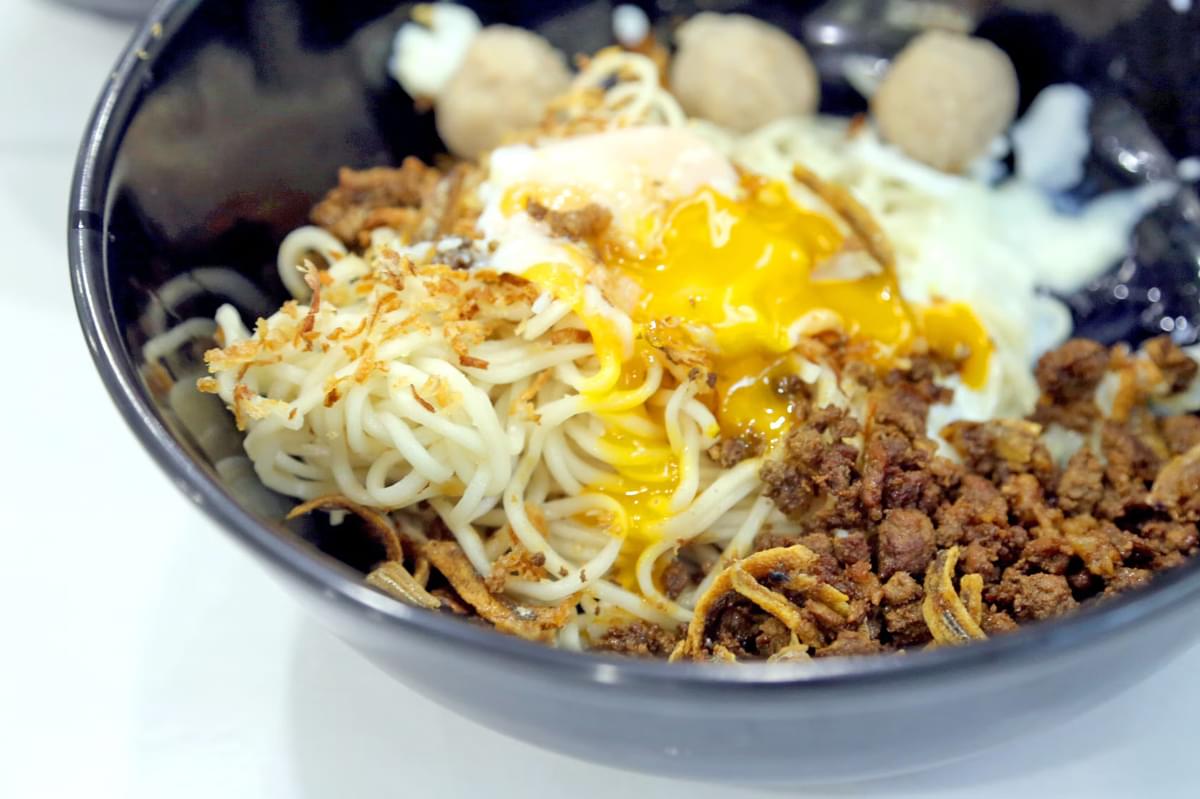
If you want to go healthy on dinner – Ban mian is the food in Singapore you must turn towards. Consisting of egg noodles immersed in a soup, its flavour is attributed to the meat or fish, vegeatbles and other herbs and seasonings it has. This meal – being based on a soup – is open to numerous interpretaions be it the ingredients, stocks or the noodle shapes.
Although based on water, fish stock and – sometimes – anchovy stock often make it to the soup’s base. Often, ingredients like onions, garlic, ginger, bean paste and mushrooms are added to make the stock more aromatic. With the stock ready, almost any vegetable or even minced pork may be added to complete ban mian – along with vinegar and sugar to make the taste versatile.
Once the ingredients settle against each other, an egg is cracked on top and allowed to cook until the whites set and yolk is warmed through.
Where: Eng Heng Coffee House, Bukit Batok Street, Singapore; J99 Kopitiam, Toa Payoh Central, Singapore
DESSERTS / DRINKS –
Chin chow
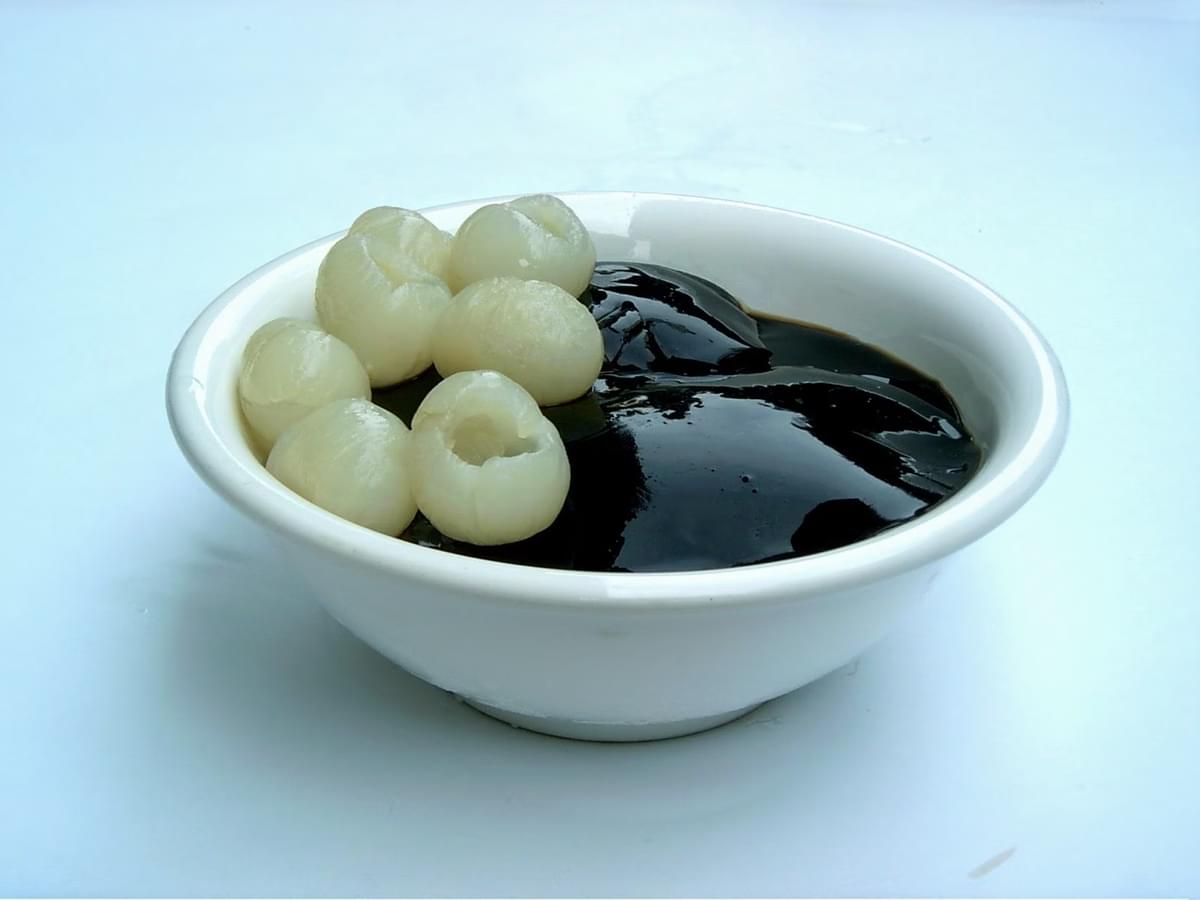
A sweet beverage, Chin chow is a drink made from grass jelly from the plant Mesona Chinensis. It is also taken in the form of jelly. Due to bitter hints originating from the plant, the grass jelly is immersed in syrup and then eaten. Its colour is of a brown-black hue.
Kuih / Kueh
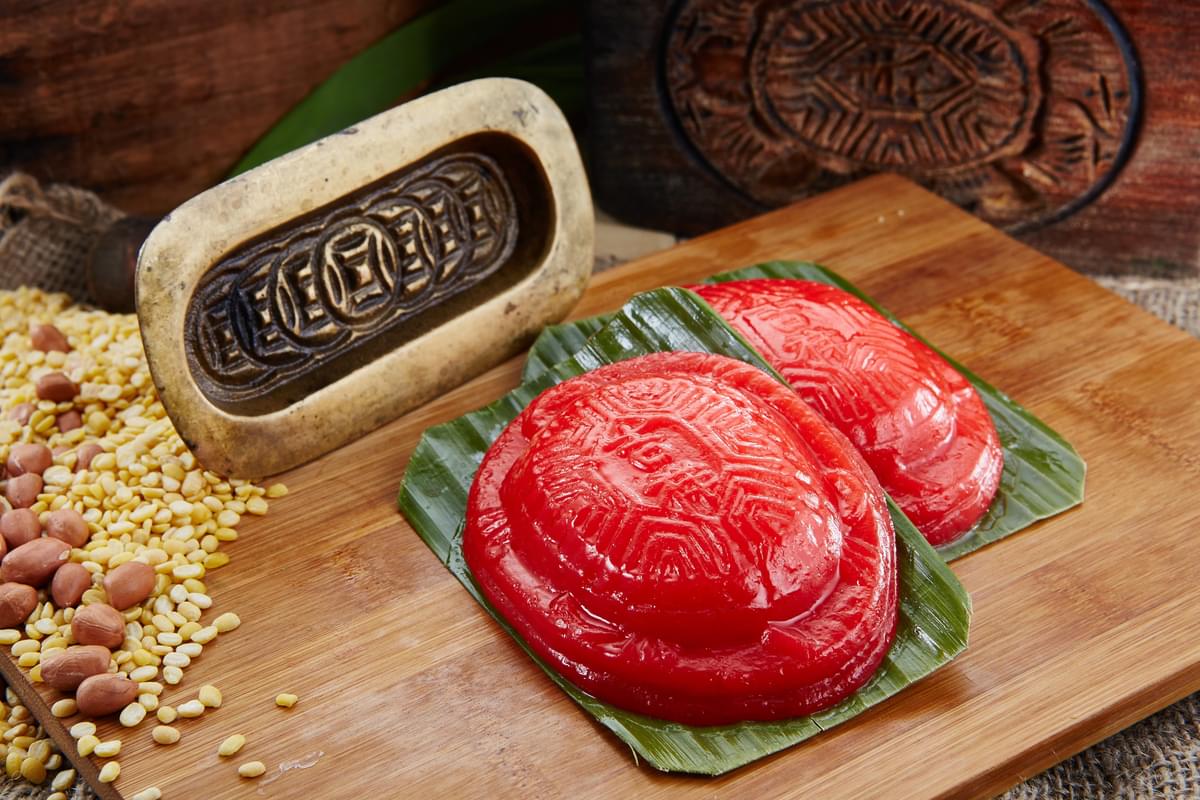
Kuih refers to a broad category of desserts – mostly coconut based – or cakes that often contains durian or banana. Flavoured by pandan leaves, it is usually made of rice or glutinous rice. As kueh refers to a broad range of desserts, here are a few of our favourite picks –
Ang koo kueh –
Also called red tortoise cake – because it is molded to resemble a tortoise shell, Ang koo kueh is a small oval-shaped pastry. With a sweet-filled centre, it is made of soft and sticky glutinous rice flour. Eating it is believed to promote longevity, good fortune and prosperity.
Where: Ji Xiang Confectionery, Everton Park, Singapore; Lim Lam Hong, Bukit Merah, Singapore.
Bahulu
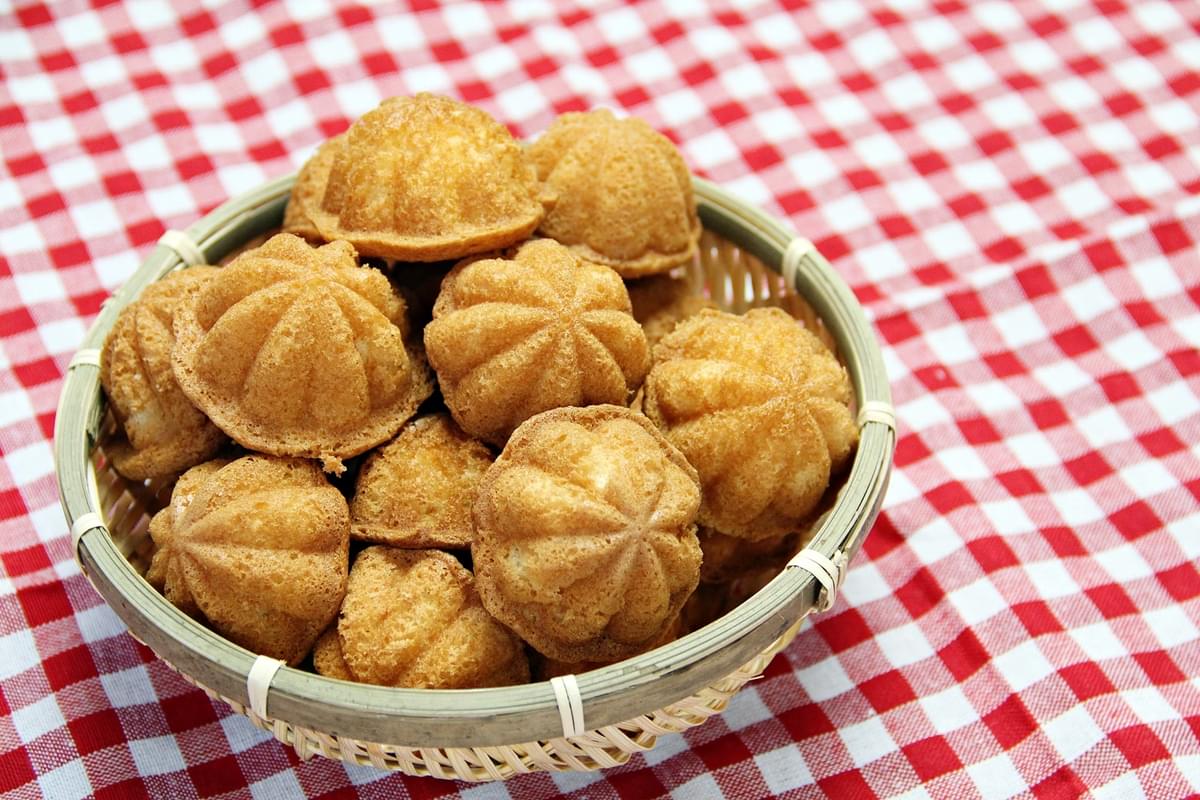
A tiny crusty sponge cake baked and served on festive occasions, Bahulu come in distinctive shapes of buttons and goldfishes. Its origins lie as a traditional snack in Malaysia and Brunei.
Where: Bahulu Warisan, Bendemeer road, Singapore.
Kuih gulung
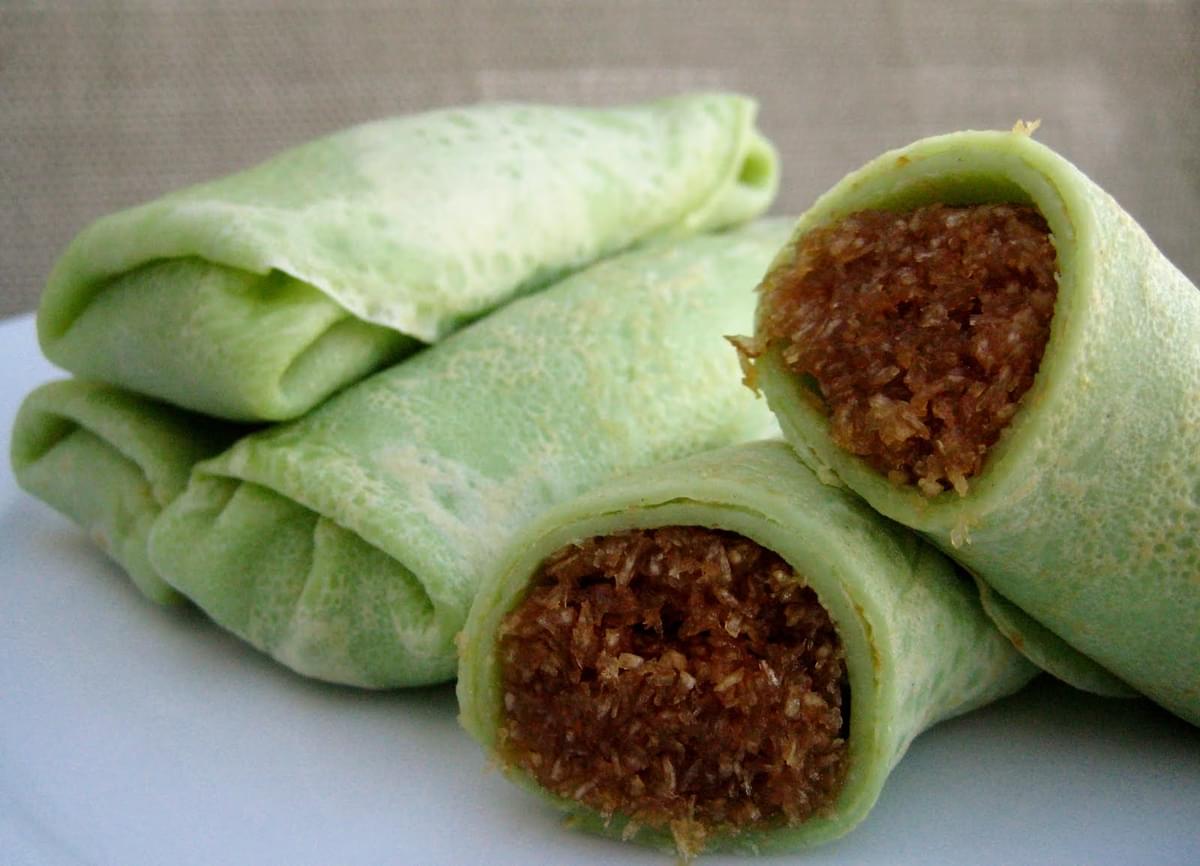
With a palm sugar and coconut filling, Kuih galand are mini crepes flavoured and coloured by the ever-green (literally) flavouring of the pandan.Pan fried with margarine, kuih gulung is a cooked like a think pancake or omelette is – expect being eleongated and rectangular in shape.
Where: Xiu Ji, Chinatown Complex Market, Singapore.
Where To Eat In Singapore Like A Local
Singapore's hawker centres are home to dozens of food stalls serving everything from breakfast classics to hearty dinners and sweet desserts. Each stall usually specialises in one signature dish, meaning years of experience often go into perfecting every plate. Many of these food hubs are also among the best places to visit in Singapore if you want to experience the city's local culture through its food. They are the perfect places to sample multiple local dishes without spending a fortune.
Some of the most popular hawker centres include:
- Maxwell Food Centre – Famous for Hainanese chicken rice and local favourites.
- Lau Pa Sat – A historic food market offering Singaporean, Malay, Chinese and Indian dishes. It is also considered one of the best markets in Singapore for enjoying authentic local food in a vibrant atmosphere.
- Chinatown Complex Food Centre – One of the largest hawker centres with hundreds of food stalls.
- Old Airport Road Food Centre – A favourite among locals for authentic Singaporean street food.
Which Area Should You Visit?
If your 5-night Singapore itinerary covers different parts of Singapore, here's what you can look forward to:
- Chinatown: Home to traditional noodle dishes, roasted meats and classic local desserts. Chinatown is the perfect neighbourhood to experience Singapore's rich Chinese food heritage.
- Little India: A paradise for vegetarian meals, crispy dosas, fragrant biryanis and authentic South Indian flavours. In Little India, every street is filled with colourful eateries and aromatic spices.
- Marina Bay: Enjoy local food courts alongside stylish restaurants with stunning views of Singapore's skyline. Marina Bay is a great place to combine sightseeing with memorable dining experiences.
- Orchard Road: Famous spot for shopping in Singapore as well as trendy cafés, international restaurants and dessert spots. It is an excellent choice for relaxing after a day of retail therapy.
Tips for Enjoying Hawker Centres
Before you grab your first plate, keep these handy tips in mind:
- Visit before or after peak meal hours to avoid long queues.
- Carry a little cash, although many stalls now accept digital payments.
- Don't hesitate to queue behind locals; it usually means the food is worth the wait.
- Share different dishes with your travel companions so you can taste more flavours in one meal.
One visit to a hawker centre is often enough to understand why it is a must-try experience in Singapore for anyone who wants to enjoy the city beyond its famous attractions.
Food Tips For First-time Visitors
Trying local food is one of the highlights of visiting Singapore, but a few simple tips can make your culinary adventure even better. Whether you're travelling with family, friends or on your honeymoon, these suggestions will help you enjoy every bite.
• Try More Than One Dish: Order a few dishes and share them with your group to enjoy a wider variety of Singapore's local flavours.
• Don't Worry About the Spice: If you prefer milder food, simply ask for less chilli or sambal when placing your order.
• Keep Room for Desserts: End your meal with local favourites like kuih, grass jelly or other traditional sweet treats.
• Explore Beyond Tourist Areas: Visit neighbourhood hawker centres to enjoy authentic food, smaller crowds and great value.
• Eat Like a Local: Be open to trying new dishes and ask locals for recommendations to discover hidden food gems.
Conclusion
Exploring Singapore is just as much about its food as its famous attractions. From hearty local breakfasts and flavourful noodle dishes to sweet desserts and refreshing drinks, every meal adds something special to your trip. If you are planning to experience the best of Singapore tourism, let our Singapore tour packages help you discover the city's top attractions, local food spots and hidden gems. Pack your appetite and get ready for a holiday filled with unforgettable flavours and memories.
FAQs
1. Is Singapore food suitable for vegetarians?
Yes. Singapore has plenty of vegetarian options, especially in Little India and many hawker centres. You can enjoy dishes like vegetarian dosas, idlis, roti prata and meat-free versions of local favourites without much difficulty.
2. Are hawker centres better than restaurants for trying local food?
For an authentic experience, many travellers prefer hawker centres because they serve traditional Singaporean dishes at affordable prices. They also let you try several local foods in one visit.
3. How much should I budget for food in Singapore?
A meal at a hawker centre usually costs between SGD 5 and SGD 10 (about INR 310 to INR 620), while dining at restaurants can cost SGD 20 or more per person (about INR 1,240 or more). Your daily food budget depends on where you choose to eat.
4. Can I use credit cards at hawker centres?
Many popular hawker centres now accept digital payments and cards, but some smaller stalls still prefer cash. Carrying a little cash makes it easier to buy food from any stall.
5. What is the best time to visit hawker centres?
Breakfast is busiest between 8 AM and 10 AM, while lunch crowds peak around noon. Visiting a little before or after these hours usually means shorter queues and a more relaxed dining experience.