
Best Time to Visit Colombo: Weather, Seasons & Travel Guide
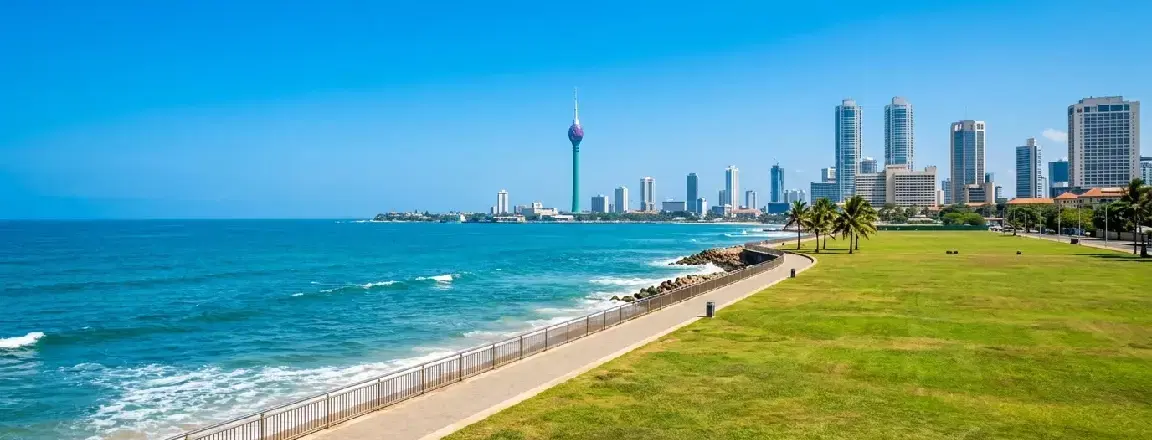
Want to visit Sri Lanka’s capital city, Colombo, without worrying too much about the weather? Learning about the best time to visit Colombo can help you make the most of your trip. The ideal window is between January and March, when the city experiences lower rainfall and more predictable sunshine. During these sunny months, the tropical heat is often balanced by refreshing sea breezes, making it a great time for sightseeing, temple visits, beachside strolls and exploring the city’s vibrant markets.
Colombo also experiences a shorter, relatively drier period around July and August, which can be a good option if you’re looking for a quieter getaway. Whether you’re planning a quick city break or combining the city with other Sri Lankan destinations, customised Colombo tour packages can make it easier to plan your stay and sightseeing. This guide covers the best time to visit Colombo, month-by-month differences, the cheapest time to visit and tips to make the most of your trip.
Quick Overview: Best Time to Visit Colombo
Travel factor | Best time |
| Best overall time | December to March |
| Best weather | January to March |
| Best for sightseeing | December to March |
| Best for beaches | January to March |
| Best for fewer crowds | May to September |
| Best for budget travel | May to November |
| Best for festivals | January to February |
| Wettest period | September to October |
| Recommended trip duration | 2–3 days |
Colombo Weather
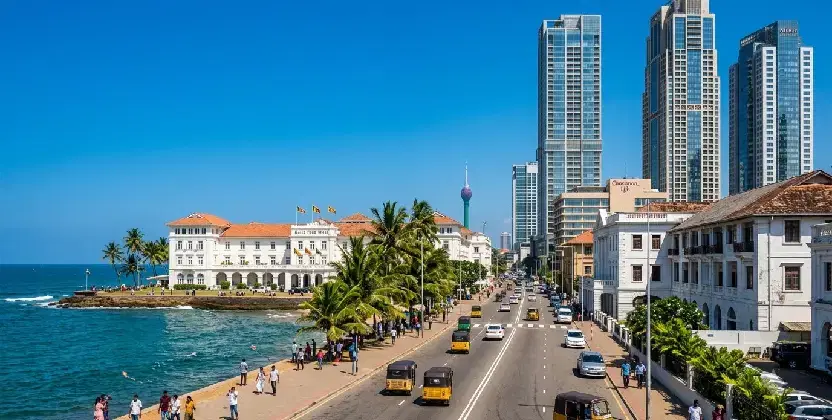
Colombo weather is typically warm, humid and tropical throughout the year. The daytime temperatures usually stay around 30–32°C and rarely drop much at night. What changes more noticeably is the amount of rainfall rather than the temperature.
The best time to visit Colombo is generally from January to March, when the weather is relatively dry and sunny, making it ideal for sightseeing and exploring the city. Rainfall increases from April, with May and October–November among the wetter periods. July and August bring comparatively less rain than the peak wet months, making them a reasonable option for travellers who don't mind occasional showers.
Month | Avg. High | Avg. Low | Rainfall | What to expect |
| January | 31°C | 22°C | 58 mm | Warm and relatively dry |
| February | 31°C | 23°C | 73 mm | Dry and sunny |
| March | 32°C | 24°C | 128 mm | Hot with occasional showers |
| April | 32°C | 25°C | 246 mm | Hot, humid and wetter |
| May | 31°C | 26°C | 392 mm | Very wet |
| June | 30°C | 26°C | 185 mm | Warm with showers |
| July | 30°C | 25°C | 122 mm | Warm with intermittent rain |
| August | 30°C | 25°C | 120 mm | Warm with occasional showers |
| September | 30°C | 25°C | 245 mm | Wetter with frequent showers |
| October | 30°C | 24°C | 365 mm | Very wet |
| November | 30°C | 23°C | 414 mm | Wet and humid |
| December | 30°C | 23°C | 175 mm | Warm with decreasing rainfall |
Rainfall and temperature figures are based on World Meteorological Organisation climatological averages for Colombo.
For a more comfortable Colombo holiday, January to March is the safest bet. If you're planning Sri Lanka tour packages during the wetter months, keep your itinerary flexible and allow some indoor alternatives for rainy days.
Colombo Month by Month
Planning your trip to Colombo around a particular month? Colombo stays warm throughout the year, but rainfall, crowds, prices and things to do can change from month to month. Here’s what you can expect if you visit Colombo in each month.
Colombo in January
Colombo in January is a great choice if you want to see the top attractions in Colombo without dealing with much rain. The warm, mostly dry weather is perfect for exploring markets, temples and the waterfront.
- Weather: Warm and mostly dry, around 22°C–31°C
- What to do: Explore Pettah Market, visit Gangaramaya Temple and watch the sunset at Galle Face Green
- What's special: See the colourful Duruthu Perahera celebrations
- Crowds & cost: One of the busier months, so hotels and flights can cost more
Colombo in February
If you want sunny days and plenty of outdoor time, February is one of the best months to visit Colombo. Rain is usually limited, making it easy to fit several attractions into your day.
- Weather: Warm and mostly dry, around 23°C–31°C
- What to do: Visit Colombo Fort, explore Pettah and relax at Galle Face Green
- What's special: Navam Perahera features colourful processions, music and traditional performances
- Crowds & cost: High season, with higher demand for hotels and flights
Colombo in March
March in Colombo is hot and humid, but it still offers plenty of sunshine for exploring. It is a good pick for a short Colombo getaway before rainfall starts to increase.
- Weather: Hot and humid, around 24°C–32°C
- What to do: Visit temples, explore the city's heritage areas and enjoy the coast
- What's special: Long sunny periods make it easy to plan outdoor activities in Colombo
- Crowds & cost: Moderate to high demand
Colombo in April
April is a lively month in Colombo. The weather is hot and humid, but the Sinhala and Tamil New Year brings a special local atmosphere. If you enjoy festivals, food and cultural experiences, April is worth considering.
- Weather: Hot and humid, around 25°C–32°C, with occasional showers
- What to do: Explore cultural attractions, parks and local food spots
- What's special: Experience Sinhala and Tamil New Year traditions and celebrations
- Crowds & cost: Moderate demand, with prices varying around the holiday period
Colombo in May
Rain becomes more common in May in Colombo, but that doesn't mean your trip has to be a washout. Showers can come in bursts, leaving sunny periods for sightseeing. You may also find better-value stays than during the peak season.
- Weather: Warm, humid and rainy, around 26°C–31°C
- What to do: Visit museums and temples, enjoy cafés and explore shopping areas between showers
- What's special: Fewer tourists and a more relaxed city experience
- Crowds & cost: Lower season, with potential savings on hotels and flights
Colombo in June
June in Colombo is warm and humid, with regular showers. It works well if you don't mind adjusting your plans around the weather and want to experience Colombo at a slower pace.
- Weather: Warm and humid, around 26°C–30°C, with intermittent rain
- What to do: Explore Colombo Fort, visit temples and spend time in cafés and shopping areas
- What's special: Fewer tourists and a quieter feel
- Crowds & cost: Lower season, with potentially better hotel deals
Colombo in July
July is a good option for travellers who prefer a quieter Colombo. You can expect warm weather with a mix of sunshine and showers, so leave some room in your itinerary for changes.
- Weather: Warm and humid, around 25°C–30°C, with occasional rain
- What to do: Shop in Pettah, explore Colombo Fort and enjoy Galle Face Green during sunny periods
- What's special: Less crowded attractions and a more relaxed city experience
- Crowds & cost: Lower season, with potential savings on accommodation
- Best for: Budget travellers, couples and quiet city breaks
Colombo in August
August brings a mix of sunshine and tropical showers, but you can still enjoy plenty of Colombo's attractions. It is a good month if you want to avoid peak-season crowds.
- Weather: Warm and humid, around 25°C–30°C
- What to do: Explore markets and temples, try local food and enjoy the city's shopping scene
- What's special: Fewer tourists and a slower pace
- Crowds & cost: Lower to moderate demand, with potentially better-value stays
Colombo in September
September can be wetter, with sudden showers and high humidity. If you're happy to change your plans around the rain, you can still enjoy Colombo without the peak-season crowds.
- Weather: Warm and humid, around 25°C–30°C, with frequent showers
- What to do: Visit museums and temples, go shopping and explore Colombo's cafés and restaurants
- What's special: Fewer tourists and a quieter city
- Crowds & cost: Lower season, making it a good time to look for deals
Colombo in October
October is one of the wettest months in Colombo, so it isn't the best choice if you want a packed outdoor itinerary. However, rainy days give you a chance to enjoy the city's museums, temples, shopping and food scene.
- Weather: Warm, humid and very wet, around 24°C–30°C
- What to do: Visit the Colombo National Museum, Gangaramaya Temple, shopping centres and restaurants
- What's special: Experience Colombo's food and indoor attractions at a slower pace
- Crowds & cost: Lower season, with potentially lower accommodation prices
Colombo in November
November remains wet, but sunny breaks can still give you time to explore. It can be a good choice if you want a more affordable Colombo holiday and don't mind planning around showers.
- Weather: Warm and humid, around 23°C–30°C, with frequent rain
- What to do: Visit temples and markets, try Sri Lankan food and explore Colombo's shopping spots
- What's special: Festive occasions such as Deepavali can add colour to the city
- Crowds & cost: Lower season, with potential savings on hotels
Colombo in December
December is when Colombo starts moving into its more popular travel period. Rainfall generally decreases as the month goes on, and the festive season brings a lively atmosphere to the city.
- Weather: Warm, with rainfall gradually decreasing, around 23°C–30°C
- What to do: Explore Colombo's landmarks, enjoy Galle Face Green and shop for festive gifts
- What's special: Christmas and New Year celebrations create a lively holiday atmosphere
- Crowds & cost: Demand increases towards the end of the month, so booking early can help
Best Seasons To Visit Colombo, Sri Lanka
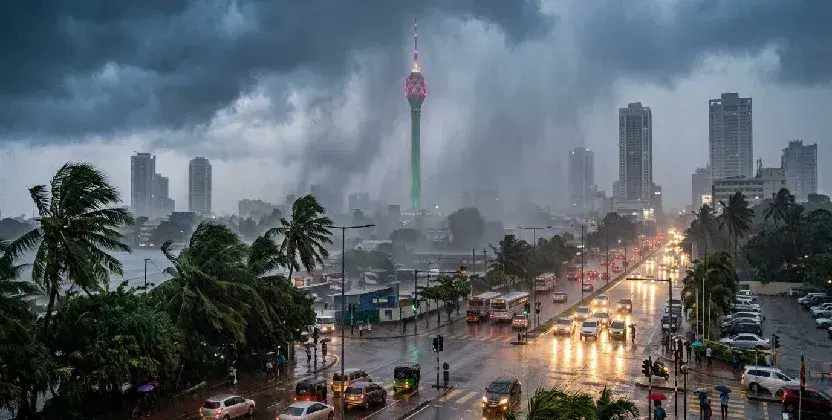
The best season to visit Colombo is the dry winter season from December to March. During this time, the weather is warm, relatively dry and ideal for exploring the city. Daytime temperatures usually stay around 24°C to 31°C, with plenty of sunshine and fewer rain showers.
Colombo has a tropical climate, with rainfall influenced by the island’s monsoon and inter-monsoon periods. While the weather remains warm throughout the year, each season offers a slightly different travel experience.
Seasonal Overview
Season | Months | Weather | What it means for travellers |
| Dry Season | December–March | Warm, sunny and relatively dry, with temperatures around 24°C–31°C | Best for sightseeing and outdoor activities, but expect higher demand and prices |
| First Inter-Monsoon | April | Hot and humid, with increasing showers | A great time for cultural experiences and Sinhala & Tamil New Year celebrations |
| Southwest Monsoon | May–August | Warm and humid, with periods of rain and sunshine | A quieter period with potentially lower hotel and travel costs |
| Second Inter-Monsoon | September–November | Warm, humid and unpredictable, with frequent showers and thunderstorms | Better suited to flexible itineraries, indoor attractions, shopping and dining |
Winter (December to February) – Best Overall for Sightseeing
Winter is one of the best times to visit Colombo, with relatively lower rainfall, plenty of sunshine and comfortable conditions for exploring the city. January and February are particularly favourable for sightseeing, beach walks and cultural experiences.
- How much does it cost: Around LKR 15,000–30,000 (₹4,000–₹8,000) per person per day
- Best spots: Galle Face Green for sunset, Pettah Market for local shopping, Gangaramaya Temple for culture and Colombo Fort for colonial architecture
- What's special: Experience the colourful Duruthu Perahera in January or Navam Perahera in February
- Best for: First-time visitors, sightseeing, beaches, photography and cultural experiences
Spring (March to May) – Best for Festivals and Culture
Looking for a lively cultural experience? Spring can be a great time to visit Colombo, although the weather gets hotter and more humid. March is still suitable for sightseeing, while April brings the excitement of Sri Lankan festivals like Sinhala and Tamil New Year. Rainfall increases towards May, so plan outdoor activities earlier in the day.
- How much does it cost: Around LKR 12,000–25,000 (₹3,200–₹6,700) per person per day
- Best spots: Independence Square, Viharamahadevi Park, Colombo National Museum and Mount Lavinia
- What's special: Celebrate Sinhala and Tamil New Year in April and experience traditional food, customs and festivities
- Best for: Culture lovers, festival experiences and travellers who don't mind heat and humidity
Summer (June to August) – Best for a Quieter, Budget-Friendly Trip
Want to explore Colombo with fewer crowds and potentially lower costs? Summer in Colombo can be a good option. The city remains warm and humid, with periods of rain, but July and August can have more breaks in the showers.
- How much does it cost: Around LKR 10,000–22,000 (₹2,700–₹5,900) per person per day
- Best spots: Pettah Market, Colombo Fort, Dutch Hospital and Galle Face Green
- What's special: Fewer tourists, a more relaxed atmosphere and potentially better-value accommodation
- Best for: Budget travellers, repeat visitors, relaxed holidays and flexible itineraries
Autumn (September to November) – Best for Budget and Indoor Experiences
If you don't mind rainy days and changing weather, autumn can be a more budget-friendly time to visit Colombo. September to November sees frequent showers, with October and November among the wetter months. Instead of letting the rain disrupt your trip, combine sightseeing with Colombo's temples, museums, shopping spots, cafés and restaurants.
- How much does it cost: Around LKR 10,000–22,000 (₹2,700–₹5,900) per person per day
- Best spots: Gangaramaya Temple, Colombo National Museum, Dutch Hospital and One Galle Face
- What's special: Fewer crowds, potentially lower-season prices and festive occasions such as Deepavali
- Best for: Budget-conscious travellers, food and shopping experiences, indoor attractions and flexible trips
What to Pack for Colombo by Season
Colombo stays warm and humid throughout the year, but the amount of rain changes with the seasons. Pack light, breathable clothes for every trip and add a few weather-specific items based on when you visit.
Winter (December to February)
- Clothing: Cotton T-shirts, shorts, dresses, trousers and comfortable walking shoes
- For temples: A light scarf or shawl to cover your shoulders and knees
- Rain gear: A compact umbrella for occasional showers
- Essentials: Sunglasses, sunscreen, hat and reusable water bottle
Spring (March to May)
- Clothing: Loose cotton or linen clothes, shorts, light trousers and breathable tops
- Rain gear: Compact umbrella or lightweight rain jacket
- Footwear: Comfortable sandals plus shoes that can handle wet streets
- Essentials: Sunscreen, sunglasses, hat, mosquito repellent and water bottle
Summer (June to August)
- Clothing: Quick-dry T-shirts, cotton tops, shorts and lightweight trousers
- Rain gear: Foldable umbrella or light waterproof jacket
- Footwear: Sandals and quick-drying walking shoes
- Essentials: Sunscreen, hat, sunglasses, mosquito repellent and water bottle
Autumn (September to November) – Pack for Rain
- Clothing: Quick-dry clothes, breathable tops and lightweight trousers
- Rain gear: waterproof jacket, compact umbrella and a rain cover for your backpack
- Footwear: Water-resistant or quick-drying shoes and sandals
- Essentials: Waterproof phone pouch, mosquito repellent, sunscreen and extra socks
Conclusion: When Is the Best Time to Visit Colombo?
The best time to visit Colombo depends on what you want from your trip. If you want sunny weather and easy sightseeing, January to March is your best bet. For a quieter and more budget-friendly trip, July and August can be good choices, with fewer crowds and plenty of sunny breaks. If you don’t mind rain and want to spend less, May, September, October and November can offer better-value stays.
Whichever month you choose, Colombo has plenty to keep you busy, from exploring Pettah Market and Colombo Fort to visiting temples, trying Sri Lankan food and watching the sunset at Galle Face Green. Just pack for the season and keep your plans flexible around short rain showers.
FAQs
1. What is the best time to visit Colombo?
The best time to visit Colombo is generally December to March, with January to March offering some of the most reliable conditions for sightseeing. The weather is warm with relatively lower rainfall, making it easier to explore markets, temples, beaches and outdoor attractions.
2. Which month is best for visiting Colombo?
January and February are among the best months to visit Colombo if you want warm weather, lower rainfall and plenty of opportunities for outdoor sightseeing. March is also a good choice, although temperatures and humidity start to rise.
3. Is Colombo worth visiting during the monsoon season?
Yes. Colombo is still worth visiting during the wetter months if you don’t mind occasional rain. You can plan outdoor sightseeing around dry periods and keep museums, temples, cafés, shopping and restaurants as backup options.
4. When is the cheapest time to visit Colombo?
The May to November period generally offers better opportunities for budget travel, particularly outside major holidays. Hotels and flights may be cheaper during the lower-demand months, although prices vary by dates, accommodation type and how far in advance you book.
5. When is Colombo least crowded?
Colombo is generally quieter from May to November, when wetter weather reduces tourist demand. July and August can be particularly appealing if you want a quieter city break, as there can still be plenty of sunny periods between showers.
6. What is the best time to visit Colombo for sightseeing?
December to March is the best period for sightseeing in Colombo because rainfall is generally lower and outdoor plans are easier to manage. Start your day early to avoid the strongest heat and leave some flexibility for afternoon showers.
7. What is the best time to visit Colombo for families?
December to March is a good choice for families because the relatively drier weather makes it easier to plan sightseeing and outdoor activities. Families travelling during the wetter months should keep indoor attractions and flexible activities in their itinerary.
8. Is December a good time to visit Colombo?
Yes. December is a good month to visit Colombo as rainfall generally decreases towards theend of the month. The festive atmosphere around Christmas and New Year also makes the city lively, although accommodation and flights can become more expensive during the holiday period.
9. What should I pack for Colombo?
Pack lightweight, breathable clothing, comfortable walking shoes, sunscreen, sunglasses and a reusable water bottle. A compact umbrella or lightweight rain jacket is useful year-round. If you plan to visit temples, carry clothing that covers your shoulders and knees.
10. What is the rainy season in Colombo?
Colombo experiences rainfall throughout the year, but May to September is influenced by the Southwest Monsoon, while October and November are part of the wetter second inter-monsoon period. Rain can also occur outside these periods, so carrying light rain protection is useful year-round.
11. What is the best time to visit Colombo for a beach holiday?
The best time for a beach holiday in Colombo is generally December to March, when the west and south coasts of Sri Lanka usually have drier weather and calmer sea conditions.
12. What is the best time to visit Colombo for festivals and cultural experiences?
January to April is a great period for festivals and cultural experiences in Colombo. January brings the Duruthu Perahera, February features the Navam Perahera, and April brings Sinhala and Tamil New Year celebrations.