
Colombo Travel Guide: Best Places, Things to Do & Travel Tips
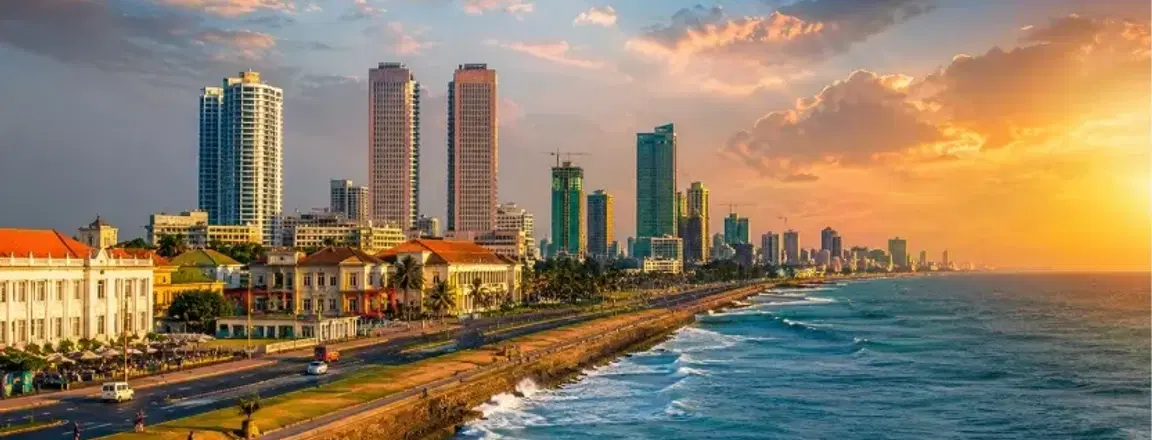
Ever reached a new city and wondered, “Where do I even start?” Colombo makes that first-day decision easier. Sri Lanka’s capital brings together bustling markets, historic temples, colonial architecture, beaches, cafés, and plenty of local flavours in one lively city. You can spend your morning exploring its heritage, enjoy a local meal for lunch, and finish the evening by the coast. January to March is generally the best time to visit Colombo, particularly if sightseeing is high on your list. The city also works well for both short stays and longer Sri Lanka itineraries. Whether you’re booking Colombo tour packages or planning independently, this guide covers the best places to visit, things to do, accommodation, transport, costs, visa information, and useful travel tips.
Key Takeaways
- Best time: January to March is the driest and sunniest period, making it ideal for sightseeing and outdoor plans.
- How long to stay: 1–2 days is enough to see Colombo’s main sights. Stay longer if you want to take day trips from the city.
- Visa for Indians: Indian travellers can get a free 30-day ETA (Electronic Travel Authorisation) for tourism, usually with double entry.
- How to reach: Bandaranaike International Airport is about 35 km from Colombo. Direct flights are available from Delhi, Mumbai, and Chennai.
- Daily budget: Budget travellers should plan around ₹2,500–₹6,000 (LKR 9,000–21,500) per day, while mid-range travel costs about ₹8,800–₹18,300 (LKR 31,500–65,500) per day.
Reasons to Visit Colombo
Having explored Colombo’s bustling markets and colonial streets, travellers quickly notice how the city blends history with modern life. It offers a unique blend of colonial history, modern skyscrapers, and bustling street life. As a coastal, walkable, and budget-friendly city, it offers top culinary experiences, iconic religious sites, and scenic spots.
Here are the top reasons to visit Colombo:
- It has many ancient museums and numerous temples, like Gangaramaya or Seema Malaka, that offer a cultural and historical depth.
- Colombo offers affordable Sri Lankan cuisine like kottu and fresh hoppers.
- Enjoy the magnificent skyline & views. See the Lotus Tower, the tallest in South Asia, and the growing Port City, which contrasts with older, colonial-era architecture.
- It offers easy access to Sri Lanka’s main airport, Bandaranaike International Airport.
- Vast selection of accommodation, including rustic beachside shacks, lavish colonial mansions and stunning hotels.
Best Time To visit Colombo
Colombo is a year-round destination, but the weather changes across the seasons. If you’re planning a visit, the best time to visit Colombo depends on the weather and activities you have in mind. Here’s a quick seasonal breakdown to help you plan.
Season | Months | Weather | Temperature | Ideal For |
| Dry / Peak | Dec – Mar | Sunny & dry | 26–31°C | Sightseeing, beaches |
| Shoulder | Apr | Hot, some humidity | 28–32°C | City tours, fewer crowds |
| Monsoon (Yala) | May – Sep | Heavy rain, humid | 25–30°C | Budget travel, indoor activities |
| Inter-Monsoon | Oct – Nov | Frequent showers | 26–30°C | Short visits to cultural sites |
Also Read: Best Time To Visit Sri Lanka
How Many Days Do You Need in Colombo?
1–2 days is enough to see Colombo’s main highlights without rushing. You can visit the National Museum, explore Gangaramaya Temple, walk through Pettah Market, and catch the sunset at Galle Face Green.
Have 3 days? You can slow things down and explore at a more relaxed pace. It also gives you time for a short outing to Mount Lavinia or other nearby spots.
Quick guide:
- 1 day: Pick the top sights and keep your route compact.
- 2 days: Cover the main attractions, markets, food, and city experiences.
- 3 days: Explore at a slower pace or add a nearby day trip.
For most first-time visitors, 2 days is the sweet spot for experiencing Colombo without feeling rushed.
Things to Do in Colombo
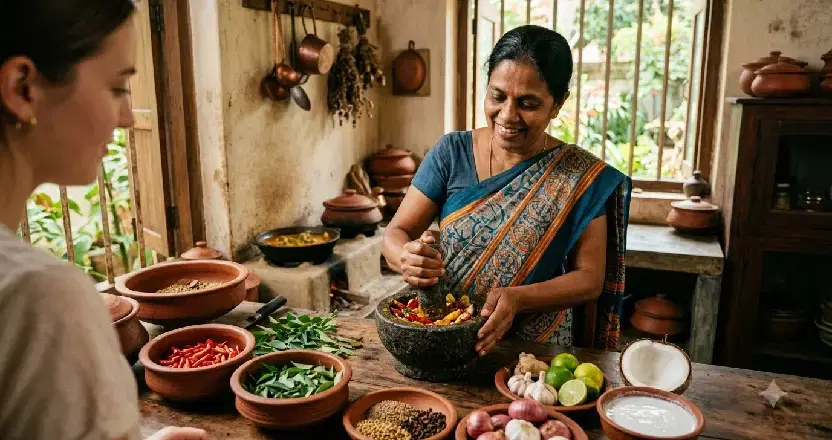
Before diving into Colombo’s iconic landmarks, it’s the everyday experiences that truly bring the city to life. From bustling streets to cultural encounters and local flavours, here are some must-try activities in Colombo that make your visit unforgettable.
- Enjoy a Colombo walking tour: Explore Colombo's vibrant streets to experience the authenticity. Try delicious street food, choose exotic spices, meander through market stalls, and visit the Red Mosque, all with a walking tour.
- Visit historical sites: One of the best things to do in Colombo is to explore three Dutch Colonial-style buildings. These include the Old Dutch Hospital, the Dutch Period Museum, and the Wolvendaal Church.
- Relish an authentic private cooking class: Attend the authentic private cooking class at the home of a local Sri Lankan family and embrace your inner chef. Learn about different delicious cuisines, insights into secret recipes, treasured spices and family-owned dishes.
- Challenge yourself with a round of golf: Play a round of golf at the Royal Colombo Golf Club, in the heart of Colombo. If you are a golf enthusiast, it is an ideal thing to do. The immaculately manicured greens have captivated golfers for over a decade, with the option of playing 9 or 18 holes.
- Ride in a tuk-tuk: One of the most interesting things to add to your Sri Lanka itinerary is exploring the city in a tuk-tuk. This is an incredibly fun way to head off the beaten track and explore parts of Colombo that are not seen on the usual tourist trail.
- Savour fiery street food: Satisfy your taste buds with Colombo’s most delicious fast food, kottu rotti, isso vadai, egg hoppers (appa), achcharu, banana roti and sweet pancakes.
Places to Visit in Colombo
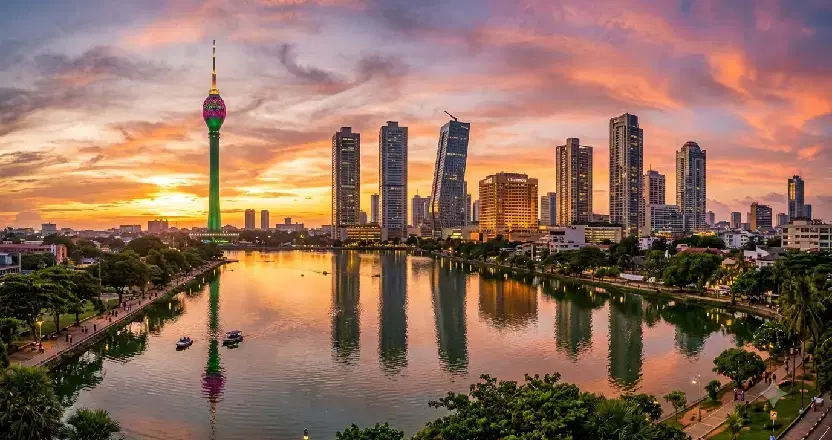
Before exploring Colombo in depth, it’s worth knowing that the city beautifully blends colonial charm, cultural landmarks, and coastal vibes. Whether you’re into history, spirituality, or local markets, these are the must-visit places in Colombo for a well-rounded experience.
1. National Museum of Colombo
Established in 1877, the National Museum of Colombo is one of the best places to visit in Sri Lanka for history buffs. Join a guided tour to learn in-depth about the museum’s exhibits and history. Here, visitors can witness the collections of coins, swords, royal crowns, heirlooms and more.
- Timing: 09:00 am - 07:00 pm
- Duration: 2 hours
2. Beira Lake
Relax and rejuvenate yourself at Beira Lake, Colombo. Take your family to this lake where you can enjoy boating, picnicking and birdwatching. While boating, you can enjoy the stunning views of the famous Buddhist Seema Malaka Temple.
- Timing: 07:00 am - 06:00 pm
- Duration: 2-3 Hours
3. Colombo Town Hall
Located in the heart of Colombo, the Colombo Town Hall is an iconic colonial-era building. Constructed in 1928 during British colonial rule, it serves as the headquarters of the Colombo Municipal Council. Visitors can admire its striking exterior architecture while exploring the surrounding Viharamahadevi Park. The building is often illuminated at night, making it a popular spot for photography and sightseeing.
- Timing: 9:00 am-4:00 pm
- Duration: 15–30 minutes
4. Mount Lavinia
If you’re looking for nightlife and beach outings, head to Mount Lavinia. Visitors can take a coastal train ride to Mount Lavinia, which is about 10-12 km from the main city centre. Experience the stunning sunset views from Mount Lavinia beach.
- Timings: Open 24 hours
- Duration: 2-3 hours
5. Gangaramaya Temple
Located on the edge of Beira Lake, Gangaramaya Temple is one of the most important temples in Colombo. Visit this temple to explore its architecture, Buddha statues, ornate shrines and a small museum that preserves antiques and religious artefacts. There is an entrance fee of approximately 300–500 LKR (₹88–149) for foreign visitors.
- Timings: 6:00 AM to 10:00 PM
- Duration: 1 to 1.5 hours
6. Pettah Market
Also known as Manning Market, this is an open market in the suburb of Pettah in Colombo. It is one of the most popular places to visit in Colombo for shopping. Travellers can find a wide range of items from electronics to fashion accessories and from fresh vegetables and fruits to meat and seafood.
- Timings: 7:00 AM to 9:00 PM (closed on Sunday)
- Duration: 2 to 4 hours
Best Areas to Stay in Colombo
There are many accommodations in Colombo, from budget-friendly to luxury stays that are ideal for every kind of traveller. For a prime location in Colombo, stay in Colombo 1 (Fort/Galle Face) for luxury and tourist attractions, or Colombo 3 (Colpetty) & 7 (Cinnamon Gardens) for central access to shopping and cafes.
Best places to stay
Area / Location | Best For | Recommended Stay | Price Range (per night) |
| Kollupitiya (Colombo 03) | Central location, shopping & nightlife | Cinnamon Grand Colombo | ₹10,000 – ₹15,000 |
| Galle Face | Ocean views & luxury stays | Shangri-La Colombo | ₹18,000 – ₹30,000 |
| Fort Area | Historic sites & city centre | The Kingsbury Colombo | ₹8,000 – ₹12,000 |
| Mount Lavinia | Beach stay & peaceful area | Mount Lavinia Hotel | ₹6,000 – ₹10,000 |
Check Out: Best Kid-Friendly Hotels In Sri Lanka
How to Reach Colombo
There are no direct road or train connections from India to Colombo. The only way to reach Colombo from India is by air or by taking a speedboat.
- By air: The easiest way to reach Colombo is via Bandaranaike International Airport, located about 35 km from the city. Direct flights operate from cities like Delhi, Mumbai, and Chennai.
- By Cruise: Another good way to reach Colombo from India is by a cruise. Book your tickets at Cordelia Cruises, which starts around ₹33,000–₹60,000 for 5 nights. Additionally, a dedicated ferry service is also available on the Nagapattinam-Kankesanthurai route.
Getting Around Colombo
Getting around Colombo is fairly easy, with trains, buses, tuk-tuks, taxis, and ride-hailing apps available. Knowing a few transportation options in Sri Lanka can also help you choose the best way to travel between the city and nearby destinations.
- By Train: Trains connect Colombo with popular destinations such as Kandy, Galle, and Ella. They are a good choice for longer journeys and offer a more local way to experience the island.
- By Road: Colombo has good road links to major cities across Sri Lanka. Buses are affordable, while tuk-tuks and taxis are convenient for shorter trips within the city.
Sri Lanka Visa for Indian Travellers
Indian travellers get a free 30-day ETA for tourism, usually with double entry. Apply online ahead of your trip rather than at the airport, and confirm current requirements before you travel, since entry rules are revised periodically. See the full Sri Lanka visa guide for details.
Colombo Travel Costs: Daily Expenses
Colombo works well for different travel budgets, whether you prefer simple stays, local eateries, or luxury hotels and fine dining. Your daily spending will mainly depend on where you stay, how you travel, and the experiences you choose. The table below gives a clear breakdown of the typical daily expenses for budget, mid-range, and luxury travellers.
| Expense Category | Budget Traveller (Per Day) | Mid-Range Traveller (Per Day) | Luxury Traveller (Per Day) |
| Accommodation | ₹800 – ₹2,100 (LKR 2,660 – 6,990) | ₹3,300 – ₹7,500 (LKR 10,990 – 24,975) | ₹12,500 – ₹29,000 (LKR 41,625 – 96,570) |
| Food & Drinks | ₹650 – ₹1,250 (LKR 2,165 – 4,165) | ₹1,700 – ₹3,300 (LKR 5,661 – 10,989) | ₹5,000 – ₹10,000 (LKR 16,650 – 33,300) |
| Local Transport | ₹250 – ₹650 (LKR 833 – 2,165) | ₹800 – ₹1,700 (LKR 2,664 – 5,661) | ₹2,500 – ₹5,000 (LKR 8,325 – 16,650) |
| Attractions & Activities | ₹400 – ₹1,250 (LKR 1,332 – 4,165) | ₹1,700 – ₹3,300 (LKR 5,661 – 10,989) | ₹4,200 – ₹8,300 (LKR 13,986 – 27,639) |
| Shopping & Miscellaneous | ₹400 – ₹800 (LKR 1,332 – 2,664) | ₹1,250 – ₹2,500 (LKR 4,163 – 8,325) | ₹4,200 – ₹8,300 (LKR 13,986 – 27,639) |
| Total Per Day Cost | ₹2,500 – ₹6,000 (LKR 8,325 – 19,980) | ₹8,800 – ₹18,300 (LKR 29,304 – 60,939) | ₹28,400 – ₹60,000 (LKR 94,572 – 199,800) |
Suggested Colombo Itinerary: 1, 2 & 3 Days
Not sure how to fit Colombo into your Sri Lanka trip? A little planning can help you see the highlights without spending your day rushing between places. Use this simple itinerary as a starting point and adjust it based on your interests.
1-Day Colombo Itinerary
Morning: Start with the National Museum of Colombo to learn about Sri Lanka’s history. Then head to Gangaramaya Temple and explore its collection of Buddhist art and artefacts.
Afternoon: Make your way to Pettah Market for shopping, local snacks, and a taste of the city’s busy street life. Take a tuk-tuk between stops to save time.
Evening: End your day at Galle Face Green. Grab a local snack, watch the sunset, and enjoy the sea breeze.
2-Day Colombo Itinerary
Day 1: Follow the one-day plan covering the National Museum, Gangaramaya Temple, Pettah Market, and Galle Face Green.
Day 2: Start with a walk around Colombo Fort and its colonial-era buildings. Visit the Colombo Town Hall and nearby Viharamahadevi Park. Later, explore Beira Lake and Seema Malaka Temple. Finish with dinner at a local restaurant or a food stop for kottu and hoppers.
3-Day Colombo Itinerary
Day 1: Explore Colombo’s history and culture with the National Museum, Gangaramaya Temple, Pettah Market, and Galle Face Green.
Day 2: Spend the day discovering Colombo Fort, Colombo Town Hall, Beira Lake, and the city’s cafés and markets.
Day 3: Take a relaxed outing to Mount Lavinia. Spend time by the beach, enjoy the coastal views, and return to Colombo in the evening.
Quick tip: Keep your itinerary flexible. Colombo’s traffic can slow down travel, so grouping nearby attractions on the same day will help you make better use of your time.
Tips for Visiting Colombo
- Transportation: Download PickMe or Uber for tuk-tuks and taxis to avoid fare negotiations.
- Connectivity: Purchase a local SIM card at the airport (Dialogue or Mobitel) for cheap data.
- Safety & Health: Do not drink tap water; use bottled or filtered water. Carry insect repellent for mosquitoes.
- Money: Keep cash (small denominations) for markets, though card payments are common in restaurants/shops.
- Best Time to Visit: Morning is best for temples/beaches, afternoons for shopping/cafés, and sunset for Galle Face Green or rooftop bars.
- Temple Wear: Cover your knees and shoulders, and remove shoes/hats before entering temples.
Final Thoughts
Undoubtedly, Colombo is a beautiful city in Sri Lanka. It offers a mix of colonial history, modern attractions, lively markets and scenic ocean views. From boating in Beira Lake and exploring artefacts in national museums to seeking blessings at Gangaramaya Temple, there is much more to do in Colombo. Whether you stay for a short visit or start your island adventure here, Colombo provides the perfect introduction to Sri Lanka’s rich culture and charm.
FAQs
1. When is the best time to visit Colombo?
The best time to visit Colombo is January to March, when the weather is warm, sunny, and dry, making it perfect for sightseeing, beaches, and outdoor exploration.
2. Do I need a visa for Sri Lanka?
Indian travellers visiting Sri Lanka can obtain a free 30-day Electronic Travel Authorisation (ETA) for tourism, usually allowing double entry.
3. What are the best activities to do in Colombo?
Popular activities include exploring Gangaramaya Temple, visiting markets like Pettah Market, enjoying street food, tuk-tuk rides, cooking classes, and walking tours.
4. How do I get to Sri Lanka from India?
The easiest way is by air to Bandaranaike International Airport, about 35 km from Colombo, with direct flights from Delhi, Mumbai, and Chennai.
5. How much should I expect to spend on a Colombo trip?
A Colombo trip may cost ₹3,000–₹6,000 (LKR 10,500–21,000) per day for budget travellers and ₹8,000–₹20,000 (LKR 28,000–69,000) per day for mid-range travellers, depending on accommodation, food, and activities.
6. What is Colombo famous for?
Colombo is famous for its colonial buildings, lively markets, Buddhist temples, beaches, and local food. The city also stands out for landmarks such as Gangaramaya Temple and Lotus Tower.
7. Where is Colombo located?
Colombo is on the west coast of Sri Lanka, beside the Indian Ocean. It is the country’s commercial capital and a common starting point for exploring the island.
8. Is Colombo a good place for a short trip?
Yes, Colombo works well for a short break because many of its main sights are close to each other. With one or two days, you can enjoy its markets, temples, food, and coastal spots.
9. How many days are enough for Colombo?
Two days are usually enough to see the main sights without rushing. A third day gives you more time for relaxed exploring or a nearby outing such as Mount Lavinia.
10. What are the must-see places in Colombo?
The must-see places in Colombo include Gangaramaya Temple, Pettah Market, Beira Lake, the National Museum, and Galle Face Green. Each offers a different side of the city, from culture to local life.
11. Is Colombo an expensive city to visit?
Colombo can suit both budget and luxury travellers. Local food, buses, and tuk-tuks help keep costs low, while hotels, restaurants, and experiences can raise your daily spending.
12. What currency is used in Colombo?
The Sri Lankan Rupee (LKR) is the currency used in Colombo. Cards are accepted at many hotels, restaurants, and shops, but keeping some LKR cash is useful for markets and smaller vendors.
13. Is Colombo safe for tourists?
Colombo is generally safe for tourists, but normal city precautions still matter. Keep an eye on your belongings in crowded markets, use trusted transport, and avoid poorly lit areas late at night.
14. Is Colombo good for a family holiday?
Yes, Colombo can be a good choice for families, with museums, parks, beaches, boat rides, and easy transport options. You can also keep the pace relaxed by grouping nearby attractions together.
15. Is Colombo worth visiting on a Sri Lanka trip?
Yes, especially if you enjoy food, history, markets, and city life. Even a short stay gives you a chance to experience a side of Sri Lanka that feels very different from its hill towns and beaches.