
Best Time to Visit Galle 2026: Weather, Temperature & Travel Tips
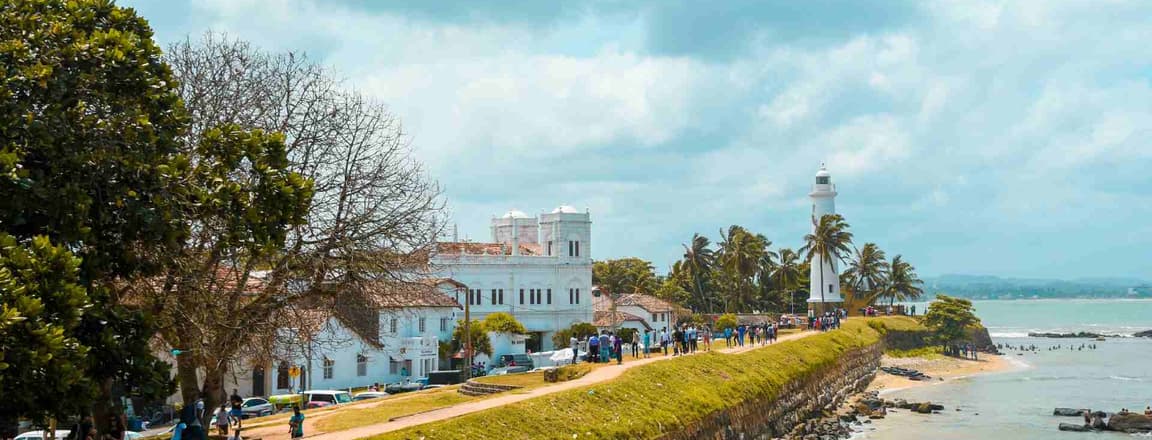
What if the month you picked for your Galle holiday is actually the reason your beach plans keep getting cancelled? Galle stays warm throughout the year, but the best time to visit Galle can make a big difference to what your holiday feels like. Sunshine, rainfall, sea conditions, crowds, and prices can change from one month to another. You might get quieter streets and better deals in the wetter months, while the drier season is better for beach days and outdoor sightseeing. If you're planning a Sri Lanka trip or comparing Galle tour packages, understanding the seasonal weather can help you choose the right travel dates based on rainfall, temperatures, crowds, and costs. This guide breaks down Galle’s weather month by month and helps you choose when to visit.
Why Galle Is Worth Visiting
Galle is a must-visit coastal city in Sri Lanka. It is renowned for its UNESCO-listed 17th-century Dutch fort, blending colonial history with a vibrant, modern atmosphere. Visitors often enjoy the cobbled streets, colourful boutique shops, seaside cafes, and iconic lighthouse.
Key Reasons to Visit Galle:
- Explore the best-preserved maritime fortress in Asia, featuring massive bastions and charming, walkable streets.
- Walk through centuries of history, including the Dutch Reformed Church and the 1848 lighthouse.
- Wander through narrow streets filled with chic boutiques, art galleries, and museums.
- Enjoy fresh seafood, local curry, and gourmet food with ocean views in numerous restaurants.
- Visit nearby beaches, such as Unawatuna, or explore the local sea turtle farm for conservation efforts.
- Experience the annual Galle Literary Festival and vibrant local arts scene.
Galle Weather Guide: Climate, Temperature & Seasons
Galle has a tropical climate, which means it is always hot and humid year-round. The temperature hovers around 25 to 31°C. Galle's primary rainy season is driven by the southwestern monsoon. It occurs from May to September, with the heaviest rainfall usually between June and August. While heavy, these rains often come in short, intense bursts rather than all-day downpours. The best time to visit Galle is from December to April, when the weather is dry, sunny, and perfect for beaches and sightseeing.
Galle Weather Month by Month
| Month | Temperature (°C) | Weather Description | Rainfall (mm) | Ideal For |
| January | 26–30°C | Warm, sunny, low humidity | 75 mm | Beach visits, sightseeing, walking tours |
| February | 26–31°C | Dry, sunny, pleasant | 60 mm | Outdoor activities, fort exploration |
| March | 27–32°C | Hot, increasing humidity | 110 mm | Early beach trips, cultural visits |
| April | 27–32°C | Hot, occasional showers | 190 mm | Indoor attractions, short outings |
| May | 26–30°C | Heavy rains, humid (monsoon begins) | 370 mm | Budget travel, fewer crowds |
| June | 26–29°C | Rainy, windy, rough seas | 200 mm | Relaxed stays, spa retreats |
| July | 26–29°C | Moderate rain, occasional sunshine | 130 mm | Off-season travel, photography |
| August | 26–29°C | Mixed weather, humid | 120 mm | Budget trips, local experiences |
| September | 26–29°C | Rain increases, cloudy | 250 mm | Quiet travel, indoor activities |
| October | 26–29°C | Heavy rainfall, thunderstorms | 350 mm | Low-cost travel, fewer tourists |
| November | 26–30°C | Rain reduces, humidity high | 300 mm | Transition travel deals, cultural visits |
| December | 26–30°C | Sunny, pleasant, peak season begins | 150 mm | Beaches, sightseeing, festivals |
Galle Seasons: What to Expect Throughout the Year
The weather table above gives you a quick month-by-month view, but the season can also shape how you experience Galle. From beach days and Fort walks to quieter sightseeing and flexible indoor plans, each period has something different to offer.
Dry Weather in Galle (December to May): Places & Things to Do
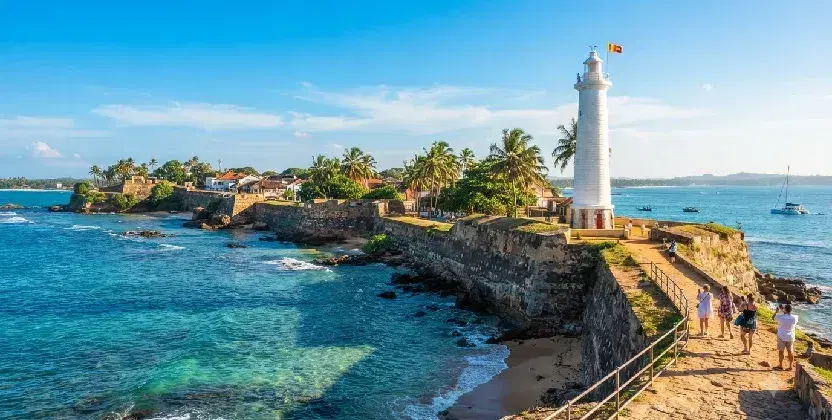
From December to May, Galle generally experiences drier weather and lower rainfall, making this one of the more favourable periods for sightseeing and outdoor activities. Daytime temperatures typically remain around 29°C to 31°C, with about 7 hours of sunshine a day. These conditions are well suited to exploring Galle Fort, visiting nearby beaches, and planning day trips along Sri Lanka’s southern coast.
Places to Visit:
- Galle Fort: Walk through its historic streets, colonial buildings, and old ramparts.
- Galle Lighthouse: Visit this iconic coastal landmark and enjoy views of the Indian Ocean.
- Unawatuna Beach: Spend time by the beach and enjoy the relaxed coastal atmosphere.
- Mirissa Beach: Visit this popular southern-coast beach and use it as a base for whale-watching experiences.
Things to Do:
- Explore Galle Fort on foot during the cooler morning or evening hours.
- Spend a relaxing day at one of the nearby beaches.
- Enjoy fresh seafood and local Sri Lankan dishes at a seaside cafe.
- Plan a coastal day trip along Sri Lanka’s southern coast.
- Watch the sunset by the coast.
- Beaches are generally better for swimming, while nearby Mirissa Beach is a popular base for whale watching.
- December to March brings the driest and sunniest conditions.
- May marks the start of the southwest monsoon, so short, sharp showers become more common.
If sunny weather is your priority, December to April is the safer choice. May can still work if you are comfortable with occasional rain.
Spring in Galle (February to April): Places & Things to Do
February to April brings warm weather and plenty of sunshine, although conditions get hotter as April approaches. Temperatures usually sit around 29°C to 31°C, making this a good time for beaches and sightseeing.
Places to Visit:
- Galle Fort: Explore the historic fort and its colonial-era architecture.
- Galle Lighthouse: Stop by the lighthouse while walking along the Fort's coastal edge.
- Unawatuna Beach: Add a beach stop to your southern-coast itinerary.
- Galle Fort museums and galleries: Explore the city's history, art, and local culture.
Things to Do:
- Start your day with a walk around Galle Fort before temperatures rise.
- Enjoy Beach activities in Sri Lanka before the hottest part of the day.
- Browse boutiques, art galleries, and local shops inside the Fort.
- Stop at a cafe for a relaxed afternoon break.
- Enjoy a sunset walk along the coast.
- February is relatively dry and comfortable for outdoor plans.
- Beach activities in Sri Lanka are easier to enjoy before the hottest part of the day.
- Galle Fort and other historic places in Sri Lanka are best explored in the morning or late afternoon.
- April can feel hot and humid, with occasional showers.
Planning a visit to Sri Lanka in April? Keep outdoor sightseeing between 11 am and 3 pm to avoid the strongest heat.
Wet Weather in Galle (May to November): Places & Things to Do
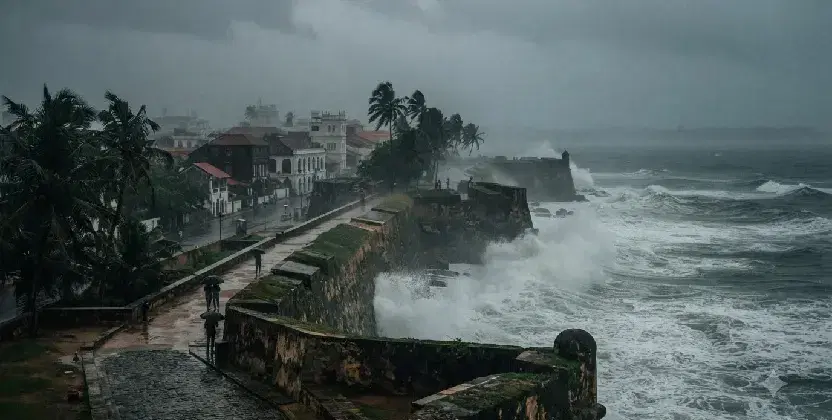
Wet season changes the pace of a Galle holiday. Rainfall increases, humidity stays high, and the sea can become rougher. However, showers are not always constant, and July to September can offer calmer spells.
Places to Visit:
- Galle Fort: Explore its historic streets and heritage buildings between showers.
- Dutch Reformed Church: Visit this historic landmark inside the Fort.
- Galle Fort museums and galleries: Spend time indoors exploring local history and art.
- Galle's boutiques and cafes: Browse local shops or take a break during rainy spells.
Things to Do:
- Explore Galle Fort when the weather clears.
- Browse local art galleries, boutiques, and shops.
- Enjoy Sri Lankan food at a local restaurant.
- Take a relaxed cafe break during a rainy spell.
- Enjoy a spa treatment or a slower afternoon at your accommodation.
- Keep outdoor and beach plans flexible around the weather.
- May and June, along with October and November, tend to see heavier rainfall.
- July to September can bring a mix of sunshine and sudden showers.
- Rough seas can make swimming and some beach activities less suitable.
- Fewer tourists mean quieter streets and better accommodation deals.
- Rainy days are a good excuse to explore Galle Fort, browse local shops, or enjoy a spa treatment.
If saving money matters more than perfect beach weather, this period can be worth considering. Just keep your Sri Lanka itinerary flexible and carry rain protection.
Most Pleasant Time in Galle (December to February): Places & Things to Do
For comfortable weather, December to February is the sweet spot. Temperatures range from around 24°C to 31°C, the skies are generally sunnier, and calmer seas make coastal activities more enjoyable.
Places to Visit:
- Galle Fort: Spend time exploring the historic streets and ramparts.
- Galle Lighthouse: Visit the landmark during a Fort walk.
- Unawatuna Beach: Enjoy a relaxed beach day when sea conditions are favourable.
- Nearby southern-coast beaches: Add a coastal day trip to your itinerary.
Things to Do:
- Walk around Galle Fort in the morning or late afternoon.
- Spend time swimming or relaxing at the beach when sea conditions are safe.
- Enjoy water-based activities when conditions are suitable.
- Take a coastal drive and explore nearby beaches.
- Try local seafood, curry, and other Sri Lankan dishes.
- Watch the sunset along the coast.
- December to February offers some of the driest and sunniest conditions.
- Calm seas make beach days and water activities more appealing.
- The greenery is at its best after the monsoon period.
- Christmas and January bring the biggest crowds and higher prices.
If you want the most reliable combination of sunshine, sightseeing, and beach time, this is the period to choose. Book early if you are travelling around Christmas or January.
Worst Time to Visit Galle and Why
There is no single worst time to visit Galle because the city remains accessible throughout the year. However, some periods can be less suitable depending on your travel plans.
- May and June: Rainfall increases, humidity remains high, and rougher seas can make beach days and water-based activities less predictable.
- October and November: These months can bring frequent rainfall, with October often among the wetter periods. Sudden showers may interrupt sightseeing and outdoor plans.
- Monsoon periods: Rough seas can make swimming and some coastal activities less suitable. Check local sea conditions before entering the water.
If you want to avoid weather disruptions, December to April is the better choice. If your priority is saving money and you do not mind adjusting plans around rain, the wetter months can still work.
Best Time to Visit Galle for Different Travellers
The best time to visit Galle can vary depending on what you want to do during your trip. Use these quick recommendations to choose the season that fits your travel style and plans.
For Beach Lovers
- Choose the drier months for swimming, beach walks, and coastal activities.
- Start outdoor plans early for a more comfortable experience.
- Add whale-watching at nearby Mirissa for a marine experience.
For History Lovers
- Galle is ideal for travellers interested in heritage and architecture.
- Explore Galle Fort, the Dutch Reformed Church, lighthouse, museums, and galleries.
- Take your time walking through the Fort’s historic streets.
For Slow Travellers
- Leave space for relaxed Fort walks, cafes, boutiques, and seaside views.
- Avoid packing too many activities into one day.
- Keep your schedule flexible for a slower, more enjoyable trip.
For Food Lovers
- Try local seafood, Sri Lankan curry, and cafes around Galle Fort.
- Explore local shops, galleries, and smaller streets.
- Mix food stops with cultural experiences for a fuller Galle experience.
Travel Tips For Visiting Galle
- Visit in the right season: December to April offers dry, sunny weather, which is ideal for beaches and sightseeing
- Expect monsoon showers: From May to November, rains are heavy but usually short and sudden
- Wear light clothing: Opt for cotton outfits, sunglasses, and breathable footwear due to heat and humidity
- Check sea conditions: Avoid swimming during monsoon months due to rough waves
- Book early in peak season: December to February sees high demand and higher prices, so book accommodation early.
- Travel in off-season for savings: May to September offers lower hotel rates and fewer crowds
- Explore early or late: Visit Galle Fort and attractions in the morning or evening to avoid the heat
- Carry a rain essential: Keep an umbrella or raincoat handy, even in dry months
Conclusion: Best Time to Visit Galle for a Perfect Trip
The best time to visit Galle depends on what you want to experience. It is a year-round destination, but experiences vary with the seasons. If you want to experience beaches and sightseeing at their best, visit from December to April. Additionally, the monsoon season brings fewer crowds and better deals. Whether you’re a budget traveller or a luxury seeker, planning your trip according to weather and travel goals will help you make the most of your Galle adventure.
FAQs
1. What is the best time to visit Galle?
December to April is generally the best period, with drier weather and better conditions for sightseeing and beach activities. December to February is especially pleasant.
2. What is the best time to visit Galle, Sri Lanka, for good weather?
December to February offers some of the most comfortable conditions, with warm temperatures, lower rainfall, and calmer coastal weather. It is a strong choice for outdoor plans.
3. Which months have the least rainfall in Galle?
January and February are among the driest months, making them suitable for travellers who want fewer weather disruptions. March can also offer relatively dry conditions.
4. When is the rainy season in Galle?
The wetter period generally runs from May to November, with rainfall varying across the months. May, June, October, and November can be particularly unsettled.
5. What is the best time to visit Galle Fort?
December to March is a good period for exploring Galle Fort when conditions are generally drier. Morning and late afternoon are the most comfortable times for walking.
6. What is the best time for beaches in Galle?
December to April is generally better for beach days because rainfall is lower and sea conditions are often more favourable. Check local conditions before swimming.
7. What is the best time to visit Galle for fewer crowds?
May to September can be quieter than the peak travel period. July to September can offer a useful balance for travellers who are comfortable with occasional showers.
8. What is the cheapest time to visit Galle?
May to September can offer better value because visitor demand is generally lower. Hotel rates and other travel costs may be more affordable than during peak months.
9. Is December peak season in Galle?
Yes, December marks the beginning of the busier travel period, particularly around Christmas and New Year. Expect higher demand for accommodation and popular experiences.
10. Is January crowded in Galle?
January can be busy because it falls within the popular dry-season travel period. Booking accommodation ahead of time is useful if you plan to travel during this month.
11. What is the best shoulder season to visit Galle?
The transition around April or early May can suit travellers who want a mix of reasonable weather and fewer crowds. Rain becomes more likely as the southwest monsoon approaches.
12. Is Christmas a good time to visit Galle?
Christmas is a good time weather-wise, with generally favourable conditions for sightseeing and coastal activities. The trade-off is higher prices and more visitors than usual.
13. Is monsoon season a bad time to visit Galle?
Not necessarily, as Galle can still be enjoyable during the monsoon with flexible plans. Rain can affect beach activities, but quieter streets and lower prices can be appealing.
14. What is the best time for whale watching near Galle?
The drier months are generally more suitable for planning coastal activities such as whale watching near Mirissa. Sea conditions can still change, so check local tour updates before booking.
15. How far in advance should I book a Galle trip?
Booking a few weeks to a few months ahead is sensible for travel during the popular December-to-February period. Earlier booking is especially useful around Christmas and New Year.