
Trincomalee Tourism 2026: Best Places to Visit, Things to Do & Travel Guide
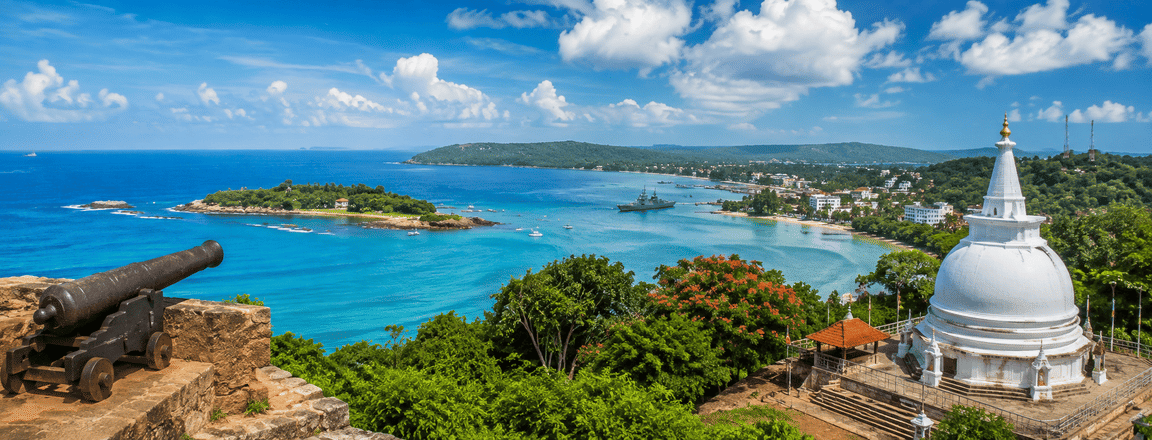
Ready to swap the crowded southern beaches of Sri Lanka for a pristine, sun-drenched paradise where wild deer roam colonial forts and whales breach just off the coast? Go on an adventure to explore Trincomalee tourism. It offers a refreshing East Coast escape known for its natural harbour, pristine beaches, and ancient cultural landmarks.
From relaxing by the sea and spotting whales to exploring historic forts and temples, Trincomalee tourism offers coastal adventures with rich heritage. It is also an excellent addition to Sri Lanka tour packages for travellers seeking a mix of relaxation, culture, and adventure. This guide covers the best time to visit Trincomalee, top attractions, activities, and essential travel tips for a memorable trip.
Trincomalee at a Glance
Travel Detail | Information |
| Location | Northeastern coast of Sri Lanka |
| Best Time to Visit | April–September, especially May–September |
| Trincomalee Trip Cost | LKR 10,000–20,500 (₹3,000–₹6,150) per person/day for a budget trip |
| Distance from Colombo | 235 to 260 km by road and 207 to 237 km by air |
| Ideal Duration | 3 to 4 days |
| Best Experiences | Whale watching, snorkelling at Pigeon Island, beach time at Nilaveli and Uppuveli, Koneswaram Temple, Fort Frederick, and Lovers Leap |
| Ideal For | Couples, families, beach lovers, wildlife enthusiasts, adventure seekers, and culture lovers |
Where Is Trincomalee?
Trincomalee, locally known as “Trinco,” is a beautiful coastal city on Sri Lanka’s northeastern coast. Located around 235 to 260 km from Colombo, it is known for its natural deep-water harbour, pristine beaches, ancient temples, and marine experiences. For travellers, Trincomalee tourism offers a quieter East Coast escape with plenty to explore, making it an ideal stop on a multi-day Sri Lanka itinerary.
Why Should You Visit Trincomalee?
Trincomalee tourism lets you explore beautiful beaches. From marine adventures and underwater experiences to ancient temples and colonial landmarks, there is plenty to see and experience.
- Uncrowded Beaches: Relax on the powdery white sands and calm turquoise waters of Nilaveli and Uppuveli Beaches, away from the busy southern coast.
- Whale Watching: Set out on a marine safari to spot blue whales, sperm whales, and spinner dolphins in the waters around Trincomalee.
- Snorkelling with Marine Life: Take a short boat ride to Pigeon Island National Park and snorkel among colourful fish, sea turtles, and blacktip reef sharks.
- Rich History and Culture: Explore the spectacular Koneswaram Temple overlooking the ocean and the colonial-era Fort Frederick, which reflects Trincomalee’s Portuguese, Dutch, and British heritage.
How Do You Get from Colombo to Trincomalee?
Colombo to Trincomalee is around 260–270 km by road, depending on your route. The journey takes you from Sri Lanka’s busy western capital to the peaceful northeastern coast. You have four main travel options, so you can choose based on your budget, comfort, and available time.
By Private Car or Taxi
If you want the fastest and most flexible option, choose a private car or taxi. The journey takes around 4–6 hours via Kurunegala, Dambulla, and Habarana, with fares of approximately LKR 11,700–18,100 (₹3,500–₹5,400). It is a great choice for families, couples, and travellers who prefer comfort and privacy.
By Train
For a more scenic and affordable journey, take the train from Colombo Fort Railway Station to Trincomalee Railway Station. The journey takes around 8 hours, with tickets costing approximately LKR 1,300–3,300 (₹390–₹990), depending on the class. This is a good option if you want to enjoy Sri Lanka’s countryside along the way.
By Bus
If you’re travelling on a budget, buses are one of the most affordable ways to reach Trincomalee. Buses from Bastian Mawatha Bus Terminal take around 7 hours, with fares ranging from LKR 850–2,600 (₹250–₹780). This option works well for backpackers and budget-conscious travellers.
By Flight
Short on time? Cinnamon Air operates daily scheduled flights from Colombo’s Bandaranaike International Airport to Trincomalee’s China Bay Airport. Flights take around 45–60 minutes, compared with 6–8 hours by road or rail. One-way fares typically start at around LKR 55,000+ (₹15,950+), with seasonal offers sometimes available from LKR 22,400+ (₹6,500+).
Best Time to Visit Trincomalee
The best time to visit Trincomalee is from April to September, when the East Coast experiences warm, sunny, and relatively dry weather. Understanding the Trincomalee weather is important when planning beach activities, whale watching, snorkelling, and sightseeing.
Season | Months | Temperature | Weather | Ideal For |
| Dry Season | April–September | 26°C–32°C | Sunny, warm, and mostly dry | Beaches, swimming, snorkelling, whale watching |
| Inter-monsoon | March & October | 25°C–31°C | Warm with occasional showers | Sightseeing and fewer crowds |
| Wet Season | November–February | 24°C–29°C | Rainy, humid and cloudy | Budget trips, cultural sightseeing |
| Shoulder Season | March & October | 25°C–31°C | Mixed sunshine and rainfall | Exploring attractions and relaxed stays |
For the best overall experience, plan your Trincomalee trip between May and September.
Best Places to Visit in Trincomalee
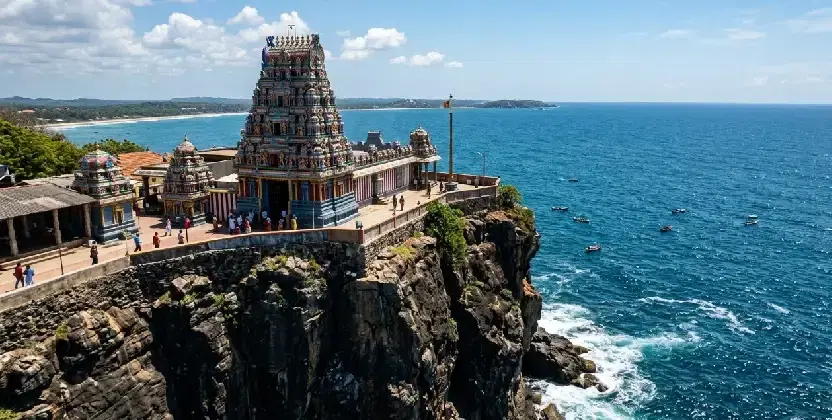
Whether you are visiting for a relaxed beach holiday, a cultural experience, or outdoor activities, these attractions can easily be added to your Trincomalee itinerary.
Thirukoneswaram Kovil
Perched dramatically on Swami Rock, Thirukoneswaram Kovil is one of Trincomalee’s most important cultural landmarks. This ancient Hindu temple is dedicated to Lord Shiva and is considered one of Sri Lanka’s historic Pancha Ishwarams. Its clifftop location also offers spectacular views of the Indian Ocean.
- What to see: Colourful Shiva statue, Dravidian architecture, and Lovers’ Leap viewpoint.
- Best for: Culture, photography, history, and ocean views.
- Visiting hours: 6:00 AM–1:00 PM and 4:00 PM–6:45 PM.
Fort Frederick
Perched dramatically on Swami Rock, Thirukoneswaram Kovil is one of the most important cultural landmarks and a key highlight of Trincomalee tourism. This ancient Hindu temple is dedicated to Lord Shiva and is considered one of Sri Lanka’s historic Pancha Ishwarams. Its clifftop location also offers spectacular views of the Indian Ocean.
- What to see: Fort walls, colonial structures, old trees, and deer.
- Best for: History, photography, and sightseeing.
- Visiting hours: 7:30 AM–5:30 PM.
Shri Badrakali Amman Kovil
Located in the heart of Trincomalee, Shri Badrakali Amman Kovil is a striking Hindu temple dedicated to Goddess Kali. This is an important part of Trincomalee tourism. The temple stands out for its vibrant colours, detailed sculptures, and elaborate Dravidian-style architecture.
- Best for: Culture, architecture, and photography.
- Best time to visit: During the morning, midday, or evening puja.
- Puja timings: 6:00–7:00 AM, 12:00–1:00 PM, and 4:30–7:30 PM.
Pigeon Island Marine National Park
Located just off Nilaveli Beach, Pigeon Island Marine National Park is one of the highlights of a Trincomalee tour package. A short boat ride takes travellers to its clear waters, coral reefs, and diverse marine ecosystem. It is particularly popular with visitors looking to experience Sri Lanka’s underwater world without travelling far from the coast.
- What to experience: Snorkelling, coral reefs, colourful reef fish, sea turtles, and reef sharks.
- Entrance fee: Foreign visitors pay around LKR 12,000–12,600 (₹3,480–₹3,650) per person, plus a shared boat fee of LKR 8,000–10,000 (₹2,400–₹3,000) for up to 7–8 people, with snorkelling gear charged separately.
- Best for: Snorkelling, swimming, and marine wildlife.
- Visiting hours: 8:00 AM–4:00 PM.
Nilaveli Beach
Located around 12–15 km from Trincomalee town, Nilaveli Beach is known for its long stretch of soft white sand and calm, shallow waters. Its peaceful setting makes it ideal for travellers looking to slow down and enjoy the East Coast. The beach also serves as a departure point for boat trips to Pigeon Island.
- What to experience: Swimming, sunbathing, beach walks, and boat trips.
- Best for: Families, couples, relaxation, and water activities.
Uppuveli Beach
Around 6 km from Trincomalee town, Uppuveli Beach offers a lively yet relaxed coastal atmosphere. The area has a good selection of hotels, guesthouses, restaurants, and tour operators, making it convenient for travellers staying in Trincomalee. It is also a popular base for marine excursions like whale-watching in Sri Lanka.
- What to experience: Swimming, beach walks, dining, and whale watching.
- Best for: Couples, families, and travellers seeking convenient beach access.
Maritime and Naval History Museum
Housed in a beautifully restored Dutch colonial building, the Maritime and Naval History Museum highlights Trincomalee’s long-standing connection with the sea. The museum provides insight into the city’s strategic natural harbour, naval history, and colonial past.
- What to see: Naval exhibits, colonial architecture, and historical displays.
- Best for: History enthusiasts and culture lovers.
- Visiting hours: 9:00 AM–4:00 PM; closed on Tuesdays.
Kanniya Hot Water Springs
Kanniya Hot Water Springs is a popular cultural and natural attraction located outside Trincomalee. The site features seven shallow stone wells, each traditionally believed to have a different temperature. You can explore the site and experience the traditional practice of bathing using buckets of spring water.
- What to experience: Explore the seven springs and learn about local legends.
- Best for: Families, cultural experiences, and a short sightseeing stop.
- Visiting hours: 7:00 AM–7:00 PM on weekdays and from 6:00 AM on weekends.
Things to Do in Trincomalee
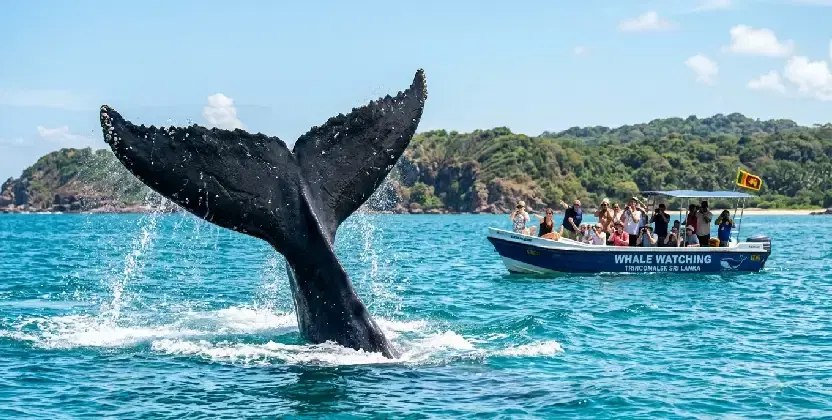
Whether you want to relax on pristine beaches, explore ancient temples, or enjoy exciting marine experiences, Trincomalee tourism offers plenty to explore. From whale watching and snorkelling to visiting historic landmarks, there are plenty of things to do in Trincomalee:
Whale Watching in Trincomalee
Whale watching is one of the most popular activities in Trincomalee, with tours running from March to September/October. The best sightings are usually between June and August, when sea conditions are calmer. Spot blue whales, sperm whales, and spinner dolphins on early-morning boat trips from Uppuveli or Nilaveli.
Scuba Diving and Snorkelling
Explore Trincomalee’s underwater world with scuba diving and snorkelling, especially between May and October. The waters around Pigeon Island, Swami Rock, and nearby reefs are home to colourful marine life. Certified divers can also explore the HMS Hermes wreck, while beginners can join introductory dives with local dive centres.
Watching the Sunset at Lovers Leap
Head to Lovers Leap near Koneswaram Temple for a memorable sunset experience. The cliffside viewpoint offers panoramic views of the Indian Ocean, coastline, and surrounding cliffs. Arrive in the late afternoon to enjoy the scenery and find a good viewing spot. Wear comfortable footwear and carry water, as some paths can be uneven.
Tip: Carry water and wear comfortable footwear, as some paths can be uneven.
How Much Does a Trincomalee Trip Cost?
Your Trincomalee trip cost depends on your accommodation, food choices, transport, and activities. Here’s a simple breakdown to help you estimate your daily budget and plan your trip accordingly.
Expense | Budget (Per Person/Day) | Mid-Range (Per Person/Day) | Luxury (Per Person/Day) |
| Accommodation | LKR 5,000–10,000 (₹1,500–₹3,000) | LKR 20,000–47,000 (₹6,000–₹14,000) | LKR 50,000–117,000+ (₹15,000–₹35,000+) |
| Food | LKR 2,000–3,500 (₹600–₹1,050) | LKR 4,000–7,000 (₹1,200–₹2,100) | LKR 8,000–15,000+ (₹2,400–₹4,500+) |
| Local Transport | LKR 1,000–2,000 (₹300–₹600) | LKR 2,000–4,000 (₹600–₹1,200) | LKR 5,000–10,000 (₹1,500–₹3,000) |
| Activities | LKR 2,000–5,000 (₹600–₹1,500) | LKR 5,000–10,000 (₹1,500–₹3,000) | LKR 10,000–20,000+ (₹3,000–₹6,000+) |
| Estimated Daily Cost | LKR 10,000–20,500 (₹3,000–₹6,150) | LKR 31,000–68,000 (₹9,300–₹20,400) | LKR 73,000–162,000+ (₹21,900–₹48,500+) |
Best Places to Stay in Trincomalee
From beachfront resorts to budget-friendly stays, Trincomalee tourism offers accommodation options for different travel styles and budgets. Choose your stay based on whether you want easy beach access, a peaceful setting, or proximity to the town’s main attractions.
Luxury Hotels in Trincomalee
For a premium stay with ocean views, upscale facilities, and easy beach access, consider these options:
- Trinco Blu by Cinnamon: A stylish beachfront resort on Uppuveli Beach with comfortable rooms, a swimming pool, dining options, and easy access to marine activities.
- Amaranthé Bay Resort & Spa: A peaceful upscale resort offering spacious rooms, private jacuzzis, dining options, and spa facilities.
- Jungle Beach by Uga: A secluded luxury resort surrounded by greenery and coastline, offering private cabins and a tranquil beach setting.
Price: LKR 50,000–117,000+ (₹15,000–₹35,000+) per night
Best for: Couples, honeymooners, and luxury travellers
Mid-Range Hotels in Trincomalee
For a comfortable stay with modern facilities and good beach access, mid-range hotels offer excellent value:
- JKAB Beach Resort: A beachside property with comfortable rooms, wooden cabins, a swimming pool, and access to water activities.
- Anantamaa Hotel: A relaxed hotel with comfortable rooms, an outdoor pool, spa facilities, and convenient access to Uppuveli Beach and Trincomalee town.
Price: LKR 20,000–47,000 (₹6,000–₹14,000) per night
Best for: Couples, families, and first-time visitors
Budget Hotels and Hostels in Trincomalee
If you’re travelling on a budget, Uppuveli and Nilaveli have plenty of affordable guesthouses, hostels, and simple beach stays.
- Uppuveli Hostels & Guesthouses: Affordable stays close to the beach, restaurants, cafés, and local activities.
- Nilaveli Budget Cabanas: Simple wooden cabanas offering convenient access to Nilaveli Beach and boats to Pigeon Island.
Price: LKR 5,000–17,000 (₹1,500–₹5,000) per night
Best for: Solo travellers, backpackers, and budget-conscious travellers
Essential Tips for Visiting Trincomalee
Planning a little ahead can make your Trincomalee trip more comfortable and enjoyable. Keep these practical tips in mind for weather, temples, marine activities, and local travel.
- Best time to visit: Plan your trip between May and September for generally dry weather and calmer seas.
- Beat the heat: Plan sightseeing in the early morning or late afternoon and keep midday for relaxing at the beach.
- Dress modestly: Cover your shoulders and knees when visiting Koneswaram Kovil and other temples.
- Follow photography rules: Check before photographing prayer areas, idols, or worshippers.
- Visit Pigeon Island early: Start your boat trip around 8:00–8:30 AM for calmer waters and a more comfortable experience.
- Choose responsible operators: For whale watching, select operators that follow safe and ethical wildlife-watching practices.
- Carry Sri Lankan Rupees: Keep LKR cash for tuk-tuks, small restaurants, beach stalls, and local shops.
Conclusion: Is Trincomalee worth visiting in 2026?
Absolutely! Trincomalee remains Sri Lanka’s ultimate East Coast escape. If you want to escape crowded southern beaches for pristine white-sand shores, sacred cliffside temples, and majestic blue whales, this is your destination. Trincomalee tourism let your pairs deep maritime history with untouched coastal peace.
Don't wait for the crowds to find this paradise. Book your beachside stay along the Uppuveli or Nilaveli coast today, pack your walking socks for the temple stones, and secure your ticket to the ultimate Sri Lankan beach adventure.
Your perfect 2026 getaway is calling. Are you ready to dive in?
FAQs
What is Trincomalee famous for?
Trincomalee is famous for its pristine beaches, ancient Koneswaram Temple, natural harbour, whale watching, snorkelling, and Pigeon Island National Park. It is also known for its Portuguese, Dutch, and British colonial heritage.
Which is better, Mirissa or Trincomalee?
Both are excellent, but the better choice depends on your travel plans. Trincomalee is ideal for East Coast beaches, whale watching from around March to September/October, snorkelling, and a quieter atmosphere. Mirissa is better suited to travellers visiting Sri Lanka’s south coast, particularly during its December–April whale-watching season.
Is Trincomalee safe?
Yes, Trincomalee is generally considered safe for tourists. As with any destination, take normal precautions such as keeping valuables secure, using reputable transport, and following local rules at beaches, temples, and marine attractions.
What are the best tourist places in Trincomalee?
Some of the best places to visit include Koneswaram Kovil, Fort Frederick, Pigeon Island National Park, Nilaveli Beach, Uppuveli Beach, Shri Badrakali Amman Kovil, Kanniya Hot Water Springs, and the Maritime and Naval History Museum.
Are there any budget hotels in Trincomalee?
Yes. Uppuveli and Nilaveli have several budget-friendly guesthouses, hostels, cabanas, and homestays. Budget accommodation typically starts at around LKR 5,000 (₹1,500) per night, although prices vary by season and property.
What is the distance from Trincomalee to Colombo?
Trincomalee is approximately 237 km from Colombo in a straight line, while the road distance is around 260–270 km, depending on the route. By car or taxi, the journey generally takes around 4–6 hours.
Is there a flight from Colombo to Trincomalee?
Domestic flights can be available between Colombo and the Trincomalee area, depending on the season and operator. Flight schedules are limited compared with road and rail services, so check availability before planning your journey.
What is the best time to visit Trincomalee?
The best time to visit Trincomalee is April to September, when the East Coast generally experiences warm, sunny, and relatively dry weather. May to September is particularly suitable for beaches, snorkelling, whale watching, and other outdoor activities.
Is Trincomalee good for whale watching?
Yes. Trincomalee is one of Sri Lanka’s popular whale-watching destinations. The season generally runs from March to September/October, with June to August offering some of the best conditions. You may spot blue whales, sperm whales, and spinner dolphins.
Can I go scuba diving in Trincomalee?
Yes. Scuba diving and snorkelling are popular in Trincomalee, particularly from May to October. Popular areas include Pigeon Island, Swami Rock, and nearby reefs. Certified divers can also explore the HMS Hermes wreck, while beginners can join introductory diving experiences.