
Whale Watching in Sri Lanka: Best Time, Places, Cost & Travel Guide
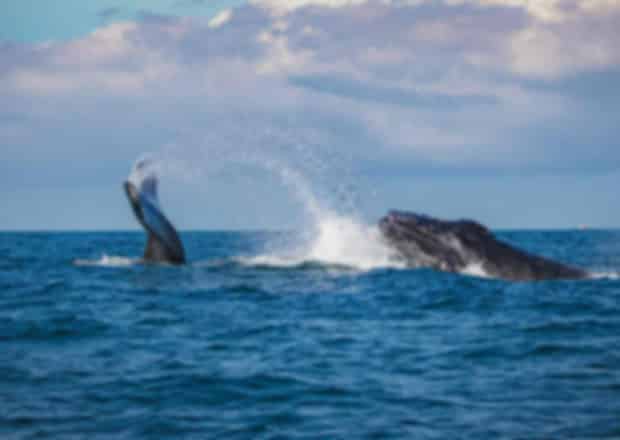
You booked the wrong coast, and your whale watching plans can quickly become a very different experience. Whale watching in Sri Lanka works across different parts of the island, but each location has its own season and conditions. Mirissa is strongest between November and April, while Trincomalee offers better opportunities as the east coast season begins. If you are planning to book a Sri Lanka tour package, knowing these seasonal differences can help you choose the right place for your trip. So, the “best” location is not the same for every traveller. This guide covers the best places, seasons, costs, and practical tips for whale watching in Sri Lanka. You’ll also learn what to expect on the boat, which marine life you may spot, and how to choose a responsible operator. Keep reading to plan your whale watching experience with confidence.
What to Expect on a Whale Watching Tour in Sri Lanka
A whale-watching tour is an early start, a boat ride into the open sea, and a lot of waiting with your eyes on the water. But when a whale finally surfaces, it can make the wait completely worth it.
The trip starts early
Most tours leave the harbour between 6:00 AM and 7:00 AM. You’ll usually arrive a little earlier for check-in, a safety briefing and your life jacket. Once everyone is on board, the boat heads away from the coast towards deeper waters.
Be ready for a bumpy ride
The sea may feel calm near the harbour but can get rougher as the boat moves farther out. The ride itself can take some time, so keep your camera ready but also give yourself time to simply watch the sea.
Your first sight may be a blow
The crew will keep scanning the water for signs of whales. You may notice a sudden spray of water before you see the whale. When one is spotted, the boat slows down so you can watch it surface and dive.
Blue whales and sperm whales are among the species you may see. Spinner dolphins are also common, and spotting a large pod can be just as exciting.
Whale Species in Sri Lanka: What You Can See on a Whale Watching Tour
The pristine waters of Sri Lanka are home to an array of whale and dolphin species. Here is what you might encounter during whale spotting in Sri Lanka:
- Blue Whale: It is the most commonly seen marine animal in the waters off Mirissa and Trincomalee. They are frequently spotted surfacing to breathe, and on lucky days, you may witness a full breach or a dramatic tail fluke as the whale dives.
- Sperm Whale: These are the world’s largest toothed predators and a regular sight off Sri Lanka’s southern and eastern coasts. Recognisable by their distinctive boxy heads and wrinkled dark skin.
- Spinner Dolphin: These are among the most playful marine mammals, which can be found in the waters of Mirissa and Kalpitiya in large groups. You can see them jumping and spinning in the air.
- Bryde’s Whale: A medium-sized baleen whale that is regularly sighted year-round off Sri Lanka. Bryde’s whales are often seen lunging through the water to feed on fish shoals.
- Striped Dolphin & Bottlenose Dolphin: These two species are frequently encountered, often bow-riding in front of whale-watching boats and providing wonderful close-up encounters.
Sightings are not guaranteed
Whale watching is wildlife watching, so there is no fixed schedule. Weather, sea conditions and the movement of the animals all play a part. A good operator will focus on watching the animals without chasing or crowding them.
Most tours take around 3–5 hours and return to the harbour by late morning or around noon.
What Happens on a Whale Watching Tour in Sri Lanka
Knowing the rhythm of the trip helps you plan for it rather than just show off. Here’s the sequence most Mirissa and Trincomalee tours follow:
- 6:00–6:30 AM: Check-in at the harbour office, life jacket fitting, and a short safety briefing.
- 6:30–7:00 AM: The boat departs and heads out toward the continental shelf edge, roughly 10–20 km offshore for Mirissa, closer to 8 nautical miles (about 30 minutes) for Trincomalee.
- First 45–60 minutes: Open water, often the choppiest stretch of the trip. Crew and other boats stay in radio contact, scanning for whale blows (the spray a whale releases when it surfaces to breathe) — this is usually the first sign, spotted well before the whale itself.
- Once a whale is sighted: Boats hold position at a distance and let the whale surface a few times before it dives again, rather than chasing it. Licensed operators are required to stay at least 100 metres away and avoid crowding the animal.
- Between sightings: Dolphins — usually spinner dolphins riding the bow wave — are seen far more often than whales and tend to keep the mood up on quieter stretches.
- Return: Boats head back by mid-morning to early afternoon, depending on how far they travelled to find whales.
Is Whale Watching Safe in Sri Lanka?

Whale watching in Sri Lanka is generally safe when you choose a licensed and experienced tour operator. The Sri Lanka Tourism Development Authority regulates many operators to ensure safety standards are followed. Most boats are equipped with life jackets, trained crew members, and basic safety gear.
However, sea conditions can be unpredictable, especially during monsoon months. For a safe and comfortable trip:
- Book with a certified operator
- Check the weather before departure
- Follow the crew’s instructions
- Avoid standing or moving around unnecessarily during the ride
Sri Lanka Whale Watching Season: Best Time by Location
The whale-watching season in Sri Lanka varies depending on which coast you visit, as the monsoon patterns significantly influence whale activity and sea conditions. However, December to March is the best time to visit Sri Lanka’s southern coast for whale watching. Sea conditions are calmer, visibility is excellent, and the whale population in the area is at its highest density.
| Location | Best Season | Sea Condition | What You Can See | Best For |
| Mirissa (South Coast) | November to April | Calm to moderately calm (best in early mornings) | Blue whales, sperm whales, and dolphins | Couples, families |
| Galle (South Coast) | November to April | Calm to moderately calm | Blue whales, dolphins | Couples, short-trip travellers, cultural travellers |
| Trincomalee (East Coast) | May to October | Very calm (best sea conditions in Sri Lanka during this period) | Blue whales, sperm whales, and dolphins | Families, couples |
| Kalpitiya (West Coast) | November to April | Generally calm, slight swells possible | Dolphins (large pods), occasional whales | Budget travellers, families |
Month-by-Month Sighting Probability
Sighting rates aren’t fixed numbers; they shift with sea state, operator skill, and how far a boat is willing to travel, but reported ranges from established Mirissa and Trincomalee operators give a reliable planning guide:
| Month | Mirissa (Blue Whale) | Trincomalee (Blue/Sperm Whale) | Dolphins (Both Coasts) |
| Nov – Dec | High (80–90%) | Off-season, mostly closed | High |
| Jan – Mar | Peak (85–95%) | Off-season, mostly closed | Very high |
| Apr | Moderate–High, monsoon builds late month | Season begins, building | High |
| May – Jun | Closed (monsoon) | Building toward peak | Moderate–High |
| Jul – Aug | Closed (monsoon) | Peak sperm whale window (30–40% sperm whale odds) | High |
| Sep | Closed (monsoon) | Good, tapering | High |
| Oct | Closed (monsoon) | Off-season, northeast monsoon begins | Low |
Note: These are estimated ranges from operators and regional guides, not official statistics. Use them as a monthly comparison, not a guarantee. Dolphin sightings are generally more reliable than whale sightings, often reaching 90%+ during the season.
Best Time of Day for Whale Watching in Sri Lanka
The best time of day for whale watching in Sri Lanka is early morning, typically between 6:00 AM and 9:00 AM. During this time:
- The sea is calmer with fewer waves
- Visibility is better for spotting marine life
- Whale activity is at its peak
- Weather conditions are more stable
Most tours depart around sunrise and return by mid-morning. Afternoon tours are less common and generally not recommended due to rougher sea conditions and lower chances of sightings.
4 Best Places for Whale Watching in Sri Lanka

There are various departure points in Sri Lanka from where you can take a boat for a whale-watching excursion. Here are some of the best places to visit in Sri Lanka for whale watching:
1. Mirissa
Mirissa is one of the most popular and well-established destinations with the highest blue whale sighting rate. Situated on the southern tip of the island, this city sits directly above the deep waters of the continental shelf, making it a prime location for blue whale sightings. You have a high chance of spotting whales and dolphins from November to April, when the seas are calmest. Whale-watching Mirissa Beach tours typically start around 6:30 AM from Mirissa Harbour, lasting 3–5 hours.
- Best Time to Visit: November to April
- Duration: 3–5 hours
- Cost Range: LKR 15,000–16,000 for adults (₹3,800–₹4,100 approx.)
- What You Can See: Blue whales, sperm whales, fin whales, bottlenose dolphins, spinner dolphins
- Departure Points: Mirissa Harbour
2. Galle
Located just 30 km west of Mirissa, Galle offers a wonderful combination of cultural sightseeing and marine adventure. Whale watching in Galle is one of the premier marine things to do in Sri Lanka. From November to April, you can get the opportunity to spot blue whales, sperm whales, dolphins and more. Most Galle whale watching tours depart from nearby Mirissa or via specialised navy projects near the coast.
- Best Time to Visit: November to April
- Duration: 3–5 hours
- Cost Range: LKR 10,000–16,000 per adult (₹2,500-4,800)
- What You Can See: Blue whales, sperm whales, Bryde’s whales, spinner dolphins, and occasional orcas
- Departure Points: Nearby Mirissa
3. Trincomalee (East Coast)
Trincomalee is not only known for surfing but also for whale watching. Visit between April and September to experience the best whale watching in Trincomalee. Located about 2 hours away from Pasikudah, Trincomalee is a less crowded alternative which boasts a bunch of whale-watching spots. However, the most popular ones are the Nilaveli and Uppuveli beaches. The calm blue waters here are ideal for spotting blue whales and sperm whales during the northeast monsoon off-season for the south coast.
- Best Time to Visit: April to September
- Duration: 3–5 hours
- Cost Range: LKR 8,000–15,000 (₹2,000–₹3,800 approx.)
- What You Can See: Blue whales, sperm whales, fin whales, spinner dolphins
- Departure Points: Nilaveli Beach, Uppuveli Beach
4. Kalpitiya (Northwest)
Kalpitiya is primarily the best destination for dolphin watching, especially for spinner dolphins. Whale watching in Kalpitiya is at its peak from November to April, especially for spotting sperm whales and large schools of spinner dolphins. Located near the continental shelf, 4-hour boat trips often provide high chances of spotting sperm whales, along with occasional blue whales, dolphins, and turtles.
- Best Time to Visit: November to April
- Duration: 3–4 hours
- Cost Range: LKR 6,000–12,000 (₹1,500–₹3,000 approx.)
- What You Can See: Sperm whales, blue whales, Bryde’s whales, dwarf sperm whales, and melon-headed whales
- Departure Points: Local beaches like Alankuda or the Kalpitiya jetty
Tip: Start early in the morning, around 7:30 am, for the best chance of spotting wildlife and enjoying calm seas.
Mirissa vs Trincomalee: Which Should You Choose?
Both coasts have legitimate, well-established whale watching industries — the real difference is timing and trip length, not quality.
| Factor | Mirissa | Trincomalee |
| Season | Nov – Apr | Apr/May – Sep |
| Blue whale odds (peak season) | Higher, especially Jan–Mar | Good, especially Jun–Sep |
| Sperm whale odds | Lower | Notably higher (Jun–Sep) |
| Distance to deep water | 10–20 km, roughly 45–60 min | About 8 nautical miles, roughly 30 min |
| Crowds | Busiest hub, most boat options | Quieter, fewer operators |
| Good to pair with | Galle Fort, south coast beaches | Nilaveli/Uppuveli beaches, Pigeon Island |
If your Sri Lanka trip falls between December and April and blue whales are the priority, Mirissa is the stronger choice. If you’re travelling between May and September, or want a shorter boat ride and a quieter harbour, Trincomalee is the better fit — and it edges out Mirissa if seeing a sperm whale specifically is on your list.
Where to Book Whale Watching Tours in Sri Lanka
- Online Platforms: You can book through online platforms and also combine with Sri Lanka adventure packages.
- Local Agencies: Numerous travel agents along the coast in Mirissa and Trincomalee allow for last-minute bookings, though booking is advised during peak season (Dec-Jan).
- Hotel Tours: Most hotels and guest houses in these areas can arrange reputable, licensed tours.
Note: Choose operators that follow ethical whale watching practices, maintaining safe distances and avoiding disturbance to marine life.
Cost of Whale Watching in Sri Lanka 2026
Whale watching in Sri Lanka is relatively affordable compared to other global destinations. Here is a general breakdown of Sri Lanka whale watching costs:
| Tour Type | Price (LKR) | Price (INR approx.) | Notes |
| Budget boat | 5,000–8,000 | ₹1,200–₹2,000 | Basic experience |
| Standard tour | 10,000–16,000 | ₹2,500–₹4,000 | Most popular |
| Premium tour | 15,000–20,000 | ₹3,800–₹5,000 | Comfortable seating |
| Private boat | 35,000+ | ₹9,000+ | Luxury experience |
Note: Prices may vary by season and operator.
How to Get to Mirissa and Trincomalee From Colombo
If you’re flying into Bandaranaike International Airport (Colombo), here’s what to expect for the onward journey:
| Route | Distance | By Road | By Train |
| Colombo → Mirissa | Approx. 150–160 km | Roughly 2.5–3 hours via the Southern Expressway | Roughly 3–3.5 hours from Colombo Fort Station |
| Colombo → Trincomalee | Approx. 250–260 km | Roughly 4.5–5.5 hours by road | Roughly 7–8 hours by overnight/day train |
Tips to Avoid Seasickness During Whale Watching
If you are prone to motion sickness, a whale watching tour can feel challenging due to ocean waves. Here are some practical tips to stay comfortable:
- Take medication in advance: Use anti-motion sickness tablets the night before or at least 30–60 minutes before departure
- Choose the right seat: Sit in the middle of the boat where movement is minimal
- Focus on the horizon: Keeping your eyes fixed on a stable point helps reduce nausea
- Eat light: Avoid heavy, oily meals before the trip
- Stay hydrated: Drink water but avoid alcohol
- Carry essentials: Bring ginger candies, sunglasses, and fresh air support (avoid staying inside enclosed cabins)
These small steps can make your whale watching experience smooth and enjoyable.
Conclusion: Why Whale Watching in Sri Lanka is a Must-Do Experience
Whale watching in Sri Lanka is undoubtedly one of the most unique experiences. Whether you’re marvelling at a pod of blue whales gliding in the ocean or spinner dolphins swimming with the boat, this is a wildlife encounter you’ll remember for life. From the celebrated whale watching in Mirissa to the culturally rich whale watching in Galle, whale watching is a must-add activity to your Sri Lanka itinerary.
FAQs
8. Can I book a whale watching tour on the same day in Sri Lanka?
You can book a whale watching tour on the same day in Sri Lanka, especially through local agencies or your hotel. However, booking ahead is better during peak months when popular tours can fill up quickly.
9. Is November a good time for whale watching in Sri Lanka?
November can be a good time for whale watching in Sri Lanka, especially around Mirissa as the southern coast season begins. Whale and dolphin sightings become more common as the season gets underway, although sightings are never guaranteed.
10. What should I carry for whale watching in Sri Lanka?
For whale watching in Sri Lanka, carry sunglasses, sunscreen, water and a light jacket. If you are prone to seasickness, take suitable motion sickness medicine and carry ginger candies. Avoid eating a heavy meal before the boat ride.
11. Are dolphins easier to spot than whales in Sri Lanka?
Dolphins are generally easier to spot than whales in Sri Lanka, especially during the main whale watching seasons. Spinner dolphins are commonly seen in large groups around Mirissa and Kalpitiya and may swim alongside the boat.
12. Is whale watching in Trincomalee worth it?
Whale watching in Trincomalee is worth considering if you visit the east coast between April and September. The area has calmer sea conditions, fewer crowds and good chances of seeing blue and sperm whales. Boat trips can also reach deeper waters more quickly.
13. Can I see blue whales in Mirissa?
You can see blue whales in Mirissa, particularly between November and April when the southern coast has favourable sea conditions. Mirissa is known for its high blue whale sighting rates, with January to March being the peak period.
14. Is whale watching suitable for children in Sri Lanka?
Whale watching is suitable for children in Sri Lanka, but the trip can be tiring because tours usually last several hours. Choose a licensed operator, check the weather before departure and make sure children follow the crew’s safety instructions.
15. What happens if I do not see a whale during the tour?
If you do not see a whale during the tour, you may still spot dolphins and other marine life. Whale sightings depend on weather, sea conditions and animal movement, so they cannot be guaranteed. Check the operator’s sighting or refund policy before booking.

Recommended articles for you








Discover Packages


















Sri lanka City Packages
Packages By Departure City
Packages By Theme
Packages By Duration

Need help in planning?
Talk to our Travel Experts