
Best Time to Visit Thailand in 2026: Month-by-Month Guide for Indian Travellers

Planning a trip to Thailand in 2026? This guide breaks down the best time to visit Thailand month by month, along with weather insights, festivals and travel recommendations for Indian travellers. Whether you are planning a honeymoon in Phuket, a family holiday in Bangkok, island hopping in Krabi, or a budget trip from India, Thailand’s weather changes significantly across seasons. This month-by-month Thailand travel guide covers weather, rainfall, festivals, the cheapest months and the best islands to visit in every season.
What Is the Best Time to Visit Thailand?
Travel Style | Best Months | Avoid |
| Honeymooners | November–February | September (rain) |
| Families with kids | December–February, May (Gulf coast) | Sep–Oct |
| First-time visitors from India | November–January | May–August (unless Gulf coast) |
| Budget travelers | June–October (Gulf) or May (Andaman) | Dec–Jan (expensive) |
| Culture & festival seekers | April (Songkran) or November (Loy Krathong) | February (burning season starts) |
| Adventure & diving | Nov–March (Andaman) or May–Aug (Gulf) | Sep (rough seas) |
| Photographers | November (Loy Krathong), February (Flower Festival) | August (grey skies) |
Thailand Weather by Month: Best Seasons, Temperature & Rainfall
Thailand has three distinct seasons: cool and dry, hot and monsoon. Understanding the weather month by month will help you plan your journey effectively.
| Months | Season | Avg Temp | Rainfall | Best For |
| January | Peak | 28–32°C | Very Low | Beaches, Bangkok, Chiang Mai |
| February | Peak | 29–33°C | Very Low | Honeymooners, island-hopping |
| March | Shoulder | 31–36°C | Low | Budget travel, Songkran prep |
| April | Shoulder | 33–38°C | Low–Moderate | Songkran festival (Apr 13–15) |
| May | Monsoon | 30–35°C | Moderate | Koh Samui (Gulf Coast dry) |
| June | Monsoon | 29–33°C | High | Green season waterfalls, Koh Samui |
| July | Monsoon | 28–32°C | High | Khao Yai, budget luxury hotels |
| August | Monsoon | 28–32°C | High | Families, jungle/national parks |
| September | Monsoon | 27–31°C | Very High | Off-peak savings, 5-star deals |
| October | Shoulder | 27–31°C | Moderate | Transition, early deals |
| November | Peak | 27–30°C | Very Low | Loy Krathong, Chiang Mai |
| December | Peak | 26–30°C | Minimal | New Year, beaches, Bangkok |
Thailand Seasons Explained: When Should You Visit?

November to February: Cool & Dry Season in Thailand (Peak Travel Season)
Thailand in November marks the cool and dry season till February. These months are widely considered the best time to visit Thailand. The season also brings vibrant festivals, lively markets and a buzzing atmosphere.
- Weather: Cool, dry, and pleasant (20°C – 30°C)
- Best For: First-time travellers, island hopping, sightseeing
- Best Places to Visit: Phuket, Krabi, Bangkok, Chiang Mai
- Key Festivals & Events: Loy Krathong Festival, Yi Peng Lantern Festival, New Year celebrations
Travel Tips:
- Book flights and hotels 4–6 months early
- Expect higher tourist crowds and prices
March to May: Hot Season in Thailand & Songkran Festival Travel
These months are regarded as Thailand’s hot season. Thailand in May brings high temperatures, sunny skies and excellent beach conditions across most parts of the country. While daytime heat can become intense, especially in April, this season is popular for island holidays, water activities, and Thailand’s most famous celebration, the Songkran Festival.
- Weather: Hot, humid, and sunny (32°C–40°C)
- Best For: Beach holidays, Island hopping in Thailand, budget-conscious travellers
- Best Places to Visit: Phuket, Krabi, Koh Samui, Pattaya, Hua Hin and Bangkok, and nearby island escapes
- Key Festivals & Events: Songkran Festival
Tips: Plan outdoor activities before 10 am and after 4 pm.
NOTE: It is recommended to avoid Chiang Mai in February through April due to the air pollution.
June to October: Thailand Rainy Season Travel Guide for Budget Travellers
Thailand in June brings the monsoon or rainy season. The season brings lush green scenery, fewer tourists and affordable travel deals. Rainfall during Thailand’s monsoon season often comes in short but intense bursts, though prolonged rain can occasionally occur, especially in September and October. This season is ideal for budget travellers, nature lovers, and visitors seeking a quieter side of Thailand.
- Weather: Humid, tropical, and rainy (27°C–33°C)
- Best For: Budget travel, Photography, and peaceful vacations
- Best Places to Visit: Koh Samui, Koh Tao, Koh Phangan, Bangkok, Chiang Mai, Khao Sok National Park, Khao Yai National Parks
- Key Festivals & Events: Vegetarian Festival (Usually October)
NOTE: Hotel rates and flight prices are usually lower compared to peak months.
TIPS: Travellers should pack light rain gear, waterproof footwear and flexible plans for island hopping, as weather conditions can vary between regions.
Andaman Coast vs Gulf Coast, Thailand: Which Coast Has Better Weather?
Thailand has two coastlines that don't share the same weather calendar. Understanding these two coasts will help you plan better.
Elements | Andaman Coast | Gulf Coast (East) |
| Main Destinations | Phuket, Krabi, Phi Phi, Koh Lanta, Khao Lak | Koh Samui, Koh Phangan, Koh Tao, Pattaya |
| Best Months | November–April | December–August |
| Wet Season | May–October | September – November |
| Water activities | December–March (visibility peaks) | May–August |
| Avoid | September–October (rough sea, heavy rainfall) | October–November (heavy rains) |
Best Time to Visit Thailand Based on Your Travel Style
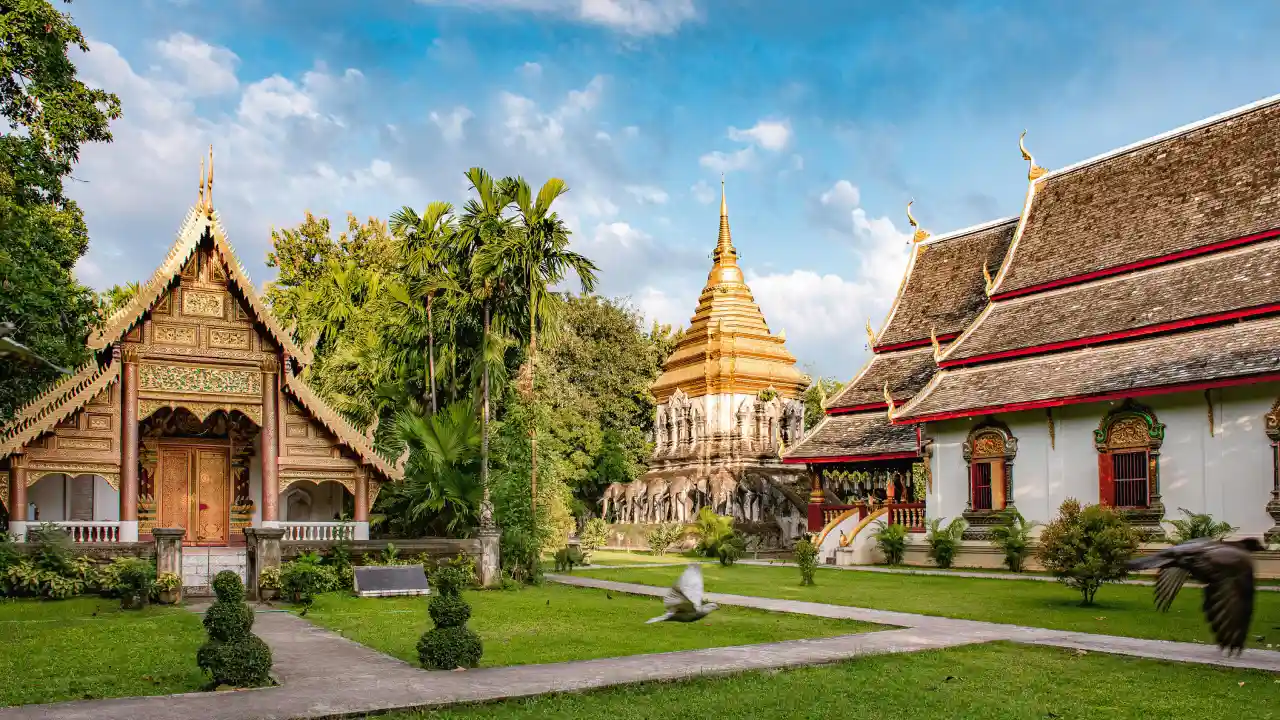
Best Time to Visit Thailand for Honeymooners
The sweet spot is November to February. Krabi and Koh Lanta offer private beach villas with calm turquoise water, and the cool evenings make dining outdoors romantic.
It is advisable to avoid April and May, due to the harsh summer heat, and instead opt for November for great weather, lower prices and the Loy Krathong festival.
Best Time to Visit Thailand for Budget Travellers from India
May, September or October are the budget-friendly months for Indian Travellers. During these months, flights from Delhi and Mumbai to Bangkok or Phuket drop by 30–40% as compared to December. You can also book hotels on the Gulf Coast (Koh Samui) and enjoy luxury at a mid-range budget.
Best Time to Visit Thailand’s Beaches & Islands
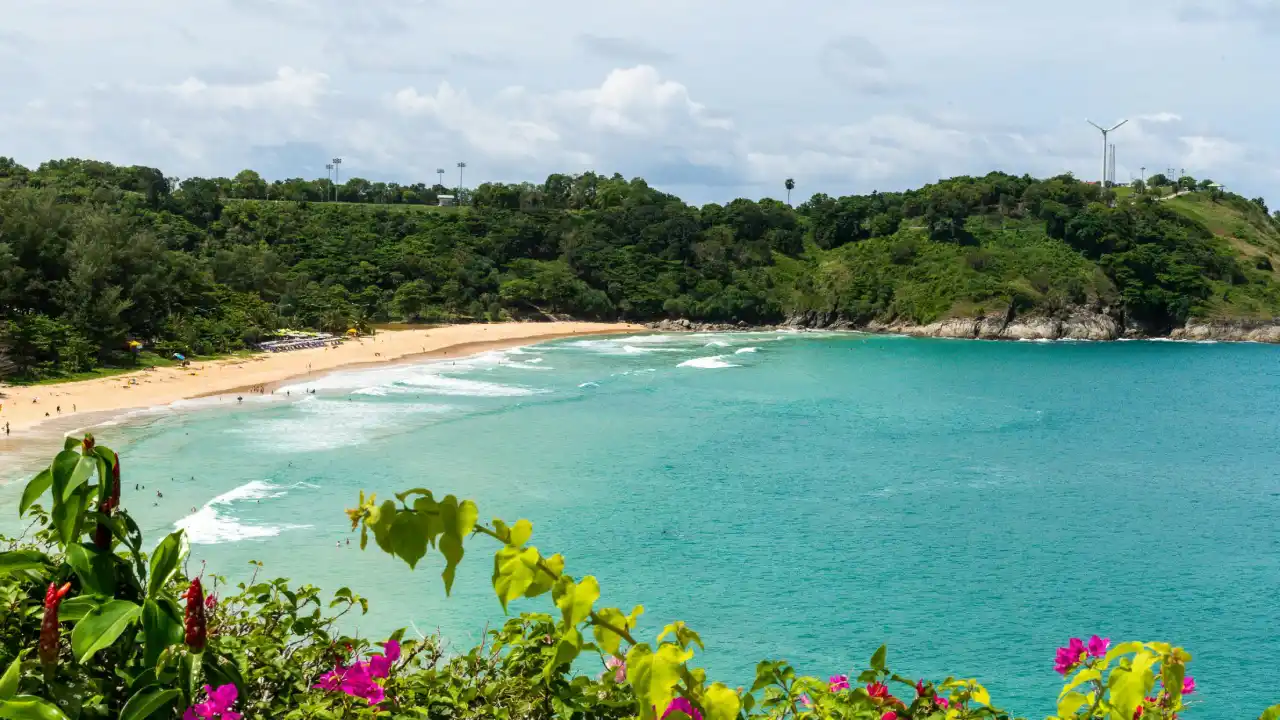
Best Time to Visit Phuket for Beaches & Island Tours
The best time to visit Phuket is November to March, with December and January offering the most consistent weather. Between December and March, the Similan Islands experience excellent underwater visibility, making this the peak diving and snorkelling season near Phuket.
April and May still work for beach time, while by June, the southwest monsoon arrives and red flags are enforced on beaches to avoid swimming.
Best Time to Visit Krabi for Rock Climbing & Beaches
November to early March is the dry season and the ideal time to visit Krabi. Visitors can enjoy rock climbing on Railay's limestone cliffs during this period.
March and April are Krabi's hot shoulder season, with fewer crowds than in January. During this period, you can enjoy low hotel prices, and the Emerald Pool and Tiger Cave Temple are far less busy. The sea is still swimmable, with Songkran festival (April 13–15) turning Ao Nang into a water fight worth joining.
Best Time to Visit Koh Samui & the Gulf Islands
The best time to visit Koh Samui is during the dry season, which runs from January to August. This makes it excellent for India's summer travellers (May–August). The sea is warm and clear, Full Moon Party dates on Koh Phangan draw crowds from June onward, and flights from India to Bangkok + ferry to Koh Samui are straightforward.
Thailand Festival Calendar 2026: Best Festivals & Events to Experience
Festival | 2026 Date | Location | Highlights |
| Songkran (Thai New Year) | April 13–15 | Nationwide, the best in Chiang Mai and Ao Nang | World's largest water fight. |
| Loy Krathong | ~November 24–25, 2026 (subject to lunar calendar confirmation) | Bangkok, Chiang Mai, Sukhothai | Floating lanterns, the most photographed event in Thailand |
| Yi Peng Lantern Festival | ~November 24 | Chiang Mai | Sky lanterns, Chiang Mai accommodation sells out weeks in advance |
| Vegetarian Festival | ~October 3–12 | Phuket, Bangkok | Nine-day festival with processions, Phuket's most culturally intense week |
| Full Moon Party | Monthly | Koh Phangan | Party beach, best months May–August (Gulf dry season) |
| Chiang Mai Flower Festival | First weekend of February | Chiang Mai | Floral floats, Chrysanthemums, and Damask Roses in bloom |
Thailand Travel Tips for Indian Travellers in 2026
Cheapest Months to Visit Thailand from India
May, June, August and September are usually the cheapest months to visit Thailand from India. During these months, travellers can find lower airfare from major Indian cities like Delhi, Mumbai, Bengaluru, Chennai, and Hyderabad. Hotel prices in Phuket, Krabi, Pattaya, and Bangkok also drop significantly during the off-season and monsoon months.
Best Time to Book Thailand Flights & Hotels
For peak travel season (November to February), it is recommended to book Thailand flights and hotels at least 2–4 months in advance. For budget travellers, the shoulder season (March–May and October) offers better hotel deals and discounted airfare. But whether you are a luxury traveller or a budget backpacker, our Thailand Tour Package will offer you the best rates for a memorable trip.
What to Pack for Thailand by Season
Packing for Thailand depends heavily on the season and region you are visiting.
- November to February: Light cotton clothes, beachwear, sunscreen, and a light jacket for Chiang Mai evenings.
- March to May: Breathable summer clothing, sunglasses, SPF 50 sunscreen, hats, and hydration essentials.
- June to October: Waterproof footwear, umbrellas, light rain jackets, quick-dry clothing, and waterproof bags for electronics.
Final Verdict: Best Time to Visit Thailand in 2026
Thailand is a year-round destination, but the best time to visit largely depends on the kind of experience you are looking for. For pleasant weather, island hopping, sightseeing, and beach holidays, the cool and dry season from November to February is considered ideal. Travellers who prefer fewer crowds and better hotel deals may enjoy the shoulder months, while the monsoon season can still be rewarding for nature lovers and budget-conscious explorers.
Frequently Asked Questions
What is the best month to visit Thailand?
November to February is widely considered the best period. January offers peak weather but peak crowds; November is the best value month with excellent weather and the Loy Krathong festival.
Is Thailand good to visit in November?
Yes, November is one of the best months to visit Thailand, especially for Indian travellers. The rainy season ends across most of the Andaman coast, making Phuket, Krabi, and Phi Phi ideal for island hopping and beach holidays. November also hosts the famous Loy Krathong Festival and Yi Peng Lantern Festival in Chiang Mai.
Is May a good time to go to Thailand?
For the Gulf coast (Koh Samui, Koh Tao), May is excellent — dry and less crowded. For the Andaman coast, expect afternoon showers from mid-May. It's a great budget month overall.
What is the rainy season in Thailand?
June to October on the Andaman coast; October to December on the Gulf coast. Rain typically falls as short afternoon downpours rather than all-day rain, especially early in the season.
Is December or January better for Thailand?
Both are excellent for the weather. December is busier and more expensive (Christmas, New Year). January has equally good weather at slightly lower prices. For Indian travellers, January is often a better value.
What is the cheapest month to visit Thailand?
August and September, when low tourist demand pushes accommodation prices to their lowest. May and June offer a balance of affordability and reasonable weather.
Is Krabi worth visiting in the rainy season?
For September–October, it's risky — some boat trips cancel, and the sea is rough. June–August can still work with flexible planning; mornings are often clear. November–March is when Krabi is at its best.
What is the best time to visit Thailand for the beaches?
Andaman beaches (Phuket, Krabi, Phi Phi): November–April. Gulf beaches (Koh Samui, Koh Tao): January–August. There's always a sunny beach somewhere in Thailand — it just depends on which coast.