
Songkran Festival 2027: Top Events and Party Spots
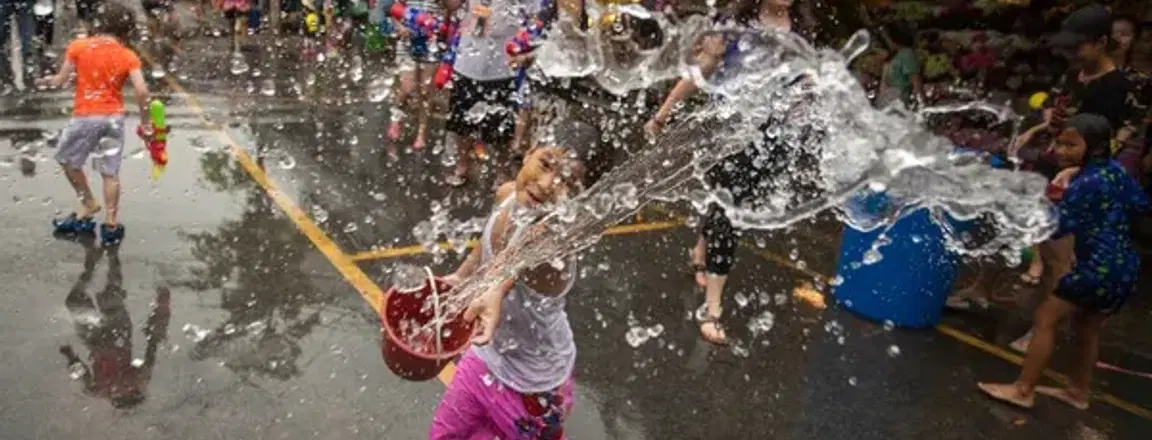
If you're wondering why you should travel to Thailand for Songkran Festivals when India celebrates a similar water festival, like Sangken in Arunachal Pradesh. Here is what you need to know. While Sangken is a beautiful Buddhist New Year celebration, Songkran turns the whole of Thailand into one grand festival. From temple rituals and cultural traditions to lively street water fights, beach celebrations, and music events across Bangkok, Chiang Mai, and Phuket, it offers an immersive experience that blends heritage with celebration, making it a memorable trip for Indian travellers.
Whether you're a solo backpacker, a couple hunting for a unique travel memory, or looking for an experience to add to your Thailand family packages, Songkran is one experience that earns its place on your bucket list. This guide breaks it all down so you can plan smart, spend right, and leave with the trip of your life.
Songkran Festival 2027 Quick Facts
- Dates: April 13–15, 2027
- Best places: Chiang Mai, Bangkok, Phuket
- Duration: 3–7 days, depending on the city
- Ideal trip: 5–6 days
- Budget: ₹35,000–₹90,000
What Is Songkran and Why Does It Matter?
Songkran marks the Thai New Year and the start of the Buddhist calendar. Traditionally, Thais pour scented water over Buddha statues and their elders' hands as a sign of respect and a wish for good fortune. It is one of the most beautiful festivals in Thailand that is celebrated annually from April 13 to 15.
At its heart, Songkran is deeply spiritual. Locals visit temples, pour water over Buddha statues, and gently sprinkle water on elders’ hands to seek blessings. These meaningful rituals reflect respect, family bonding, and cultural heritage.
Is Songkran Just a Massive Water Fight?
At first glance, it feels like the world’s biggest water fight. However, it is much more than that; water fights represent cleansing and renewal. Rituals highlight respect and gratitude. You’re not just playing—you’re participating in a centuries-old tradition.
Things To do in Songkran Festivals in Thailand
Songkran really has two personalities, the loud, soaking, street-party side and the quiet, meaningful, temple side. For Indian travellers, the best experience comes from enjoying both. While the afternoons are all about water fights and celebrations, the mornings are perfect for exploring Thailand's rich traditions and Buddhist rituals.
1. Join the street water battles
This is what most Indian travellers picture when they think of Songkran—buckets, water guns, hoses, and even pickup trucks fitted with water barrels, all turning major streets into one giant splash zone. It's most intense in the following places:
- Bangkok — Khao San Road, Silom, Siam, and RCA
- Chiang Mai — the Old City moat area, where you can scoop water straight from the moat
- Phuket — Bangla Road and Patong Beach
- Pattaya — Beach Road, where water fights continue longer than anywhere else
2. Dance it out at Songkran music festivals
Several of these same streets double as party venues during the festival. Expect live stages, powerful sound systems, foam machines, and performances by popular Thai DJs and singers. It's an unforgettable experience for Indian travellers visiting Thailand with friends or as couples. As with any large festival, keep an eye on your belongings and avoid leaving your drinks unattended.
3. Visit an elephant sanctuary for a Songkran twist
Several ethical elephant sanctuaries welcome visitors during Songkran with special celebrations that include water splashing with elephants, feeding sessions, and bathing activities. This is an excellent option for Indian families or travellers looking for a calmer alternative to the busy street celebrations. Choose sanctuaries that do not offer elephant riding, as responsible wildlife tourism is encouraged in Thailand.
4. Get blessed by monks at a temple
On the morning of Songkran, Thai families offer alms to monks and take part in blessing ceremonies. At many temples, visitors can respectfully pour water over a monk's hands to receive blessings for the year ahead. If you're an Indian traveller interested in Thai culture, mornings are the best time to visit temples before the water-gun celebrations begin.
5. Bathe Buddha images
Known locally as Song Nam Phra, this ritual involves sprinkling flower-scented water over Buddha statues using traditional silver bowls. In Bangkok and Chiang Mai, major Buddha images are paraded through the streets, allowing both locals and visitors to participate in this meaningful ceremony.
6. Build a sand pagoda
A quieter but genuinely enjoyable tradition, visitors and locals bring sand into temple grounds—symbolically replacing the sand carried away on their shoes throughout the year—and shape it into small pagodas decorated with colourful flags and flowers. Some temples even organise friendly sand pagoda-building competitions.
7. Eat, watch, and soak up the local vibe
Away from the water fights, the streets come alive with food stalls, cultural performances, traditional games, and local entertainment. Many towns also host Miss Songkran beauty pageants, making this a great way for Indian travellers to enjoy the festival at a slower pace without missing its vibrant atmosphere.
Practical Water-Fight Etiquette
- Don't aim for the face or eyes—no exceptions.
- Never use ice water or dirty water; Songkran is meant to be a blessing, not an assault.
- Avoid splashing monks, elderly people, babies, motorcyclists, and anyone clearly on their way to work.
- Since 2017, dancing or playing music on the back of moving pickup trucks is illegal in Thailand. Current rules also limit truck-bed passengers to six people, restrict them to the left lane, and cap speeds at 60 km/h.
- Protect your phone, wallet, passport, and other valuables in a waterproof pouch before leaving your hotel.
Traditions and Rituals During Thailand's Songkran Festival
Songkran runs on Buddhist and family values as much as it runs on water. Understanding these rituals helps Indian travellers experience Thailand's New Year beyond the famous water fights.
Rod Nam Dam Hua — Blessing the Elders
Younger family members pour scented water over the hands of parents and grandparents to ask for forgiveness and seek blessings for the year ahead. This isn't just a side event—13 April is officially Thailand's Family Day, while 14 April is recognised as Elderly Day, making this ritual the emotional heart of the festival.
Song Nam Phra — Bathing the Buddha
Buddhists sprinkle flower-scented water over Buddha statues using silver bowls as an act of merit-making for the New Year. You'll witness this ceremony at temples as well as during Buddha processions through city streets.
Chedi Sai — Sand Pagoda Building
Bringing sand back to temple grounds and shaping it into pagodas symbolises returning what was unknowingly carried away on shoes during the year. The sand is later used for temple construction and repairs, giving the ritual both symbolic and practical importance.
Almsgiving at Temples
On Songkran morning, Thai families offer food to monks as an act of merit. Since this takes place before the water fights begin, temples remain peaceful and reflective even in cities known for their lively afternoon celebrations.
Cleansing and Renewal Symbolism
Every splash of water—whether gently poured over a Buddha statue or thrown during a street water fight—represents washing away the previous year's bad luck and welcoming a fresh beginning. This shared meaning connects the religious rituals and festive celebrations.
Floral Shirts — The Unofficial Uniform
There is no official dress code for Songkran, but colourful floral shirts have become closely associated with the festival across Thailand. Wearing one is an easy way for Indian travellers to join in the celebrations and feel part of the festive atmosphere rather than simply watching from the sidelines.
Best Places to Celebrate Songkran Festival in Thailand 2027
1. Chiang Mai — The Ultimate Songkran Experience
Chiang Mai is one of the best places to visit in Thailand for witnessing the best Songkran for 5–6 straight days. You fill your bucket from the moat, splash strangers, and get soaked in return. It's pure, unfiltered chaos with a big cultural heart underneath. You can also enjoy traditional sand pagoda building, Buddha image processions and elder blessings happen alongside the water battles.
2. Bangkok — The High-Energy Songkran Party Capital
If you didn’t add Songkran Fest to your Bangkok tour packages, you are missing something great. It offers structured festival zones at CentralWorld and Siam Square that are family-friendly and controlled, alongside the wild scenes at Silom. Additionally, this experience is worthwhile if you are visiting with family or you’re a first-time visitor.
3. Phuket — Songkran on the Beach
Phuket is one of the best places in Thailand to experience Songkran. It perfectly blends the excitement of Thailand’s New Year water fights with the beauty of tropical beaches. Patong Beach and Bangla Road come alive with high-energy celebrations, featuring foam parties, live DJs, and vibrant beachfront water zones. This makes Phuket appealing for couples and groups who want to enjoy the thrill of Songkran while also relaxing on stunning Phuket beaches.
4. Pattaya — The Longest Songkran in Thailand
Visiting Thailand after 13-15 April and looking for places to celebrate Songkran? You must add Pattaya to your 7-day Thailand itinerary. Pattaya stands out for its extended Songkran celebrations, running until April 19–20 with the unique Wan Lai Festival. Beach Road transforms into a massive water battle zone.
5. Ayutthaya — Songkran With a Cultural Twist
If you want to experience an authentic Songkran, Ayutthaya is the place for you. This UNESCO World Heritage Site hosts smaller, slower, and more traditional temple ceremonies, cultural parades, and water offerings at historic ruins. Celebrating Songkran beside 700-year-old temples that are lit up at night is something you simply cannot do anywhere else.
Songkran Festival 2027 Travel Cost Breakdown
Planning your Songkran Thailand 2027 travel guide starts with understanding the real budget. The cost of a Songkran trip can vary depending on travel style, city, and booking time.
Estimated Cost from India (Per Person)
Category | Budget | Mid-Range | Premium |
| Flights (Return) | ₹18,000 – ₹28,000 | ₹28,000 – ₹40,000 | ₹45,000+ |
| Stay (per night) | ₹1,200 – ₹3,000 | ₹4,000 – ₹8,000 | ₹10,000+ |
| Food & Local Travel | ₹800 – ₹2,000/day | ₹2,500/day | ₹4,000/day |
| Activities & Passes | ₹2,000 – ₹5,000 | ₹5,000 – ₹10,000 | ₹15,000+ |
Total Estimated Cost (5 Days): ₹35,000 – ₹90,000
Pro Tip: Prices spike 20–40% during April. Booking early through curated Thailand tour packages helps lock in better rates and saves last-minute stress.
Where to Stay During Songkran (Area-Wise Guide)
Choosing the right location can make or break your experience.
Bangkok
- Silom Road – Best for high-energy water battles
- Siam / Pratunam – Safer, family-friendly zones
Chiang Mai
- Old City (Moat Area) – Epicenter of celebrations
- Nimmanhaemin – Trendy, less chaotic
Phuket
- Patong Beach – Party + Songkran vibes
- Kata/Karon – Relaxed, scenic stays
Pattaya
- Beach Road – Central festival stretch
What to Pack for Songkran Festival in Thailand
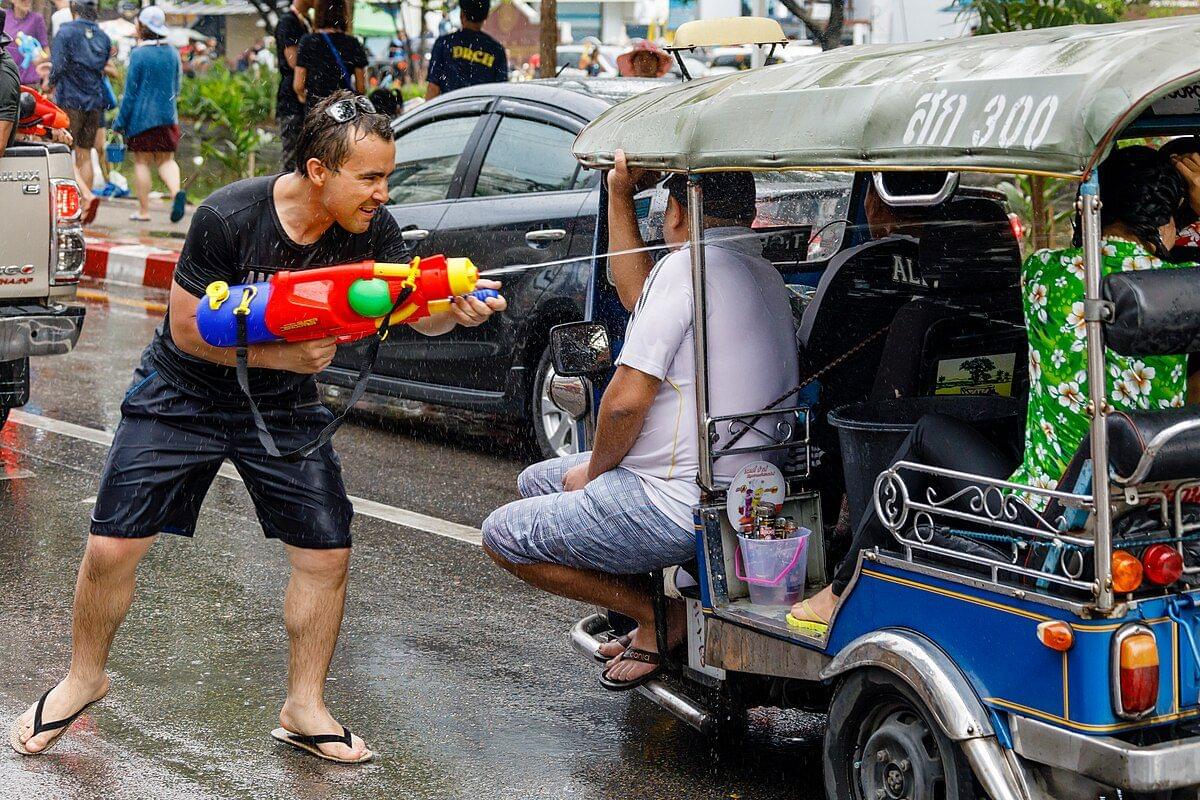
- Waterproof phone pouch – Protect your phone from constant splashes
- Waterproof bag – Keep valuables safe and dry
- Light, quick-dry clothes – Stay comfortable throughout the day
- Sunglasses or goggles – Protect your eyes during water fights
- Water gun – Join the fun like a local
- Flip-flops or waterproof footwear – Easy to walk and dry quickly
What No One Tells You About Songkran
- Water is not always clean—avoid opening your mouth
- Ice water is common
- Phones get damaged easily without proper waterproofing
- Streets get extremely slippery
- You’ll be wet ALL day—there’s no “dry escape”
Conclusion: Why attend Songkran in Thailand?
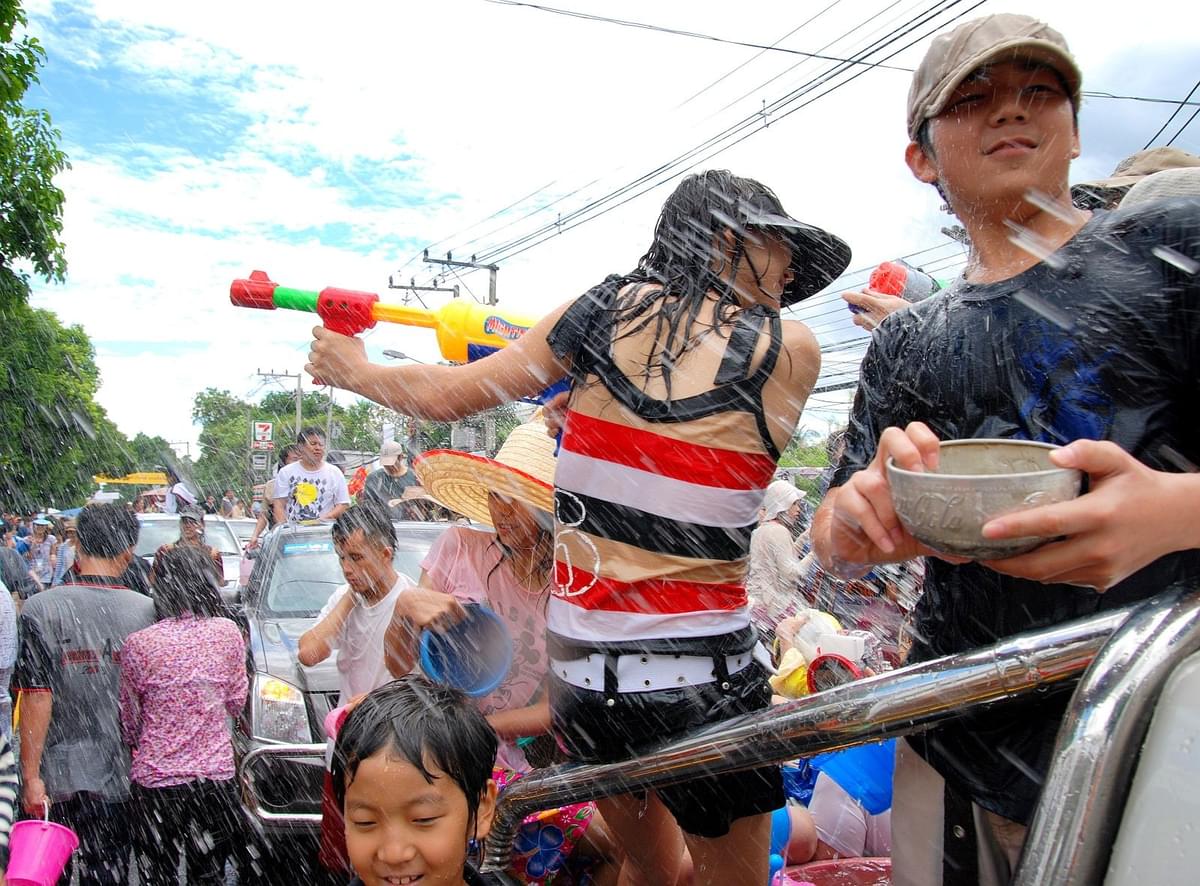
Songkran festivals in Thailand are a unique blend of culture, tradition, and celebration. Marking the Thai New Year, it combines temple rituals, water blessings, and lively street festivals across cities like Bangkok and Chiang Mai. Beyond the fun water fights, it symbolises renewal, positivity, and fresh beginnings. The welcoming atmosphere brings locals and travellers together, making it one of the most memorable times to visit. If you're planning your Songkran Thailand 2027 travel guide, now is the time to act.
Frequently Asked Questions
Q1. When is Songkran 2027, and how long does it last?
Songkran 2027 officially runs from April 13 to 15. However, cities like Chiang Mai extend it to 5–6 days, and Pattaya runs celebrations until April 19–20 with the Wan Lai Festival. Plan to arrive a day before April 13 to settle in.
Q2. Is Songkran safe for solo female travellers?
Yes, Songkran is generally safe and open to all. Stick to crowded public zones, avoid isolated areas, and use a waterproof bag for your belongings. The festival atmosphere is inclusive and joyful — harassment is rare in the main celebration zones.
Q3. What should I pack for the Songkran festival in Thailand?
Pack light, quick-dry clothes, waterproof sandals, a waterproof phone case or pouch, sunscreen, a small backpack, and cash. Avoid bringing anything you can't afford to get soaked. Leave valuables at your hotel.
Q4. Which is better for Songkran — Bangkok or Chiang Mai?
Chiang Mai wins for first-timers and those who want a balance of culture and celebration. Bangkok wins for variety, scale, and accessibility. If you can only pick one, Chiang Mai is the more iconic Songkran experience.
Q5. Can tourists participate in Songkran?
Absolutely. Foreigners are welcome and expected to join in. Buy a water gun, fill a bucket, and get involved. Just follow basic etiquette — don't spray monks, children, the elderly, or people who are clearly not participating.