
Best Vineyards in France: Top Wine Regions & Places to Visit
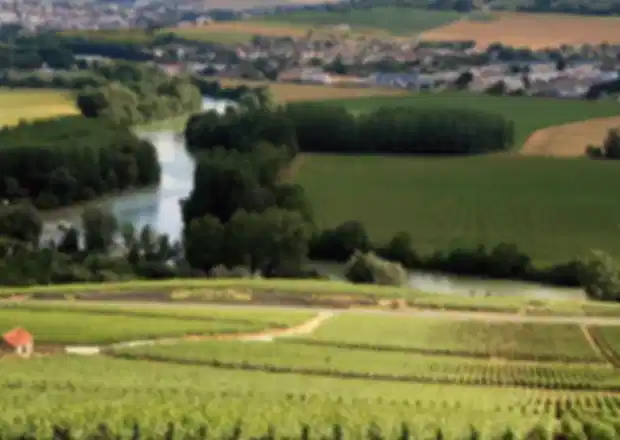
Not every French wine experience starts inside a grand château. Sometimes, it starts on a quiet country road, with rows of vines stretching across the hills and a small winery waiting at the end. That is what makes exploring the best vineyards in France so memorable. From Champagne and Bordeaux to Burgundy, Provence, the Loire Valley, and Alsace, every region offers a different mix of wine, scenery, food, and local character. Whether you love wine or simply want a beautiful day beyond busy cities in France, you’ll know where to start. It’s also an easy experience to add to France tour packages. This guide covers where to go, what each wine region is known for, the vineyards worth visiting, the best time to travel, typical tasting costs, and useful booking tips.
Best Vineyards in France at a Glance
| Vineyard / Estate | Region | Best For |
| Moët & Chandon | Champagne | First-time visitors |
| Château Margaux | Bordeaux | Luxury wine experiences |
| Clos de Vougeot | Burgundy | Wine history |
| Domaine Huet | Loire Valley | Wine and countryside |
| Domaine Ott | Provence | Scenic vineyard visits |
| Château Smith Haut Lafitte | Bordeaux | Premium experiences |
Most Famous Wine Estates in France
Some French wine names are famous far beyond the country. These estates attract collectors, wine enthusiasts, and curious travellers who want to see where some of the world’s most celebrated wines come from.
Bordeaux is the hidden gem in France for grand wine châteaux. Its wine tourism also goes beyond tasting. Many estates let visitors see the vineyards, cellars, and winemaking process before finishing with a tasting.
Iconic Estates to Know
- Château Margaux, Bordeaux: One of the historic First Growth estates and one of Bordeaux’s most recognisable names.
- Château Latour, Bordeaux: Famous for powerful red wines with strong ageing potential.
- Château Mouton Rothschild, Bordeaux: Known for its prestigious wines and distinctive artist-designed labels.
- Clos de Vougeot, Burgundy: A historic walled vineyard closely linked to Burgundy’s wine heritage.
- Domaine de la Romanée-Conti, Burgundy: One of Burgundy’s most prestigious and sought-after wine producers.
Best for: Serious wine lovers, history buffs, and travellers who want to visit famous French estates.
Booking tip: Do not leave these visits until the last minute. Some prestigious estates have limited visitor access or require advance appointments. Check the individual estate’s current visitor policy before planning your route.
Best Vineyards in France by Region
France has several wine regions, and each offers a different vineyard experience. From Champagne cellars to sunny Provence estates, here are some of the best regions to explore.
- Best Vineyards in Champagne, France
If you want to see the classic side of French wine, start with Champagne. Reims and Épernay are the two main cities in France to explore, with famous houses, historic cellars, and vineyards stretching across the surrounding countryside. Épernay’s Avenue de Champagne is lined with major Champagne houses, while Reims is known for its impressive chalk cellars.
Vineyards to Explore
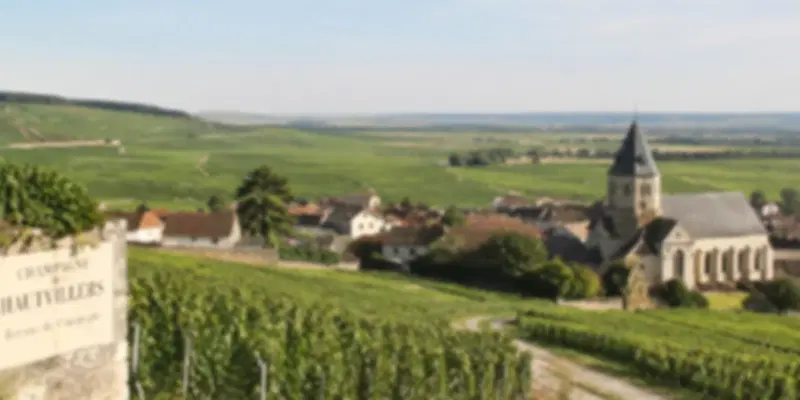
- Hautvillers, Aÿ and Mareuil-sur-Aÿ: Walk through the famous Champagne hillsides and visit smaller growers. These villages are part of the UNESCO-listed Champagne wine landscape.
- Montagne de Reims: A great place to meet independent growers and enjoy smaller, more personal tastings. Many visits are by appointment.
- Côte des Blancs: Known for Chardonnay grapes and crisp Blanc de Blancs Champagne. It is a good pick if you want to learn more about the grape and meet specialist producers.
Best for: First-time visitors, Champagne lovers, and travellers who want a mix of wine and history.
Where to stay: Reims is convenient for exploring several major houses, while Épernay works well if you want to stay close to the Avenue de Champagne.
Tip: Book your cellar tour before you arrive. Popular houses can have limited slots, and some now focus on smaller, more personalised visits.
- Best Vineyards in Provence, France
Provence feels completely different from Champagne. Think sunny vineyard roads, Mediterranean landscapes, outdoor tastings, and plenty of rosé. The region is one of France’s main rosé-producing areas, with vineyards spread across areas including Côtes de Provence, Coteaux d’Aix-en-Provence, and Coteaux Varois en Provence.
Vineyards to Explore
- Château d’Esclans: A popular stop for travellers interested in premium Provence rosé.
- Domaine Ott: A long-established name known for its Provençal wines and beautiful estate settings.
- Château La Coste: A good choice if you want wine with something extra. The estate combines vineyards, tastings, and contemporary art.
- Commanderie de la Bargemone: A historic estate near Aix-en-Provence with a more traditional vineyard experience.
Best for: Rosé lovers, couples, scenic drives, and travellers who prefer relaxed tastings over formal cellar tours.
Best base: Aix-en-Provence is a convenient starting point for exploring nearby vineyards. Local wine tours in France from the city visit two estates in the Côtes de Provence Sainte-Victoire area, making the region easy to explore without planning everything yourself.
Tip: Leave some time for the countryside in France. A vineyard visit feels much more enjoyable when you are not rushing from one tasting to another.
- Best Vineyards in Loire Valley, France
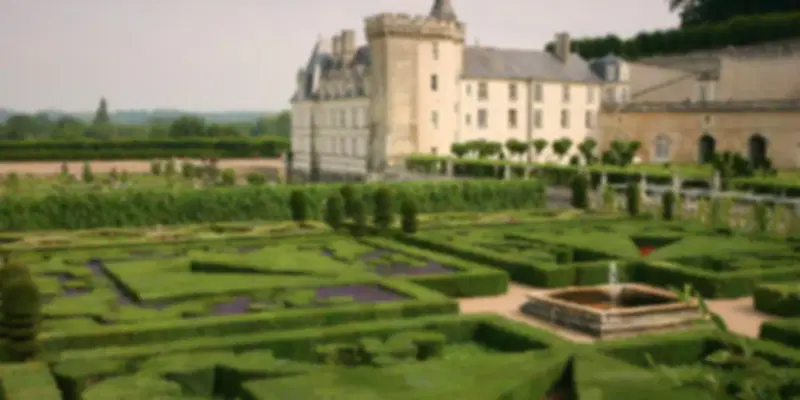
The Loire Valley is a dream for wine lovers, with vineyards spread along the river and across rolling countryside. From crisp Chenin Blanc to elegant Cabernet Franc, each area has its own style.
Vineyards to Explore
- La Coulée de Serrant: A small, historic vineyard in Savennières, known for its Chenin Blanc and steep Loire-facing slopes.
- Vouvray Vineyards: Famous for Chenin Blanc, with wines ranging from dry and sparkling to sweet.
- Sancerre Vineyards: A great pick for Sauvignon Blanc, with vineyards spread across the hills around Sancerre.
- Saumur-Champigny Vineyards: Known for Cabernet Franc and limestone soils, with vineyards spread across nine villages.
- Bourgueil Vineyards: A classic Loire wine area known for Cabernet Franc and its relaxed countryside setting.
Best for: Wine lovers who want variety, scenic countryside, and relaxed vineyard visits.
Best base: Tours, Amboise, Saumur, or Sancerre are good bases, depending on which wine areas you want to explore.
Tip: Don’t try to cover the entire Loire Valley in one day. Pick one wine area, visit a few vineyards, and leave time for the villages and châteaux nearby.
Best French Vineyards for Day Trips
Not every traveller has time for a full wine region detour, and that is where day trips help. Several vineyards sit close enough to major cities that you can visit them without restructuring your entire France wine tour itinerary.
| Starting City | Nearby Vineyard Region | Approx. Travel Time |
| Paris | Champagne (Reims) | 45 minutes by train |
| Paris | Loire Valley | 1 hour to Tours by train |
| Lyon | Beaujolais | 30–45 minutes by car |
| Nice | Provence | 1 hour to Aix-en-Provence |
| Bordeaux City | Médoc vineyards | 30–45 minutes by car |
If you are based in Paris for most of your trip, a single day trip to Champagne or the Loire Valley is often the easiest way to add a vineyard experience without moving hotels. Lyon, often called the gastronomic capital of France, also sits within easy reach of the Beaujolais wine region if food and wine are the focus of your trip.
Best Vineyards in France for First-Time Visitors
If your time is limited, these are the vineyards worth prioritising. Exploring them is not just about tasting French wine; it is one of the best things to do in France if you want to experience the country’s countryside, food, culture, and wine traditions in one trip.
- Moët & Chandon, Epernay, for the classic Champagne cellar experience.
- Chateau Smith Haut Lafitte, Bordeaux, for its spa built around grape-based treatments alongside a working vineyard.
- Domaine Ott, Provence, for a relaxed rosé tasting with countryside views.
- Clos de Vougeot, Burgundy, for the history lesson wrapped inside a wine tasting.
- Domaine Huet, Loire Valley, for organic Chenin Blanc paired with castle views nearby.
These five cover sparkling wine, structured reds, easy-going rosé, centuries-old tradition, and countryside charm, giving you a fair sense of what French wine country has to offer without visiting every region.
Best Time to Visit French Vineyards
Timing changes what you actually see and taste on a vineyard visit, so it is worth planning around the season rather than just picking convenient travel dates.
| Season | What You See | Good For |
| Spring (April–June) | Fresh green vines, mild weather | Quiet visits and fewer crowds |
| Summer (July–August) | Full sun and lively estates | Rosé tastings and outdoor lunches |
| Harvest (September–October) | Grape picking and active cellars | The most authentic experience |
| Winter (November–March) | Bare vines and an indoor cellar focus | Champagne cellar tours and fewer queues |
France in September and early October are widely considered the best months, since this is harvest season and many estates open their cellars for a closer look at the winemaking process. If your trip falls during peak European summer, plan vineyard visits for the morning or late afternoon, since outdoor tastings in July and August can get uncomfortably warm.
How Much Does a Vineyard Tour in France Cost?
A vineyard visit in France can be as simple as a short tasting or as detailed as a full-day tour with food and a private guide. Prices vary by region, estate, and the type of experience you choose. The table below gives you a rough idea of what to budget.
| Experience | Price Range (EUR) | Price Range (INR) |
| Standard tasting, 3–4 wines | €10–€20 | ~₹930–₹1,860 |
| Champagne house tour with tasting | €25–€75 | ~₹2,300–₹6,900 |
| Bordeaux château tour with lunch | €50–€120 | ~₹4,600–₹11,100 |
| Private guided full-day vineyard trip | €150–€300 | ~₹13,900–₹27,800 |
| Michelin-paired vineyard dining experience | €200 onwards | ~₹18,500 onwards |
These figures are approximate and can shift with the euro exchange rate, so it is worth checking current rates closer to your travel dates.
How to Plan a Vineyard Trip to France from India
Getting to French wine country starts with getting to France itself, and this is where a bit of planning early on saves you both time and money.
Most Indian travellers fly into Paris, and connecting flights or high-speed trains take you onwards to the wine regions. If you are still figuring out flight routes and layovers, this guide on the India to Europe flight breaks down journey times and booking tips in detail.
You will also need a Schengen visa to enter France, which covers travel across most of the European Union.
Tips for Planning Your France Wine Itinerary
- Base yourself in one or two cities and take day trips to nearby vineyards, rather than moving hotels every night.
- Combine wine country with a broader trip through Central Europe if you have more than two weeks.
- Book Champagne house tours and Bordeaux First Growth visits at least a few weeks in advance.
- Carry a light jacket even in summer, since underground cellars stay noticeably cool.
- If shopping is part of your plan, Paris makes a good final stop, and our Paris shopping guide covers where to go before you fly back
Pairing a vineyard trip with time in Paris or a French Riviera stop through Nice also helps balance out a trip that could otherwise feel like it is all countryside.
Tips for Visiting Vineyards in France for the First Time
- Book ahead: Popular estates can fill up quickly, especially in summer and on weekends. Some smaller producers also recommend calling before you arrive.
- Eat before your tasting: Have a proper meal or snack first, especially if you plan to visit more than one winery.
- Ask questions: Your guide or winemaker can tell you more about the local grapes, vineyards, and winemaking style. It makes the tasting more interesting.
- Wear comfortable shoes: Vineyard visits can include walking through the vines, cellars, or nearby wine routes.
- Carry some cash: Smaller family-run wineries may have different payment options, so keeping some cash with you is a sensible backup.
- Plan your transport: If you are visiting several estates, book a guided tour or arrange a driver. It lets you enjoy the tastings without worrying about driving afterwards.
Conclusion: Choosing the Best Vineyards in France for Your Trip
French wine country is about more than what ends up in your glass. It is about the vineyards, villages, food, and stories behind every bottle. The best vineyards in France depend on the experience you want, from Champagne’s historic cellars to Bordeaux’s grand estates and Provence’s sunny vineyards. You do not need to visit them all. Pick a region that suits your trip, book your visits early, and make time to enjoy the journey between the vines.
FAQs
1. Which place in France is known for its vineyards?
Bordeaux, Burgundy, Champagne, and Provence are among the country’s best-known wine areas. Your choice depends on whether you want red wine, Champagne, rosé, or scenic vineyard routes.
2. Which is the best wine region in France for a first visit?
The best wine region in France for a first visit depends on your interests. Champagne is easy for cellar tours, Bordeaux suits red-wine lovers, while Provence is ideal for relaxed tastings and countryside views.
3. What is the most famous vineyard in France?
The most famous vineyard in France depends on how you define fame. Bordeaux’s grand estates and Burgundy’s prestigious vineyards are among the country’s biggest names, while Champagne is famous worldwide for its sparkling wine.
4. Which city in France is famous for wine?
Bordeaux is one of the most famous wine cities in France, with major wine estates and routes nearby. Reims and Épernay are better choices if your trip is focused on Champagne and cellar visits.
5. Are vineyards in Provence, France worth visiting?
Vineyards in Provence, France are worth visiting if you enjoy rosé, sunny landscapes, and slower-paced tastings. The region also works well for combining wine with villages, food, and the wider south of France.
6. Can you visit French vineyards without a car?
You can visit French vineyards without a car, especially around Champagne. Reims and Épernay are connected, and the Champagne wine trails include producers, cellars, and villages that can be explored through organised tours or local transport.
7. What are the best vineyards in France to visit for wine tasting?
The best vineyards in France for wine tasting depend on the wine you want to try. Choose Champagne for sparkling wine, Bordeaux for reds, Burgundy for Pinot Noir and Chardonnay, or Provence for rosé.
8. How long should you spend visiting French vineyards?
You should spend at least one full day visiting French vineyards if you want more than a quick tasting. A two- or three-day stay gives you time for several estates, local food, villages, and the surrounding wine route.
9. Do you need to book vineyard visits in France?
You should book vineyard visits in France in advance, particularly for famous estates and Champagne houses. Smaller producers may have different arrangements, so checking their visitor policy before travelling is always a good idea.
10. What are the must-try vineyards in France for first-time visitors?
The must-try vineyards in France for first-time visitors include Champagne houses around Reims and Épernay, Bordeaux estates, Burgundy vineyards, and Provence wineries. Pick one region rather than trying to cover the whole country in one trip.

Recommended articles for you









Discover Packages

















Europe City Packages
Packages By Departure City
Packages By Theme
Packages By Duration
Europe Combo Packages
Europe Nearby Destinations

Need help in planning?
Talk to our Travel Experts