
Wine Tours in France: Guide to Bordeaux, Burgundy & Champagne Regions
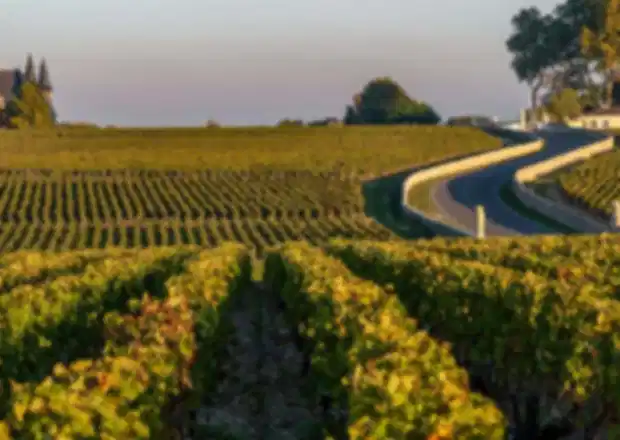
Planning wine tours in France requires strategic timing and regional knowledge. This comprehensive guide covers Bordeaux wine tours, Burgundy wine tasting, and Champagne cellar tours with actionable itineraries. Whether you’re seeking private wine tours in France or group experiences, we’ll help you navigate French vineyard tours from booking Grand Cru tastings to understanding regional differences. Learn the best time to visit the Bordeaux wine region, how to access small producers, and compare group wine tours vs private France options. Discover proven strategies for visiting multiple French wine regions efficiently while maximising authentic experiences.
Best Time to Visit French Wine Regions for Wine Tours
Shoulder seasons (April-June, September-October)
Offer optimal conditions for wine tours in France:
- Fewer crowds at premium châteaux
- Easier booking availability
- Pleasant vineyard weather
- Lower accommodation costs
Harvest season (late August-October)
Provides hands-on experiences but requires 8-12 weeks advance booking for private Champagne house tours, Reims and Grand Cru tours.
Winter (November-March)
Suit serious collectors seeking cellar-focused visits with reduced tourist traffic.
How to Plan Wine Tours in Burgundy, Bordeaux & Champagne
Booking Timeline Strategy
| Tour Type | Advance Booking Required | Best For |
| Group vineyard tours | 2-4 weeks | Budget travelers, broad sampling |
| Private château visits | 6-8 weeks | Customized experiences |
| Grand Cru tastings | 8-12 weeks | Exclusive access, verticals |
| Small grower producers | 4-6 weeks | Intimate, educational visits |
Transportation Tips for Wine Tours in France
TGV rail connections:
- Paris to Bordeaux: ~2 hours
- Paris to Reims: ~45 minutes
- Paris to Beaune (Burgundy): ~2.5 hours
Essential tip: Rent cars for countryside vineyard access. TGV serves cities; private transfers reach estates.
Bordeaux Wine Tours Guide: Left Bank vs Right Bank Explained
Understanding Bordeaux Appellations
- Médoc (Left Bank): Cabernet Sauvignon-dominant, structured wines from Pauillac and Margaux appellations. Ideal for visiting Grand Cru châteaux.
- Saint-Émilion & Pomerol (Right Bank): Merlot-driven, approachable wines. Easier access for walk-in tastings.
- Entre-Deux-Mers: Budget-friendly white Bordeaux from family producers.
- Securing Château Access
- Classified Growth estates require advance appointments through specialists or direct contact. Booking Grand Cru tastings in Burgundy follows similar protocols.
Pro strategy: Combine one prestigious château visit with two family estates for cost-effective comparison learning.
Burgundy Wine Tasting Guide: Côte d’Or & Small Producers
Key Burgundy Wine Regions: Côte de Nuits & Côte de Beaune
- Côte de Nuits: Pinot Noir showcase featuring Gevrey-Chambertin and Vosne-Romanée. Plan full-day visits.
- Côte de Beaune: Both Chardonnay (Meursault, Puligny-Montrachet) and Pinot Noir (Corton). Base yourself in Beaune for logistics.
How to Access Small Wine Producers in Burgundy
- Keep groups under 6 people
- Never arrive unannounced
- Book through négociants for rare allocations
- Request a village, Premier Cru, and Grand Cru comparison
Champagne Cellar Tours: Grandes Maisons vs Grower Champagne
Champagne Tours in Reims & Épernay: What to Expect
- Large houses (Moët & Chandon, Veuve Clicquot): Cathedral-like cellars, historical context, consistent quality. Book 3-4 weeks ahead.
- Grower Champagne producers: Single-vineyard expressions, direct family interaction, technical insights. Require 2-3 weeks’ notice.
- Optimal approach: Visit one maison for scale understanding, then two growers for terroir education.
Practical Champagne Touring Tips
- Chalk cellars stay 10-12°C; bring layers
- Ask about disgorgement dates and ageing
- Morning slots preserve palate freshness
Hidden Wine Regions in France Worth Adding to Your Itinerary
Loire Valley Wine Tours
- Sancerre: Crisp Sauvignon Blanc from hilltop vineyards. Easy day trip from Paris (2.5 hours).
- Vouvray: Chenin Blanc specialists. Combine with château sightseeing.
Alsace Wine Route
Colmar to Riquewihr: Exceptional Riesling and Gewürztraminer. Scenic Route des Vins is ideal for a 2-3 day exploration.
Alternative Regions
- Jura: Oxidative whites and Vin Jaune
- Cahors: Original Malbec territory
- Savoie: Alpine varieties
Cost of Wine Tours in France: Complete Budget Breakdown
| Experience Level | Daily Budget (per person) | Includes |
| Budget-Conscious | €120-200 | Group tours, 2-3 tastings, regional transport |
| Mid-Range | €200-400 | Mixed private/group, meals, 4-5 estates |
| Luxury | €400-800+ | Private guide, Grand Cru access, driver, premium dining |
Additional costs:
- Wine shipping: €50-150 per case
- Schengen visa processing: €80 + service fees
- TGV between regions: €30-90 per leg
Bottom Line: Planning Your French Vineyard Tour
Wine tours in France are unforgettable when planned with the right balance of regions, timing, and experiences. From Bordeaux châteaux to Burgundy domaines and Champagne cellars, thoughtful planning makes all the difference. For a seamless journey, book France tour packages from PickYourTrail to enjoy curated wine experiences, expert guidance, and stress-free travel across France’s finest vineyards.
FAQ’S
Q: What’s the best wine region in France for beginners?
A: Bordeaux offers structured experiences with clear quality hierarchies. Châteaux provide guided tastings explaining terroir concepts. Alternatively, the Loire Valley’s Sancerre delivers approachable whites with less intimidation factor.
Q: Do I need to book wine tours in advance or can I walk in?
A: Booking Grand Cru tastings requires 6-12 weeks’ notice. Family estates need 2-4 weeks. Only tourist-focused tasting rooms accept walk-ins, offering limited selections.
Q: How much wine can I legally bring home from France?
A: EU travellers: 90L personal allowance. USA: 1L duty-free; additional bottles incur taxes. Canada: 1.5L duty-free. Always declare at customs; estate shipping avoids complications.
Q: Are English-speaking wine tours in France widely available?
A: Major regions (Bordeaux, Burgundy, Champagne) offer English guides. Small producers may require French proficiency or a translator. Private tours guarantee English-speaking experts.
Q: When is the best time to visit the Bordeaux wine region?
A: May-June and September-October balance weather, availability, and vine activity. Avoid August heat and crowds. Harvest (September-October) offers unique experiences but requires the earliest booking.

Recommended articles for you






Discover Packages


Europe City Packages
Packages By Departure City
Packages By Theme
Packages By Duration
Europe Combo Packages
Europe Nearby Destinations

Need help in planning?
Talk to our Travel Experts