
Italian Street Food: 15 Must-Try Dishes & Prices
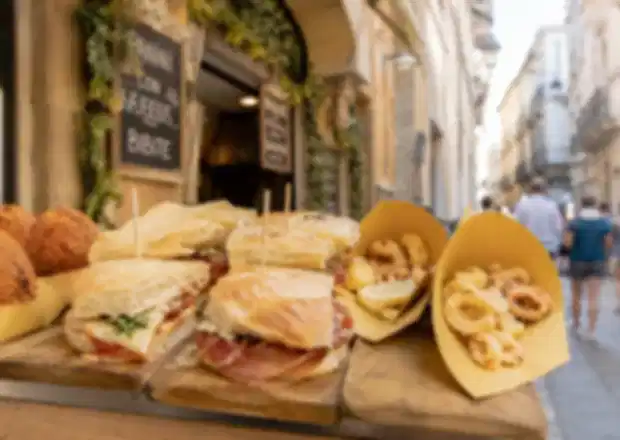
What if your best meal in Italy costs less than a coffee and takes five minutes to eat? That is the charm of Italian street food. From crispy arancini in Sicily to folded pizza in Naples, Italy’s streets are packed with regional dishes that are quick, affordable, and full of flavour. Unlike restaurant menus that can look similar from city to city, street food changes dramatically by region. This means what you eat in Rome may be completely different from what you find in Palermo or Bologna. This guide covers the must-try street foods across Italy, where they come from, what they taste like, typical prices, and even easy recipes to try at home. If you are planning Italy tour package, this guide will help you eat smarter along the way.
Italian Street Food at a Glance
| What to Know | Quick Answer |
| Best street food cities | Naples, Rome, Palermo, Venice and Bologna |
| Must-try dishes | Piadina, pizza a portafoglio, arancini, supplì and cicchetti |
| Typical price | €1.50–€10 (₹135–₹900), depending on the dish |
| Best for vegetarians | Panelle, vegetable piadina, Margherita pizza and vegetable cicchetti |
| Best region for street food | Sicily, Campania, Lazio and Emilia-Romagna |
| Best quick meal | Piadina, panino or pizza a portafoglio |
| Best sweet street food | Sfogliatella and Nutella-filled piadina |
| Best food experience | A cicchetti crawl through Venice’s bacari |
| Average street food meal | Around €6–€15 (₹540–₹1,350) |
| Best way to eat | Try local specialities in busy markets and small food stalls |
What Is Italian Street Food?
Italian street food is simple food made for eating on the go. You will find it at small stalls, bakeries, market counters, food windows, and takeaway shops. The choices range from fried snacks and pizza to sandwiches and pastries.
What makes it interesting is how much it changes from one region to another:
- Sicily: Arancini, panelle, and other fried bites
- Naples: Folded pizza, pizza fritta, and fried snacks
- Emilia Romagna: Piadina filled with cheese, meats, or vegetables
- Rome: Supplì, panini, and other quick bites
- Venice: Cicchetti served at small local bars called bacari
These dishes are more than quick snacks. Many come from old local recipes and reflect what people in each region have eaten for generations.
Italian Street Food by Region: What to Try Where
Rather than listing random dishes, it helps to know where each one actually belongs. Italians take this seriously, and knowing the origin makes you sound less like a tourist and more like someone who has done their homework.
| Region | Signature Street Food | What It Is |
| Sicily | Arancini | Fried rice balls filled with ragù, mozzarella, or pistachio |
| Rome | Supplì | Oval fried risotto balls with a mozzarella centre |
| Naples | Pizza a portafoglio | Folded pizza slice eaten while walking |
| Emilia-Romagna | Piadina | Thin flatbread filled with meats, cheese, and greens |
| Puglia | Panzerotti | Deep-fried dough pocket stuffed with tomato and cheese |
| Florence | Lampredotto | Slow-cooked tripe sandwich, a Florentine classic |
| Venice | Cicchetti | Small bites served at bacari, Venice’s traditional bars |
15 Best Italian Street Food Dishes to Try
Not sure what to order when you reach a street food counter in Italy? The choices can change completely from one region to another. Naples is all about fried bites and folded pizza, while Rome has its own rice snacks and stuffed bread. Sicily brings crispy rice balls and chickpea fritters, while Venice takes a slower approach with small bites at local bars.
1. Piadina — Emilia Romagna
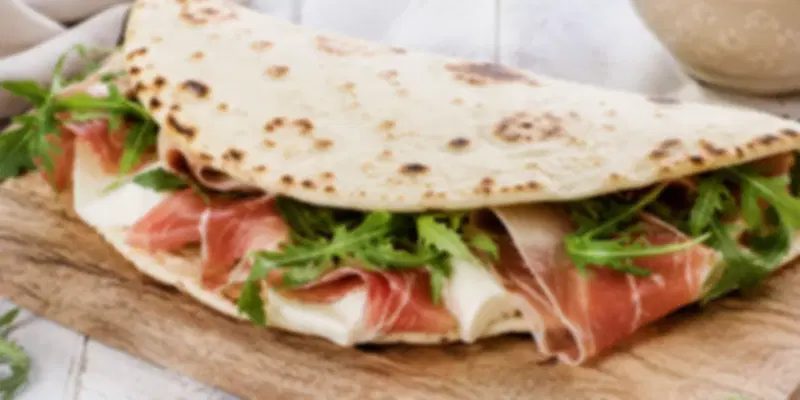
If Rome has supplì and Naples has folded pizza, Emilia-Romagna has piadina. It began centuries ago as a simple flatbread eaten by farming families who could not afford much else. Today, it is one of the region’s most loved street foods. The dough is cooked on a hot griddle and filled while it is still warm.
- What to try: Prosciutto crudo with squacquerone and wild arugula, grilled sausage with sautéed peppers, mortadella with stracchino, grilled vegetables, or Nutella for a sweet option.
- How much it costs: Around €3.50–€6 (₹315–₹540).
- Best for: A filling, affordable meal when you want something quick instead of a sit-down lunch.
2. Pizza a Portafoglio — Naples
Naples has turned its famous pizza into a food you can eat while walking. Pizza a portafoglio is a Margherita or marinara slice folded into a compact shape and wrapped in paper. It is hot, simple, and made for eating on the go. For many travellers, it is one of the easiest ways to experience Naples’ street food culture.
- What to try: Folded Margherita or marinara pizza.
- How much it costs: Around €1.50–€5 (₹135–₹450).
- Best for: A quick bite between sightseeing stops.
3. Cuoppo Fritto — Naples
If you are searching for the best places to visit in Italy for street food, put Naples near the top of your list. The city is famous for quick, tasty bites, and cuoppo fritto is one you should not miss. It comes in a simple paper cone filled with hot, crispy seafood, vegetables, or a mix of both. Grab one, keep exploring, and try a few different flavours along the way.
- What to try: Fried seafood, calamari, zucchini, zucchini blossoms, fried vegetables, and other local bites.
- How much it costs: Around €5–€10 (₹450–₹900).
- Best for: Sharing or trying several fried snacks at once.
4. Pizza Fritta — Naples
Naples does not stop at baked pizza. Pizza fritta takes the dough, fills it, folds it, and drops it into hot oil until golden. The result is crisp on the outside and soft inside. It is a heavier option than pizza a portafoglio, but it makes a satisfying meal when you are hungry.
- What to try: Fried pizza dough filled with ricotta and pork fat scraps.
- How much it costs: Around €3–€6 (₹270–₹540).
- Best for: A filling street food meal.
5. Sfogliatella — Naples
Not every Neapolitan street food has to be savoury. Sfogliatella is a flaky pastry with thin layers wrapped around a sweetened ricotta filling. It is small enough to eat while exploring and makes an easy breakfast or afternoon snack. You will often see it sitting in bakery displays alongside other pastries.
- What to try: Fresh sfogliatella filled with sweetened ricotta.
- How much it costs: Around €1.50–€2 (₹135–₹180).
- Best for: Breakfast, a coffee break, or a sweet snack.
6. Supplì al Telefono — Rome
Rome’s answer to the fried snack is supplì al telefono. These oval rice balls have a crisp coating and a soft centre made with tomato risotto and mozzarella. The name comes from the way the melted cheese stretches when you pull the supplì apart, much like an old telephone cord.
- What to try: Tomato risotto with a mozzarella centre.
- How much it costs: Around €1.50–€2.50 (₹135–₹225).
- Best for: A quick snack before or after sightseeing.
7. Trapizzino — Rome
A trapizzino looks like a small pocket of pizza dough, but it is filled with slow-braised dishes. It was invented in Rome and has since appeared in several other Italian cities. It is a good choice when you want something more substantial than a small fried snack.
- What to try: Pizza dough pockets filled with slow-braised stews and traditional sauces.
- How much it costs: Around €3.50–€5 (₹315–₹450).
- Best for: A quick, filling lunch.
8. Panino — Rome
For a simple meal, look for a panino at a Roman bar. These crusty bread rolls are filled with cured meats, cheese, or vegetables. They are easy to carry and can be filling enough to replace a full lunch, especially when you are spending the day sightseeing.
- What to try: A crusty roll filled with cured meats, cheese, or vegetables.
- How much it costs: Around €3–€7 (₹270–₹630).
- Best for: A simple, filling lunch between attractions.
9. Arancini — Sicily
Sicily’s street food scene is closely linked with arancini. These fried rice balls are crisp outside and packed with a savoury filling inside. The classic version usually combines ragù, peas, and mozzarella, but you can also find pistachio versions in parts of the island.
- What to try: Ragù, peas, and mozzarella, or pistachio-filled versions.
- How much it costs: Around €2–€4 (₹180–₹360).
- Best for: A hearty snack or light meal.
10. Panelle — Sicily
Sicily is a hidden gem in Italy for street food, and panelle are one of the local bites worth trying. These crispy chickpea flour fritters are often tucked into a soft bread roll for a quick and filling meal. They are simple, affordable, and full of savoury flavour. If you are exploring Sicily, especially its local markets and food stalls, panelle are an easy way to taste the island’s everyday food culture.
- What to try: Chickpea flour fritters served alone or inside a bread roll.
- How much it costs: Around €1.50–€2.50 (₹135–₹225).
- Best for: A simple vegetarian street food option.
11. Pane con la Milza — Palermo
For something more adventurous, try pane con la milza, a classic Palermo sandwich made with spleen. It has been part of Palermo’s street food culture for generations and remains a local favourite. If your Italy itinerary includes Palermo, this is one of the more unusual dishes to add to your food list. It may not be for everyone, but if you enjoy trying local specialities, it is worth a bite.
- What to try: The traditional spleen-filled sandwich.
- How much it costs: Around €2–€3 (₹180–₹270).
- Best for: Adventurous travellers looking for an authentic Palermo speciality.
12. Cicchetti — Venice
Venice does street food differently. Instead of eating while walking, locals often move between bacari, small traditional bars, and order one or two cicchetti at each stop. These small bites make it easy to try several flavours in one evening without sitting down for a full meal.
- What to try: Crostini, seafood, cured meats, and other small seasonal bites.
- How much it costs: Around €1–€2.50 per piece (₹90–₹225).
- Best for: A relaxed food crawl through Venice.
Tip: A typical evening can include three or four bacari, with a couple of cicchetti and a small glass of wine at each stop.
13. Frittatina di Pasta — Naples
Frittatina di pasta takes cooked pasta and turns it into a crisp fried snack. The pasta is mixed with béchamel, cheese, and often ham or peas. It is then shaped into a patty and deep-fried until golden outside and creamy inside.
- What to try: Cooked pasta with béchamel, cheese, ham, or peas.
- How much it costs: Around €2–€3 (₹180–₹270).
- Best for: Pasta lovers who want something quick and different.
14. Pasta al Forno Cups — Modern Street Food
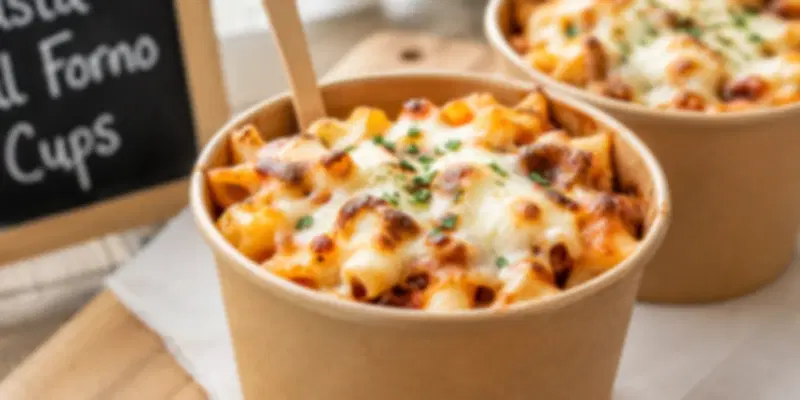
Some modern street food stalls, especially in tourist-heavy areas of Rome and Florence, now serve baked pasta in small cups or cones. They have appeared at several Roman street food stalls in recent years It is mainly aimed at travellers who want a warm, filling meal without sitting down.
- What to try: Baked pasta served in a small cup or cone.
- How much it costs: Prices vary by stall and ingredients.
- Best for: A quick and filling meal between sightseeing stops.
15. Cacio e Pepe Arancini — Rome
Cacio e pepe arancini put a modern spin on two Italian favourites. The crispy rice ball format meets the classic Roman combination of pecorino cheese and black pepper. They have appeared at several Roman street food stalls in recent years and are a fun option if you want something beyond the usual arancini.
- What to try: Fried rice balls inspired by cacio e pepe.
- How much it costs: Prices vary by vendor.
- Best for: Travellers who want to try a modern take on a classic Roman flavour.
Which Italian Street Food Should You Try First?
Trying Italian street food for the first time? Start with the local favourites. Each region has its own specialities, so your food stops can be just as varied as your sightseeing.
- Naples: Pizza a portafoglio, cuoppo fritto, pizza fritta, and sfogliatella
- Rome: Supplì, Trapizzino, and Panini
- Sicily: Arancini, panelle, and pane con la milza
- Venice: Cicchetti
- Emilia-Romagna: Piadina
What About Pasta?
Pasta-based street food is less common than pizza, fried snacks, and sandwiches. If you want to try it, Naples and Rome are your best choices. Look for frittatina di pasta, pasta al forno cups, or modern takes such as cacio e pepe arancini.
Tips for Eating Italian Street Food Like a Local
- Order in Italian: Learn the dish name and use it when ordering.
- Skip touristy stalls: Choose busy spots where locals eat instead of places with large photo menus.
- Carry small cash: Keep coins and small notes for small food stalls.
- Follow local habits: If locals eat at the counter, do the same. Sitting down may cost extra.
- Ask what is fresh: Handmade dishes can sell out early, so ask what was prepared that day.
- Try local specialities: Choose dishes linked to the region you are visiting, such as arancini in Sicily or piadina in Emilia Romagna.
Final Thoughts: Why Italian Street Food Is Worth Trying on Your Italy Trip
Italian street food is more than a quick meal. It gives you a taste of how each part of Italy eats, cooks, and keeps its food traditions alive. Try folded pizza in Naples, arancini in Sicily, supplì in Rome, cicchetti in Venice, or piadina in Emilia-Romagna. You do not need a fancy restaurant to eat well here. Pick a busy local stall, order something you have never tried, and enjoy it as you explore. These small food stops may end up being some of the best memories from your Italy trip.
FAQs
1. What is the difference between Italian street food and restaurant food?
Italian street food is quicker, more casual, and usually cheaper than a restaurant meal. You can grab pizza, fried snacks, sandwiches, or pastries from markets, bakeries, food counters, and takeaway shops.
2. What is piada Italian street food?
Piada, also called piadina, is a thin flatbread from Emilia-Romagna. It is cooked on a griddle and filled with cheese, cured meats, vegetables, or sweet spreads.
3. What is a typical Italian street food menu?
A typical Italian street food menu includes fried snacks, pizza, sandwiches, pastries, and regional specialities. Popular choices include arancini, supplì, panini, piadina, and cicchetti.
4. Is there Italian street food pasta?
Yes, Italian street food pasta does exist, although it is less common than pizza and fried snacks. Frittatina di pasta in Naples is one of the best-known examples.
5. Can I make Italian street food recipes at home?
Yes, many Italian street food recipes are easy to make at home. Piadina, arancini, and supplì can be prepared with everyday ingredients and basic kitchen equipment.
6. How much does Italian street food cost in 2026?
Most individual Italian street food items cost about €1.50–€6 (₹135–₹540). A more filling street food meal usually costs around €10–€15 (₹900–₹1,350).
7. Which Italian city has the best street food?
Naples is one of the best cities for Italian street food, especially for pizza and fried bites. Palermo is another great choice for arancini, panelle, and traditional local snacks.
8. Is Italian street food safe for tourists to eat?
Yes, Italian street food is generally safe for tourists when bought from clean, busy stalls. Choose places with plenty of customers and freshly prepared food for the best experience.
9. What is the best Italian street food for vegetarians?
Vegetarians have plenty of options, including vegetable-filled piadina, panelle, Margherita pizza, vegetable cicchetti, and some arancini. Check the filling before ordering, as recipes can vary between vendors.
10. What should tourists know before eating street food in Italy?
Look for busy stalls where food is prepared fresh and keep some small cash handy. Check the local speciality before ordering, and remember that sitting at a table can cost more than eating at the counter.

Recommended articles for you










Discover Packages




















Need help in planning?
Talk to our Travel Experts