
Best Time to See the Northern Lights in Iceland: 2026 Guide
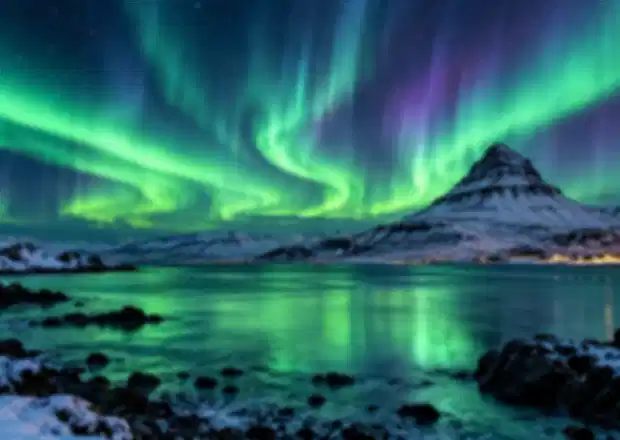
If catching the aurora borealis is at the top of your travel bucket list, knowing the best time to see the Northern Lights in Iceland is one of the most important decisions to make. To spot them, you need three things: darkness, clear skies, and strong solar activity. Since Iceland experiences near-constant daylight in summer, the prime viewing season runs from September to April.
In this guide, we break down the best months, weather conditions, and moon phases for Northern Lights viewing. If you prefer a hassle-free experience, Northern Lights tour packages can also help you plan guided aurora excursions around the best viewing conditions.
Key Takeaways
- Aurora season in Iceland runs from late August/September to mid-April; outside this window, the midnight sun keeps skies too bright to see anything
- November to January have the darkest, longest nights, while September and March offer a good mix of darkness and milder weather
- The best time of day to see the Northern Lights in Iceland is between 9 PM and 2 AM, with 10:30 PM to 1 AM being the most active window
- Solar Cycle 25 remains near its peak through 2026, meaning stronger and more frequent displays than an average year
- Stay at least 3-4 nights if the aurora is your main goal; cloud cover, not lack of activity, is the biggest reason people miss it on shorter trips
Aurora Season in Iceland
| Month | Darkness Hours | Aurora Odds | What to Know |
| September | 8–12 hrs dark | Good | Equinox boost, mild weather, fewer crowds |
| October | 12–15 hrs dark | Good | Longer nights, first snow possible |
| November | 15–17 hrs dark | Very Good | Reliable darkness, colder, off-peak prices |
| December | 17–19 hrs dark | Very Good | Longest nights, holiday crowds and prices |
| January | 17–19 hrs dark | Very Good | Peak darkness, harsh weather, road closures possible |
| February | 14–16 hrs dark | Very Good | Good balance of darkness and milder travel conditions |
| March | 11–14 hrs dark | Excellent | Second equinox boost, milder than midwinter |
| April (early) | 8–10 hrs dark | Fair | Nights getting shorter, last realistic window |
September and March are considered the best times to see the Northern Lights in Iceland. Both sit near the equinoxes, when geomagnetic activity tends to spike, and both offer a workable balance of darkness and manageable weather. If your priority is the deepest, longest darkness regardless of temperature, November through January delivers the most viewing hours per night.
Why Timing Matters More in Iceland Than You’d Expect
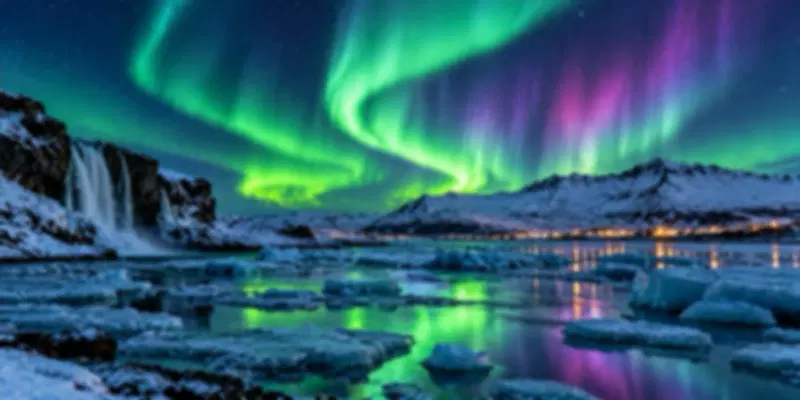
Learn about why Timing Matters More in Iceland Than You'd Expect
When planning an aurora trip, most travellers assume that winter simply equals the Northern Lights. In Iceland, that assumption can ruin a vacation. Timing matters here more than almost anywhere else on Earth because of Iceland’s extreme geographic quirks.
To successfully spot the aurora borealis, you must align three crucial elements. If even one factor is missing, the lights will remain hidden.
- Total Darkness: Because Iceland sits right near the Arctic Circle, summer features the phenomenon of the midnight sun. This near-24-hour daylight makes it impossible to see the aurora from mid-April to mid-August, no matter how active the sun is. You must plan your trip between late August and mid-April to get the pitch-black night skies required for viewing.
- Strong Solar Activity: The Northern Lights occur when charged solar particles collide with the Earth’s magnetic atmosphere. Experts measure this energy using the Kp Index on a scale from 0 to 9. For a reliable, bright sighting in Iceland, you generally want to wait for a forecast of Kp 2 or higher.
- Completely Clear Skies: Iceland’s coastal weather changes in the blink of an eye. Thick, heavy cloud cover is the primary reason travellers miss out on a viewing. Even if you have perfect solar activity and deep darkness, a stubborn layer of overcast clouds will block the show entirely.
If you’re building the rest of your trip around this window, it’s worth looking at Northern Lights tour packages that are already structured around the aurora season, rather than trying to retrofit sightseeing around it yourself.
Best Months to See Northern Lights in Iceland
- September–October: A great choice if you want to see the Northern Lights without the harshest winter conditions. Nights become dark enough for aurora viewing by late September, while milder weather and lower prices make this a comfortable shoulder-season option.
- November–February: Best for maximum darkness and longer aurora-viewing hours. December offers up to 19 hours of darkness, increasing your chances of spotting the lights. However, snow, strong winds, and road closures can make driving more challenging.
- March: One of the best months for a balance of Northern Lights opportunities and easier travel conditions. Longer daylight and milder weather make sightseeing more comfortable, while dark evenings still provide good aurora-viewing opportunities.
Best Time of Day to See the Northern Lights in Iceland
While choosing the right month is crucial, timing your nightly hunt is what actually seals the deal. The absolute best time of day to see the Northern Lights in Iceland is between 11:00 PM and 2:00 AM.
During this three-hour window, the magnetic pole orientation aligns perfectly with incoming solar particles, creating peak aurora visibility.
The Nightly Breakdown
- 6:00 PM – 9:00 PM (Early Twilight): Sightings are rare unless solar activity is exceptionally high. The sky is often still shaking off residual twilight.
- 9:00 PM – 11:00 PM (The Warm-Up): The sky turns pitch black. Tracking apps and tour buses start moving as the first faint green arcs usually begin to form.
- 11:00 PM – 2:00 AM (Peak Viewing Window): This is prime time. The highest concentration of solar particles hits the atmosphere, causing the most vibrant, dancing displays.
- 2:00 AM – 5:00 AM (The Late Shift): The lights can still appear, but solar activity typically begins to wane. Temperatures also drop to their lowest daily levels.
Is 2026 a Good Year to See the Northern Lights in Iceland?
Yes, 2026 is an exceptional, bucket-list year to visit Iceland for the Northern Lights. In fact, it is shaping up to be one of the best viewing windows of the entire decade. The reason for this spectacular outlook comes down to space weather.
Solar Cycle 25 reached its peak around 2024–2025, but elevated activity is expected to continue through 2026 and 2027. For travellers visiting Iceland in 2026, this means a greater chance of frequent and potentially brighter Northern Lights displays, making these years a particularly promising window for aurora viewing.
Places to visit in Iceland to watch the Northern Lights
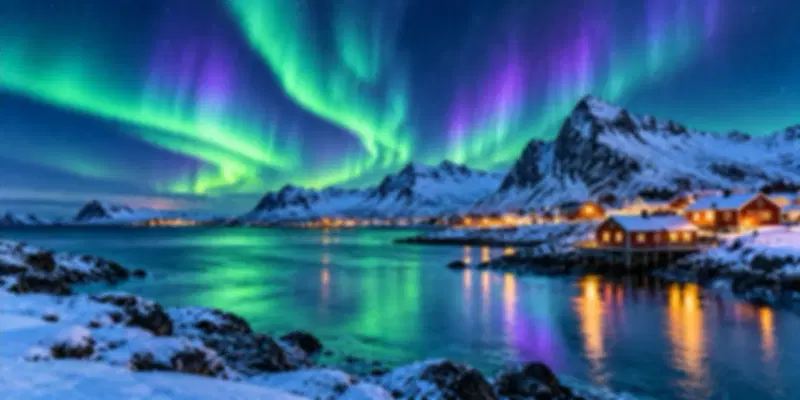
Discover what are the best places and best time to see Northern lights in Iceland
While the aurora can technically be seen from anywhere in the country under clear skies, selecting a location with iconic scenery can transform your viewing into an unforgettable experience. The best places to visit for the Northern Lights in Iceland offer a balance of minimal light pollution and stunning natural backdrops.
Popular Locations Across Iceland
- Þingvellir National Park: Located 40 km east of Reykjavík. Features a deep rift valley and a vast lake. Offers wide horizons and dark skies.
- Kirkjufell Mountain: Situated on the Snæfellsnes Peninsula. Iconic cylindrical peak with an adjacent waterfall. Highly photogenic foreground for aurora photography.
- Jökulsárlón Glacier Lagoon: Positioned directly off the Ring Road. Features massive floating icebergs in crystal-clear water. Provides dramatic, neon-green light reflections.
- Grótta Lighthouse: Located on the Seltjarnarnes Peninsula tip. Quick, accessible escape near the capital city limits. Perfect choice if you lack a rental car.
Hidden Gems: Less Crowded Spots
- Siglufjörður: Tucked away in a remote North Iceland fjord. Shielded by massive mountains with minimal light pollution. High probability of catching early-evening auroras.
- Stokksnes Peninsula & Vestrahorn: Located on the quiet East Coast. Features dramatic jagged peaks and a black sand lagoon. Shallow water acts as a flawless giant mirror.
- Búðir Black Church: Isolated landmark sitting on an empty lava field. Minimalist, pitch-black structure creates a hauntingly beautiful contrast. Escapes the large crowds at nearby Kirkjufell.
- Hvítserkur Rhino Rock: Wild 15-metre sea stack in the northwest. Resembles a drinking dragon or rhino shape. Requires a gravel road detour, keeping it entirely empty.
How Many Nights You Actually Need
To guarantee a successful sighting, you should plan to spend at least 5 to 7 nights in Iceland during the aurora season. Because the aurora is completely dependent on unpredictable local weather patterns, packing your itinerary into a short weekend trip drastically increases your risk of going home empty-handed. Extending your stay acts as your ultimate insurance policy against stubborn cloud cover.
If the Northern Lights are the main reason for your trip, building in at least four nights total, allowing for one or two cloudy write-offs, is the safer plan. A 10-night Northern Lights honeymoon itinerary or an 8-night family itinerary both build in this kind of buffer rather than betting everything on a single night. If a shorter trip is all you have, even a 3-night Northern Lights package can work if you pick your season carefully and stay flexible on which night you head out.
Expert Tips for Witnessing the Northern Lights in Iceland
Maximising your chances of seeing the aurora requires a proactive strategy. Use these tactical, battle-tested tips to turn a potential miss into a successful sighting.
- Monitor Local Cloud Cover: Check the official Icelandic Meteorological Office map daily. Green map overlays represent cloud cover, while white areas signify clear, viewable skies.
- Download Tracking Apps: Install real-time alerting apps like My Aurora Forecast or Hello Aurora. These send immediate push notifications when local solar activity spikes.
- Book Your Tour Early: Schedule guided excursions on your very first night in Iceland.
- Activate Hotel Wake-up Alerts: Request the complimentary Aurora Wake-up Service at rural hotel front desks.
- Layer Your Clothing: Wear a thermal base layer, an insulating fleece mid-layer, and a windproof, waterproof outer shell. Temperatures drop drastically during clear, still winter nights.
- Use a Sturdy Tripod: Secure your device against violent Icelandic wind gusts.
Final Verdict: When Will You Chase the Lights?
Choosing the best time to see the Northern Lights in Iceland ultimately depends on your travel style. If you want smooth roads and mild weather, book your trip during the shoulder months of September or October. If your priority is maximum darkness and snowy landscapes, target the deep winter window of November through February.
No matter which month you choose, the elevated solar activity of 2026 makes this the absolute best time of the decade to pack your bags and head north. To take the stress out of planning, logistics, and weather tracking, consider booking Iceland Northern Lights packages.
FAQs: Best Time to See Northern Lights in Iceland
1. What is the best month to see the Northern Lights in Iceland?
February is a strong choice, offering long, dark nights and relatively better late-winter travel conditions. September and March are also excellent for a balance of darkness, milder weather, and increased geomagnetic activity around the equinoxes.
2. What is the best time of day to see the Northern Lights in Iceland?
The best viewing window is generally 9 PM to 2 AM, with 10:30 PM to 1 AM often offering the strongest chances. However, auroras can appear outside these hours when solar activity is high.
3. Can you see the Northern Lights in Iceland in summer?
No. From late April through mid-August, Iceland’s long daylight hours and midnight sun make the sky too bright for normal aurora viewing. The season generally returns in late August or September.
4. How many nights do I need in Iceland to see the Northern Lights?
Plan for at least 3–4 nights if the Northern Lights are a priority. A longer stay gives you more opportunities to work around cloud cover and changing weather conditions.
5. Is 2026 a good year to see the Northern Lights in Iceland?
Yes. Solar Cycle 25 reached its peak around 2024–2025, with elevated solar activity expected to continue through 2026 and 2027. This makes 2026 a promising year for aurora viewing.
6. Do I need a Northern Lights tour in Iceland?
No, you can see the aurora independently if you have access to dark skies and are comfortable travelling at night. A guided tour can be useful because guides monitor cloud cover and aurora forecasts and can adjust the route accordingly.
7. Is Iceland or Norway better for the Northern Lights?
Both are excellent choices. Iceland combines the aurora with waterfalls, glaciers, black-sand beaches, and volcanic landscapes, while Norway offers strong aurora opportunities in Arctic destinations such as Tromsø. The better choice depends on your preferred scenery, activities, and itinerary.
8. Where can you see the Northern Lights in Iceland near Reykjavik?
Þingvellir National Park and Grótta Lighthouse are popular options near Reykjavik because they offer darker skies away from the city’s brightest areas. For even darker conditions, travelling farther from the capital can improve visibility.
9. Can I see the Northern Lights in Iceland in November?
Yes. November offers long hours of darkness and good aurora-viewing opportunities. However, snow, wind, and changing road conditions can make self-driving more challenging.
10. What is the best time to see the Northern Lights in Iceland in February?
February is generally a good month because Iceland has plenty of darkness while conditions can be more manageable than during the coldest parts of winter. Aim for 9 PM to 2 AM, while keeping an eye on cloud and aurora forecasts.
11. Is March a good time to see the Northern Lights in Iceland?
Yes. March is one of the best months for combining dark evenings, aurora activity, and milder sightseeing conditions. Its proximity to the spring equinox can also favour increased geomagnetic activity.
12. Can I see the Northern Lights in Iceland in May?
Generally, no. By May, Iceland has too many daylight hours for normal aurora viewing. For better chances, plan your trip between September and early April.

Recommended articles for you










Discover Packages



















Europe City Packages
Packages By Departure City
Packages By Theme
Packages By Duration
Europe Combo Packages
Europe Nearby Destinations

Need help in planning?
Talk to our Travel Experts