
Italy Offbeat Places Guide: 12 Hidden Gems in Italy You Must Explore
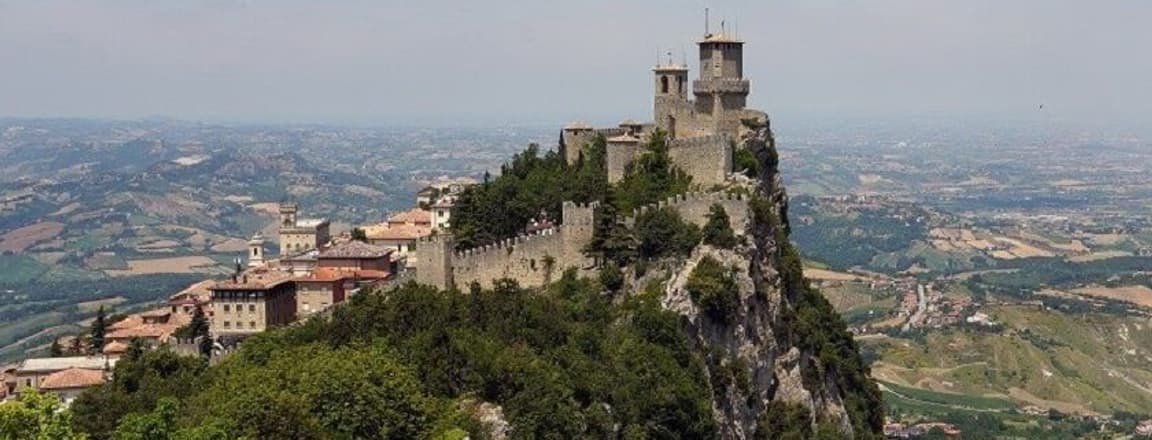
Italy isn’t just about Rome, Venice, and Florence; it’s a country filled with lesser-known destinations that offer equally stunning landscapes, rich culture, and authentic experiences. Beyond the famous landmarks, there are charming villages, peaceful coastal towns, and scenic countryside escapes that most travellers often miss. This Italy offbeat places guide is designed for slow travellers, culture seekers, and explorers who want to go beyond crowded attractions. From dramatic mountain villages to quiet lake islands, these hidden gems offer a deeper and more authentic way to experience Italy. If you're planning your journey, you must include these offbeat destinations in your Italy tour packages, making it easier to explore them without missing out on their unique charm.
Italy Offbeat Places Guide Overview
- Castelmezzano (mountain village) — Basilicata
- Pietrapertosa (hilltop village) — Basilicata
- Matera (historic cave city) — Basilicata
- Lago di Fiastra (lake & nature escape) — Marche
- Sperlonga (coastal town) — Lazio
- Monte Isola (lake island) — Lombardy
- Palmaria Island (car‑free coastal island) — Liguria
- Umbertide (cultural town) — Umbria
- Isola Bella (lake island) — Piedmont
- Maiori (coastal town) — Amalfi Coast
- Procida (colourful island) — Campania
- Lerici (harbour town) — Liguria
Offbeat Places in Italy by Region
| Region | Places |
| Southern Italy | Castelmezzano, Pietrapertosa, Matera, Procida |
| Central Italy (Lazio & Umbria) | Sperlonga, Umbertide |
| Northern Italy (Lombardy & Piedmont) | Monte Isola, Isola Bella |
| Coastal & Island Regions | Palmaria Island, Maiori, Lerici |
12 Hidden Gems in Italy You Must Visit
1. Castelmezzano
Tucked away in the Lucanian Dolomites, Castelmezzano is one of Italy’s most visually striking hidden villages. Surrounded by sharp mountain peaks, it offers a rare mix of natural beauty and adventure that most travellers miss. You’ll notice how dramatic the landscape feels, especially during sunset when the mountains glow in golden light.
What makes it special: A perfect mix of adventure and natural beauty.
Top things to see:
- Flight of the Angel zipline
- Mountain viewpoints
- Historic stone streets
Time required: 1 day
Best time to visit: April–June, September
Tip: Visit at sunset for the best views.
2. Pietrapertosa
Perched high above the Basento valley, Pietrapertosa is a quiet village known for its dramatic views and peaceful atmosphere. It’s perfect for travellers who enjoy scenic walks and less crowded destinations.
Why it stands out: One of the highest villages in southern Italy.
Top things to see:
- Seven Stones hiking path
- Castle ruins
- Scenic viewpoints
Time required: Half to full day
Best time to visit: Spring and autumn
3. Matera
Matera is one of the underrated destinations in Italy, known for its ancient cave homes and deep historical roots. It offers a completely different experience compared to typical Italian cities and is a perfect addition to your Italy itinerary if you’re focused on culture and history.
What makes it special: Its unique cave architecture and historical importance.
Top experiences:
- Explore the Sassi cave houses
- Visit rock churches
- Stay in cave hotels
Time required: 1–2 days
Best time to visit: March–May, September
Tip: Stay overnight for a magical experience.
4. Lago di Fiastra (Marche)
Lago di Fiastra is a hidden natural gem located inside the beautiful Monti Sibillini National Park. Surrounded by mountains and greenery, this lake is perfect for travellers who love peaceful nature and outdoor activities.
Why visit: Crystal-clear water and serene natural surroundings.
Top things to do:
- Go swimming or kayaking
- Enjoy lakeside picnics
- Hike in the surrounding hills.
Time required: Half to full day
Best time to visit: May–September
5. Sperlonga
Many travellers overlook Sperlonga, a beautiful coastal town known for its whitewashed architecture and clean beaches. It offers a perfect mix of seaside relaxation and historic charm in a compact setting. Walking through its narrow white streets feels much calmer compared to busy Amalfi Coast towns.
What makes it unique: A mix of beach relaxation and historic charm.
Top things to do:
- Relax on the beach
- Explore the old town
- Visit the grotto caves
Time required: 1 day
Best time to visit: May–September
Pro tip: Visit early in the morning for fewer crowds.
6. Monte Isola
Away from traffic and city noise, Monte Isola offers a completely different and peaceful pace of travel. Set in the middle of Lake Iseo, this car-free island is ideal for visitors who often crave calm views and slow exploration. Since there are no cars, the island feels quiet and refreshing from the moment you arrive.
Why it’s special: A quiet escape with beautiful lake landscapes.
Top experiences:
- Cycle around the island
- Visit small villages
- Enjoy lake views
Time required: 1 day
Best time to visit: Spring and summer
7. Palmaria Island (Liguria)
Just across from Portovenere, Palmaria Island offers a peaceful escape with no cars, making it ideal for slow travel. It is known for its scenic hiking trails, hidden coves, and stunning coastal views.
Why visit: Car-free island with nature, hiking, and sea views.
Top things to do:
- Hike around the island
- Discover hidden coves
- Swim in clear waters.
Time required: Half to full day
Best time to visit: April–June, September–October
8. Umbertide
Umbertide, located in the Umbria region, offers a more local and everyday side of Italy. It’s ideal for experiencing traditional culture, simple living, and authentic regional food away from crowds.
What makes it special: Local culture and traditional experiences.
Top experiences:
- Visit markets
- Explore the countryside.
- Enjoy local Umbrian cuisine such as strangozzi al tartufo (truffle pasta) and torta al testo (traditional flatbread sandwich), which are local specialities of the region.
Time required: 1 day
Best time to visit: Spring and autumn
9. Isola Bella (Lake Maggiore)
Set on Lake Maggiore in Piedmont, Isola Bella is a small island known for its elegant gardens and scenic surroundings. It’s part of northern Italy’s lake region and offers a calm, refined travel experience.
Why it stands out: Famous for its gardens and lake views.
Top things to do:
- Explore the palace gardens
- Walk along the island
- Enjoy the lake scenery
Time required: Half day
Best time to visit: April–October
10. Maiori
Maiori offers a more relaxed experience on the Amalfi Coast, especially for travellers who want to avoid heavy crowds. With its long beach and open promenade, it feels more spacious than other coastal towns.
What makes it special: Less crowded compared to Positano.
Top experiences:
- Relax on the beach
- Walk along the promenade
- Explore nearby towns
Time required: 1–2 days
Best time to visit: May–September
11. Procida (Campania)
If you want to experience an authentic Italian island without heavy crowds, Procida is a perfect choice. Located near Naples, this small island is known for its colourful houses, peaceful vibe, and local charm, making it a quieter alternative to Capri and Ischia. Unlike Capri, the island feels more local and less commercialised.
Why visit: Colourful scenery and a less crowded island experience.
Top things to do:
- Walk along Marina Corricella
- Explore narrow streets
- Relax by the sea.
Time required: Half to full day
Best time to visit: April–June, September
12. Lerici (Liguria)
Lerici is a lively coastal town in Liguria that is missed by most travellers. It offers a mix of scenic views and local life. Compared to quieter villages like Tellaro, it offers more activities, from exploring the historic castle and relaxing at the beach to enjoying waterfront cafes and boat rides.
What makes it special: Romantic harbour and scenic views.
Top experiences:
- Visit Lerici Castle
- Walk along the harbour
- Enjoy local cafes
Time required: 1 day
Best time to visit: Spring and summer
Note: None of these 12 offbeat destinations charges a general entry or city tax fee to visitors. You mainly pay only for specific attractions, guided tours, boat trips, or beach‑club services inside them, which makes them much more budget‑friendly than major Italian cities.
7–10 Day Italy Offbeat Itinerary: Explore Hidden Gems Without Crowds
- Day 1–2: Matera
- Day 3: Castelmezzano & Pietrapertosa
- Day 4–5: Umbertide + Lago di Fiastra (Central Italy)
- Day 6–7: Monte Isola + Isola Bella (Northern Italy)
- Day 8: Sperlonga
- Day 9–10: Maiori + Procida
Note: Procida (Campania) is in the south, while northern spots like Monte Isola and Palmaria Island are in the north, so plan them in separate halves of your trip.
Budget Guide for Exploring Offbeat Places in Italy (Cost Breakdown)
Expense Type | Average Cost (per day) |
| Accommodation | €50 – €120 (₹5,400 – ₹13,000) |
| Food | €20 – €40 (₹2,200 – ₹4,300) |
| Transport | €15 – €50 (₹1,600 – ₹5,400) |
| Activities | €10 – €30 (₹1,100 – ₹3,200) |
Budget insight: Offbeat places are more affordable than major cities, making them ideal for budget travellers.
Offbeat Places vs Popular Cities in Italy
Offbeat places in Italy offer a completely different experience compared to famous cities like Rome, Florence, and Venice. While popular destinations are known for iconic landmarks and heavy crowds, hidden gems provide a quieter atmosphere, more local interactions, and a relaxed pace of travel. If you prefer meaningful experiences over crowded sightseeing, offbeat destinations are a better choice.
Best Time to Visit Offbeat Places in Italy
- April to June: Ideal for most destinations with pleasant weather and fewer crowds
- September to October: Best for relaxed travel and comfortable temperatures
- July to August: Peak season with busy tourist spots and higher prices
Tip: Spring and early autumn are the most recommended periods for offbeat travel in Italy.
Travel Tips for Visiting Offbeat Places in Italy
- Start early so you can enjoy places before they get crowded.
- Use an Eurail Pass for smooth and flexible train travel across regions.
- Keep some cash handy since small shops may not accept cards.
- Stay overnight in offbeat areas to experience local life better.
Conclusion: Why Offbeat Places and Hidden Gems in Italy Offer the Most Authentic Travel Experience
These offbeat destinations in Italy allow you to explore a quieter, more authentic side of the country that many travellers miss. They offer peaceful surroundings and a deeper connection with local culture. If you’re looking to experience real Italian tourism, following this Italy offbeat places guide is the best way to explore hidden gems in Italy, discover non-touristy places, and experience the country beyond the usual tourist spots.
FAQs
1. Which offbeat places in Italy are the most budget‑friendly and easy to visit without crowds?
Some of the most budget‑friendly offbeat places in Italy include Matera, Castelmezzano, Pietrapertosa, Monte Isola, Procida, and Sperlonga. These hidden gems are quieter than Rome and Venice, making them ideal for slow travel and crowd‑avoiding trips.
2. How do you plan a hidden‑gems Italy itinerary that mixes villages, lakes, and islands?
Start with mountain villages like Castelmezzano and Pietrapertosa, then add a quiet lake like Monte Isola, and finish with coastal or island gems like Procida, Sperlonga, and Maiori. A 7–10 day offbeat Italy itinerary lets you balance hiking, lakeside relaxation, and island or beach time without feeling rushed.
3. How are offbeat places in Italy different from popular cities like Rome and Venice?
Offbeat places in Italy are quieter, less crowded, and offer more local experiences, while cities like Rome and Venice are highly touristy, with major landmarks and heavy footfall year-round.
4. What is the best time to visit offbeat places in Italy?
The best time to visit offbeat places in Italy is from April to June and September to October, when the weather is pleasant, and tourist crowds are relatively low.
5. How many days are enough for an offbeat Italy itinerary?
A 7–10-day itinerary is ideal for comfortably exploring Italy’s hidden gems, allowing enough time to visit villages, coastal towns, and lake destinations without rushing.