
Best Time to Visit Europe: Month by Month Guide (2026)

Most people spend weeks planning where to go in Europe but forget to think about when to visit. The right month can mean pleasant weather, smaller crowds, lower prices, and a much better travel experience. The best time to visit Europe is generally from April to June and September to October, when the weather is pleasant, crowds are manageable, and travel costs are often more balanced. If you are exploring Europe tour packages, this guide explains the best seasons, month-by-month weather patterns, regional differences, and ideal travel times based on your travel style. It will help you choose the right season for a comfortable and memorable Europe holiday.
Europe's Travel Seasons at a Glance
Europe experiences a different charm in every season, from colourful spring landscapes to snowy winter escapes. Choosing the right months can help you enjoy better weather, fewer crowds, and the experiences you want most.
| Season | Months | Temperature Range | Travel Experience |
| Spring | March–May | 8°C–20°C | Blooming landscapes, fewer crowds |
| Summer | June–August | 18°C–30°C | Peak tourism, festivals, beaches |
| Autumn | September–November | 10°C–20°C | Fall colours, fewer tourists |
| Winter | December–February | -10°C–7°C | Snow, Christmas markets, skiing |
A quick note on recent summers: Europe has seen intensifying summer heatwaves in recent years, with temperatures crossing 40°C in parts of France, Spain, and Italy. If you're planning a July or August trip, see our Europe heatwave travel guide for itinerary adjustments, or consider shifting toward September for a cooler, equally rewarding trip.
Spring in Europe (March to May): Best for Fewer Crowds and Pleasant Weather

Spring marks the transition from winter to warmer, more vibrant days across Europe. As temperatures begin to rise, cities and countryside landscapes come alive with blooming flowers, open-air cafés, and longer daylight hours. This season is particularly appealing for travellers who want to explore Europe at a relaxed pace without the overwhelming crowds of summer.
During April and May, destinations like Amsterdam are at their most picturesque, thanks to tulip season, while cities in France like Paris offer a romantic charm with tree-lined boulevards in full bloom. The weather is generally mild, making it comfortable for sightseeing, walking tours, and outdoor experiences.
Spring is also a prac
tical choice for Indian travellers looking for better deals. Flights and accommodations are typically more affordable than in the peak summer months, and major attractions are easier to access without long queues. However, occasional rain showers are common, so packing layers and light rain gear is essential.
Summer in Europe (June to August): Best for Festivals, Beaches, and Long Days
Summer is the most popular time to visit Europe, attracting millions of travellers from across the globe. The weather during this period is warm and sunny, with long daylight hours that allow you to explore cities late into the evening. This is when Europe is at its most energetic, with festivals, outdoor events, and vibrant European nightlife defining the travel experience.
Destinations such as Barcelona and the Greek islands are ideal for beach holidays, while the Swiss Alps offer excellent opportunities for hiking and scenic train journeys. The overall accessibility of attractions is at its peak, with extended hours and full operational capacity.
However, this popularity comes at a cost. Summer is also the most expensive time to travel in Europe, with higher airfare and hotel prices. Crowds at major landmarks can be overwhelming, especially in cities like Paris, Rome, and Amsterdam. For travellers who prioritise convenience and vibrant city life over budget, summer remains a great option, but planning and early bookings are crucial.
Autumn in Europe (September to November): Best for Budget Travel and Fewer Tourists
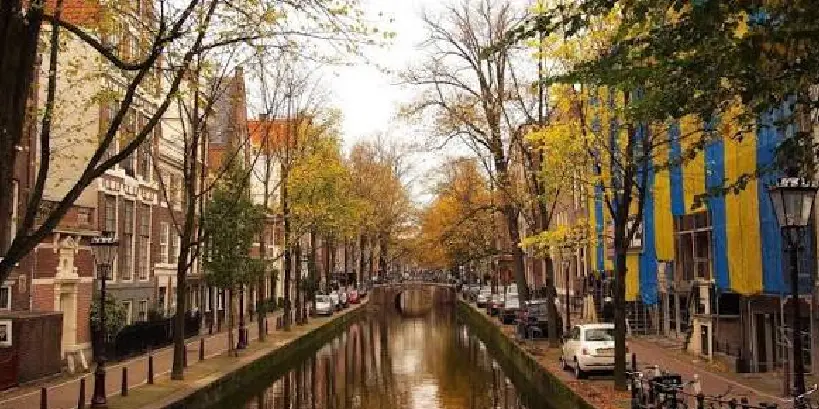
Autumn is often considered Europe’s best-kept secret. As the summer crowds begin to fade, the continent transforms into a landscape of golden foliage, crisp air, and a more relaxed atmosphere. This season is particularly appealing for travellers seeking a quieter and more immersive experience.
Countries like Italy and France showcase stunning countryside views during this time, while cities such as Porto offer a perfect blend of culture, food, and scenic beauty. The weather remains pleasant in early autumn, making it ideal for sightseeing, wine tours, and cultural exploration.
Another advantage of travelling during autumn is cost efficiency. With fewer tourists, hotels and flights become more affordable, and popular attractions are less crowded. This makes autumn an excellent choice for couples, photographers, and travellers who prefer a slower pace.
Winter in Europe (December to February): Best for Snow, Skiing, and Christmas Markets
Winter in Europe offers a completely different experience, transforming the continent into a festive and snow-covered wonderland. While temperatures can drop significantly, especially in Northern and Central Europe, the season brings unique experiences that are not available at any other time of the year.
Cities like Vienna become famous for their European Christmas markets, while destinations in Norway provide opportunities to witness the Northern Lights. The Swiss Alps attract travellers for skiing, snowboarding, and luxury winter stays.
Despite the cold, winter can be a budget-friendly time to visit (excluding the holiday period around Christmas and New Year). The crowds are significantly lower, allowing for a more intimate travel experience. However, shorter daylight hours and occasional closures of attractions should be considered while planning.
Southern vs Northern Europe: How Weather Changes Across Regions
Europe’s weather can change a lot from one region to another, even during the same month. A summer trip to Spain may feel completely different from Norway or Switzerland. Understanding these regional differences helps you pack better and plan a smoother Europe itinerary.
| Region | Summer Experience | Winter Experience |
| Southern Europe (Spain, Italy, Greece) | Hot, sometimes extreme heat; beach season | Mild, fewer crowds, good sightseeing weather |
| Central Europe (Austria, Switzerland, Germany) | Warm, ideal for hiking and alpine trips | Cold, snow, skiing, Christmas markets |
| Northern Europe (Norway, Iceland, Scotland) | Mild, long daylight hours | Very cold, short days, Northern Lights season |
If you're building a multi-country tour package, this regional split matters more than the calendar month alone. A trip to Europe in June covering both Spain and Norway, for instance, means packing for two very different climates in the same holiday
Best Time to Visit Europe Based on Your Travel Style
The best time to visit Europe depends on what kind of experience you want. Whether you are planning your first trip, a romantic getaway, or a budget holiday, choosing the right season can make your journey more enjoyable and comfortable.
| Travel Style | Recommended Time |
| First-time Europe trip | April–June |
| Budget travel | November–March |
| Honeymoon | April, May, September |
| Snow and winter activities | December–February |
| Beach holidays | June–August |
| Avoiding summer heat | September–October |
Tips to Choose the Best Time to Visit Europe
- Best overall time: April to June and September to October offer pleasant weather, fewer crowds, and comfortable sightseeing conditions.
- Cheapest months: November to March usually have lower flight and hotel prices, except during Christmas and New Year.
- Best for snow: December to February is ideal for skiing, Christmas markets, and winter experiences.
- Best for avoiding heat: September and October are better for Southern Europe destinations like Italy, Spain, and Greece.
- Best for first-time visitors: April to June offers a balance of good weather, open attractions, and manageable crowds.
Final Thoughts: Finding the Best Time to Visit Europe for Your Travel Plans
The best time to visit Europe depends on what kind of trip you want. For most travellers, especially first-time visitors, Europe in April to June and September to October are the best time to explore Europe. The weather is comfortable, crowds are smaller, and sightseeing feels easier.
Each season has something different to offer, from colourful spring landscapes and lively summer cities to peaceful autumn views and snowy winter escapes. Choosing the right month based on your interests will help you enjoy a smoother, more memorable Europe holiday.
FAQs
1. What is the best time to visit Europe?
The best time to visit Europe is from April to June and September to October, when the weather is pleasant, crowds are manageable, and travel costs are more balanced.
2. What is the cheapest time to go to Europe?
The cheapest time to go to Europe is usually from November to March, excluding Christmas and New Year's, when prices for flights and hotels increase.
3. What is the best time to visit Europe from India?
The best time to visit Europe from India is April to June and September to October, offering comfortable weather and better travel experiences across destinations.
4. What month has the best weather in Europe?
May, June, September, and early October usually have the best weather in Europe for sightseeing, outdoor activities, and exploring cities comfortably.
5. Is summer a good time to visit Europe?
Yes, summer is a good time to visit Europe for beaches, festivals, hiking, and long daylight hours, but it comes with higher prices and bigger crowds.
6. What is the best time to visit Europe to avoid crowds?
The best time to visit Europe to avoid crowds is April to May and September to October when popular attractions are less crowded compared to summer.
7. What is the best time to visit Europe for a honeymoon?
The best time to visit Europe for a honeymoon are April, May, September, and October when couples can enjoy romantic weather and fewer tourists.
8. What is the best time to visit Europe for snow?
The best time to visit Europe for snow is December to February, especially for skiing, Christmas markets, and winter experiences in Alpine countries.
9. What is the best time to visit Europe with kids?
The best time to visit Europe with kids is April to June or September when the weather is comfortable and outdoor sightseeing is easier.
10. How many days are enough for a Europe trip?
A 10 to 14 day trip to Europe is ideal for first-time travellers, giving enough time to explore multiple destinations without a rushed itinerary.