
Best Places for Christmas in Europe (2026): Markets, Snow, Routes & Complete Travel Guide
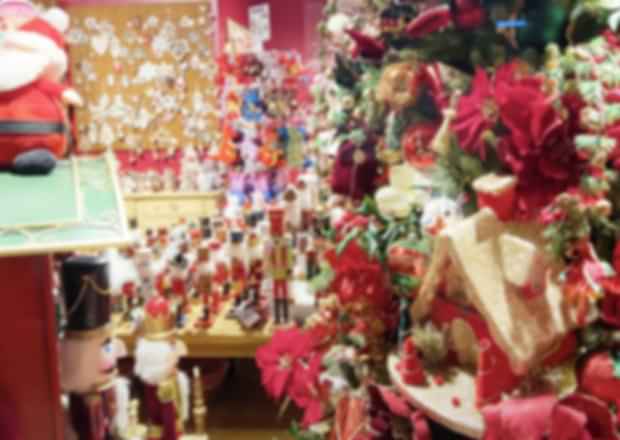
Christmas in Europe is not just a season; it’s a transformation of entire European cities into cultural experiences shaped by centuries of tradition. Markets are not tourist attractions; they originated as medieval winter trade fairs. Decorations are not aesthetic choices; they are tied to religious, regional, and seasonal rituals. This is why choosing the best places for Christmas in Europe is not about picking the “prettiest” city; it’s about choosing the experience you want:
- Do you want traditional Christmas markets?
- A snowy, postcard-perfect Christmas?
- A budget-friendly festive trip?
- Or a luxury winter escape?
This blog breaks down Europe’s Christmas destinations by experience, helping you plan a trip that actually matches your expectations, not just Instagram, whether you’re browsing Europe tour packages or planning a personalised Europe itinerary.
What are the best places for Christmas in Europe?
The best Christmas destinations in Europe include Vienna, Prague, Strasbourg, Lapland, Tromsø, Budapest, and Colmar. These cities offer the most authentic combination of Christmas markets, festive traditions, winter landscapes, and cultural experiences.
How to Choose the Right Christmas Destination in Europe
Before picking a city, understand this: Not all Christmas experiences in Europe are the same
| If you want… | Go to… |
| Traditional markets | Vienna, Strasbourg, Cologne |
| Budget-friendly trip | Prague, Budapest, Krakow |
| Snowy Christmas | Lapland, Tromsø, Zermatt |
| Romantic escape | Hallstatt, Colmar |
| Mild winter | Lisbon, Barcelona |
This is where most travellers go wrong; they choose randomly instead of aligning the destination with the experience.
Best Christmas Markets in Europe (Where the Tradition Lives)
Vienna, Austria — The Most Complete Christmas Experience
Vienna doesn’t just host Christmas markets; it preserves them. The city treats Christmas as a cultural event, not a seasonal attraction. What you’ll actually experience:
- Choirs singing in historic squares
- Artisans selling handcrafted ornaments (not mass-produced goods)
- Warm lighting across imperial architecture
The Rathausplatz market is the main hub, but the real charm lies in exploring smaller neighbourhood markets.
What to eat:
- Kaiserschmarrn (shredded pancakes)
- Glühwein (mulled wine)
- Roasted chestnuts
What most guides don’t tell you: Vienna markets close early (around 9–10 PM), so evenings are about atmosphere, not nightlife.
Best for: First-time Christmas travellers + couples on Europe honeymoon package
Strasbourg, France — The Most Authentic Historic Christmas
Strasbourg feels like Christmas was invented here. The city’s half-timbered houses and canals amplify the festive atmosphere. What sets it apart:
- The entire city centre becomes a Christmas zone
- Decorations are elaborate but rooted in tradition
- Strong Franco-German cultural blend
Key experience: Walking through Petite France at night, quieter, more atmospheric than the main square.
Food to try:
- Bredele (Christmas cookies)
- Flammekueche
- Vin chaud
Best for: Cultural travellers, photographers
Prague, Czech Republic — Best Value & Visual Impact
Prague offers one of the most visually stunning Christmas setups in Europe, at a fraction of Western Europe prices.
What makes Prague special:
- Gothic skyline enhances lighting and decorations
- Large central Christmas tree in Old Town Square
- Street performances and live music
What to do beyond markets:
- Walk across Charles Bridge at sunrise
- Visit Prague Castle in winter fog
Budget advantage: Food, transport, and accommodation are significantly cheaper than in Vienna or Paris.
Best for: Budget travellers who still want a premium experience
Cologne, Germany — The Most Atmospheric Market Setting
Germany is the origin of Christmas markets, and Cologne is one of its strongest representations.
What stands out:
- Markets spread across the city, each with a theme
- Cathedral backdrop creates dramatic visuals
- Strong festive traditions
Must-visit markets:
- Cathedral Market (most famous)
- Harbour Market (unique riverside vibe)
Best for: Classic Christmas market experience
Best Places for a Snowy Christmas in Europe
This is where Christmas shifts from festive to cinematic. These are some of the best places to visit in Europe to experience snow during Christmas:
Tromsø, Norway — Arctic Christmas + Northern Lights
Tromsø is not about markets, it’s about raw winter experience. What makes it unique:
- Polar night (sun barely rises)
- Northern Lights visibility
- Arctic landscapes
Experiences that define Tromsø:
- Northern Lights chasing tours
- Dog sledding
- Fjord exploration
This is not a “city trip”, it’s an experience-driven destination
Lapland, Finland — The Most Immersive Christmas Destination
Lapland is designed around Christmas, but without feeling artificial. What you’ll experience:
- Meeting Santa Claus (yes, the official one)
- Staying in glass igloos under the Northern Lights
- Reindeer safaris
What people underestimate:
Temperatures can drop to -15°C or lower; preparation is critical.
Best for: Families, once-in-a-lifetime trips
Hallstatt, Austria — The Quiet Christmas
Hallstatt is the opposite of busy Christmas markets. What makes it special:
- Silence
- Snow-covered lakeside views
- Minimal crowds
This is where you go to feel Christmas, not just see it
Zermatt, Switzerland — Luxury Winter Christmas
Zermatt combines festive charm with high-end alpine living. What defines it:
- Ski slopes + Christmas vibe
- Premium hotels and chalets
- Matterhorn backdrop
Best for: Luxury travellers
Budget-Friendly Christmas Destinations in Europe
Travelling to Europe during Christmas doesn’t have to mean high costs. While cities like Paris and Zurich spike in price, several destinations offer a full festive experience at nearly half the budget, without compromising on atmosphere, culture, or charm. The key is choosing cities where local traditions remain strong, but tourism pressure is lower.
Budapest, Hungary — Best Value Overall
Budapest offers one of the best price-to-experience ratios in Europe during Christmas. You still get grand architecture, lively markets, and festive energy—just without Western Europe pricing.
Why it stands out:
- Christmas markets at Vörösmarty Square and St. Stephen’s Basilica are among the best in Eastern Europe
- Food, drinks, and souvenirs are significantly cheaper than in Austria or Germany
- The city feels lively but not overwhelmingly crowded
What elevates the experience:
- Soaking in thermal baths like Széchenyi during winter evenings
- Trying chimney cake (Kürtőskalács) and Hungarian goulash at market stalls
Krakow, Poland — Authentic & Underrated
Kraków feels closer to what Christmas markets originally were: community-driven, cultural, and less commercialised. It’s quieter than Prague but equally atmospheric.
Why it stands out:
- One of Europe’s most beautiful medieval squares (Rynek Główny) was transformed into a festive market
- Strong local traditions with handcrafted goods instead of mass-produced items
- Lower tourist volume means a more relaxed experience
What makes it special:
- Horse-drawn carriages around the Old Town
- Traditional Polish dishes like pierogi and oscypek (smoked cheese)
Zagreb, Croatia — Surprise Christmas Destination
Zagreb has consistently ranked among the top Christmas markets in Europe, yet it remains surprisingly affordable and less crowded.
Why it ranks high:
- The entire city participates; markets are spread across squares, parks, and streets
- Live music, skating rinks, and street performances create a lively atmosphere
- Prices are still lower compared to Central Europe
What most travellers miss:
- Zagreb feels more like a festival than a market, interactive, social, and energetic
- Strong local food scene with Croatian winter delicacies
Lisbon, Portugal — Christmas Without the Cold
Lisbon offers a completely different perspective on Christmas in Europe, festive but without harsh winter conditions.
Why it works:
- Mild temperatures (10–18°C) make exploring comfortable
- Christmas lights and markets still create a festive vibe
- Lower travel costs compared to peak winter destinations
What to expect:
- Local Christmas markets and street decorations
- Seasonal Portuguese desserts like Bolo Rei
- A relaxed, slow-paced festive atmosphere
How to Plan a Christmas Trip in Europe (Step-by-Step)
Step 1: Define Your Experience First
Decide what kind of Christmas you want: festive markets, snowy landscapes, budget travel, or a luxury winter escape. This choice will shape your destinations and itinerary.
Step 2: Limit Your Itinerary to 2–3 Cities
Avoid overpacking your trip. Europe looks compact on a map, but winter travel takes time. Fewer cities = deeper experiences and less travel fatigue.
Step 3: Book Everything Early
Christmas is peak season. Flights, hotels, and even train tickets start selling out by October, with prices rising sharply closer to December.
Step 4: Plan Smart Intercity Travel
Use trains for shorter routes across Central Europe (scenic and efficient), and flights for longer distances. A well-planned route can save both time and money.
Best Time to Visit Europe for Christmas
- Late November: Markets open
- Early December: Best balance
- 20–25 Dec: Peak festive vibe
- Post 25 Dec: Markets start closing
Cost of Christmas Trip to Europe
Here is the cost of the Europe trip during Christmas:
| Type | Cost (INR) |
| Budget | ₹1.5L – ₹2.2L |
| Mid-range | ₹2.5L – ₹4L |
| Luxury | ₹4.5L+ |
Common Mistakes to Avoid
- Trying to cover too many cities during the peak festive season: Christmas markets and winter experiences are meant to be slow and immersive. Rushing through multiple cities means you miss the atmosphere that makes Europe magical in December.
- Booking too late for Christmas travel: Europe’s festive season is one of the busiest times of the year. Flights, hotels, and even train tickets sell out early, and prices surge sharply after October.
- Not checking Christmas market dates: Not all markets run through Christmas Day. Many close by 24th December, especially in cities like Vienna and Munich, so timing your trip is critical.
- Underestimating winter weather conditions: European winters can be harsh, with freezing temperatures, snow, and shorter daylight hours. Poor planning can disrupt travel and sightseeing.
Conclusion
The best places for Christmas in Europe are not defined by popularity; they’re defined by the experience you choose. Whether it’s the cultural richness of Vienna, the snowy magic of Lapland, or the budget charm of Prague, each destination offers a completely different version of Christmas. Plan your journey with customised Europe packages to combine destinations efficiently and make the most of the festive season.
FAQs
1. Which country is best for Christmas in Europe?
For a classic festive experience, Austria, Germany, and France are the best, known for their traditional Christmas markets, decorations, and atmosphere. For a snowy, magical winter setting, Norway and Finland offer more immersive Arctic experiences.
2. Where can you experience a white Christmas in Europe?
Destinations like Lapland (Finland), Tromsø (Norway), Switzerland, and Austria offer the highest chances of snowfall, especially in late December.
3. What are the cheapest Christmas destinations in Europe?
Cities like Budapest, Kraków, and Zagreb are among the most budget-friendly, offering festive markets and experiences at lower costs compared to Western Europe.
4. When do Christmas markets open in Europe?
Most Christmas markets begin in mid to late November and typically run until 24th December, with some extending to the New Year depending on the city.
5. Is Europe crowded during Christmas?
Yes, especially during Christmas week (20–25 December). For fewer crowds and better prices, early December is the best time to visit.
Europe Tour Package @ 48,268
Art Galleries. Marvellous Bridges. Delectable Cuisine. Customizable Itineraries
View Europe Packages

Recommended articles for you







Discover Packages














Europe City Packages
Packages By Departure City
Packages By Theme
Europe Combo Packages
Europe Nearby Destinations

Need help in planning?
Talk to our Travel Experts