
Europe in June: Why It’s the Best Time to Visit Europe from India
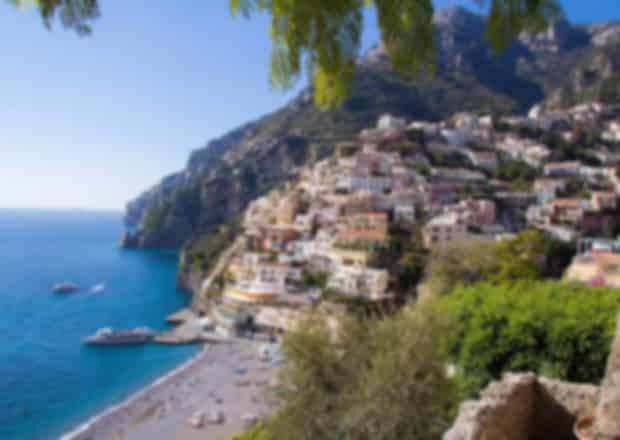
Planning a trip to Europe in June is one of the smartest travel decisions, especially for Indian travellers looking for the perfect mix of weather, experiences, and value. This is when Europe transforms into a summer paradise, with blooming landscapes, café culture, long daylight hours, and vibrant cities across its most beautiful countries like France, Switzerland, and Italy.
But here’s what most blogs don’t tell you: June offers the best balance of weather, pricing, and crowd levels, making it the most efficient month to travel Europe. This blog goes beyond generic advice to give you everything you actually need, covering Europe climate in June, Europe temperature in June, and real weather insights, the best places to visit in June Europe, a smart 10-day Europe itinerary from India, a clear Europe trip cost breakdown, and a step-by-step Schengen visa guide for Indians, along with insider tips to help you plan better, spend smarter, and experience Europe at its absolute best.
Key Takeaways: Europe in June
- Best time to visit Europe: Late May to June (perfect balance of weather + crowds)
- Ideal trip duration: 10–14 days for a multi-country itinerary
- Visa for Indians: Schengen Visa required
- Currency used: Euro (€) across most countries
- Flight time from India: Approximately 8–11 hours
- Average trip cost from India: ₹1.5 lakh to ₹5 lakh per person
- Europe temperature in June: It ranges between 18°C and 28°C
- Weather in Europe in June: Pleasant, sunny, and ideal for sightseeing with low rainfall
In short, Europe climate in June is comfortable, scenic, and perfect for exploring multiple countries efficiently.
Europe Climate in June: Weather, Temperature & What to Expect
Understanding the Europe climate in June is key to planning your itinerary smartly.
Europe Temperature in June (Region-Wise Breakdown)
| Region | Temperature | Weather |
| Western Europe | 18–25°C | Pleasant & sunny |
| Southern Europe | 22–30°C | Warm & beach-friendly |
| Northern Europe | 10–20°C | Cool & scenic |
Cities like Paris, Amalfi, and Barcelona experience ideal weather in Europe in June for sightseeing.
What Makes June Weather in Europe Perfect?
- Long daylight hours (up to 16 hours)
- Minimal rainfall compared to spring
- Comfortable for walking tours
Simply put: Europe in June weather = maximum exploration, minimum discomfort.
Why Visit Europe in June
June offers the perfect balance of pleasant weather in Europe, long daylight hours, and manageable crowds, making it the most efficient time to explore multiple destinations.
1. Best Weather to Explore Europe
Unlike the July–August heat, June gives you:
- Comfortable walking conditions
- Clear skies for photography
- Ideal outdoor experiences
2. Longer Days = More Value for Money
- Sunset in Amsterdam ~10 PM
- Sunset in Zurich ~9:30 PM
You can cover more places in Europe in June without rushing.
3. Perfect Timing Before Peak Season
- Hotel prices in June are typically 15–25% lower than peak July–August rates in cities like Paris and Amsterdam.
- Manageable crowds
- Better hotel availability
4. Europe Feels Alive
- Street cafés
- Festivals
- Open-air concerts
This is when Europe feels vibrant, not just scenic.
Best Places to Visit in June Europe (Top Destinations)
If you’re searching for the best places to visit in June Europe, these destinations offer maximum value:
1. Paris, France – Iconic Summer Experience
Paris comes alive in June with warm sunshine, romantic evening strolls, lively café culture, and scenic Seine river cruises, making it an unforgettable summer destination. With perfect weather and long daylight hours, it stands out as one of the best places to see in Europe in June for a mix of culture, charm, and iconic experiences.
Tip: Paris museums are less crowded on weekday mornings, so try to visit during these hours!
2. Switzerland – Nature & Snow Combo
Switzerland in June offers a rare contrast of snow-capped peaks and lush green valleys, making it one of the most scenic destinations in Europe. A visit to Jungfraujoch lets you experience snow even in summer, while the lower regions bloom with vibrant landscapes, placing it among the best countries to visit in Europe in June.
Note: Book Jungfraujoch before 10 AM to avoid cloud cover
3. Amalfi Coast, Italy – Coastal Luxury
In June, the Amalfi Coast dazzles with sun-soaked cliffs, turquoise waters, and postcard-perfect villages, making it a dream summer escape. From relaxing at chic beach clubs to enjoying scenic coastal drives and boat tours along the Mediterranean, it stands out as one of the most beautiful places to see in Europe in June.
Note: Amalfi roads get congested post 11 AM
4. Barcelona, Spain – Beach & Culture
In June, Barcelona offers the perfect blend of sun, sea, and culture, where vibrant beaches meet stunning architecture. Exploring icons like Sagrada Família alongside relaxed beach time makes it an ideal destination for those seeking a perfect mix of relaxation and exploration in Europe.
5. Amsterdam, Netherlands – Scenic & Vibrant
Amsterdam in June feels effortlessly lively with its sunlit canals, blooming streets, and buzzing café culture. From scenic canal cruises to cycling through charming neighbourhoods, the city offers a refreshing, laid-back vibe, making it one of the most unique places to see in Europe in June.
Top Things to Do in Europe in June
If you’re planning to visit Europe in June, this is when experiences truly come alive. Here are some of the best things to do in Europe in June that go beyond basic sightseeing:
- Gondola Ride in Venice: Drift through the romantic canals of Venice as historic architecture surrounds you. June’s warm evenings make this experience even more magical, especially during sunset.
- Cable Car Ride in Zermatt: Take a cable car up to breathtaking alpine views where snow still blankets the peaks even in summer. It’s one of the most unique ways to experience the Europe climate in June, where snow and greenery coexist.
- Wine Tasting in Tuscany: Explore rolling vineyards under the summer sun and indulge in authentic wine-tasting sessions. June is harvest-prep season, making it one of the best experiences in Europe for food and wine lovers.
- Beach Day in Nice: Relax along the stunning French Riviera with crystal-clear waters and lively beach clubs. With ideal Europe temperature in June, this is the perfect coastal escape.
- Pub Hopping in Prague: Experience Europe’s nightlife at its best with Prague’s iconic pubs and vibrant atmosphere. The extended daylight and summer buzz make it one of the top things to do in Europe for social travellers.
Unique & Offbeat Places to See in Europe in June
Most blogs stick to the obvious, but if you want your trip to feel truly special, this is where you stand out. These underrated destinations offer some of the most unique experiences, especially with the pleasant weather in Europe in June and fewer crowds compared to hotspots.
- Bled – A serene lakeside escape surrounded by mountains, perfect for slow travel, scenic views, and peaceful boat rides.
- Cinque Terre – Visit early morning to experience colourful cliffside villages without crowds, making it one of the most photogenic places to see in Europe in June.
- Norway – Witness the magical midnight sun, where daylight stretches into the night, one of the most surreal natural experiences in Europe.
These hidden gems are not just destinations; they’re experiences that elevate your Europe itinerary, making them some of the most underrated yet unforgettable places to see in Europe in June.
Suggested 10-Day Europe Itinerary from India
Planning a European trip becomes much easier when your itinerary is structured smartly. This 10-day route is designed for Indian travellers to cover the best places to visit in June Europe while keeping travel time efficient and experiences diverse.
Day 1–3: Paris
Start your journey in Paris, where you explore the Eiffel Tower, wander through the artistic halls of the Louvre, and enjoy a relaxing Seine river cruise. With pleasant weather, these long, scenic days allow you to soak in the city without rushing.
Day 4–6: Switzerland
Head to Interlaken, the adventure capital surrounded by mountains and lakes. Take a day trip to Jungfraujoch for a surreal snow experience, and enjoy panoramic scenic train journeys through lush green valleys, one of the highlights of Europe climate in June.
Day 7–8: Italy
Explore the romantic canals of Venice with a gondola ride and dive into Renaissance beauty in Florence. This leg offers a perfect blend of culture, architecture, and local experiences—ideal for those looking for the best places to see in Europe in June.
Day 9–10: Amsterdam
Wrap up your trip in Amsterdam with a canal cruise, cycling through charming streets, and exploring its vibrant neighbourhoods. The city’s relaxed vibe and long summer evenings make it a perfect ending to your Europe itinerary.
Europe Trip Cost from India (June Detailed Breakdown)
Here is the complete cost of the Europe trip from India in June:
Flight Cost from India to Europe
- Economy return flights: ₹45,000 – ₹80,000
- Peak June pricing (late bookings): ₹70,000+
Tip: Book 6–10 weeks in advance to lock the best fares
Schengen Visa Cost for Indians
- Visa fee: ~₹7,200 (€80)
- VFS service charges: ₹1,500–₹2,500
- Travel insurance: ₹1,000–₹2,000
Total visa cost: ₹10,000 – ₹12,000 approx
Accommodation Cost (Per Night)
| Type | Cost |
| Budget (Hostels/Airbnb) | ₹3,000 – ₹6,000 |
| Mid-range (3–4 star) | ₹7,000 – ₹15,000 |
| Luxury (5-star) | ₹18,000+ |
Food Cost Per Day
- Budget: ₹1,500 – ₹2,500
- Mid-range: ₹3,000 – ₹6,000
- Fine dining: ₹7,000+
Transport Cost (Within Europe)
- Eurail pass (10 days): ₹25,000 – ₹40,000
- Budget flights: ₹3,000 – ₹8,000 per route
- Local transport: ₹800 – ₹1,500/day
Attractions & Activities
The pricing for this differs for different activities. It can range from ₹1,000 and can go beyond ₹15,000+
Total Europe Trip Cost from India (June)
| Travel Style | Cost per Person |
| Budget | ₹1.5L – ₹2.2L |
| Mid-range | ₹2.5L – ₹4L |
| Luxury | ₹5L+ |
Schengen Visa for Indians (June Travel Insight)
If you’re planning to visit Europe in June, getting your Schengen visa is straightforward, but timing is everything. June is peak travel season from India, which means visa appointment slots fill up fast and processing queues get longer.
To avoid last-minute stress:
- Apply at least 4–6 weeks in advance
- Book your visa slot before finalising flights
- Choose your main country (like France or Switzerland) wisely for smoother processing
In short, the visa isn’t difficult, but for June travel, early planning makes all the difference.
Read More: How to get a Schengen Visa
Travel Tips for Indians Visiting Europe in June
- Carry ready-to-eat food
- Use the Eurail pass
- Carry adapters
- Book attractions early
Final Thoughts: Is Europe in June Worth It?
If you want great weather, longer days, and the chance to experience multiple destinations at their best, Europe in June is hard to beat. It’s the perfect time to travel without the extreme crowds or heat of peak summer. If you’d rather skip the planning hassle, consider exploring Europe packages to make your trip smoother, more organised, and truly memorable.
FAQs: Europe in June
Is June a good time to visit Europe?
Yes, June is one of the best times to visit Europe due to pleasant weather, long daylight hours, and vibrant summer activities. It allows travellers to explore multiple destinations comfortably without the extreme crowds and heat of peak July–August.
How much does a Europe trip cost from India in June?
A Europe trip from India in June typically costs between ₹1.5 lakh and ₹5 lakh per person, depending on your travel style, destinations, and duration. Budget travellers can manage around ₹1.5–2 lakh, while luxury trips can exceed ₹5 lakh.
Is Europe expensive in June?
Europe is moderately expensive in June as it marks the start of peak season. Prices are higher than May but still lower than July–August. Booking flights and hotels early can help reduce overall costs significantly.
What is the weather in Europe in June?
The weather in Europe in June is pleasant and ideal for travel, with temperatures ranging from 18°C to 28°C across most regions. It’s perfect for sightseeing, outdoor activities, and exploring cities comfortably.
Is June better than July for European travel?
Yes, June is often better than July as it offers similar weather with fewer crowds and slightly lower prices. It’s considered the sweet spot before the peak tourist rush hits most European destinations.
Which countries are best to visit in Europe in June?
France, Switzerland, Italy, Spain, and the Netherlands are among the best countries to visit in Europe in June due to their ideal weather, scenic beauty, and wide range of experiences.
How many days are enough for a European trip from India?
A 10–14-day itinerary is ideal for a Europe trip from India, allowing you to explore 3–4 countries comfortably without rushing while covering major attractions and experiences.

Recommended articles for you












Discover Packages



















Europe City Packages
Packages By Departure City
Packages By Theme
Packages By Duration
Europe Combo Packages
Europe Nearby Destinations

Need help in planning?
Talk to our Travel Experts