
Finland Tourism Guide: Complete Travel Guide for Your Perfect Nordic Adventure

Finland is where nature, innovation, and Nordic charm come together. From the magical Northern Lights in Lapland to the design-forward streets of Helsinki, Finland offers an unmatched mix of wilderness, culture, and comfort. This Finland tourism guide is your all-in-one resource for planning a seamless trip, covering the best time to visit, must-see destinations, travel costs, visa information, and insider tips from local experiences.
A 7-day trip to Finland from India can cost around €730–€2,000 (₹78,840–₹2.16 lakh) per person, depending on your travel style, season, flights and accommodation. Whether you’re chasing the Northern Lights, exploring the Midnight Sun or experiencing Finnish saunas and lakeside serenity, this Finland travel guide will help you plan your journey.
Key Takeaways
- Best time for Finland tourism: December to March for winter activities and Northern Lights viewing, June to August for lakes, hiking and long daylight hours, and September for autumn colours.
- Budget planning: A 7-day trip from India can cost approximately €730–€2,000 (₹78,840–₹2,16,000) per person, including estimated return international flights. Domestic travel and activities can increase the total.
- Trip duration: Plan 7–10 days for a first visit combining Helsinki and Lapland. Allow extra days if you want to explore more regions at a relaxed pace.
- Best regions: Helsinki for urban culture, Rovaniemi for Santa Claus Village and Arctic experiences, Levi for skiing and winter sports, and Finnish Lakeland for summer cottage experiences.
- Visa requirements: Indian citizens require a Schengen visa for stays of up to 90 days within any 180-day period.
Best Time to Visit Finland: Weather, Seasons & Ideal Months
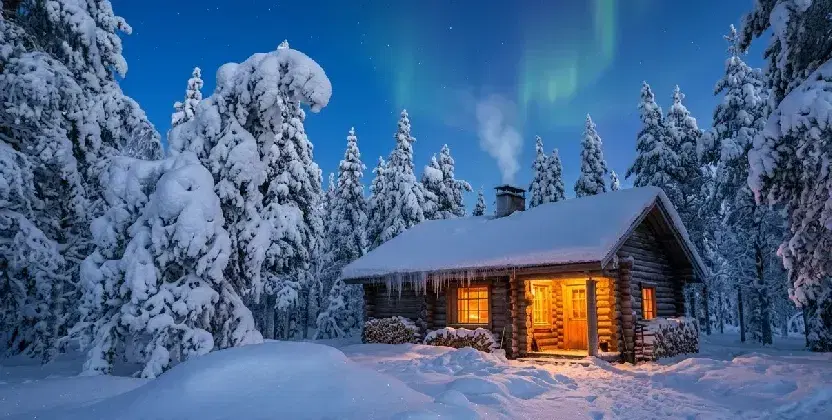
The best time to visit Finland depends on the experience you want. Winter is ideal for snow activities and the Northern Lights; summer is perfect for lakes, hiking and the Midnight Sun, while autumn brings colourful ruska foliage and quieter landscapes.
However, the Midnight Sun is not experienced across all of Finland. It is a Lapland phenomenon, where the sun remains above the horizon for several weeks around summer. In Rovaniemi, the Midnight Sun season is approximately 6 June to 7 July, while farther north in Lapland, it lasts longer.
Winter in Finland: December to March
Finland in winter transforms the country into a snowy wonderland, particularly in Lapland. It is also the most popular season for Finland tourism, thanks to Christmas experiences, snow activities and Northern Lights opportunities. Temperatures can range from around -5°C to -30°C, especially in northern areas. December is ideal for Christmas experiences, while January to March offers excellent conditions for snow activities and aurora viewing.
Try husky safaris, reindeer rides, snowmobiling, skiing and a visit to Santa Claus Village in Rovaniemi. For an aurora-focused holiday, explore Northern Lights packages for Lapland.
Spring in Finland: April to May
Spring brings longer days and gradually warmer temperatures, although conditions vary considerably by region. Southern Finland begins to warm up, while Lapland can remain snowy in April, with winter activities sometimes continuing into the month.
April is a transition period rather than a consistently snow-free spring season. May is generally better for city sightseeing, nature walks and exploring southern Finland as temperatures rise. Travellers visiting Lapland should check local snow conditions before planning outdoor activities.
Summer in Finland: June to August
Summer in Finland is one of the best seasons for exploring the country’s lakes, forests and cities. Temperatures generally range from 15°C to 25°C, although conditions vary by region. Long daylight hours make it ideal for hiking, kayaking, swimming, cycling and enjoying lakeside saunas.
The Midnight Sun is experienced in Lapland, particularly north of the Arctic Circle, from late May or early June through July. Spend long daylight hours hiking, kayaking, cycling or enjoying lakeside saunas. Helsinki and other southern destinations also offer festivals, outdoor events and vibrant waterfronts.
Autumn in Finland: September to November
Autumn in Finland brings ruska, the country’s spectacular foliage season, especially across Lapland. September is one of the best months to see forests covered in shades of red, orange and gold, with temperatures generally ranging from 5°C to 15°C.
As nights become longer, Northern Lights viewing opportunities return to Lapland. September and October are ideal for travellers seeking quieter hiking trails, peaceful forests and fewer crowds. By November, temperatures drop further, and winter conditions begin returning to northern Finland, making it a good time to experience the transition into the snowy season.
Northern Lights in Finland: Forecasts, Apps and Viewing Tips
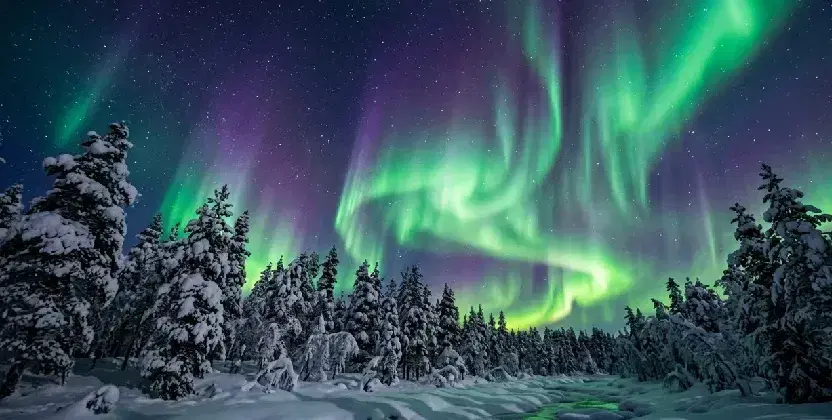
The Northern Lights, or aurora borealis, are a major reason travellers visit Finnish Lapland between September and March. Rovaniemi, Levi, Saariselkä and Inari are popular bases, but sightings depend on solar activity, darkness, cloud cover and local weather.
How to improve your chances
- Allow 2–3 nights: Staying in Lapland for multiple nights gives you more opportunities to see the aurora if one evening is cloudy. It does not guarantee a sighting.
- Check the KP index: The KP index indicates geomagnetic activity. Higher readings can mean stronger auroral activity, but a high KP value does not guarantee visibility at your location. Clear skies and darkness are also essential.
- Use reliable forecast tools: The Finnish Meteorological Institute’s Local Weather app provides weather forecasts and short-term aurora information for Finland. Check local cloud cover and aurora forecasts before heading out.
- Join a guided tour: Northern Lights tours often leave city centres at night to find darker skies with less cloud cover. Guides may drive to another viewing area when conditions change.
- Dress warmly: Tours can involve standing outdoors for extended periods, sometimes in temperatures well below freezing. Ask whether thermal suits and boots are provided.
Santa Claus Village is primarily a Christmas-themed attraction and is not a guaranteed Northern Lights viewing spot. Although auroras may occasionally be visible nearby, viewing is better planned around dark locations with suitable weather conditions.
Important: No tour operator can guarantee the Northern Lights. Book flexible activities where possible, check cancellation terms and avoid planning your entire trip around a single viewing night.
Finland Visa for Indian Travellers: Schengen Requirements & Application Process
Indian citizens require a Schengen visa for travelling to Finland, with applications submitted through the Finnish Embassy or authorised visa application centres like VFS Global. The Schengen visa allows stays of up to 90 days within any 180-day period across Schengen member countries.
Required documents include a valid passport, a completed application form, recent photographs, travel insurance, flight reservations, hotel bookings, and financial proof demonstrating sufficient funds for the trip. Processing typically requires 15 working days, though applying at least one month before travel is recommended.
The standard Schengen visa fee for adults is €90 (approximately ₹9,720). Children aged 6–11 pay €45 (approximately ₹4,860). VFS Global may charge an additional service fee.
Finland Trip Cost from India in 2026
A 7-day Finland trip from India can cost approximately €913–€1,525 (₹98,604–₹1,64,700) per person on a budget, or €1,522–€2,741 (₹1,64,376–₹2,95,? ) for a mid-range holiday. The estimates below assume 6 nights and 7 days, include return international flights, and exclude unpriced domestic flights or transfers. Actual costs depend on season, booking dates and activities.
Expense | Budget | Mid-range | Luxury |
| Return international flights | €415–€555 (₹44,820–₹59,940) | €510–€695 (₹55,080–₹75,060) | €645–€830+ (₹69,660–₹89,640+) |
| Schengen visa and insurance | €83–€111 (₹8,964–₹11,988) | €83–€111 (₹8,964–₹11,988) | €83–€139 (₹8,964–₹15,012) |
| Accommodation for 6 nights | €192–€450 (₹20,736–₹48,600) | €450–€1,110 (₹48,600–₹1,19,880) | €1,110–€2,220+ (₹1,19,880–₹2,39,760+) |
| Food for 7 days | €98–€161 (₹10,584–₹17,388) | €196–€294 (₹21,168–₹31,752) | €322–€518 (₹34,776–₹55,944) |
| Local transport for 7 days | €35–€63 (₹3,780–₹6,804) | €98–€161 (₹10,584–₹17,388) | €210+ (₹22,680+) |
| Lapland activities | €90–€185 (₹9,720–₹19,980) | €185–€370 (₹19,980–₹39,960) | €370–€925+ (₹39,960–₹99,900+) |
| Estimated 7-day total | €913–€1,525 (₹98,604–₹1,64,700) | €1,522–€2,741 (₹1,64,376–₹2,95,? ) | €2,740–€4,852+ (₹2,95,920–₹5,24,016+) |
Tip: For a first trip combining Helsinki and Lapland, keep a separate allowance for domestic travel. Flights between Helsinki and Rovaniemi, and transfers between Rovaniemi and Levi, can add significantly to the overall budget.
Top Places to Visit in Finland
Finland offers a mix of vibrant cities, Arctic landscapes and peaceful lakeside escapes. From Helsinki’s historic landmarks to Rovaniemi’s Christmas attractions and Lapland’s wilderness, these are some of the top places to visit in Finland for an unforgettable trip across different seasons.
Top Finland Tourist Places
1. Helsinki: Finland’s capital is an excellent starting point for a first trip. Explore Senate Square, Helsinki Cathedral, Suomenlinna Sea Fortress and Market Square. Helsinki is also known for its design scene, waterfront cafés and Finnish saunas.
2. Rovaniemi: Located in Finnish Lapland, Rovaniemi is one of Finland’s most popular destinations for families and first-time visitors. Known as the official hometown of Santa Claus, it offers Arctic experiences, winter activities and opportunities to join Northern Lights tours during the darker months.
3. Lapland: Finnish Lapland is ideal for travellers seeking Arctic adventures and varied seasonal landscapes. Destinations such as Rovaniemi, Levi, Saariselkä and Ylläs offer skiing, husky safaris and Northern Lights excursions in winter, as well as hiking and outdoor activities during the warmer months.
4. Levi: Levi is one of Finland’s popular ski resorts and an excellent destination for winter sports. Visitors can enjoy skiing, snowboarding, snowmobile rides, reindeer safaris and Northern Lights excursions during the winter season. In summer, the area offers hiking, cycling and scenic outdoor experiences.
5. Saariselkä: This peaceful Arctic destination in northern Lapland is surrounded by forests and fell landscapes. It is popular for Northern Lights viewing, glass-igloo stays and winter activities. During the snow-free months, visitors can explore hiking trails and the surrounding wilderness.
6. Tampere: Tampere combines urban attractions with Finland’s famous lake landscapes. Known for its sauna culture, it is a good choice for travellers who want to experience Finnish life beyond Helsinki and Lapland. Museums, waterfront areas and nearby lakes make it appealing throughout the year.
7. Turku: Finland’s oldest city is a great destination for history and culture. Visit Turku Castle, Turku Cathedral and the Aura River, and explore the city’s restaurants and riverside cafés. Summer is particularly pleasant for enjoying the waterfront.
8. Porvoo: Porvoo is one of Finland’s most charming historic towns, known for its colourful wooden houses and cobbled Old Town. It makes an easy day trip from Helsinki and is ideal for a slower-paced experience, with seasonal cafés and riverside scenery.
9. Kemi: Located on the Gulf of Bothnia, Kemi is known for its SnowCastle attractions and winter experiences. The SnowCastle's snow-and-ice structures are rebuilt for the winter season and are typically available during the colder months, often from around January into early spring. Exact opening dates and attractions vary each year, so check the current season's schedule before visiting. Kemi is also the departure point for Icebreaker Sampo cruises during the winter ice season.
10. Åland Islands: This autonomous archipelago between Finland and Sweden is known for its peaceful islands, rocky coastline and maritime heritage. It is ideal for cycling, boating and exploring small coastal communities, particularly during the warmer months.
Famous Landmarks in Finland
- Helsinki Cathedral: An iconic neoclassical landmark overlooking Senate Square and Helsinki’s harbour.
- Suomenlinna Fortress: A UNESCO-listed sea fortress spread across six islands, with museums, cafés and historic fortifications.
- Santa Claus Village: Meet Santa Claus, cross the Arctic Circle and explore Christmas-themed attractions in Rovaniemi. Santa Claus Village is open year-round, and the Arctic Circle line can be crossed in every season. Late November and December bring the main Christmas atmosphere, while winter generally offers the best chance of snowy scenery. Northern Lights viewing is possible during dark nights from approximately late August or September to early April, depending on weather and solar activity. Snow, daylight and available activities vary throughout the year.
Cultural and Historical Places to Visit in Finland
- National Museum of Finland: Traces Finnish history from prehistoric times to independence.
- Ateneum Art Museum: Home to Finland’s greatest artworks and national treasures.
- Old Rauma: A charming UNESCO wooden town with colourful houses and cobblestone streets.
- Sami Cultural Centre Sajos: Explore the traditions and modern life of Finland’s indigenous Sami people.
Best Family-Friendly Attractions in Finland
- Moomin World: Meet the beloved Moomins in this storybook theme park in Naantali.
- Linnanmäki Amusement Park: Helsinki’s fun park with rides, roller coasters, and an aquarium.
- Ranua Wildlife Park: Arctic zoo featuring polar bears, lynx, and Arctic foxes in natural habitats.
- SantaPark Arctic World: An underground Christmas theme park in Rovaniemi where children can meet Santa Claus, explore elf-themed attractions and enjoy festive activities. Unlike Santa Claus Village, SantaPark operates seasonally rather than year-round. For the 2026–2027 season, it is scheduled to open from 31 October 2026 to 23 January 2027.
Best Things to Do in Finland
Finland Food Guide: What and Where to Eat
Taste Finland’s pure, hearty cuisine rooted in local ingredients and Nordic traditions. Try karjalanpiirakka (Karelian pasties), poronkäristys (sautéed reindeer), and kalakukko (fish-filled rye bread). In summer, enjoy fresh berries and herring; in winter, root vegetables and game meats. Don’t miss Finnish coffee culture; pair your brew with pulla, a cardamom-scented sweet bread.
Shopping in Finland: Best Markets and Malls for Souvenirs
Finland is known for minimalist design, local handicrafts, food products and practical Scandinavian-style goods. From traditional market halls in Helsinki to Lapland souvenir shops, shopping is a great part of Finland tourism and a good way to take home a piece of its culture.
- Hakaniemi Market Hall: A historic market hall since 1914, offering Finnish food, crafts, textiles and local souvenirs.
- Old Market Hall, Helsinki: Harbour-side market with Finnish delicacies, smoked fish, chocolates, cheeses and berry products.
- Stockmann Department Store: Iconic Helsinki department store for Finnish brands, fashion, homeware, food and gifts.
- Iittala & Arabia Design Centre: Shop iconic Finnish glassware, ceramics and home décor inspired by Nordic design.
- Rovaniemi Christmas Markets: Seasonal markets offering Lapland crafts, woollens, reindeer-themed souvenirs and festive treats.
- Finnish Design Shops: Browse Finnish designer clothing, jewellery, stationery, homeware and popular Marimekko prints.
- Lapland Handicraft Shops: Find reindeer products, woollen accessories and traditional crafts in Rovaniemi, Saariselkä and nearby destinations. Check the authenticity of Sámi-inspired products before buying.
What to Buy in Finland
Some of the best Finnish souvenirs include Iittala glassware, Arabia ceramics, Marimekko products, Finnish chocolates, berry products, woollen accessories, wooden crafts and traditional handicrafts. For edible souvenirs, look for cloudberry products, rye-based snacks and Finnish sweets.
Outdoor Adventures and Nature Trails in Finland
Finland is an excellent destination for outdoor experiences, with vast forests, thousands of lakes, Arctic landscapes and well-maintained national park trails. These experiences are an important part of Finland tourism, ranging from Northern Lights tours in Lapland to kayaking and hiking in the warmer months.
- Northern Lights Tours: Head to Finnish Lapland between September and March for a chance to see the Northern Lights. Rovaniemi, Saariselkä, Levi and Ylläs are popular bases for guided aurora tours away from city lights.
- Husky Safaris: Experience the Arctic landscape on a traditional dog-sledging adventure. Short rides are suitable for first-time visitors, while longer safaris offer a deeper experience of Lapland's snowy forests.
- Kayaking on Lake Saimaa: Lake Saimaa is Finland’s largest lake and is made up of countless islands, bays and waterways. Kayaking here offers a peaceful way to explore Finland’s famous lake district during summer.
- Midnight Sun Hikes: From around May to July, northern Finland experiences exceptionally long daylight hours. In Lapland, visitors can hike late into the evening under the Midnight Sun without complete darkness.
- Hiking in National Parks: Finland has several national parks with marked trails through forests, wetlands, lakes and Arctic landscapes. Nuuksio National Park near Helsinki is convenient for a day trip, while Urho Kekkonen National Park offers more remote Arctic scenery.
- Snowshoeing: Snowshoeing is a slower and accessible way to explore Lapland's snowy forests during winter. Guided walks often combine forest trails with opportunities to spot wildlife and, under suitable conditions, the Northern Lights.
- Finnish Sauna Rituals: Sauna is an important part of Finnish culture and can be experienced across the country. Traditional experiences may combine a hot sauna with a dip in a lake or, during winter, a brief cold-water experience.
How to Reach Finland
From Airports
- Helsinki-Vantaa Airport (HEL): Just 18 km from the city, connected by the Ring Rail Line (30 mins to Central Station). Finnair buses and taxis offer quick transfers to hotels and downtown.
- Rovaniemi Airport: Main gateway to Lapland with buses, hotel shuttles, and tour transfers to resorts and the city centre.
Public Transport, Trains & Car Rentals in Finland
- Trains (VR): Fast, reliable network linking major cities. High-speed Pendolino trains cover the south; overnight sleepers connect Helsinki to Lapland.
- Public Transport: Helsinki’s metro, trams, buses, and ferries run on unified tickets with real-time travel apps. Other cities have efficient bus systems.
- Car Rentals: Ideal for exploring nature and national parks. Winter driving requires studded tyres and caution on icy roads.
- Long-Distance Buses: Connect rural towns and national parks; a budget-friendly alternative to trains with year-round routes.
Vegetarian, Jain and Halal Food in Finland
Indian travellers can find vegetarian meals in Finland, particularly in larger cities and tourist centres. However, Jain dietary requirements, strict vegan preferences and halal certification should be discussed with restaurants in advance.
Vegetarian and Indian food
Helsinki has Indian restaurants serving dishes such as dal, paneer curries, vegetable biryani, dosa and vegetarian thalis. Options include Ravintola Mughal, which lists vegetarian and vegan dishes. Rovaniemi also has Indian and Nepalese restaurants, including Curry Masala, with vegetarian dishes on its menu. Check current opening hours and menus, particularly during the busy winter season.
Finnish restaurants and supermarkets also offer vegetarian soups, salads, potatoes, vegetables, berries and plant-based alternatives. Look for vegetarian labels, but check the ingredients rather than relying on the dish name alone.
Jain food requirements
Jain travellers who avoid onion, garlic, root vegetables or food prepared using shared utensils should contact restaurants before arrival. A dish labelled vegetarian may still contain onion, garlic, potatoes or other ingredients that do not meet Jain requirements. Self-catering from supermarkets can offer greater control over ingredients.
Halal food
Helsinki has restaurants offering halal food, including some Indian and Middle Eastern establishments. Confirm the restaurant's current halal status and whether the specific meat or dish is halal. Do not assume that every Indian restaurant serves halal meat.
Finnish foods to check
- Sausages: May contain pork, beef or other meats, so check the ingredients and preparation method.
- Kalakukko and herring: These are fish-based dishes and are unsuitable for vegetarians.
- Rye bread and pastries: Check for butter, milk, eggs, animal-derived ingredients or fillings when following strict dietary rules.
- Soups and sauces: May contain meat stock, cream or other ingredients not immediately obvious from the menu.
Useful Finnish terms include kasvis (vegetarian), vegaani (vegan) and gluteeniton (gluten-free). Explain any strict dietary restrictions clearly to restaurant staff.
7-Day Finland Winter Itinerary
This 7-day winter itinerary is designed for travel from late November to March, when snow activities and Northern Lights tours are generally available in Lapland. Snow conditions and aurora visibility vary, so sightings and activities cannot be guaranteed.
Day | Destination | What to do | Overnight |
| Day 1 | Helsinki | Arrive, check in and explore Senate Square and Helsinki Cathedral if time permits. Allow for jet lag and recovery after the international journey. | Helsinki |
| Day 2 | Helsinki | Visit Suomenlinna, Oodi Library and Market Square; enjoy a traditional Finnish sauna. | Helsinki |
| Day 3 | Helsinki → Rovaniemi | Fly to Rovaniemi, with an approximate flight time of 1 hour 20 minutes. Visit Santa Claus Village if arrival time permits. Join an evening Northern Lights tour only if conditions and timing allow. | Rovaniemi |
| Day 4 | Rovaniemi | Enjoy a husky safari or reindeer experience and visit a local Arctic attraction. Consider an aurora tour in the evening if the previous night was unavailable or conditions were poor. | Rovaniemi |
| Day 5 | Rovaniemi → Levi | Travel to Levi by road, allowing approximately 3–4 hours depending on the route and conditions. Check in and explore the resort. | Levi |
| Day 6 | Levi | Go skiing, snowshoeing or snowmobiling. Reserve an evening Northern Lights excursion if weather and visibility are favourable. | Levi |
| Day 7 | Levi → Helsinki | Travel to Kittilä Airport and fly to Helsinki. Allow time for airport transfers, flight schedules and possible weather disruption before an onward international flight. | Helsinki or onward flight |
7-Day Summer in Finland Itinerary
For travel between June and August, replace the winter itinerary with a route focused on cities, lakes, islands and outdoor activities.
Day | Destination | What to do | Overnight |
| Day 1 | Helsinki | Arrive, rest and explore the city centre and waterfront. | Helsinki |
| Day 2 | Helsinki | Visit Suomenlinna, Market Square and the Design District. | Helsinki |
| Day 3 | Helsinki → Tampere | Take a train to Tampere, explore the city and experience Finnish sauna culture. | Tampere |
| Day 4 | Tampere | Enjoy lake views, museums and nearby outdoor trails. | Tampere |
| Day 5 | Tampere → Helsinki | Return to Helsinki and continue towards the Finnish Lakeland region if your transport and accommodation arrangements allow. | Helsinki or Lakeland |
| Day 6 | Finnish Lakeland | Enjoy lakeside scenery, kayaking or a summer cottage experience. | Lakeland |
| Day 7 | Return journey | Travel back to Helsinki with sufficient time for your international departure. | — |
This summer route prioritises long daylight hours, nature and cultural attractions rather than snow-based activities. Check train connections and accommodation availability before finalising the route.
Where to Stay in Finland: Best Hotels by Budget
Luxury Hotels and Resorts (€185+ / ₹19,980+ per night)
- Arctic TreeHouse Hotel, Rovaniemi: Stylish treehouse rooms with panoramic Arctic views and easy access to Lapland experiences.
- Hotel Kämp, Helsinki: Historic luxury hotel in central Helsinki, close to major attractions, shopping and restaurants.
- Levin Iglut – Golden Crown, Levi: Glass-roofed igloos offering views of the northern skies.
- Manta Resort, Pyhtää: A coastal retreat suited to travellers seeking privacy and nature.
Mid-Range Hotels in Finland (€75–€185 / ₹8,100–₹19,980 per night)
- Hotel F6, Helsinki: Boutique hotel in central Helsinki, ideal for exploring the city on foot.
- Santa Claus Holiday Village, Rovaniemi: Comfortable cottages near Santa Claus Village, popular with families and couples.
- Break Sokos Hotel Tahko, Tahko: A convenient choice for skiing and outdoor activities.
- Scandic Tampere City, Tampere: Centrally located with easy access to restaurants, attractions and transport.
Budget Hotels and Hostels (€32–€75 / ₹3,456–₹8,100 per night)
- Hostel Café Koti, Helsinki: Affordable central accommodation with shared and private rooms.
- Guesthouse Borealis, Rovaniemi: A simple stay near Rovaniemi’s railway station.
- Hotel Cumulus Koskikatu, Tampere: A practical option for travellers seeking a convenient city-centre stay.
- Santa’s Igloos Arctic Circle, Rovaniemi: An Arctic-style stay whose prices may exceed the typical budget range.
Hotel categories are indicative rather than fixed. Rates vary by season, room type and availability, particularly during the winter Northern Lights season.
Currency, Cards and Payments in Finland
Finland is largely cashless, and Visa, Mastercard and contactless mobile payments are widely accepted at shops, restaurants, hotels and transport providers. Carrying a small amount of euros can still be useful for occasional situations where cash is preferred.
Payment tips for Indian travellers
- Forex cards: A euro-loaded forex card can help manage travel spending and reduce exposure to repeated currency conversions. Check loading, ATM withdrawal, cross-currency and inactivity fees with your provider.
- Indian debit and credit cards: International transactions may attract foreign currency conversion mark-ups, bank fees and applicable taxes. Check your card's fee schedule before departure.
- Dynamic currency conversion: If a payment terminal offers to charge you in INR or EUR, choosing EUR generally avoids the merchant's INR conversion rate. Your card issuer's own charges may still apply.
- Cash withdrawals: Check international ATM withdrawal charges and avoid unnecessary small withdrawals.
- Tipping: Tipping is optional in Finland because service is generally included in the bill. Rounding up or leaving a small amount for excellent service is appreciated but not expected.
Keep a backup payment method separate from your main card, and inform your bank of any travel-related restrictions or security requirements before departure.
Finland Travel Essentials: Currency, Language, and Emergency Info
| Essential | Details |
| Currency | Euro (€); €1 ≈ ₹108 |
| Visa | Indian citizens require a Schengen visa (up to 90 days) |
| Major Airports | Helsinki-Vantaa (HEL), Rovaniemi (RVN), Tampere-Pirkkala (TMP) |
| Transportation | Trains, buses, trams, and car rentals |
| Weather | Subarctic/Continental; Summer (Jun–Aug) 15–25°C, Winter (Dec–Mar) -5°C to -30°C |
| Emergency Numbers | General Emergency: 112 |
| Languages | Finnish and Swedish (official); English is widely spoken in tourist areas |
Why Book Your Finland Holiday With Us
Finland tourism offers the perfect mix of Nordic culture, pristine landscapes and unforgettable Arctic experiences. The country offers something magical for every traveller, whether you're couples seeking Northern Lights romance, families creating Christmas memories, or adventurers pursuing outdoor challenges. Planning becomes seamless when booking a Finland holiday package through expert travel services. Knowledgeable advisors design personalised itineraries that balance urban culture with wilderness experiences according to individual interests and seasonal opportunities. Comprehensive support throughout your journey ensures smooth travels and immediate assistance for any unexpected situations.
Frequently Asked Questions About Finland Tourism
1. How many days are enough to visit Finland?
A: A 7-day trip is enough for a focused visit combining Helsinki and selected destinations in Lapland or the Finnish Lakeland region. For a more relaxed first trip, plan 7–10 days, allowing additional time for transfers, weather-related changes and outdoor activities. A longer stay is better if you want to explore several regions.
2. What is the average Finland travel cost per day?
A: Travellers should budget around €80–€150 (₹8,640–₹16,200) per person per day for a mid-range Finland trip, covering accommodation, meals, local transport and attractions. Budget travellers may spend around €56–€97 (₹6,048–₹10,476) per day, while luxury travel can exceed €260 (₹28,080) per day.
3. Do Indian citizens need a visa to visit Finland?
A: Yes, Indian travellers require a Schengen visa to visit Finland. The standard adult visa fee is €90 (approximately ₹9,720), excluding any additional service charges. The visa permits stays of up to 90 days within a 180-day period.
4. How cold is Finland in winter, and what should I pack?
A: Winter temperatures in Finland vary by region. Helsinki can average around −5°C, while Finnish Lapland averages approximately −14°C, with temperatures occasionally dropping to −30°C. Pack thermal base layers, fleece or woollen mid-layers, a windproof and waterproof winter jacket, insulated trousers, warm boots, gloves, a hat and thermal socks. Many Lapland tour operators rent thermal suits and boots for winter activities.
5. How many nights do I need for a good chance of seeing the Northern Lights?
A: Plan at least 2–3 nights in Finnish Lapland to improve your chances of seeing the Northern Lights. The aurora season generally runs from late August to early April, but sightings depend on clear skies, darkness and solar activity. Check local weather and aurora forecasts, and consider a guided tour that can travel away from cloud cover and artificial lights. Sightings are never guaranteed.
6. Is Finland safe for Indian tourists and solo women travellers?
A: Finland is generally considered a safe destination for Indian tourists and solo women travellers. However, use normal precautions, keep valuables secure and plan transport carefully when travelling at night. During winter, wear suitable footwear to avoid slipping on ice and dress warmly for sub-zero temperatures. Save 112, Finland's emergency number, for urgent police, ambulance or fire assistance.
7. Is vegetarian or Indian food easy to find in Finland?
A: Vegetarian and Indian food is available in major cities such as Helsinki and in tourist destinations such as Rovaniemi. Indian restaurants may offer dal, paneer dishes, vegetable curries and rice dishes, while supermarkets stock vegetables, bread, salads and plant-based alternatives. Jain travellers should confirm that meals do not contain onion, garlic or root vegetables if these are excluded from their diet. Check ingredients in soups, sauces and packaged foods, and confirm halal requirements directly with restaurants.
8. Can I use Indian cards or UPI in Finland?
A: International Visa and Mastercard debit or credit cards are widely accepted in Finland, and the country is largely cashless. Indian cards may incur foreign transaction mark-ups, currency conversion charges and applicable taxes, so check your bank's fees before travelling. UPI is not a standard payment method across Finnish shops and restaurants; carry an international card or euro-loaded forex card as your primary payment option. Keep a backup payment method available.
9. Do I need an International Driving Permit in Finland?
A: Indian travellers should check Finland's current foreign-driving licence requirements before renting a car. Depending on the licence format and applicable rules, an International Driving Permit (IDP) or an official translation may be required. Carry your original Indian driving licence and confirm the documentation accepted by the rental company. If you are unfamiliar with snow and icy roads, public transport or organised transfers may be a safer choice.
10. Can I visit Finland and other Schengen countries on one visa?
A: Yes, a valid Schengen visa generally allows travel between Finland and other Schengen countries during the visa's validity, subject to its entry conditions and permitted duration of stay. If you are visiting several countries, apply through the country where you will spend the longest time. If your stay is equally divided, apply through the country of first entry, in accordance with Schengen application rules.
11. How early should I apply for a Schengen visa for Finland?
A: Indian travellers can generally apply for a Schengen visa up to six months before their planned trip. Submit your application well in advance, ideally several weeks to a few months before departure, and book your appointment as early as possible. Standard processing usually takes around 15 days, but it can take longer if additional checks are required or appointments are limited. Apply through the authorised visa application centre indicated by the Finnish mission in India.