
Anuradhapura Travel Guide: Best Places to Visit, Things to Do & Travel Tips
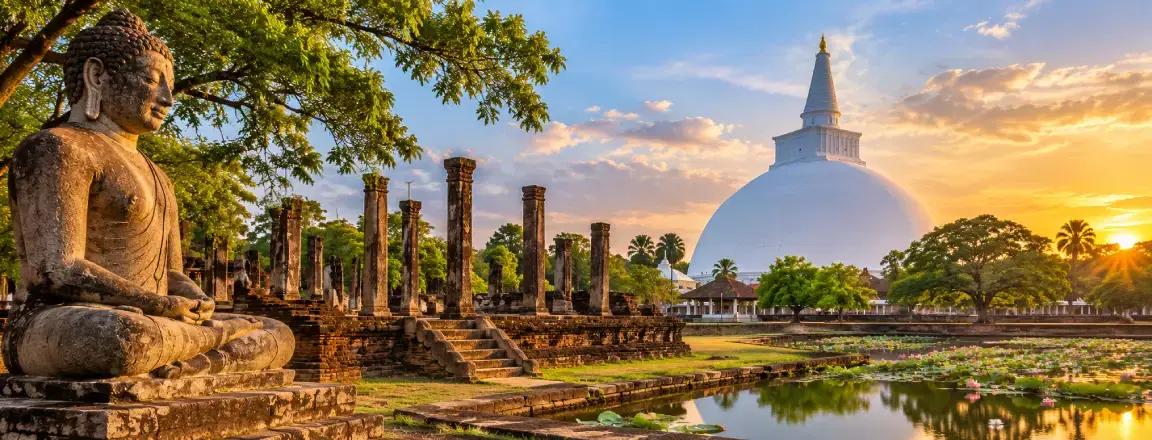
Planning a Sri Lanka trip and wondering whether Anuradhapura is worth the detour? This ancient sacred city is one of the country's best places to experience Buddhist heritage, enormous stupas and archaeological ruins in one sprawling landscape. A jewel of Sri Lanka tourism, Anuradhapura captivates visitors with its peaceful atmosphere, towering stupas, and centuries-old temples. Whether you want to admire historic landmarks, experience local culture, or enjoy scenic surroundings, this destination promises something unique for every traveller. This Anuradhapura Travel Guide covers what to see, how much time to allow, how to explore the area and how to fit this city into your Sri Lanka tour packages.
Is Anuradhapura Worth Visiting?
Yes, Anuradhapura is worth visiting, especially if you’re interested in Sri Lanka’s ancient history, Buddhist heritage, and cultural landmarks. As one of the country’s oldest capitals and a UNESCO World Heritage Site, the city is home to ancient stupas, monasteries, sacred sites, and impressive ruins spread across a vast archaeological area.
Anuradhapura is also a great addition to a 7-day Sri Lanka itinerary for travellers who want to:
- Explore one of Sri Lanka's most important ancient cities
- See enormous Buddhist stupas and historic monasteries
- Visit the sacred Jaya Sri Maha Bodhi
- Experience important Buddhist pilgrimage sites
- Explore a large archaeological landscape by bicycle, tuk-tuk or private vehicle
- Combine heritage sightseeing with nearby destinations such as Mihintale and the Cultural Triangle
It may be less appealing if your ideal Sri Lanka holiday is mainly about nightlife, shopping or spending long days at the beach.
Anuradhapura at a Glance
Category | Details |
| Location | North Central Province, Sri Lanka |
| Known for | Ancient ruins, Buddhist heritage, stupas and sacred sites |
| Best time to visit | May to September |
| Ideal duration | 1–2 days |
| Top attractions | Sri Maha Bodhi, Ruwanwelisaya, Jetavanaramaya, Abhayagiri Vihara and Isurumuniya |
| UNESCO status | UNESCO World Heritage Site |
| Best for | History, culture, architecture, spirituality and photography |
| Getting around | Tuk-tuk, bicycle, taxi or private car |
| Nearest major airport | Bandaranaike International Airport, Colombo |
| Suggested pairing | Sigiriya, Dambulla and Polonnaruwa |
Best Time To Visit Anuradhapura
The best time to visit Anuradhapura is from May to September, when the island’s dry zone generally experiences more favourable conditions for exploring its ancient ruins and sacred sites. Sri Lanka Tourism identifies May to September as the better period for the dry-zone regions, while October and November can bring heavier showers across the island.
Months | Anuradhapura Weather | What to Expect | Best For |
| May – June | Hot with decreasing rainfall | Warm days with some rain, particularly in May; plan outdoor sightseeing for the morning | Exploring the ancient city |
| July – September | Hot and comparatively drier | Lower rainfall generally makes outdoor sightseeing easier, although afternoons can still be hot | Cycling and exploring the ruins |
| October – November | Wetter with higher rainfall | Frequent showers can interrupt outdoor plans, so keep your itinerary flexible | Flexible travellers |
| December – February | Warm with relatively lower rainfall | Generally pleasant for sightseeing, with cooler mornings and less rain than the wetter months | Sightseeing and first-time visitors |
| March – April | Hot and humid | High temperatures can make long periods outdoors uncomfortable, especially around midday | Early-morning sightseeing |
Best Places to Visit in Anuradhapura
There are numerous archaeological and religious sites across Anuradhapura. Rather than trying to tick every monument off your list, focus on the places that best represent the city's history and character.
1. Jaya Sri Maha Bodhi
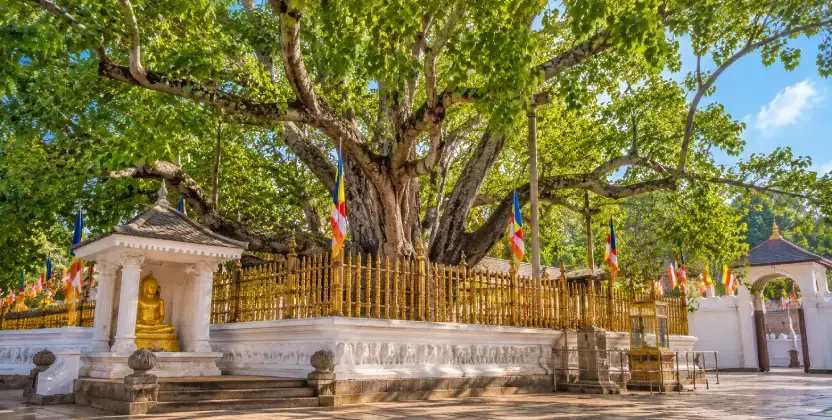
Jaya Sri Maha Bodhi is one of the most important Buddhist sites in Sri Lanka. The sacred fig tree is traditionally associated with a cutting brought from the original Bodhi tree in Bodh Gaya, India, during the 3rd century BCE. It remains an active place of worship, so the experience is very different from simply walking around an archaeological ruin.
Visit respectfully, dress appropriately and expect devotees to be present.
2. Ruwanwelisaya Stupa
If you are a first-time visitor, Ruwanwelisaya should be on your 10-day Sri Lanka itinerary. It is one of Anuradhapura's most recognisable stupas and remains an important Buddhist pilgrimage site.
Its large white dome makes it one of the most visually striking monuments in Sri Lanka. The stupa dates to the ancient Anuradhapura period and is closely associated with King Dutugemunu. Allow enough time to walk around the complex rather than treating it as a quick photo stop.
3. Abhayagiri Monastery
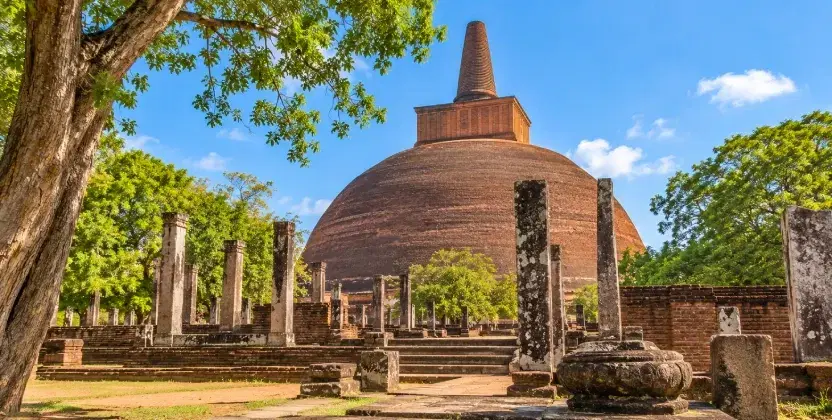
Abhayagiri is more than a single stupa. This site was part of a major monastic complex that played an important role in ancient Anuradhapura. It is also one of the UNESCO World Heritage Sites in Sri Lanka.
The wider area contains archaeological remains that give you a better sense of how extensive the ancient city once was. If you enjoy history and ruins, this is one of the places where slowing down pays off.
4. Jetavanaramaya
Jetavanaramaya is another enormous stupa within the ancient city of Anuradhapura, Sri Lanka.
Its massive brick construction gives you a sense of the engineering ambition of ancient Anuradhapura. It is also a useful reminder that the city's significance was not limited to individual temples; it was a large monastic and urban centre.
5. Mihintale
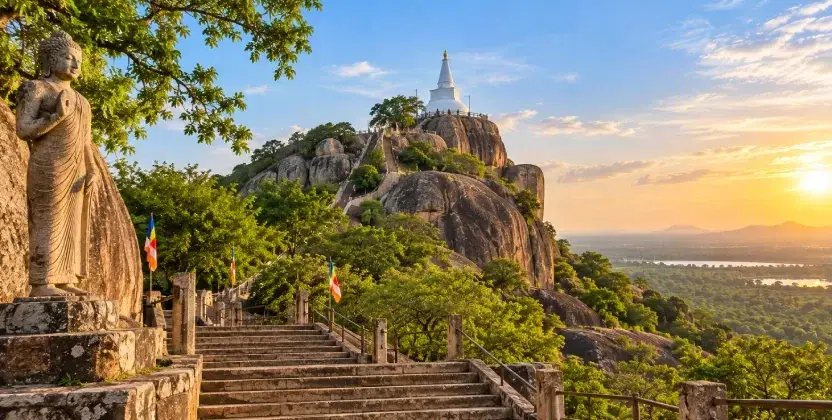
If religious history is important to you or you have enough time for an additional excursion, Mihintale is worth adding to your 5-day Sri Lanka itinerary. It is closely connected with the spread of Buddhism in Sri Lanka and the important pilgrimage destinations.
The complex involves steps and walking, so it is worth considering your fitness, the heat and the amount of time available before adding it to a packed sightseeing day.
7. Isurumuniya Temple
Isurumuniya is another historic Buddhist site associated with Anuradhapura and is worth visiting if you are interested in Sri Lankan history and early Buddhist art.
It is known for its ancient artistic and architectural features, including the sculpture commonly referred to as the Isurumuniya Lovers.
8. Thuparamaya
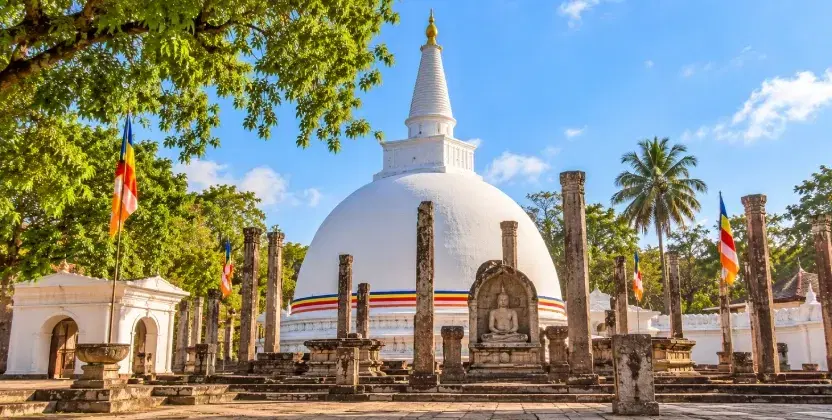
Thuparamaya is traditionally regarded as the earliest stupa built in Sri Lanka. Its historical importance makes it worth including in an Anuradhapura sightseeing route, particularly if you are interested in the development of Buddhism on the island.
9. Mirisavetiya Stupa
Mirisavetiya Stupa is one of the ancient monuments within Anuradhapura's sacred city. Its location among the surrounding ruins makes it a worthwhile stop as you explore the wider archaeological area.
If you have time beyond the main highlights, add Mirisavetiya to your route for a quieter look at Anuradhapura's Buddhist heritage and ancient architecture.
10. Kuttam Pokuna — Twin Ponds
The Kuttam Pokuna, or Twin Ponds, showcases the impressive water management and architectural skills of ancient Anuradhapura.
The two stone-lined ponds differ from the city's towering stupas and temples, offering a glimpse into the practical side of life in the ancient kingdom. Add them to your route if you want to see how engineering and everyday needs shaped the city alongside its religious monuments.
Things to Do in Anuradhapura
Cycle Around the Ancient City
Rent a bicycle and ride through Anuradhapura's sprawling archaeological area. It’s a fun way to explore at your own pace, with plenty of historic sites and peaceful stretches to discover along the way.
Soak Up the Spiritual Atmosphere
Take some time to observe local pilgrims, traditional rituals and daily worship at Anuradhapura's sacred Buddhist sites. It’s a chance to experience the city as a living place of pilgrimage, not just an archaeological site.
Spend Time by the Ancient Reservoirs
Take a break from sightseeing and enjoy the quieter surroundings of Anuradhapura's historic reservoirs. It’s a refreshing change of pace after exploring temples, stupas and ruins.
Explore Anuradhapura by Tuk-Tuk.
For a more relaxed sightseeing experience, hire a tuk-tuk and explore the ancient city with a local driver. It’s particularly useful if you want to cover several sites without spending the whole day walking or cycling.
Go on a Heritage Walk
Put your phone away for a while and wander through the ancient ruins on foot. A leisurely walk lets you notice smaller details, old stonework and quieter corners that can be easy to miss when you're simply ticking attractions off a list.
Try Authentic Sri Lankan Food
Make time for a local meal after a day of sightseeing. Try Sri Lankan dishes such as rice and curry, hoppers or kottu, and use the opportunity to experience the local food culture beyond the tourist attractions.
How Many Days Do You Need in Anuradhapura, Sri Lanka?
For most travellers, one full day in Anuradhapura is enough to explore the main highlights without feeling too rushed. Since the ancient city is spread across a large area, you’ll want to allow time for travelling between sites, walking around the ruins and taking breaks.
How to Reach Anuradhapura
Anuradhapura is well connected to other popular destinations in Sri Lanka, making it easy to add to a multi-city itinerary. You can reach the city by train, bus, car or taxi, depending on your budget, comfort and where you are travelling from.
Mode of Transport | Best For | What to Expect |
| Train | Budget travellers and those who enjoy scenic journeys | A comfortable way to travel from major cities, although journey times can vary depending on the route and service. |
| Bus | Budget-friendly travel | Regular buses connect Anuradhapura with several towns and cities. It can be an economical option, but journeys may take longer. |
| Private Car / Taxi | Families, couples and travellers who value comfort | A convenient option that gives you more flexibility with stops and makes it easier to combine Anuradhapura with other destinations. |
| Tuk-Tuk | Shorter local journeys | Useful for getting around once you're in the area rather than for long-distance travel. |
- Colombo to Anuradhapura Distance: The Colombo to Anuradhapura distance is approximately 200 km by road. The actual travel time depends on your route, traffic and mode of transport.
- From Kandy: You can reach Anuradhapura from Kandy by road or train. It can be a convenient stop if you're exploring Sri Lanka's cultural and historical attractions.
- From Sigiriya or Dambulla: Anuradhapura is easy to combine with Sigiriya and Dambulla, making it a practical addition to a Cultural Triangle itinerary. A private car or taxi offers the most flexibility if you want to visit multiple destinations along the way.
Travel tip: Choose your transport based on your overall itinerary rather than just the journey to Anuradhapura. If you're visiting several destinations, a private transfer can save time and make it easier to stop along the way.
Where to Stay in Anuradhapura?
Choosing the right place to stay in Anuradhapura can make your sightseeing days more comfortable, especially if you plan to explore the ancient city early in the morning. From comfortable mid-range hotels to peaceful boutique stays, there are several options to suit different budgets and travel styles.
- Heritage Hotel Anuradhapura: A popular 4-star hotel featuring an outdoor pool, gardens and rooms with balconies. Stays start at around LKR 34,400 (₹9,976) per night.
- Rajarata Hotel - Anuradhapura: A comfortable mid-range option near Rowing Club Road, offering convenient access to the town and nearby attractions. Rates start at approximately LKR 22,350 (₹6,482) per night.
- Aryana Boutique Hotel: A highly rated and peaceful boutique stay with clean rooms and a quiet garden setting. Standard rooms start at approximately LKR 22,900 (₹6,641) per night.
- The Ivy Lake: A relaxed, budget-friendly 3-star hotel offering bicycle rentals, making it a convenient choice for travellers who want to explore Anuradhapura's ancient ruins at their own pace. Rooms start at around LKR 7,500 (₹2,175) per night for two guests.
2-Day Anuradhapura Itinerary: What to See and Do
2 days in Anuradhapura give you enough time to explore the ancient city at a comfortable pace, visit its important Buddhist sites and take a day trip to nearby Mihintale.
Day 1: Discover the Sacred Side of Anuradhapura
- Morning: Start with Jaya Sri Maha Bodhi. Continue to Ruwanwelisaya Stupa and take some time to explore the surrounding area.
- Afternoon: Visit Thuparamaya and explore more of the city's ancient Buddhist heritage. Afterwards, head to Isurumuniya Temple and discover its historic surroundings.
- Evening: Take a relaxed walk around the ancient city as the temperature becomes more comfortable. Stop by a local restaurant for a Sri Lankan dinner.
Day 2: Explore the Ancient Ruins
- Morning: Begin at Abhayagiri Stupa and explore the surrounding archaeological remains. Continue to Jetavanaramaya Stupa, one of the city's most impressive monuments.
- Afternoon: Visit the Samadhi Buddha Statue. Explore the Kuttam Pokuna (Twin Ponds) then head to Mirisavetiya Stupa.
- Evening: Explore some of the quieter parts of the ancient city by bicycle or tuk-tuk. Take a break and enjoy the changing atmosphere as the day cools down.
Tips for Visiting Anuradhapura
- Best months: Plan your trip between January and September when the weather is driest, with June to August offering the lowest rainfall.
- Start early: Begin your explorations in the early morning to beat the intense afternoon heat.
- Transportation: Do not try to walk the whole complex in the hot sun. Rent a bicycle or hire a tuk-tuk for the day to cover the sprawling ruins comfortably.
- Dress code: Cover your shoulders and knees completely. This rule applies to both men and women at all religious sites.
- Shoes off: You must remove your shoes and hats before entering temple grounds.
- Wear socks: Walking barefoot on hot stone pavements around large stupas like Ruwanwelisaya during midday burns your feet. Pack a pair of thick socks to protect your soles.
Conclusion: Why Anuradhapura Should Be on Your Bucket List
Anuradhapura should be on your bucket list if ancient history, Buddhist heritage and cultural experiences appeal to you. One full day is enough for the main highlights, while two days suit travellers who prefer a slower pace. Pair it with Sigiriya and Dambulla for a Cultural Triangle trip, or add Polonnaruwa and Mihintale if history is your priority. If your holiday is short and relaxation matters more, prioritise the south coast. Ultimately, Anuradhapura is a strong choice for culture-focused travellers who want to experience Sri Lanka beyond its beaches and landscapes.
Pack your bags and get ready to explore the historical heart of Sri Lanka.
FAQs About Anuradhapura
1. What is special about Anuradhapura?
Anuradhapura is special for its ancient Buddhist heritage, enormous stupas, historic monasteries and archaeological ruins. It was an important capital of ancient Sri Lanka and remains a major pilgrimage destination. The sacred Jaya Sri Maha Bodhi, Ruwanwelisaya and Abhayagiri are among its most significant sites.
2. Is Anuradhapura worth visiting?
Yes, Anuradhapura is worth visiting if you enjoy ancient history, Buddhist heritage, architecture and cultural experiences. The city is home to major religious sites and a vast archaeological landscape that can be explored by bicycle, tuk-tuk, taxi or private vehicle. It is particularly worthwhile as part of a Cultural Triangle itinerary.
3. What are the best places to visit in Anuradhapura?
Some of the best places to visit in Anuradhapura include Jaya Sri Maha Bodhi, Ruwanwelisaya Stupa, Abhayagiri, Jetavanaramaya, Mihintale, Samadhi Buddha, Isurumuniya Temple, Thuparamaya, Mirisavetiya Stupa and Kuttam Pokuna. Choose the sites based on your available time rather than trying to cover everything in one visit.
4. What is the history of Anuradhapura?
Anuradhapura was one of the major ancient capitals of Sri Lanka and developed into an important centre of Buddhism, culture and political life. The ancient city flourished for centuries before it was eventually abandoned as a capital. Today, its ruins, stupas, monasteries and sacred sites form the UNESCO-listed Sacred City of Anuradhapura.
5. What is the Anuradhapura Kingdom famous for?
The Anuradhapura Kingdom is famous for its Buddhist heritage, large stupas, monasteries and sophisticated irrigation systems. The remains of the ancient city also showcase the architectural, engineering and artistic achievements of early Sri Lankan civilisation
6. Where is Anuradhapura located?
Anuradhapura is located in Sri Lanka's North Central Province. It is part of the country's Cultural Triangle and can be combined with destinations such as Sigiriya, Dambulla, Mihintale and Polonnaruwa
7. What is the best time to visit Anuradhapura?
The best time to visit Anuradhapura is from May to September, when the weather is generally warm and comparatively drier, making it easier to explore the ancient ruins and temples. Start your sightseeing early in the morning to avoid the strongest afternoon heat. October and November tend to be wetter, so outdoor plans may need more flexibility during these months.
8. How many days do you need in Anuradhapura?
One full day is enough to see many of Anuradhapura's main highlights at a comfortable pace. Allow two days if you prefer slower sightseeing, want to explore more archaeological sites or plan to include Mihintale. A half-day visit can work if you are combining Anuradhapura with another destination.
9. What are the best things to do in Anuradhapura?
The best things to do in Anuradhapura include cycling through the ancient city, exploring Buddhist sites, visiting the archaeological ruins, spending time around the historic reservoirs, taking a tuk-tuk ride and trying local Sri Lankan food. A trip to nearby Mihintale is another good option if you have additional time.
10. What is the weather like in Anuradhapura?
Anuradhapura has a tropical climate and remains warm throughout the year. Daytime temperatures can rise above 30°C, so early mornings are generally more comfortable for outdoor sightseeing. Rainfall varies by season, with October and November typically wetter than the relatively drier months.
11. How do you get to Anuradhapura from Colombo?
You can reach Anuradhapura from Colombo by train, bus, taxi or private car. The Colombo to Anuradhapura distance is approximately 200 km by road. A private car or taxi offers greater flexibility if you want to combine Anuradhapura with other destinations along the way.
12. What should you wear when visiting Anuradhapura?
Wear modest clothing when visiting Anuradhapura's temples and other religious sites. Cover your shoulders and knees, and be prepared to remove your shoes and headwear at temple grounds where required. Comfortable footwear and socks are useful because you may spend a lot of time walking outdoors.
13. Can you visit Anuradhapura in one day?
Yes, you can visit Anuradhapura in one day if you focus on the main highlights and plan your route in advance. Start early, group nearby attractions together and use a bicycle, tuk-tuk or private vehicle to reduce travel time between sites. If you want a slower experience, consider staying for two days.
14. Can you combine Anuradhapura with Sigiriya and Dambulla?
Yes, Anuradhapura can be combined with Sigiriya and Dambulla as part of a Cultural Triangle itinerary. The three destinations offer different experiences, from ancient Buddhist heritage in Anuradhapura to the rock fortress at Sigiriya and cave temples in Dambulla. A private car or taxi is particularly convenient when visiting several destinations.