
- Home
- Attractions
- Bali
- Bali Museum Denpasar: Complete Guide to Bali’s Cultural Heritage & History
Bali Museum Denpasar: Complete Guide to Bali’s Cultural Heritage & History
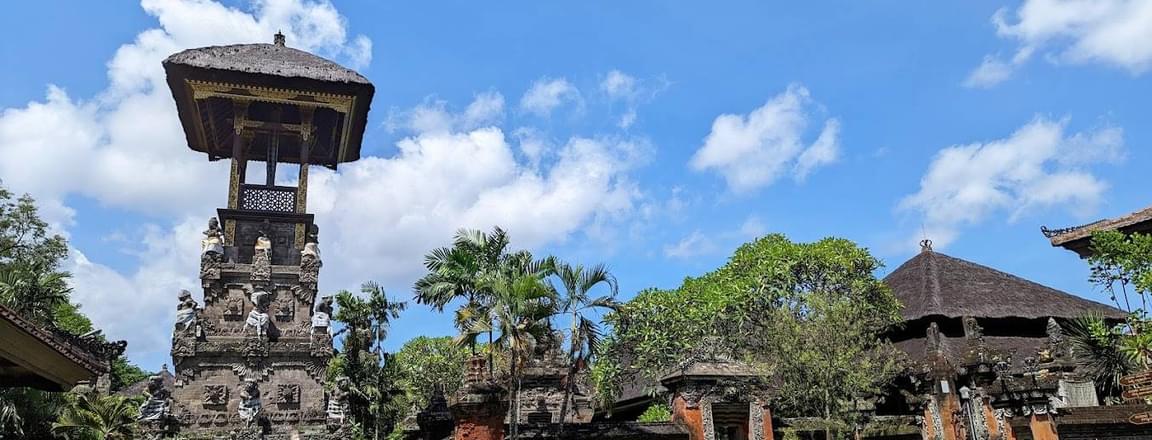
Bali Museum Denpasar is the island’s most important cultural heritage museum, offering a deep and authentic introduction to Balinese history, traditions, and Hindu customs. Located in the heart of Denpasar near Pura Jagatnatha, this ethnographic museum preserves over 10,000 artefacts spanning more than 2,000 years. From ancient stone sarcophagi and lontar manuscripts to ceremonial masks and royal weapons, the museum presents Bali’s evolution through well-curated exhibits housed in traditional palace-style buildings, making it a must-visit attraction for culture-focused travellers.
Why Visit Bali Museum Denpasar?
- Authentic Balinese architecture across three traditional palace buildings
- An extensive collection of lontar manuscripts and temple inscriptions
- Educational exhibits on Balinese Hindu culture and customs
- Budget-friendly cultural experience in Denpasar city centre
- Historical significance as Bali's first museum (officially inaugurated on December 8, 1932).
History of Bali Museum Denpasar: From Colonial Era to Cultural Landmark
Colonial Era Foundations (1910-1932): The museum concept was initiated in 1910 by Dutch resident W.F.J. Kroon, German architect Curt Grundler, and prominent Balinese royalty, with later significant contributions to the collection by Dr W.F. Stutterheim and artist Walter Spies. Balinese royalty from Tabanan, Buleleng, and Karangasem funded the Arca Building construction. In 1932, Dr W.F. Stutterheim established a foundation to manage the growing collection, leading to the official inauguration on December 8, 1932.
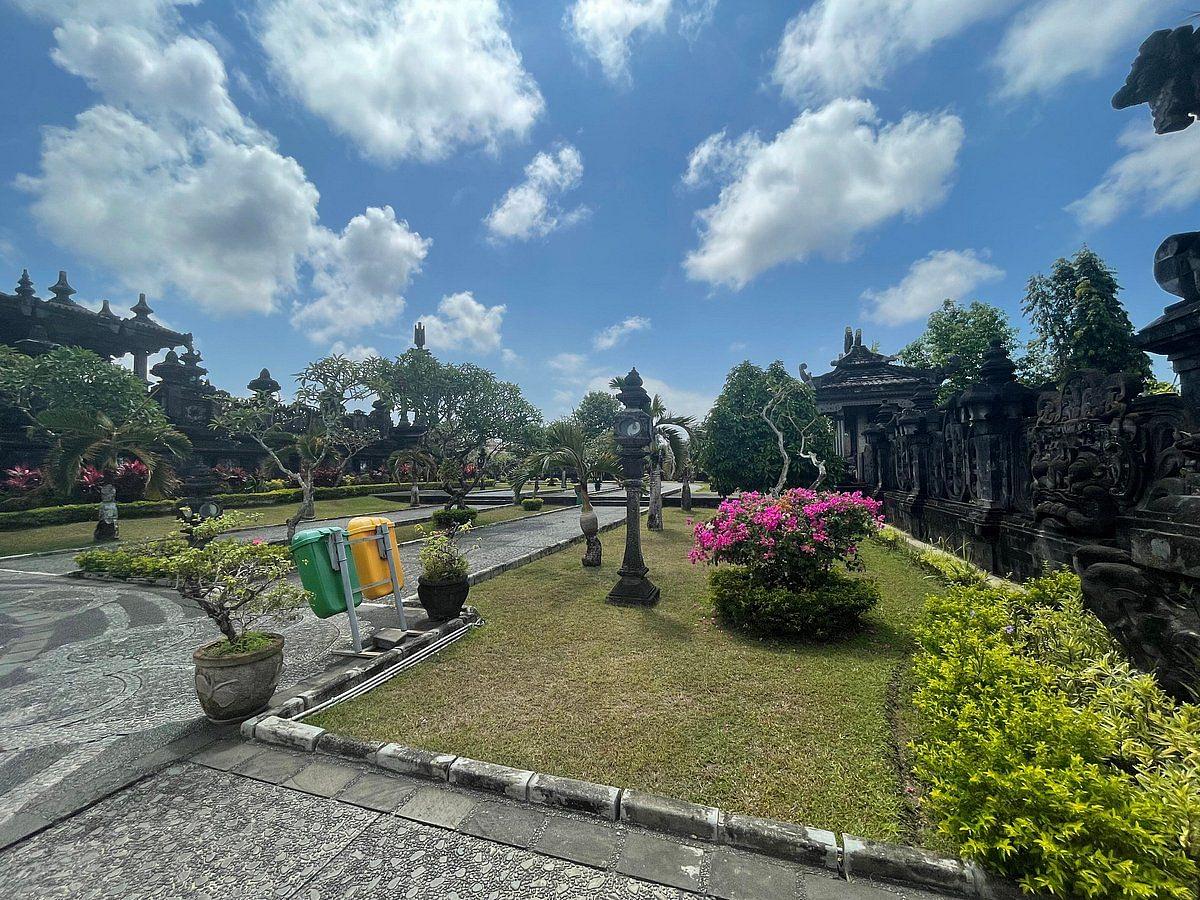
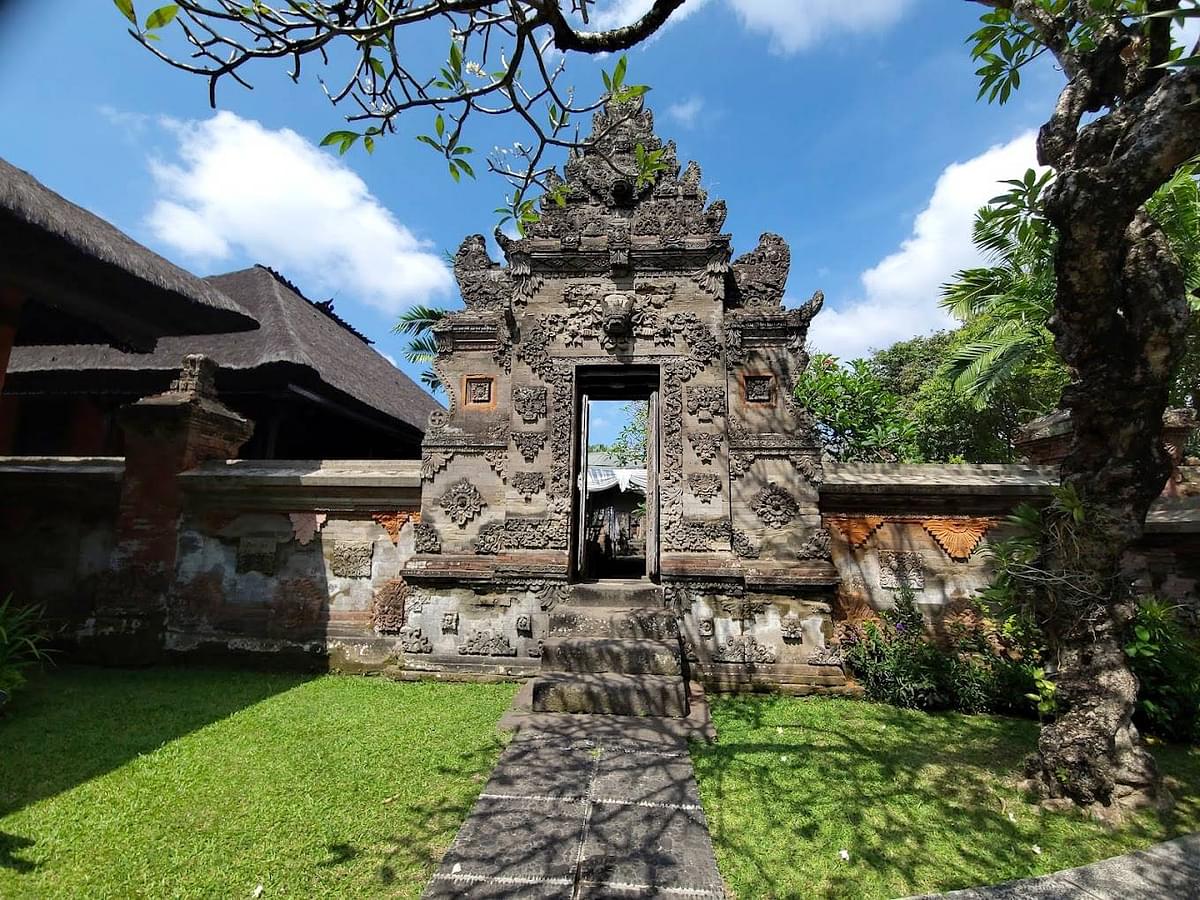
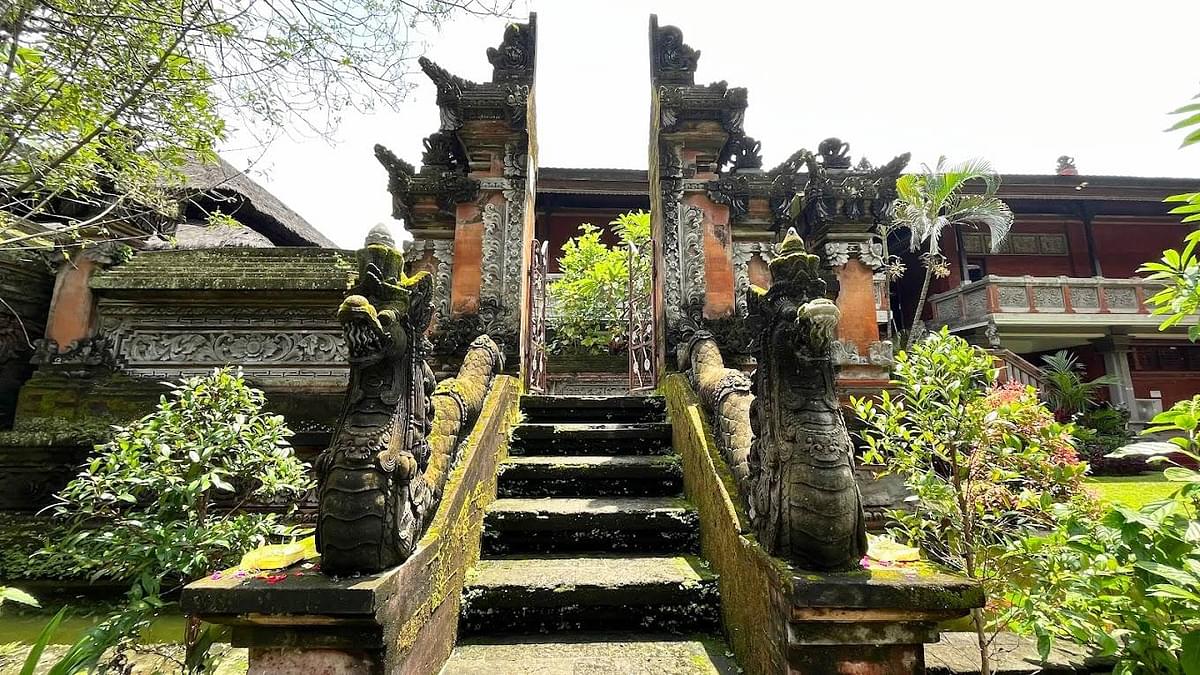
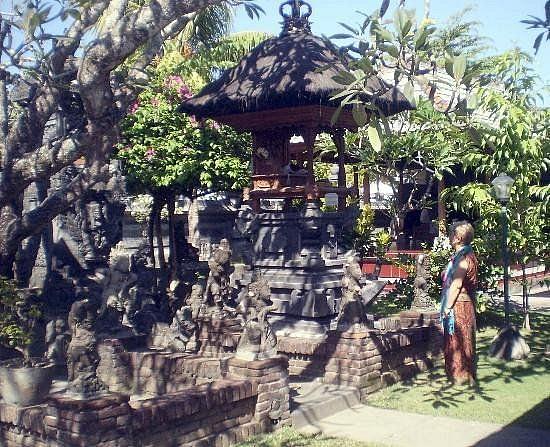
Museum Architecture: The complex features traditional Balinese palace architecture with carved stone gates, ornate pavilions, and landscaped gardens, making it one of the best cultural heritage sites in Bali.
Bali Museum Architecture: Traditional Balinese Palace-Style Design
Main Exhibition Buildings at Bali Museum
- Tabanan Building: Theatrical masks, musical instruments (gamelan), and dance costumes.
- Karangasem Building: Fine arts, including sculptures and paintings.
- Buleleng Building: Traditional textiles (Endek and Songket) and various ethnographic tools.
- Gedung Timur (East Building): Archaeological finds, including prehistoric sarcophagi and ancient bronze tools.
Notable Artifacts
- Stone sarcophagi dating from approximately 600–800 AD, from the pre-Hindu-Buddhist period
- Ancient lontar manuscripts with temple inscriptions
- Traditional Balinese weapons, including keris daggers
- Ceremonial masks used in sacred temple dances
- Bronze artefacts and pottery from prehistoric settlements
Bali Museum Denpasar Visitor Information
Bali Museum Opening Hours
- Monday – Thursday: 08:00 – 16:00
- Friday: 08:00 – 14:30
- Saturday, Sunday & Public Holidays: Closed
Note: Some private tour sources suggest Sunday openings, but the official government UPTD hours list weekends as closed. Always verify locally.
Museum Facilities
- Free brochures in English and Indonesian
- Shaded rest areas and traditional gardens
- Gift shop with Balinese handicrafts
- Adjacent parking available
How to Reach Bali Museum Denpasar
- Private Car/Taxi: Most convenient, book via Grab or Gojek apps
- Scooter Rental: Available for experienced riders (parking on-site)
- Tour Package: Included in most Denpasar city tours
- Landmark: Located next to the Pura Jagatnatha temple in Denpasar's civic centre.
What to Expect When Visiting Bali Museum Denpasar?
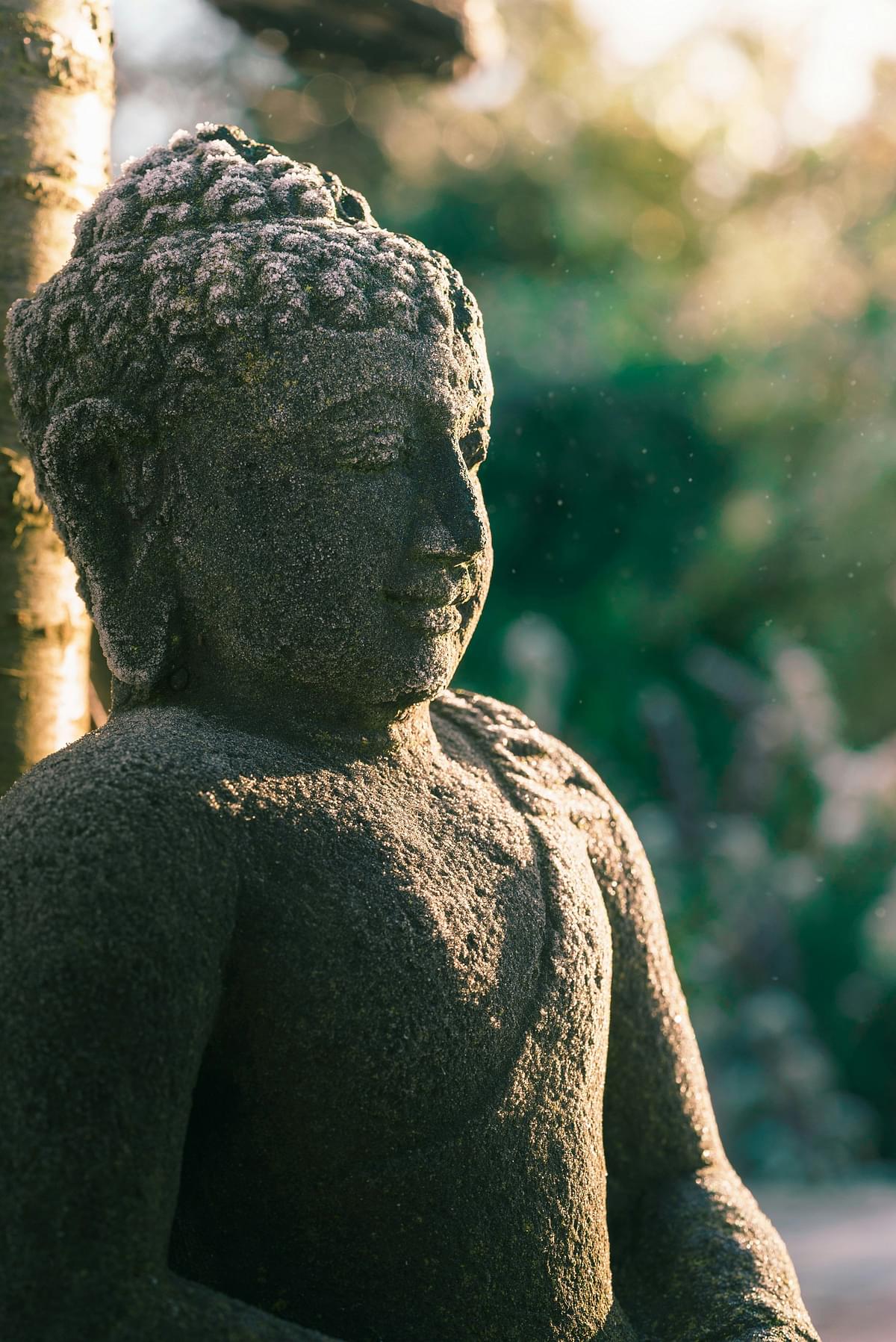
Arrive early (08:00-09:00) to avoid midday heat and tour groups. The museum layout flows chronologically through Bali's history. Photography is permitted in most areas, check signage before shooting. English labels accompany major exhibits, though hiring a guide enriches the experience with cultural context and storytelling.
Visitor Tips
- Wear comfortable walking shoes and modest clothing
- Bring water, limited refreshments onsite
- Allow extra time for the traditional gardens
- Combine with the nearby Bajra Sandhi Monument visit
Best Time to Visit Bali Museum Denpasar: Weather & Crowd Tips
Optimal months: April-October (dry season)
The museum offers some air-conditioned galleries, making it a comfortable indoor option during the rainy season.
- Best days: Tuesday-Thursday (fewer crowds)
- Ideal timing: Morning (07:30-10:00) before peak heat
Note: Not all buildings are fully air-conditioned. Some are naturally ventilated.
Bottom Line: Is Bali Museum Denpasar Worth Visiting?
Bali Museum Denpasar stands as an essential cultural destination for travellers seeking authentic heritage experiences beyond Bali's famous beaches. With affordable entrance fees, a convenient Denpasar city centre location, and comprehensive exhibits spanning millennia of Balinese civilisation, the museum enriches any Bali itinerary. Combine your visit with nearby attractions like Bajra Sandhi Monument and Pura Jagatnatha for a complete cultural immersion. Ready to explore? Include Bali Museum in your customised Bali tour package from pickyourtrail for hassle-free cultural discovery.
FAQ’S
Q: Is the Bali Museum worth visiting?
A: Absolutely. Bali Museum Denpasar offers unparalleled insight into Balinese culture and history through authentic artefacts. It's ideal for travellers seeking educational experiences beyond beaches and temples, making it one of the top cultural attractions in Bali.
Q: Can I take photos inside the Bali Museum?
A: Photography is generally permitted in most exhibition halls without flash. However, some sacred artefacts and special exhibits prohibit photography; look for signage or ask museum staff before photographing specific items.
Q: How long should I spend at the Bali Museum in Denpasar?
A: Plan for 1.5 to 2 hours to thoroughly explore all three buildings and the gardens. Add 30-45 minutes if hiring a guided tour for detailed explanations of the collections and Balinese cultural context.
Q: Is the Bali Museum accessible for families with children?
A: Yes, the museum is family-friendly with educational exhibits suitable for children ages 6+. Kids pay half-price admission. The outdoor gardens provide space for children to explore between buildings, making it manageable for family tour packages in Bali.
Q: What should I wear to the Bali Museum?
A: Wear modest, comfortable clothing suitable for walking. While not a temple, respectful attire is appreciated (covered shoulders and knees recommended). Comfortable walking shoes are essential as you'll explore multiple buildings and gardens.