
- Home
- Attractions
- Chiang Mai
- Wat Ram Poeng Chiang Mai Guide: Tickets, Highlights & Visiting Tips
Wat Ram Poeng Chiang Mai Guide: Tickets, Highlights & Visiting Tips
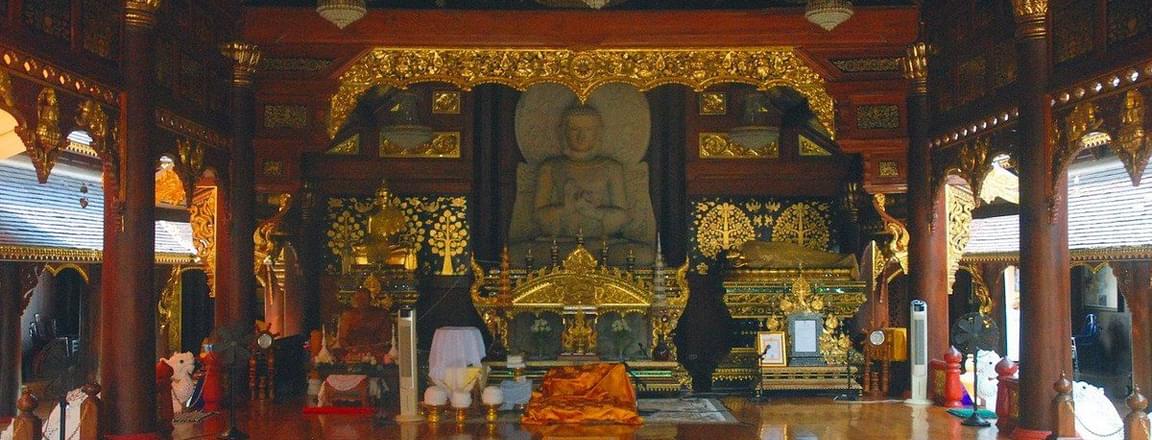
Wat Ram Poeng, or Wat Tapotaram, is a calm Buddhist temple and meditation retreat in a green Suthep neighbourhood of Chiang Mai in Northern Thailand. It has gained a reputation as a spiritual place, a place to meditate, and a place to be quiet, thus making it a very important stop for Buddhists, mindfulness practitioners, and people who want to be deeply culturally immersed to visit.
If you are already very eager to learn about meditation, want to try out a little inner silence, or want to check out the less frequented areas of Chiang Mai's spiritual heritage over the usual tourist sites, this guide is here to support your visit — covering the must-see things as well as practical visiting tips, nearby attractions, and how to get to the temple.
About Wat Ram Poeng
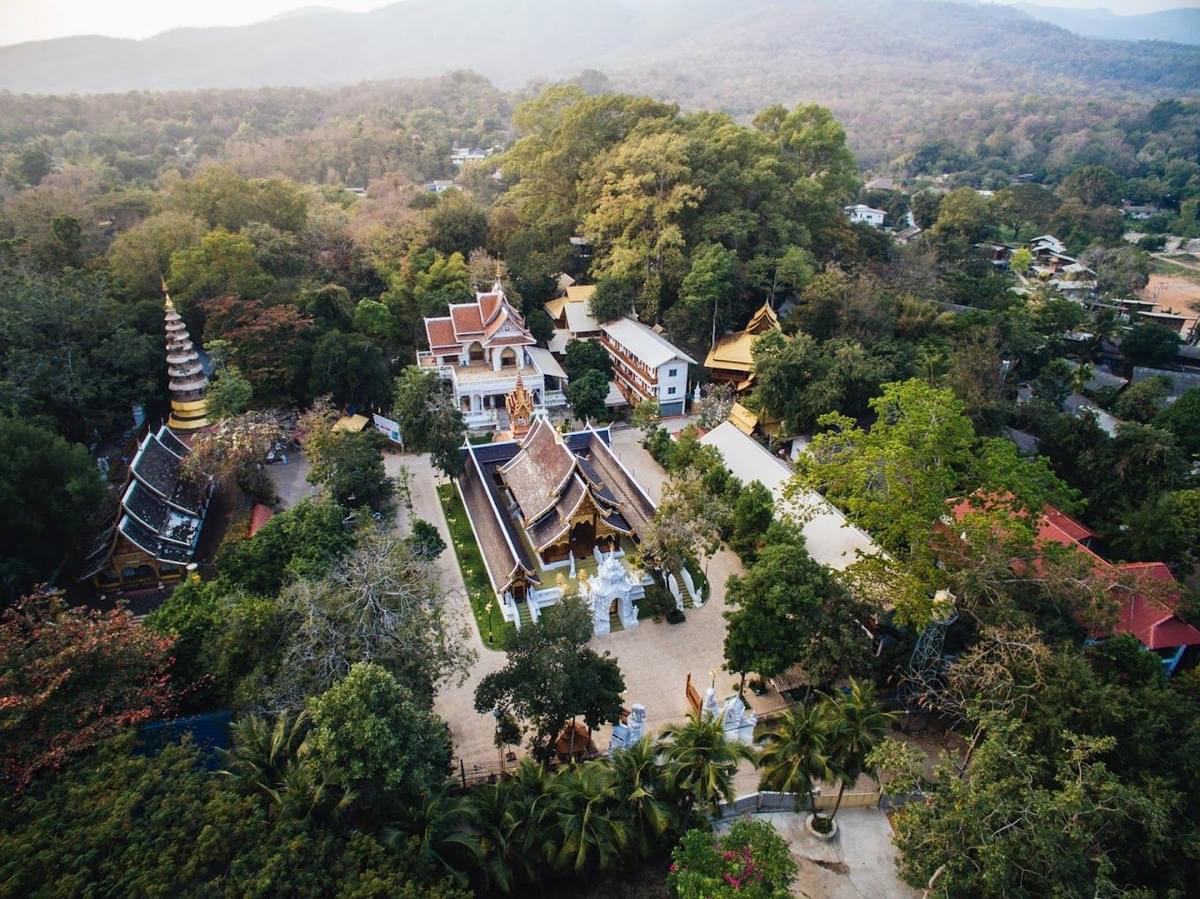
Wat Ram Poeng resoundingly transcended being a mere temple — it emerged as a meditation centre entirely based on the practice of Vipassana (insight meditation). Numerous visitors arrive not only to enjoy the beautiful traditional architecture or the serene temple grounds; rather, they also join meditation retreats, get enlightened in mindfulness, and live for some time a slower and more reflective rhythm of life. Sometimes the temple is called Tapotaram, and its past goes back centuries, being a part of Chiang Mai’s cultural landscape. The building speaks through its classic Northern Thai (Lanna) style, characterised by wooden structures, elegant carvings, and sacred spaces from nature that all together form a highly respectful and contemplative atmosphere.
Wat Ram Poeng sits quietly in the Suthep area of Chiang Mai, where it is surrounded by peaceful streets and lush green nature. It is right at the edge of the lively city centre, which makes it very accessible, but at the same time, it maintains the quietness and peace that are perfect for meditating and thinking. The religious sites inside the temple area have many different kinds of traditional buildings together with the meditation halls and monks' quarters, which are mostly linked with quiet ponds, paths shaded by trees, and corners that are perfect for quiet walks and reflections.
Meditation practice is one of the main themes that characterise the landscape of the monastery of Wat Ram Poeng. To learn generally Vipassana (Insight) meditation, which is the very discipline that doctors of the West, as well as therapists of the East, recommend for treating mental health, is one reason why visitors come to the temple. The Indian Buddha's method that allows awareness of mind and body sensations, thus leading to clarity, calmness, and mental resilience, is known as meditation, among other things. As a result, the meditation courses at the temple are structured as longer‑term retreats, typically lasting about 26 days for the basic Vipassana course and 10 days for advanced follow‑up courses, rather than short, casual visits. This intensive, structured approach has made it a favoured spot for both domestic and foreign seekers who want a deep, immersive spiritual experience rather than a brief visit.
Fun Fact: Wat Ram Poeng is famous among meditators for its strict yet, on the whole, very helpful approach to the practice of mindfulness. According to many, it is a place where people can withdraw from the daily life's cacophony and still their minds completely.
Seasonal Tip: The temple is open year‑round; however, the cool season (November–February) is generally the most comfortable time for walking around, sitting in meditation outdoors, and enjoying the milder air, which is less hot and humid than in other months.
Highlights of Wat Ram Poeng

- Meditation Centre: A reputable Vipassana retreat providing disciplined meditation practice.
- Temple Architecture - Traditional: Attractive Lanna-style structures and halls for worship and learning.
- Chedi & Shrines - Sacred: These religious constructions invite the practice of silent meditation and even contemplation.
- Grounds - Quiet: A tranquil environment ideal for silent walking, sitting, and mindfulness work.
- Ritual - Spiritual: Chances for the watchers to take part in the practitioners' and the daily rituals.
- Feel - Community: A serene, polite, and inviting atmosphere where all kinds of visitors and the meditators share the same peaceful zone.
No matter if you are visiting for a short time or taking a longer meditation course, Wat Ram Poeng guarantees you a significant difference as opposed to the tourist-orientated temple visits.
Wat Ram Poeng Details & Nearby Attractions

Location: Suthep, Mueang Chiang Mai District, Chiang Mai Province, Thailand
Suggested Duration: 2–4 hours (longer if joining meditation sessions or courses)
Nearby Attractions & Day Trips
- Wat Umong: A forest temple known for its tunnels and quiet atmosphere.
- Wat Suan Dok: A temple with ancient chedis and meditation spaces.
- Chiang Mai University Arboretum: Beautiful grounds and peaceful walking paths.
- Chiang Mai Zoo & Aquarium: A family‑friendly attraction separate from spiritual sites.
- Doi Suthep Mountain: Home to the famous hilltop temple with panoramic views.
Day‑Trip Tip:
You can pair a visit to Wat Ram Poeng with other spiritual or nature‑oriented stops like Wat Umong and Wat Suan Dok for a reflective half‑day itinerary focused on culture and calm.
Top Attractions & Features at Wat Ram Poeng

1. Meditation Courses & Practice Areas
Wat Ram Poeng offers structured meditation retreats that attract both locals and international practitioners. These courses are structured as longer‑term retreats, typically running for about 26 days for the basic course and 10 days for advanced follow‑up courses, intended for serious practitioners who want to deepen their practice.
- Feature: Dedicated meditation halls and schedules
- Experience: Seated and walking meditation sessions
- Why Visit: Deepen mindfulness and inner awareness
2. Temple Architecture & Sacred Spaces
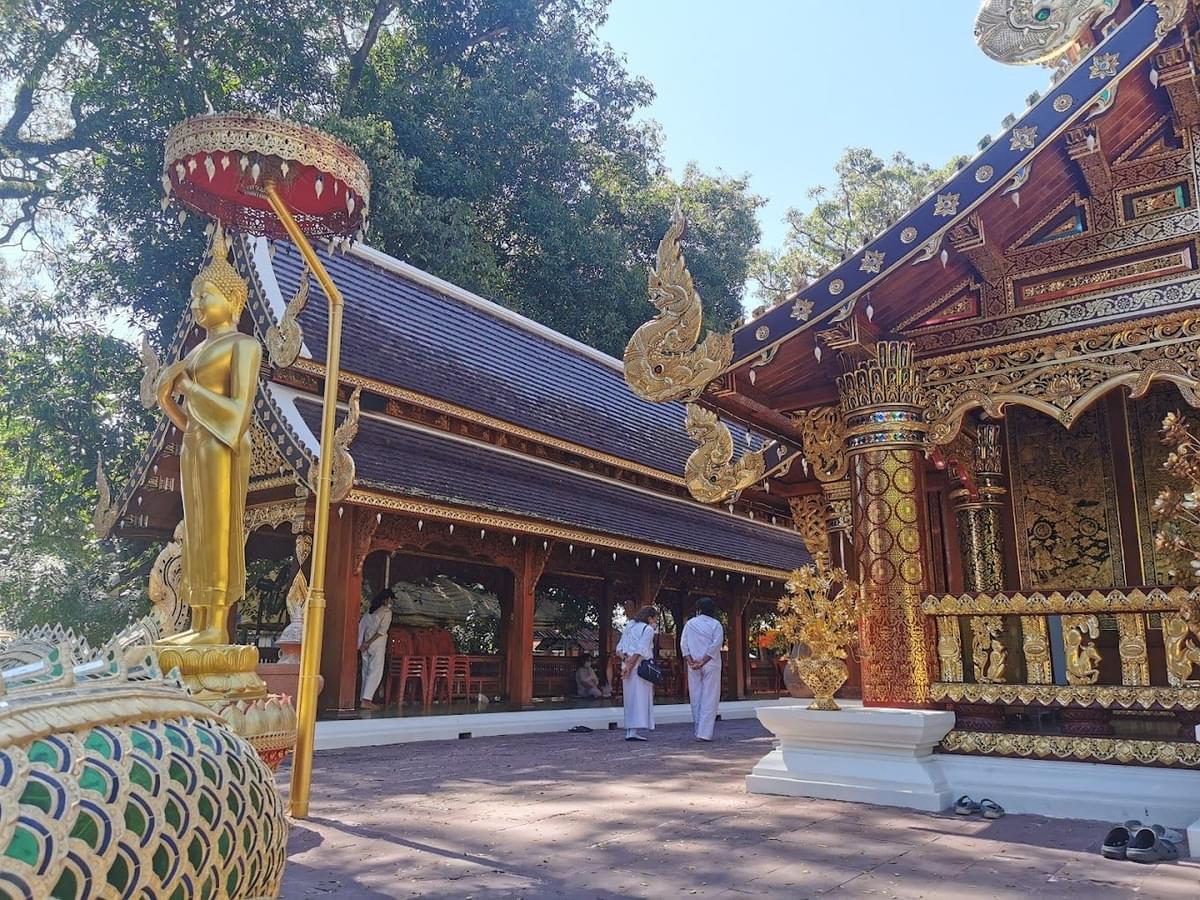
The main temple buildings and shrines showcase traditional Thai and Lanna design, featuring wooden facades, intricate carvings, and spiritual symbols that reflect centuries of Buddhist heritage.
- Feature: Lanna‑inspired halls and sculptures
- Experience: Observe intricate craftsmanship and spiritual motifs
3. Sacred Chedi & Viharn
The temple complex includes a central chedi and viharn (assembly hall) where Buddha images and relics are poignantly displayed, inviting visitors to pay respects and absorb the peaceful ambience.
- Feature: Revered Buddhist images
- Experience: Quiet moments of devotion and meditation
4. Serene Grounds & Gardens
The peace‑filled temple grounds include lush green spaces, shaded walking paths, and quiet corners ideal for contemplative strolls or sitting in stillness.
- Feature: Gardens and reflection spots
- Experience: Escape from crowds and enjoy quiet time
5. Observing Rituals & Monastic Life
During your visit, you may observe monks and meditators engaging in daily routines — whether it’s chanting, walking meditation, or mindful alms rounds by lay supporters.
- Feature: Daily rituals
- Experience: Insight into Buddhist traditions and monastic discipline
Wat Ram Poeng Ticket & Entry Information

Visit Type | Approx. Price | Notes |
| Temple Entry | Free | Donations appreciated; many visitors give around 50–200 THB (≈ ₹110–450 INR) per person as a respectful gesture. |
| Meditation Courses | Donation‑based; varies by course length | Longer courses (around 26 days) are donation‑based and may require advance registration; exact amounts are arranged directly with the temple. |
| Accommodation (Retreat) | Donation‑based; basic shared rooms | Basic rooms are available for course participants; costs are usually covered as part of the retreat donation rather than a separate nightly fee. |
Pro Tip: Unlike many tourist temples that charge fixed entrance fees, Wat Ram Poeng’s temple entry is typically free, with donations in THB (often around 50–200 THB, ≈ ₹110–450 INR) welcomed as a gesture of gratitude and support for maintenance and community programmes.
Timings & Best Time to Visit Wat Ram Poeng
Day | Opening Hours |
| Daily | 6:00 AM – 6:00 PM |
Best Visiting Tips
- Morning: Calm ambience and meditation sessions often begin early.
- Late Morning: Observe late meditation practices or explore the quiet gardens.
- Weekdays: Generally quieter than weekends.
- Retreat Courses: If joining a course, check schedules and accommodation availability well in advance.
How to Reach Wat Ram Poeng
From Chiang Mai City Centre:
- A short 10–15 minute drive by taxi or ride‑hailing service.
From Chiang Mai Airport:
- Around 15–25 minutes by taxi or private transport.
Transport Options
- Taxi / Ride‑hailing: Easiest and most flexible choice.
- Private Driver: Ideal if combining with nearby attractions.
- Scooter / Bike: Possible for confident riders familiar with Chiang Mai traffic.
Wat Ram Poeng Insider Tips
- Wear Respectful Clothing: Modest attire is encouraged, especially if entering meditation halls or ritual areas.
- Hydrate & Shade: Bring water and a hat — parts of the grounds can be sunny.
- Observe Silence in Practice Zones: Areas designated for meditation often require complete silence, especially during retreat hours, so avoid talking or using phones.
- Advance Booking for Retreats: If doing extended meditation courses, contact the temple ahead of time.
- Participate Respectfully: If joining rituals or offering support, remember to be respectful of monks and practitioners.
Dining & Shopping Near Wat Ram Poeng
- Local Cafés: Small eateries near Suthep Road serve Thai snacks, coffee, and refreshments.
- Temple Stalls: Simple stalls offer flowers, incense, and small souvenirs.
- Restaurants Nearby: Traditional Thai restaurants and international cafés can be found within a short drive.
Suggested Chiang Mai Spiritual & Calm Day Itinerary
Morning:
- Begin at Wat Ram Poeng — stroll the gardens and observe morning meditation.
Late Morning:
- Visit nearby Wat Umong for a forest temple ambience.
Lunch:
- Enjoy a quiet lunch at a café near the temple area.
Afternoon:
- Explore Wat Suan Dok or a meditation talk session.
Evening:
- Return to central Chiang Mai for dinner and a relaxing evening walk.
Why Visit Wat Ram Poeng?
The Wat Ram Poeng spiritual experience is very profound, and it is not merely visiting the place. The focus on structured Vipassana meditation, mindfulness, and peaceful contemplation makes it particularly suited for those who want to gain personal insight through calm and deep cultural immersion. No matter if you want to spend a few hours exploring the temple grounds or intend to stay for around 10–26 days in a structured meditation course, the Wat Ram Poeng is telling you to be patient, take a breath, and communicate with your inner self.
Five Things to Do at Wat Ram Poeng on a Visit
- Walk the serene temple grounds.
- Observe meditation practices.
- Explore sacred shrines and the chedi.
- Participate respectfully in Buddhist rituals.
- Enjoy quiet contemplation in garden spaces.
Conclusion: Why Wat Ram Poeng Is Worth Visiting
Wat Ram Poeng has made its mark as one of the most important spiritual places in Chiang Mai, with no other place being able to beat it in terms of its quiet energy, meditation practices, and genuine Buddhist surroundings. It is a spot where the mind can have a rest, teaching the traveller with the help of ancient traditions and opening up a calm, meditative, and very rewarding side of Chiang Mai.
In case you need meditation, spiritual ascension, or just a calm getaway from busy travel, Wat Ram Poeng is still the best and the prettiest timeless sanctuary that you should pay a visit to.
FAQs
1. Is there an entrance fee to Wat Ram Poeng?
No, entry is usually free, but donations are appreciated.
2. What are the opening hours?
The temple is generally open daily from 6:00 AM to 6:00 PM, though meditation retreat areas may follow stricter internal schedules.
3. Can visitors participate in meditation courses?
Yes — structured meditation retreats are offered, typically requiring booking for longer‑term courses such as the 26‑day basic Vipassana course or 10‑day advanced follow‑up.
4. Is Wat Ram Poeng suitable for short visits?
Absolutely — even a short visit allows you to enjoy the peaceful grounds and reflect.
5. Should I dress conservatively?
Yes — modest, respectful clothing is encouraged, especially near meditation areas.
6. How long should I plan to stay?
For a simple temple visit, plan about 2–4 hours; for meditation courses, be prepared to commit to retreats of around 10–26 days, depending on the programme.