
- Home
- Attractions
- Sri Lanka
- Udawalawe National Park: The Complete Sri Lanka Elephant Safari Guide (2026)
Udawalawe National Park: The Complete Sri Lanka Elephant Safari Guide (2026)
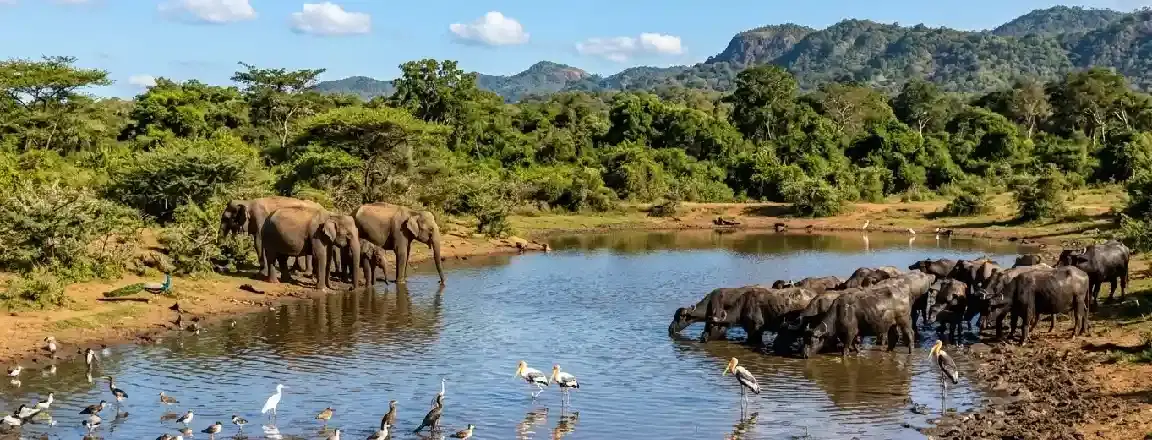
Looking for an exciting wildlife experience in Sri Lanka? Udawalawe National Park is one of the best places in Sri Lanka for safaris, especially if you want to spot wild elephants in their natural habitat. Home to a thriving population of over 600 Sri Lankan elephants, Udawalawe National Park boasts one of the highest densities of these gentle giants anywhere in Asia. With open grasslands, forests, wetlands, and scenic landscapes, the park offers excellent opportunities for wildlife viewing and photography.
A safari through Udawalawe can take you close to elephants, water buffaloes, crocodiles, monkeys, and a variety of bird species. Whether you are travelling with family, planning a wildlife adventure, or adding a safari to your Sri Lanka tour packages, Udawalawe National Park is an experience worth including. This guide covers everything you need before you go, from its location and costs to the best months to visit and how to fit it into a wider Sri Lanka itinerary without wasting a travel day.
Udawalawe National Park at a Glance
Detail | Information |
| Location | Southern Sri Lanka |
| Best known for | Wild elephants and wildlife safaris |
| Park timings | 6:00 AM – 6:00 PM |
| Best time to visit | October–March |
| Best safari time | Early morning or late afternoon |
| Safari duration | 3–4 hours |
| Ideal duration | Half-day safari |
| Main activities | Jeep safari, wildlife spotting, birdwatching |
| Popular wildlife | Elephants, water buffalo, crocodiles, monkeys and birds |
| Entrance fee | Approx. LKR 13,420 (₹3,885) for a foreign adult, including applicable fees |
Why Should Udawalawe National Park Be On Your Bucket List?
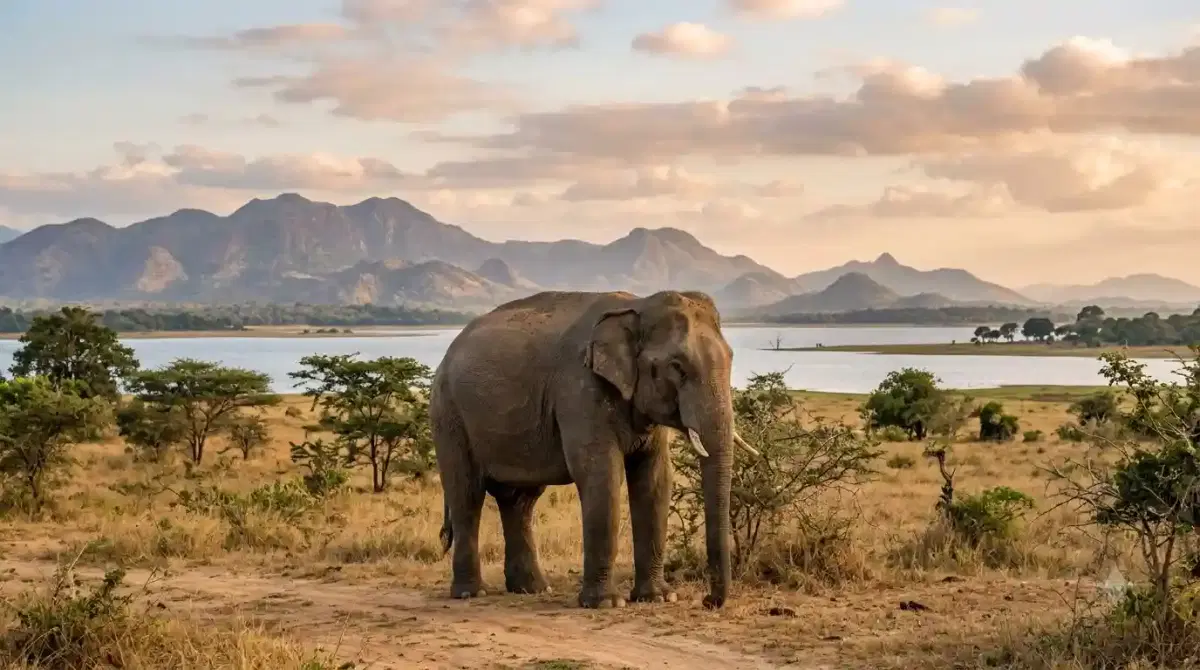
Udawalawe National Park in Sri Lanka deserves a spot on your travel bucket list because it offers the closest experience to an African safari in South Asia, with nearly guaranteed wildlife sightings. Unlike denser jungles, its open terrain makes it exceptionally easy to spot iconic animals in their natural habitat.
- Guaranteed Elephant Sightings: It is home to over 250 permanently resident wild elephants. You are virtually certain to see herds, including mothers and calves, roaming freely.
- The Udawalawe Elephant Transit Home: Located right next to the park, this facility rehabilitates orphaned elephant calves. Visitors can watch them being fed and cared for before they are released back into the wild.
- African-Style Safari Landscape: The park features sweeping grasslands, light scrub, and the massive Walawe Reservoir, creating a picturesque backdrop that mirrors an East African savanna.
- A Birdwatcher's Paradise: It acts as an important bird area, hosting over 180 species. You can easily spot colourful painted storks, majestic eagles, and endemic Sri Lankan junglefowl.
- Incredible Biodiversity: Beyond elephants, a single jeep safari can bring you face-to-face with water buffalo, mugger crocodiles, spotted deer, and giant monitor lizards.
- Fewer Crowds: It offers a much quieter, less congested, and more peaceful safari experience compared to the heavily trafficked trails of nearby Yala National Park.
- Great for families: Safari drives offer an exciting wildlife experience that can be enjoyed by both children and adults.
- Beautiful landscapes: Beyond wildlife, the park features grasslands, wetlands, forests, and the scenic Udawalawe Reservoir.
- Ideal for a Sri Lanka itinerary: Its location makes it convenient to combine a wildlife safari with destinations such as Ella, Yala, or the southern coast.
Where Is Udawalawe National Park?
Udawalawe National Park is located on the boundary of the Sabaragamuwa and Uva Provinces in southern-central Sri Lanka. It sits approximately 165 kilometres southeast of Colombo, the nation's capital, and is positioned just south of the central highlands, making it a popular stopover between the hill country and the southern beaches in Sri Lanka.
How to Get to Udawalawe National Park
Udawalawe National Park is well connected to Sri Lanka’s main tourist destinations by road, making it an easy stop between the hill country and the southern coast. The most convenient option is a private taxi or transfer, while buses are a budget-friendly alternative. Understanding your options across transportation in Sri Lanka helps before you decide how to route this into a longer trip.
From Colombo to Udawalawe
The drive from Colombo to Udawalawe takes roughly 3.5–4 hours, depending on traffic and your route. A private taxi is the easiest option, while buses can take longer and usually require getting off around Udawalawe Junction before continuing by tuk-tuk or local transport.
From Ella to Udawalawe
Ella is one of the most popular starting points for a Udawalawe safari. A private taxi takes around 2.5–3 hours, while the bus is considerably cheaper but requires transfers, usually via Wellawaya or Thanamalwila.
From the South Coast
If you are travelling from Galle, Mirissa, or nearby beach towns, a private transfer is generally the most convenient choice and takes around 2–3 hours, depending on your starting point. Public transport is possible but involves multiple connections.
Udawalawe National Park Operating Timings
Udawalawe National Park is generally open for safari visits from 6:00 AM to 6:00 PM. Most visitors choose an early-morning or late-afternoon safari, when wildlife is more active and temperatures are cooler.
- Park opening hours: 6:00 AM – 6:00 PM
- Best safari times: 6:00 AM – 9:00 AM and 3:00 PM – 6:00 PM
- Recommended duration: 3–4 hours
- Best time to arrive: Before your scheduled safari start
- Tip: Check the latest timings and entry rules with your safari operator before visiting, as schedules can vary.
Udawalawe National Park Entrance Fee
The Udawalawe National Park entrance fee varies based on your nationality and age, with discounted rates available for visitors from SAARC countries, including India.
Ticket Type | Approx. Cost (LKR) | Approx. Cost (INR) | Details |
| SAARC Adult (including Indian citizens) | LKR 7,545 | ₹2,185 | Base park entry + 15% VAT |
| Standard Foreign Adult | LKR 9,430 | ₹2,730 | Base park entry + 15% VAT |
| Child (6–12 years) | LKR 5,400 | ₹1,560 | Base entry + 15% VAT |
| Child (under 6 years) | Free | Free | No entry fee |
| Safari Jeep Vehicle Fee | LKR 4,340 | ₹1,255 | Charged per jeep, not per person |
Note: The park entrance fee and vehicle fee are separate from the safari jeep rental, which typically costs around LKR 13,000–19,500 (₹3,800–5,700) for a half-day safari. Rates can vary with exchange rates and current park tariffs.
Things to Do in Udawalawe National Park
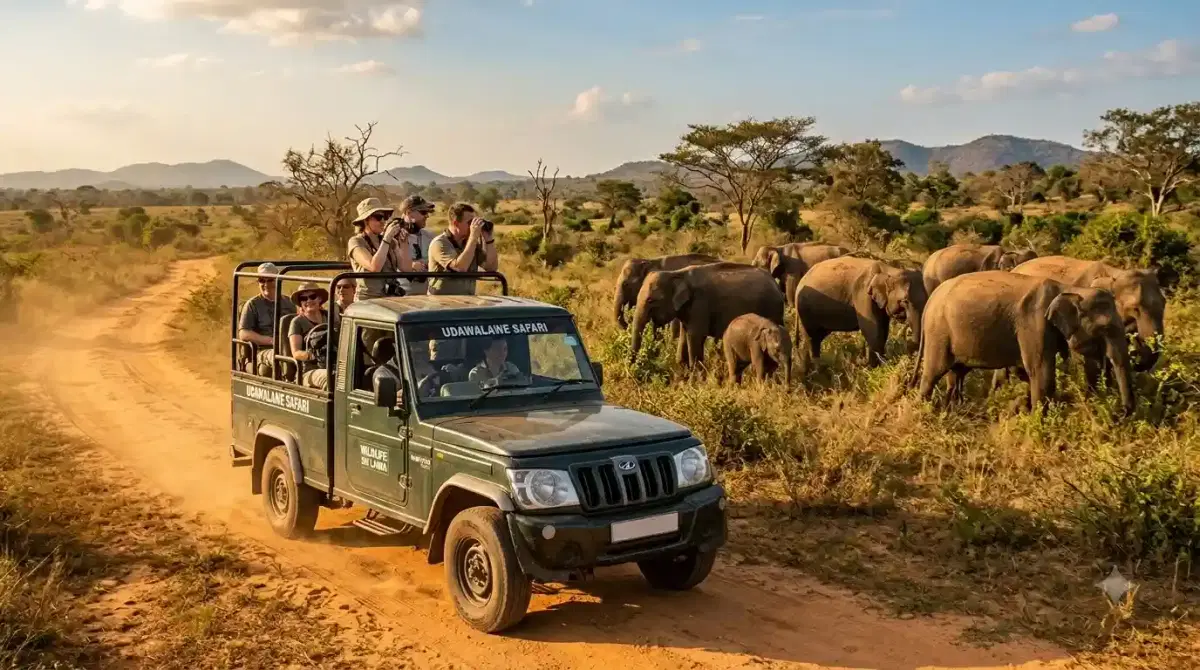
Udawalawe National Park is best known for its open landscapes and excellent opportunities to see wild elephants in their natural habitat. Here are some of the best things to do in Sri Lanka’s Udawalawe
1. Go on a Jeep Safari
Take a 4×4 jeep safari through the park’s grasslands, wetlands, and forest areas to spot wild elephants, water buffalo, deer, crocodiles, monkeys, and a variety of birds. Morning and late-afternoon drives are particularly popular for cooler temperatures and active wildlife.
2. Watch Wild Elephants in Their Natural Habitat
Elephants are the main attraction at Udawalawe, and the park’s open terrain makes them easier to observe than in densely forested reserves. Look for family herds, calves, and solitary elephants around the grasslands and reservoir while maintaining a respectful distance
3. Visit the Elephant Transit Home
Visit the Elephant Transit Home near the park to learn about the rehabilitation of orphaned elephant calves. Visitors can watch scheduled feeding sessions from a designated viewing area without touching, riding, or bathing the elephants.
4. Go Birdwatching Around the Reservoir
Udawalawe is also a rewarding destination for bird lovers, with wetlands and reservoir areas attracting a wide variety of resident and migratory birds. Carry binoculars and keep an eye out for waterbirds, raptors, bee-eaters, and other species during your safari.
5. Spot Crocodiles and Water Buffalo
The reservoir and its surrounding wetlands provide good opportunities to see water buffalo and crocodiles. These animals are often spotted near the water, making the reservoir a particularly interesting part of a safari route.
6. Photograph Udawalawe’s Landscapes and Wildlife
The combination of open grasslands, scattered trees, wetlands, and the reservoir creates excellent conditions for wildlife photography. Early morning and late afternoon offer softer light and more comfortable conditions for spending time in an open safari jeep.
7. Spend a Night Close to the Wilderness
For a more immersive experience, stay near the park or choose a camping or lodge option around Udawalawe. Spending the night nearby also makes it easier to start an early-morning safari without a long transfer.
Best Time to Visit Udawalawe National Park
The best time to visit Udawalawe National Park depends on what you want to see and how much you want to avoid rain. For the best overall safari experience, February to June is generally a good period, when drier conditions make wildlife easier to spot around water sources.
Travel Period | What to Expect | Best For |
| February–June | Mostly dry conditions and wildlife gathering around water | Best overall safari experience |
| July–September | Hotter and relatively dry, with good visibility | Elephant spotting and photography |
| October–January | More rainfall and greener landscapes | Birdwatching and lush scenery |
Best time of day: Choose an early-morning safari (around 6:00 AM) or a late-afternoon safari (around 2:30–3:00 PM). These periods are cooler and generally more comfortable for wildlife viewing.
Udawalawe Safari Options and 2026 Ticket Prices
Udawalawe offers several safari options, from a 3-hour game drive to a full-day wildlife experience. Your final cost depends on the safari duration, group size, and whether you book park tickets and jeep hire separately or as an all-inclusive package.
Safari Option | Timing | Ideal For | Approx. Cost |
| 3-Hour Safari | Morning or evening | Short visits & first-timers | LKR 8,000–10,000 (₹2,300–2,900) |
| Morning Safari | Around 5:30 AM onwards | Elephants, birds & cooler weather | LKR 16,000–20,000 (₹4,600–5,800) |
| Evening Safari | Around 2:30 PM onwards | Wildlife & golden-hour views | LKR 16,000–20,000 (₹4,600–5,800) |
| 6-Hour Safari | Morning or afternoon | Longer wildlife viewing | LKR 20,000–25,000 (₹5,800–7,200) |
| Full-Day Safari | Full day | Photographers & wildlife enthusiasts | LKR 40,000+ (₹11,500+) |
Where to Stay Near Udawalawe
Choosing the right place to stay near Udawalawe National Park depends on your budget and preferred experience. From luxury safari resorts with pools to affordable family-run cottages, there are plenty of options close to the park.
Premium & Luxury Resorts (₹8,000 – ₹13,000+)
These larger properties offer resort-style comfort, spacious rooms, swimming pools, and convenient access to the park and nearby attractions.
- Grand Udawalawe Safari Resort – A premier 4-star property located about 3 minutes from the Elephant Transit Home and 5 minutes from the park gates. It features refined rooms with open-air rainfall showers, a large swimming pool, and an on-site gym.
- Centauria Wild – A luxury retreat on the edge of the Udawalawe Lake reservoir, offering nature-focused views, a large pool, an on-site spa, and convenient access to the main safari tracks.
- Waraka – Udawalawe – A sustainable eco-luxury property offering premium villa-style accommodation, along with unique local experiences such as canal kayaking.
Mid-Range & Boutique Lodges (₹4,500 – ₹8,000)
These stays are ideal for travellers who want comfortable accommodation, good service, and useful facilities without paying luxury-resort prices.
- Kalus Hideaway Udawalawe – A peaceful boutique hotel less than 10 minutes from the south entrance, with an outdoor pool, spa services, and a well-maintained garden.
- Elephant Trail – Located on Thanamalwila Road, this casual hotel offers private balconies, an airy restaurant, and a pool, making it convenient for early-morning safari trips.
- The Countryside Udawalawe – Known for its warm hospitality and cleanliness, this property serves Sri Lankan home-cooked meals and can arrange private safari drivers for guests.
Budget & Eco-Cottages (₹500 – ₹2,000)
Budget travellers can choose from family-run homestays and eco-cottages that offer comfortable rooms, local hospitality, and easy access to safari activities.
- Splendid Lake View Safari Lodge – Offers simple, cosy rooms overlooking the lake. The property is also known for its fresh lake-fish meals and welcoming local hospitality.
- Butterfly Homestead – An affordable family-run stay with clean, air-conditioned rooms and private safari jeep services arranged directly by the hosts.
- Peacock Villa Resort – A welcoming budget homestay offering affordable accommodation, bicycle rentals, home-cooked traditional dinners, and safari arrangements.
Practical Tips for Your Udawalawe Safari
A little preparation can make your Udawalawe safari more comfortable and enjoyable. Keep these practical tips in mind for a smoother game drive and better wildlife-spotting experience.
- Start early: Morning safaris offer cooler temperatures and better chances of spotting elephants and other wildlife when animals are more active.
- Carry sun protection: Bring sunscreen, sunglasses, and a hat, as the open safari jeep can get quite sunny during the day.
- Wear comfortable clothing: Choose lightweight, breathable clothes and comfortable footwear. Neutral colours can also help you blend into the surroundings.
- Bring binoculars: A pair of binoculars is useful for spotting birds, monkeys, and wildlife at a distance.
- Carry water and snacks: Keep enough drinking water with you, especially during longer game drives.
- Protect your camera: Dust and occasional splashes can affect camera equipment, so carry a protective bag or cover.
- Follow your guide's instructions: Stay inside the jeep unless your guide says it is safe to get out, and avoid making loud noises around wildlife.
- Be patient: Wildlife sightings are unpredictable. Give your driver time to find animals rather than expecting constant sightings.
- Avoid feeding animals: Do not offer food to elephants, monkeys, birds, or other wildlife.
- Carry cash: Keep some Sri Lankan rupees with you for entrance fees, local services, refreshments, or small expenses around the park.
Final Verdict: Is Udawalawe National Park Worth Visiting?
Yes, Udawalawe National Park is absolutely worth visiting, but its value depends entirely on what you want out of your wildlife experience. It is a world-class sanctuary that offers one of the most reliable and ethical encounters with wild elephants in all of Asia. Go to Udawalawe if you love elephants and prefer a peaceful safari and African-style landscape. If your travel route takes you from the central highlands (Ella) down to the southern beaches (Mirissa/Tangalle), Udawalawe is the perfect, stress-free stopover.
FAQs: Udawalawe National Park
1. Is Udawalawe National Park worth visiting?
A: Yes. Udawalawe is especially worth visiting for its reliable elephant sightings, open safari landscapes, diverse wildlife, and relatively peaceful safari experience.
2. What is Udawalawe National Park famous for?
A: Udawalawe National Park is best known for its large population of wild elephants. It is also home to water buffalo, crocodiles, monkeys, deer, and numerous bird species.
3. What are the best things to do in Udawalawe National Park?
A: The top experiences include taking a jeep safari, watching wild elephants, visiting the Elephant Transit Home, birdwatching around the reservoir, spotting crocodiles and water buffalo, and photographing the park's landscapes.
4. What are the Udawalawe National Park timings?
A: Udawalawe National Park is generally open from 6:00 AM to 6:00 PM. Morning safaris usually run from around 6:00 AM to 9:00 AM, while afternoon safaris are typically scheduled from around 3:00 PM to 6:00 PM.
5. How much is the Udawalawe National Park entrance fee?
A: A standard foreign adult entrance fee is approximately LKR 9,430 (₹2,730), while SAARC visitors, including Indian citizens, pay around LKR 7,545 (₹2,185). A separate vehicle fee of approximately LKR 4,340 (₹1,255) is charged per jeep. Rates can vary with current tariffs and exchange rates.
6. What is the best time to visit Udawalawe National Park?
A: February to June is generally a good period for a safari, as drier conditions can make wildlife easier to spot around water sources. July to September can also offer good visibility, while October to January is greener but wetter.
7. What is the best time of day for an Udawalawe safari?
A: Early morning and late afternoon are the best times for a safari. These periods are cooler and generally offer more comfortable conditions for wildlife viewing.
8. How long does an Udawalawe safari take?
A: A typical Udawalawe safari lasts around 3–4 hours. Longer six-hour and full-day safaris are also available for travellers who want more time for wildlife viewing and photography.
9. Can you see elephants in Udawalawe National Park?
A: Yes. Elephants are the park's main attraction, and its open grasslands make them relatively easy to spot. You may see individual elephants as well as family herds with calves.
10. What animals can you see on an Udawalawe safari?
A: Besides elephants, you may see water buffalo, crocodiles, spotted deer, monkeys, giant monitor lizards, and many species of birds. Wildlife sightings vary depending on the season and safari route.
11. Is Udawalawe better than Yala National Park?
A: It depends on what you want to see. Udawalawe is particularly well suited to travellers who prioritise elephant sightings and prefer open landscapes and a quieter safari experience, while Yala is known for a wider range of wildlife experiences.
12. How do you get to Udawalawe National Park?
A: Udawalawe can be reached by private taxi, transfer, or public bus. It takes roughly 3.5–4 hours from Colombo, around 2.5–3 hours from Ella by private taxi, and about 2–3 hours from parts of Sri Lanka's south coast.
13. Where should you stay near Udawalawe National Park?
A: You can choose from luxury resorts, boutique lodges, and budget homestays near the park. Staying close to the entrance is particularly convenient if you are planning an early-morning safari.
14. How many days do you need in Udawalawe?
A: One night and a half-day safari are generally enough for a short visit. Staying for two days gives you more time for a safari, the Elephant Transit Home, and a relaxed experience around the park.
15. Do you need to book an Udawalawe safari in advance?
A: Booking in advance is recommended, particularly during busy travel periods or if you want a specific safari time. It can also make it easier to arrange your jeep, guide, and park-entry requirements before arrival.