
Best Countryside in Italy: 8 Regions to Explore in 2026
What if your favourite part of Italy is not a famous city at all? It could be a tiny hill town, a vineyard road, or a family-run farm where lunch lasts two hours. That is what makes choosing the best countryside in Italy interesting. Tuscany is the classic choice, but it is far from the only one. Umbria offers quieter villages, Piedmont brings wine and truffles, while Puglia has olive groves and distinctive stone houses. The right choice depends on the kind of trip you want. For travellers planning Italy tour packages, this guide makes that choice easier. You’ll find eight regions worth exploring, along with their best towns, seasons, experiences, transport options, and estimated costs. By the end, you’ll know where your countryside trip should begin.
Best Countryside in Italy: At A Glance
| Region | Best For | Best Season | Crowd Level | Signature Experience |
| Tuscany | First-time visitors, classic scenery | April to June, September to October | High | Hill town hopping and wine tasting |
| Umbria | Peace and quiet, fewer tourists | April to June, September | Low to Medium | Truffle hunting and hilltop towns |
| Piedmont | Wine lovers, food lovers | September to November | Medium | Barolo wine country and truffle season |
| Puglia | Coastal countryside, unique architecture | May to June, September | Medium | Trulli houses and olive groves |
| Le Marche | Offbeat travel, budget-friendly | May to September | Low | Untouched hill towns |
| Sicily Interior | Culture and history lovers | April to June, September to October | Low | Ancient countryside and Baroque towns |
| Trentino-Alto Adige | Mountain lovers, alpine scenery | June to September | Medium | Alpine meadows and Dolomite views |
| Emilia-Romagna | Food lovers | Year-round | Low to Medium | Farm-to-table dining |
Why Visit the Italian Countryside?
The Italian countryside is not one single landscape. It changes completely as you move from region to region.
In Tuscany, you get soft golden hills dotted with cypress trees. In Piedmont, misty vineyards stretch across the Langhe hills. In Puglia, whitewashed farmhouses sit among olive groves that are thousands of years old. Every region has its own dialect of beauty.
What ties them together is the slower rhythm of life. Long lunches; small family-run guesthouses called ‘agriturismo’; wine made on the same land for generations; and towns where the biggest event of the day might be the church bell ringing at noon. This is the version of Italy that most first-time visitors never get to see because they stay in the big cities.
8 Best Countryside Regions in Italy
1. Tuscany: Classic Hills, Vineyards and Hill Towns
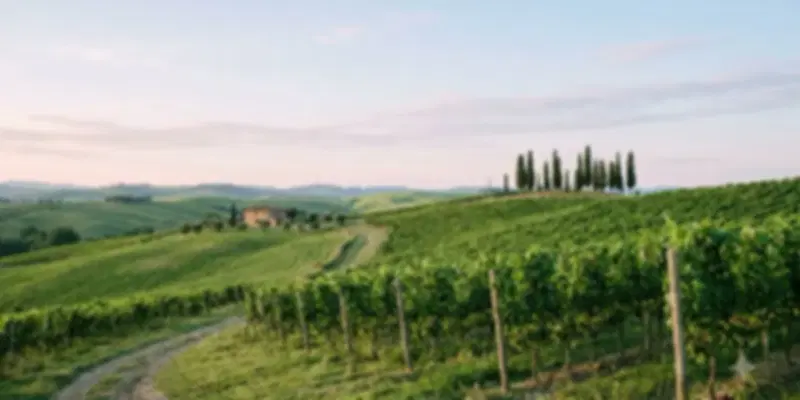
When most people picture the Italian countryside, they are picturing Tuscany. Rolling hills, long rows of cypress trees, and stone farmhouses sitting on top of golden ridges. This image did not become famous by accident. It is genuinely that beautiful, and it is anchored by the Val d’Orcia valley and the vineyards of Chianti between Florence and Siena.
- Best For: First-time visitors chasing classic Italian scenery and wine tastings
- Peak Season: April to June and September to October
- Top Towns: Montepulciano, Pienza, San Gimignano
- Scenery: Golden hills, cypress-lined roads, and vineyard-covered valleys
- Vibe: Postcard perfect and made for long, slow lunches
Most visitors choose to stay in an agriturismo here, a working farm that offers guest rooms and home-cooked meals made from ingredients grown right on the property. It remains one of the most authentic ways to experience rural Tuscany instead of a standard hotel stay.
2. Umbria: Quiet Villages and Green Landscapes
Umbria sits right next to Tuscany, but far fewer tourists make it here. You still get rolling hills, stone towns, and beautiful countryside, but the pace feels much calmer. Its forests, lakes, and farmland have earned it the nickname “the green heart of Italy.” Towns like Todi and Orvieto show why Umbria is often counted among the hidden gems in Italy. It is a great pick if you want scenic villages, local food, and quiet days without the crowds you find in Tuscany.
- Best For: Travellers who want Tuscany’s beauty without the crowds
- Peak Season: April to June and September
- Top Towns: Todi, Bevagna, Orvieto
- Scenery: Forests, lakes, and quiet, unhurried farmland
- Vibe: Authentic, slower-paced, and refreshingly uncrowded
3. Piedmont: Vineyards, Barolo and Truffle Country
Piedmont sits in northwest Italy, close to the French border. It is less famous with international travellers, but food and wine lovers know exactly why it is worth visiting. The Langhe hills are part of the wine regions in Italy that put Barolo and Barbaresco on the map. Vineyards roll across the hills, with small villages tucked between them. Visit in autumn for colourful landscapes, local food, and the chance to experience truffle season.
- Best For: Wine lovers and food lovers chasing truffle season
- Peak Season: September to November
- Top Towns: La Morra, Monforte d’Alba, Serralunga d’Alba
- Scenery: Misty vineyard hills that turn deep red and orange in autumn
- Vibe: Refined, food-focused, and a little exclusive
The town of Alba hosts a major truffle festival every autumn, drawing food lovers from across the globe who come to taste white truffles at their peak.
4. Puglia: Olive Groves and Trulli Houses
Puglia sits in the heel of Italy’s boot, and its countryside feels very different from Tuscany or Piedmont. The land is warm, dry, and dotted with centuries-old olive groves. In the Valle d’Itria, you’ll find trulli, small stone houses with cone-shaped roofs. With its quiet villages and rural roads, Puglia can feel like one of the unexplored destinations in the world, especially away from the busy coast.
- Best For: Travellers wanting a completely different countryside look
- Peak Season: May to June and September
- Top Towns: Locorotondo, Alberobello, Cisternino
- Scenery: Whitewashed trulli houses scattered among ancient olive groves
- Vibe: Warm, relaxed, and unmistakably southern
5. Le Marche: Quiet Hills and Lower-Cost Stays
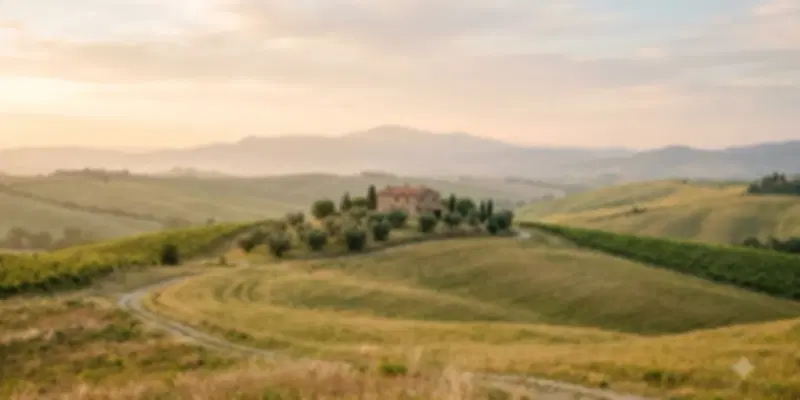
Le Marche sits on Italy’s Adriatic coast and has beautiful hill towns without Tuscany’s crowds or higher prices. It is still overlooked by many travellers, which makes it a smart pick for an Italy budget itinerary. You get lovely views, quiet villages, and more room in your budget.
- Best For: Budget-conscious travellers wanting untouched hill towns
- Peak Season: May to September
- Top Towns: Urbino, Ascoli Piceno, Recanati
- Scenery: Rolling green hills stretching toward the Adriatic Sea
- Vibe: Peaceful, low-key, and genuinely crowd-free
6. Sicily’s Interior: Baroque Towns and Rural Landscapes
Away from Sicily’s coastal resorts lies a very different landscape of rolling farmland, ancient ruins, and Baroque towns that feel completely untouched by mass tourism. This is Sicily at its slowest and most historic.
- Best For: Culture and history lovers who want to skip the coast
- Peak Season: April to June and September to October
- Top Towns: Ragusa, Modica, Noto
- Scenery: Dry farmland, ancient ruins, and dramatic Baroque architecture
- Vibe: Untouched, sun-baked, and steeped in history
7. Trentino-Alto Adige: Alpine Villages and Dolomite Views
In the far north, Trentino-Alto Adige swaps golden hills for alpine meadows and wooden farmhouses set against the Dolomites. It feels more Austrian than Italian in parts, and that contrast is exactly what draws visitors here.
- Best For: Mountain lovers wanting a different kind of Italian countryside
- Peak Season: June to September
- Top Towns: Castelrotto, San Vigilio di Marebbe, Ortisei
- Scenery: Alpine meadows, wooden farmhouses, and jagged Dolomite peaks
- Vibe: Crisp, quiet, and worlds away from the rest of Italy
8. Emilia-Romagna: Food, Vineyards and Farm Stays
Emilia-Romagna sits between Tuscany and Venice, and it rarely gets the spotlight it deserves. This is the region behind Parmigiano Reggiano, balsamic vinegar, and some of the richest food traditions in the country, all grown and made across its farmland.
- Best For: Food lovers who want farm-to-table meals over sightseeing
- Peak Season: Year-round, with autumn best for food festivals
- Top Towns: Brisighella, Bertinoro, Dozza
- Scenery: Gentle hills, vineyards, and working dairy and vinegar farms
- Vibe: Down-to-earth, generous, and built around the dinner table
Best Time to Visit the Italian Countryside
The countryside looks different with every season. Spring brings fresh greenery and mild days, while autumn adds golden vineyards and harvest flavours. When choosing the best time to visit Italy countryside, think about whether you want pleasant weather, fewer crowds, or lower prices.
- March to May: Wildflowers bloom across Tuscany and Umbria, and temperatures stay mild. This is a great window before the summer crowds arrive.
- June to August: Peak summer heat, especially in central and southern Italy. Beautiful but crowded and often expensive.
- September to October: The best overall window. Harvest season begins, vineyards turn golden, and temperatures cool down. Wine and truffle festivals happen across the country.
- November to February: Quiet season. Many agriturismo properties close for winter, but towns feel peaceful and prices drop significantly.
For most travellers, late September through mid-October offers the best mix of good weather, harvest season charm, and manageable crowds.
How Many Days Do You Need in Italy’s Countryside?
- 3 days: Enough for one region, such as Tuscany or Umbria. This works well as an extension to a Rome or Florence trip.
- 7 days: Allows you to explore two connected regions properly, for example Tuscany and Umbria together, without feeling rushed.
- 10 to 14 days: Covers three or more regions, such as Tuscany, Piedmont, and Puglia, with enough time to slow down and actually enjoy each place instead of rushing through checklists.
Rushing through the countryside defeats the purpose of visiting it. Even two nights in one town, instead of one, changes the entire experience.
Suggested 7-Day Italy Countryside Itinerary
Not sure how to fit the countryside into your Italy trip? Start with Tuscany and Umbria. They are close enough to combine without spending your holiday sitting in a car.
Day 1 – Florence to Tuscany
Leave Florence and head towards the Tuscan countryside. Stay near Siena or Val d’Orcia and spend the evening in a nearby hill town.
Day 2 – Explore Val d’Orcia
Visit Pienza and Montepulciano. Stop at a vineyard, enjoy a long lunch and take your time on the scenic roads.
Day 3 – Siena and Chianti
Spend the morning in Siena. Later, drive through the Chianti hills and stop at a vineyard or local farm. Stay overnight in the countryside.
Day 4 – Tuscany to Umbria
Drive towards Umbria and stop in Orvieto along the way. Explore its old streets before checking into a countryside stay near Todi.
Day 5 – Todi and nearby villages
Keep the day slow. Explore Todi, visit a small village or join a local food experience. An agriturismo stay is a good choice for the evening.
Day 6 – Assisi and Bevagna
Visit Assisi in the morning. Then head to Bevagna for a quieter afternoon. Finish the day with a relaxed local dinner.
Day 7 – Umbria to Rome
Enjoy breakfast at your countryside stay before heading towards Rome. If you have extra time, stop at one more village on the way.
Have more time? Add Piedmont for vineyards and truffles or Puglia for olive groves and trulli. For a first trip, though, Tuscany and Umbria give you a good mix without making the journey feel rushed.
How to Travel Around the Italian Countryside
Getting around rural Italy is not always as easy as travelling between its big cities. Many villages, farms, and vineyards in Italy sit away from train stations, so your choice of transport can make a big difference.
| Option | Best For | Pros | Cons |
| Self-drive rental car | Independent travellers | Full flexibility; can reach remote towns | Narrow roads; parking can be tricky in hill towns |
| Private driver | Comfort seekers and families | No stress; local knowledge; door-to-door service | More expensive than self-drive |
| Train plus local transfer | Budget travellers on a fixed route | Affordable; scenic | Limited access to smaller villages |
For most premium travellers, a private driver or a self-drive rental offers the best experience, since many of the smaller hill towns and vineyard estates are simply not reachable by train.
Italian Countryside Trip Cost
The cost of a countryside trip can change a lot by region, season, and travel style. Staying in a farm stay and driving between villages will cost more than using local transport and simple hotels.
| Category | Mid-Range (per day) | Premium (per day) |
| Accommodation | €100–€180~₹9,000–₹16,200 | €250–€500~₹22,500–₹45,000 |
| Food and wine tastings | €60–€90~₹5,400–₹8,100 | €100–€180~₹9,000–₹16,200 |
| Transport (car rental or driver) | €50–€80~₹4,500–₹7,200 | €150–€250~₹13,500–₹22,500 |
| Total per day for two people | €210–€350~₹18,900–₹31,500 | €500–€930~₹45,000–₹83,700 |
These figures are based on 2026 pricing trends and can shift depending on the season, with September and October usually sitting slightly higher due to harvest season demand.
Tips for Exploring Italy’s Countryside
- Pick one or two regions instead of trying to see everything.
- Stay at least two nights in each place to enjoy the slower pace.
- Rent a car if you want to visit small villages and remote farms.
- Choose Umbria or Le Marche for fewer crowds and lower costs.
- Visit the countryside in Italy in October or September for cooler weather and harvest season.
- Book countryside stays early if you are travelling during peak months.
Conclusion: Which Italian Countryside Region Is Right for You?
The best countryside in Italy is the one that matches the kind of trip you want. You might want Tuscan views, quiet Umbrian villages, Piedmont’s wine and truffles, or Puglia’s olive groves and trulli. You don’t need to see them all. Pick one or two regions and give yourself time to enjoy them properly. Take the scenic road, stop in a small village, sit down for a long lunch, and leave some space in your day. That slower pace is what makes rural Italy special. Now, choose your region, map out your route, and let the countryside become one of the best parts of your Italy trip.
FAQs
1. Where is the most beautiful Italian countryside?
The most beautiful Italian countryside depends on your taste. Tuscany is ideal for rolling hills and vineyards, while Puglia, Umbria and Piedmont offer very different landscapes and experiences.
2. Which Italian countryside region is best for fewer tourists?
Umbria and Le Marche are great choices for quieter countryside trips. Both offer scenic hill towns, green landscapes and local experiences without the crowds found in popular Tuscany.
3. What is the prettiest village in Italy?
There is no single prettiest village in Italy, but Pienza, Montepulciano and Locorotondo are beautiful countryside picks. Each has its own architecture, scenery and local character.
4. Which Italian countryside region is best for wine lovers?
Piedmont is a top choice for wine lovers. The Langhe area is surrounded by vineyards and is known for Barolo and Barbaresco, making it perfect for wine tasting and scenic drives.
5. Which part of Italy is best for a countryside honeymoon?
Tuscany and Puglia are strong choices for a countryside honeymoon. Tuscany offers vineyard stays and romantic hill towns, while Puglia has trulli, olive groves and a relaxed southern feel.
6. Which Italian countryside region is best for food?
Emilia-Romagna stands out for food lovers. It is known for Parmigiano Reggiano, balsamic vinegar and rich regional cooking, with plenty of farm-to-table experiences.
7. Are there good hotels in the Tuscany countryside?
Yes, the Tuscany countryside has everything from agriturismo farm stays to luxury country hotels. Staying outside the main cities also puts you closer to vineyards, villages and scenic roads.
8. Can you explore the Italian countryside without renting a car?
Yes, but a car gives you more freedom. Trains and local transfers work well for larger towns, while a rental car or private driver is better for remote villages, farms and vineyards.
9. How many days are enough for an Italian countryside trip?
Three days works well for one region, while seven days gives you time to explore two regions. For three or more regions, plan around 10 to 14 days so the trip does not feel rushed.
10. Is the Italian countryside expensive to visit?
The Italian countryside can suit different budgets. Le Marche and Umbria can be more affordable, while Tuscany and Piedmont may cost more during popular seasons and harvest periods.

Recommended articles for you









Discover Packages















Europe City Packages
Packages By Departure City
Packages By Theme
Packages By Duration
Europe Combo Packages
Europe Nearby Destinations

Need help in planning?
Talk to our Travel Experts