
Cities in Italy: Best Cities to Visit in 2026
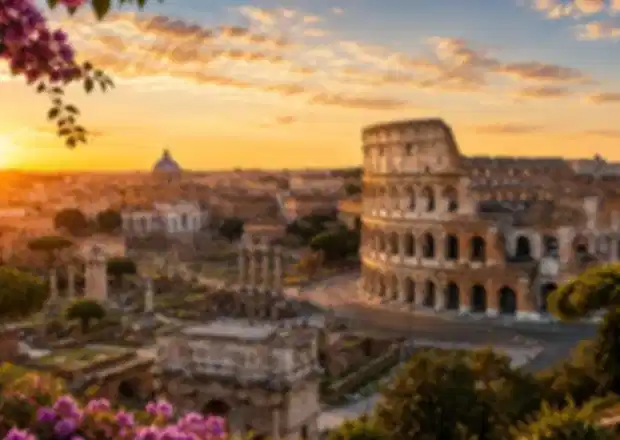
Choosing the best cities in Italy depends on what you want from your trip. Rome can take you from ancient ruins to lively piazzas, while Venice replaces roads with canals and Milan shifts the mood to fashion, design, and modern city life. However, the best choice depends on what you want from your trip, from iconic landmarks and art to food, romance, beaches, or quieter historic streets.
With so many places to choose from, knowing which cities in Italy are worth your time is the real challenge. This Italy guide breaks down the major cities by population and importance, the most beautiful and romantic picks, updated 2026 hotel prices and practical tips that will help you plan your itinerary.
Quick Facts About Cities in Italy
| Category | Details |
| Largest city | Rome, roughly 2.75–2.87 million residents |
| Second-largest city | Milan, roughly 1.36–1.4 million |
| Total cities over 100,000 people | Around 45–50 |
| Richest major city (by GDP/income) | Milan |
| Capital and seat of government | Rome |
| Is Vatican City part of Italy? | No. It is a separate sovereign state within Rome |
| Italy hotel prices (mid-range) | €180–350 (₹19,847–₹38,591) per night |
How Many Cities Are There in Italy?
The answer depends on how you define a “city.”
Italy does not have one official number of cities because the term can refer to different types of places. For travel purposes, Italy has around 45–50 cities with populations above 100,000, while the country has more than 7,900 comuni (municipalities) in total.
For planning your Italy package from India, you do not need to consider all 7,896 municipalities. The most relevant destinations include major cities such as Rome, Milan, Naples, Turin, Florence, Venice, Bologna, and Palermo, along with many smaller historic towns and cities worth visiting.
Largest Cities in Italy by Population
The largest city in Italy by population is Rome, with 2,747,290 residents. The city is then followed by Naples and Turin. Based on population within official municipal boundaries, the country’s 10 largest cities are:
| Rank | City | Population (approx.) |
| 1 | Rome | 2.75 million |
| 2 | Milan | 1.37 million |
| 3 | Naples | 0.91 million |
| 4 | Turin | 0.85 million |
| 5 | Palermo | 0.65 million |
| 6 | Genoa | 0.58 million |
| 7 | Bologna | 0.39 million |
| 8 | Florence | 0.37 million |
| 9 | Bari | 0.32 million |
| 10 | Catania | 0.31 million |
NOTE: Rome stands out by a wide margin, with roughly twice the municipal population of Milan. However, these figures refer to the city proper or comune, not the wider metropolitan area. A city’s metropolitan population can be considerably higher because it includes surrounding municipalities.
Best Cities to Visit in Italy
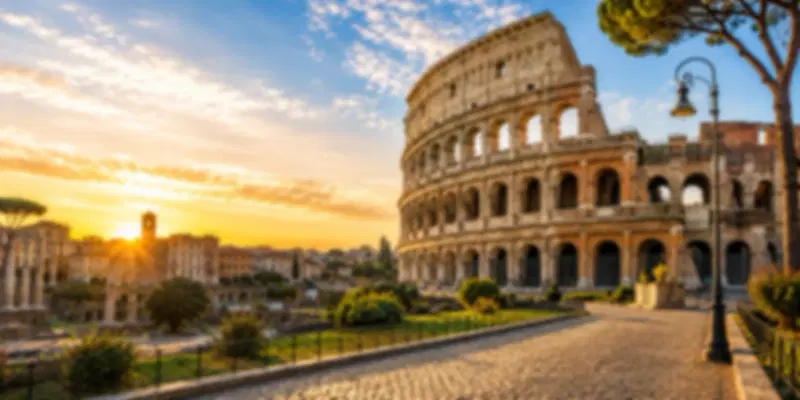
Italy has a city for almost every type of traveller, from Rome’s ancient landmarks and Florence’s Renaissance treasures to Bologna’s food scene and Venice’s canals. Whether it’s your first trip or you’re looking beyond the usual tourist route, these are the best cities to visit in Italy and what makes each one worth adding to your itinerary.
Rome — Best for History and First-Time Visitors
If you are visiting Italy for the first time, Rome is one of the easiest cities to start with. The capital brings together ancient ruins, world-famous landmarks, lively piazzas, and centuries of history in one city. Here, you can spend your day exploring the Colosseum and Roman Forum, then walk through historic streets towards the Pantheon, Trevi Fountain, and Piazza Navona.
Choose Rome if you want:
- Ancient Roman history and iconic landmarks
- Vatican City and major cultural attractions
- Lively piazzas, restaurants and evening walks
- A city that works well for a first Italy trip
Best for: First-time visitors, history lovers, and culture-focused travellers.
Florence — Best for Art and Renaissance History
Florence is compact, walkable, and packed with Renaissance masterpieces. If art, architecture, and history are high on your list, this is one of the best cities in Italy to explore at a slower pace. The Duomo, Uffizi Gallery, and Ponte Vecchio are among its most famous sights, while the historic centre makes it easy to explore several attractions on foot.
Choose Florence if you want:
- Renaissance art and architecture
- World-famous museums and galleries
- A walkable historic centre
- A relaxed city break with plenty of cultural experiences
Best for: Art lovers, couples, history enthusiasts and short city breaks.
Venice — Best for Canals and Romantic Getaways
Venice feels unlike anywhere else in Italy. Instead of roads and cars dominating the city, you’ll find canals, bridges, narrow lanes, and historic palaces at almost every turn. A gondola ride is the classic experience, but Venice is just as enjoyable when you simply wander through its quieter streets and discover small squares away from the busiest areas.
Choose Venice if you want:
- Canal views and gondola rides
- A romantic and atmospheric setting
- Historic architecture and unique streetscapes
- A memorable city experience unlike other Italian destinations
Best for: Couples, photographers, first-time visitors, and romantic getaways.
Milan — Best for Fashion, Shopping and Modern Italy
Milan offers a different side of Italy. While the city has important historic landmarks, its identity is strongly connected to fashion, design, shopping, and business. The Duomo di Milano and Galleria Vittorio Emanuele II are essential stops, while the city’s shopping districts, restaurants, and contemporary culture give Milan a more modern feel than Rome or Florence.
Choose Milan if you want:
- Fashion and designer shopping
- Modern Italian culture and nightlife
- Historic architecture with a contemporary city atmosphere
- A convenient base for exploring Northern Italy
Best for: Shoppers, fashion lovers, design enthusiasts, and urban travellers.
Naples — Best for Food and Coastal Day Trips
Naples is energetic, chaotic, and full of character. It is particularly appealing if food and local experiences matter as much to you as sightseeing. The city is famous for Neapolitan pizza, while its location makes it useful for exploring nearby destinations such as Pompeii, Mount Vesuvius, Capri, and the Amalfi Coast.
Choose Naples if you want:
- Authentic Southern Italian food
- Historic streets and lively local culture
- Easy access to Pompeii and Mount Vesuvius
- A base for coastal day trips
Best for: Food lovers, history enthusiasts, and travellers combining city and coast.
Bologna — Best for Food and Local Culture
Bologna is an excellent choice if you want to experience Italy beyond its busiest tourist cities. Its historic centre is known for medieval architecture, porticoes and a strong food culture. The city is also home to one of Europe’s oldest universities, giving it a youthful and lively atmosphere.
Choose Bologna if you want:
- Traditional Emilia-Romagna cuisine
- A less tourist-heavy city experience
- Historic architecture and long covered porticoes
- A lively university-city atmosphere
Best for: Foodies, repeat visitors, and travellers looking for a more local experience.
Turin — Best for Architecture and Museums
Turin offers an elegant alternative to Italy’s more famous tourist cities. Its wide streets, grand squares, Baroque architecture, and museums give it a distinct character. It is particularly worth considering if you enjoy history, architecture, museums, and cafés but prefer a quieter atmosphere than Rome or Milan.
Choose Turin if you want:
- Elegant historic architecture
- Museums and royal residences
- Traditional cafés and relaxed city walks
- A less crowded alternative to Italy’s major tourist hubs
Best for: Architecture lovers, museum enthusiasts, and slower-paced city breaks.
Verona — Best for Romance and a Short City Break
Verona is smaller and easier to explore than many of Italy’s major cities, making it a strong choice for a short romantic getaway. The city is famous for its connection with Shakespeare’s Romeo and Juliet, but there is more to Verona than Juliet’s balcony. Its historic centre, Roman Arena, and attractive squares make it easy to explore in a day or two.
Choose Verona if you want:
- A compact and walkable historic centre
- Romantic streets and atmospheric squares
- The Roman Arena and historic landmarks
- A short city break that can be combined with Northern Italy
Best for: Couples, short trips and travellers exploring Northern Italy.
Best Cities in Northern Italy
Northern Italy is home to some of the country’s most popular cities, from Milan’s fashion and design scene to Verona’s historic centre and the food culture of Bologna. The region also offers a mix of large cities and smaller destinations that are easy to explore by train.
| Travel Interest | Best City |
| First trip to Italy | Rome |
| Art and Renaissance history | Florence |
| Romance and canals | Venice |
| Fashion and shopping | Milan |
| Food and coastal day trips | Naples |
| Local food and culture | Bologna |
| Architecture and museums | Turin |
| Short romantic getaway | Verona |
For a first trip to Northern Italy, Milan, Bologna, Verona, and Turin offer a useful mix of art, food, architecture, shopping, and local culture. High-speed and regional trains also make it relatively easy to combine several of these cities in one itinerary.
Most Romantic Cities in Italy
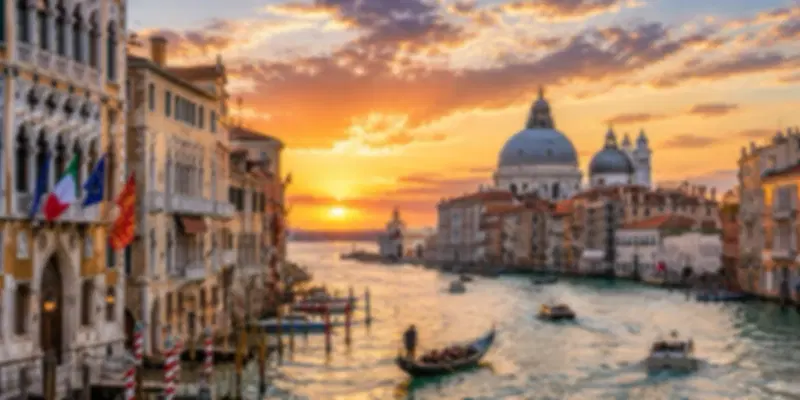
Italy has plenty of destinations that work well for a romantic getaway, from Venice’s canals to Verona’s historic streets and the coastal views of the Amalfi Coast. The best choice depends on the kind of experience you want.
- Venice: ideal for couples who want scenic canals, gondola rides, historic bridges, and atmospheric streets.
- Verona: a good choice for a romantic city break, with a walkable historic centre and its connection to Shakespeare’s Romeo and Juliet.
- Florence: perfect for couples interested in art, architecture, sunset views, and leisurely walks through the historic centre.
- Rome: offers a mix of historic landmarks, atmospheric piazzas, restaurants, and evening walks.
- Naples: suits couples looking for lively street life, local food, waterfront views, and access to nearby coastal destinations.
Travel Tip: If you want a classic romantic city break, Venice is one of the strongest choices in Italy. For a quieter coastal escape, consider adding the hidden places in Italy like Positano or Ravello on the Amalfi Coast.
Most Colourful Places in Italy
Looking for Italy’s most colourful destinations? Burano, near Venice, is one of the best-known places for brightly painted houses, while Manarola and Riomaggiore in Cinque Terre are famous for their colourful buildings set against the Ligurian coast.
- Burano: known for its brightly coloured houses, canals, and traditional lace-making. Its compact centre is easy to explore on foot.
- Manarola: a picturesque Cinque Terre village with colourful houses built into the cliffs above the sea.
- Riomaggiore: another colourful coastal village in Cinque Terre, known for its steep streets, harbour, and seaside views.
TIP: If you want the classic colourful Italian village experience, Burano is a particularly good choice. For dramatic coastal scenery, Manarola and Riomaggiore offer a different but equally photogenic experience.
Best Beach Cities in Italy
Several Italian cities combine city sightseeing with easy access to the coast, making them good choices for travellers who want beaches, culture, and food in one trip.
- Naples: offers waterfront views and easy access to coastal destinations such as Capri, Sorrento, and the Amalfi Coast.
- Bari: a coastal city in Puglia with a historic old town, seaside promenades, and access to beaches along the Adriatic coast.
- Palermo: combines Sicily’s history, architecture, and food with nearby beaches such as Mondello.
- Taormina: known for its hilltop historic centre, views of Mount Etna, and access to beaches along the Sicilian coast. Its ancient Greek theatre is one of its best-known landmarks.
- Genoa: a historic port city and a convenient base for exploring the Ligurian coast and destinations such as Cinque Terre.
- Lecce: although it is inland, Lecce makes a useful base for exploring beaches on both the Adriatic and Ionian sides of Puglia.
Travel Tip: For a city-and-beach holiday in Italy, Naples, Palermo, and Bari are the best choices as they combine urban attractions with easy access to the coast. If beaches are your main priority, consider extending your trip to nearby coastal towns rather than staying only within the city.
Cleanest Cities in Italy
If you are looking for the cleanest cities in Italy, environmental sustainability rankings provide a useful starting point. Legambiente’s annual Ecosistema Urbano report assesses Italian provincial capitals across factors such as air quality, water management, waste, public transport, mobility, green spaces, and energy. The 2025 edition assessed 106 Italian provincial capitals.
In the 2025 ranking, Trento took first place, followed by Mantua, Bergamo, Bolzano, and Pordenone. Other cities in the top 10 included Reggio Emilia, Parma, Rimini, Bologna, and Forlì.
Travel Tip: For travellers who value cleaner streets, green spaces, efficient services, and sustainable urban infrastructure, smaller cities such as Trento, Mantua, and Pordenone are worth considering alongside Italy’s major tourist destinations.
Where to Stay in Rome and Florence?
Hotel prices in Rome and Florence city centres can vary a lot. Your budget depends on the neighbourhood, hotel category, travel season, and how close you stay to major attractions.
Hotels in Rome City Centre
Hotels in Rome, Italy, city centre, range from affordable stays to high-end luxury properties.
| Hotel category | Typical price per night |
| Budget | €60–130 (₹6,662–14,435) |
| Mid-range | €130–450+ (₹14,435–49,969+) |
| Luxury | €800–1,000+ (₹88,833–111,041+) |
NOTE: Prices can vary significantly depending on the location and season.
What to expect: Central Rome has a wide range of accommodation, from relatively affordable hotels to luxury properties. Rates can rise sharply during peak travel periods and around major attractions.
Hotels in Florence City Centre
Hotels in Florence, Italy city centre are particularly popular around the Duomo, Piazza della Signoria and the historic centre.
| Hotel category | Typical price per night |
| 3-star | €100–200 (₹11,104 – 2,208) |
| 4-star | €180–400 (₹19,987– 44,416) |
| 5-star | €400+ (₹44,416+) |
NOTE: Prices can change considerably based on your travel dates, hotel location and demand.
What to expect: Florence tends to see stronger hotel demand during popular travel periods.
Conclusion: Which Cities in Italy Should You Visit?
The best cities in Italy depend on what you want from your trip. Rome is the strongest choice for first-time visitors and ancient history, while Florence is ideal for Renaissance art and architecture. Choose Venice for canals and romance, Milan for fashion and shopping, or Naples for food and coastal day trips. Whether you are planning your first Italy holiday, a romantic escape, a food-focused trip, or a longer city-hopping itinerary, choosing the right cities can make your experience more enjoyable and less rushed. Start with the experiences you want most, then build your Italy itinerary around them.
FAQs
Rome (around 2.75–2.87 million) and Milan (around 1.36–1.4 million) are the only two Italian cities with populations over one million within official city limits, followed by Naples, Turin, and Palermo.
No. Vatican City is a separate sovereign state, the world’s smallest country, though it sits entirely within Rome’s city limits and shares a border with Italian territory on all sides.
Venice and Florence are the two most frequently cited, though the answer is subjective — Venice for its unique canal-based layout, Florence for its dense concentration of Renaissance art and architecture.
Milan, by both GDP per capita and average declared income, is driven by its role as the country’s financial, fashion, and business capital.
Around 45–50 cities have populations over 100,000, though only ten exceed 300,000 residents. Most travel itineraries focus on a dozen or fewer of these.
Venice is the most commonly cited, though Verona (linked to Romeo and Juliet) and the Amalfi Coast towns of Positano and Ravello are close contenders for couples seeking a quieter, coastal alternative.
The best cities to visit in Italy depend on your interests. Rome is best for history, Florence for Renaissance art, Venice for canals and romance, Milan for fashion, and Naples for food and coastal day trips.
Rome, Florence and Venice are the best cities in Italy for first-time visitors. Together, they offer ancient history, Renaissance art, iconic architecture, canals and classic Italian experiences.
Plan at least 2–3 days per major city for a comfortable trip. A first-time itinerary can cover Rome, Florence and Venice in about 7–10 days, depending on your pace and day trips.
Bologna and Naples are among the best cities in Italy for food. Bologna is known for Emilia-Romagna cuisine, while Naples is famous for Neapolitan pizza and southern Italian food.
Venice, Verona, Florence and Rome are popular choices for couples. Venice is ideal for canals and gondola rides, Verona for a romantic city break, Florence for art and architecture, and Rome for historic sights and evening walks.
Rome and Florence are particularly convenient for a short Italy trip because they are well connected by high-speed train. For a three-city trip, Rome, Florence and Venice offer a well-rounded introduction to Italy.

Recommended articles for you










Discover Packages
















Europe City Packages
Packages By Departure City
Packages By Theme
Packages By Duration
Europe Combo Packages
Europe Nearby Destinations

Need help in planning?
Talk to our Travel Experts