
Autumn in Switzerland: The Complete Guide to September, October & November

Autumn in Switzerland brings cooler weather, fewer crowds, and some of the country’s most beautiful seasonal scenery. From September to November, the summer crowds disappear, mountain landscapes turn gold and amber, vineyards glow across the valleys, and the first snow begins returning to the highest Alpine peaks. The season is an excellent time for scenic train rides through colourful forests, peaceful hiking trails, misty mornings by the lakes, and crisp mountain views across the Swiss Alps.
Whether you are planning a scenic getaway or a Switzerland honeymoon package, autumn offers a great balance of scenery, experiences, and relatively lower travel demand. In this guide, you will find everything you need to know about Switzerland in autumn, including weather, fall colours, best places to visit, travel costs, and the top seasonal experiences from September to November.
Key Takeaways
- September is the best all-round autumn month, with pleasant weather, open trails, and 20–30% lower hotel prices than August.
- October brings peak foliage; golden larch forests around Zermatt, St. Moritz and the Engadin Valley are at their best from late September to mid-October.
- November is the quietest and cheapest month, but many high-altitude cable cars, huts and seasonal restaurants begin closing.
- Autumn (Sept–Nov) often overlaps with the Diwali travel window, worth factoring into your visa and booking timeline if you’re planning around Indian holidays.
- Snow can start above 2,000 m from October onwards; check the MeteoSwiss app before any high-altitude plans.
Autumn Season in Switzerland: Month-by-Month Breakdown
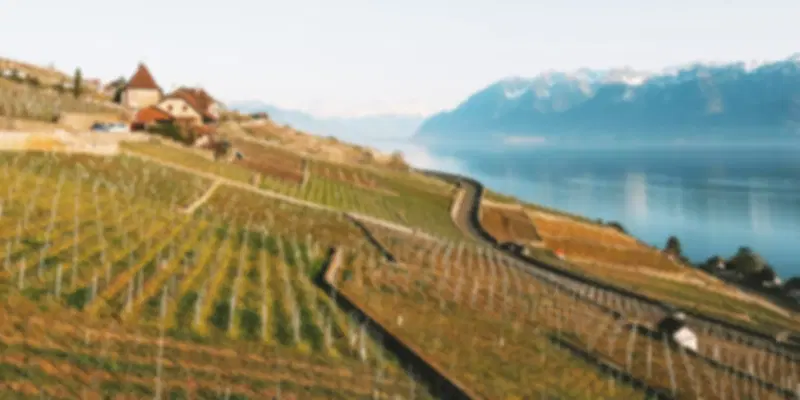
Switzerland wine harvest season
Switzerland in September – Best of Both Worlds
September is widely considered the best autumn month to visit Switzerland. The peak summer crowds begin to disappear, but the country still enjoys pleasant weather, open hiking trails, and fully operational mountain cable cars. Daytime temperatures in lower regions usually range between 18°C and 22°C, making it comfortable for sightseeing, hiking, scenic train journeys, and lake activities.
Early autumn colours start appearing across higher Alpine forests by mid-September, especially around Zermatt, Grindelwald, and the Engadin Valley. Lakes remain warm enough for swimming during the first half of the month, while waterfalls continue flowing strongly from summer glacier melt. September is also noticeably quieter and more affordable compared to August, with hotel prices often dropping by 20–30% after the peak summer season.
Switzerland in October – Peak Autumn Colour
The month of October in Switzerland is the most beautiful month for autumn colours. Across the country, forests, vineyards, and mountain valleys turn shades of gold, orange, and deep red, creating some of the most scenic landscapes of the year. The timing of peak foliage depends on altitude, with higher Alpine regions changing colour earlier than lower valleys and lakeside towns.
The golden larch forests around Zermatt, St. Moritz, and the Engadin Valley usually peak between late September and mid-October. Lower regions such as the Lavaux Vineyards near Geneva and the forests surrounding Lucerne are typically at their most colourful during the first half of October. October is also one of the best months for scenic train journeys in Switzerland, as routes like the Glacier Express and Bernina Express pass through forests and mountain valleys covered in autumn colours.
Travellers should also note that Swiss school autumn holidays usually fall between late September and late October, depending on the canton. During these periods, popular mountain resorts and family destinations can become busier, and hotel prices may temporarily increase.
Switzerland in November
November is Switzerland’s quietest travel month and marks the transition between autumn and winter. The Swiss weather in November becomes noticeably colder, especially in mountain regions, with shorter daylight hours, foggy mornings, and the first major snowfall arriving at higher altitudes. Many mountain cable cars, hiking trails, and seasonal alpine restaurants also begin closing during this period.
The biggest advantage of visiting Switzerland in November is the lack of crowds. Hotels are usually at their lowest prices of the year, tourist attractions feel far quieter, and popular destinations become noticeably more peaceful compared to summer and early autumn.
November is especially well-suited for city-focused travel. While November is not ideal for high-altitude hiking, it can be an excellent month for travellers looking for quieter city experiences, lower travel costs, and a slower side of Switzerland that most summer visitors never see.
Switzerland in Autumn Weather
| Month | Valley Temp (Day) | Mountain Temp (Day) | Conditions |
| September | 18–22°C | 10–15°C at 2,000 m | Mostly stable; occasional rain; excellent visibility |
| October | 10–16°C | 4–10°C at 2,000 m | More variable; rain increasing; snow above 2,500 m |
| November | 4–10°C | Likely snowbound above 1,500 m | Cold, grey, unpredictable; short days |
Why Visit Switzerland in Autumn?
Golden Larch Forests
Autumn in Switzerland is famous for its golden larch forests, especially around Zermatt, St. Moritz, and the Engadin Valley. Unlike most conifers, larch trees turn bright yellow before shedding their needles, creating some of the most dramatic autumn landscapes in the Alps.
Wine Harvest Season
September and October are grape harvest months across Switzerland’s vineyard regions. The Lavaux Vineyards above Lake Geneva are especially beautiful during autumn, with golden vineyards overlooking the lake. Wine regions in Valais also host tastings, harvest festivals, and cellar visits during this period.
Traditional Alpabfahrt Festivals
Autumn is also the season of Alpabfahrt, the traditional descent of decorated cows from Alpine pastures into the valleys. These festivals take place across mountain villages throughout Switzerland and include:
- flower-decorated cattle
- giant ceremonial cowbells
- local food
- music and cultural celebrations
It remains one of the most authentic cultural experiences in Switzerland.
Fewer Crowds and Lower Prices
Compared to summer, autumn in Switzerland feels noticeably quieter and more relaxed. Popular hiking trails, scenic trains, and mountain villages become less crowded, while hotel prices often drop significantly after August.
| Travel Factor | Summer | Autumn |
| Hotel Prices | Highest | Lower |
| Cable Car Queues | Long | Shorter |
| Hiking Trails | Crowded | Peaceful |
| Scenic Trains | Busy | More relaxed |
For many travellers, autumn offers the perfect balance of beautiful scenery, lower costs, and a calmer travel experience across Switzerland.
Best Places to Visit in Switzerland in Autumn
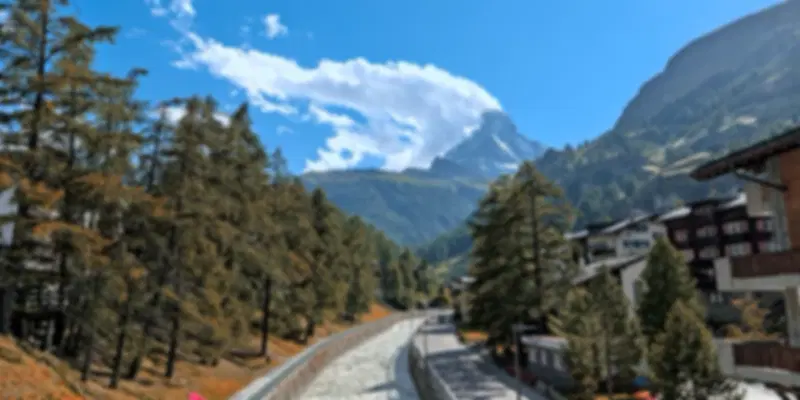
Autumn transforms Switzerland into a breathtaking landscape of golden forests, colourful vineyards, and snow-dusted Alpine peaks. From scenic mountain towns to picturesque lakeside escapes, these are some of the best places to visit in Switzerland in autumn for spectacular views, seasonal charm, and unforgettable experiences.
Zermatt and the Matterhorn
Zermatt in September and early October has the best combination of conditions for mountain photography: the first dustings of snow on the Matterhorn’s summit, golden larch forests in the surrounding valleys, and a significantly reduced crowd compared to August. The Gornergrat Railway continues operating into October, providing the most panoramic view of the Matterhorn and the Gorner Glacier in full autumn colour.
Engadine (St. Moritz)
The upper Engadine valley in late September is arguably the best single location in Switzerland for autumn scenery. Larch forests surround the lake chain (lakes Silvaplana, Sils, and Maloja), and the combination of blue water, yellow larches, and snow-streaked peaks is exceptional. St. Moritz as a base gives access to easy valley walks and the Muottas Muragl funicular, which rises above the treeline for a panoramic view of the entire larch forest from above.
Lucerne and Lake Lucerne
Lucerne in autumn is far less busy than in summer but equally beautiful. Boat cruises on Lake Lucerne continue well into October on reduced schedules, and the surrounding mountains, Rigi and Pilatus, are particularly striking in October when summit snowfall contrasts with golden valley forests below. The historic Rigi Railway, the first mountain railway in Europe, operates year-round and is less crowded in September and October than at any other time of year.
Lavaux Wine Region (Lake Geneva)
The stepped vineyard terraces of Lavaux, running along the north shore of Lake Geneva between Lausanne and Montreux, become the most beautiful in October as the vines change colour. Walking the Lavaux vineyard trail (a gentle 2–3 hour route from Cully to Rivaz) in mid-October offers views of gold and amber vines, the blue lake, and the French Alps beyond. Wine cellars along the trail sell the local Chasselas white by the glass at the door — a genuinely convivial autumn afternoon.
Basel
Often overlooked, Basel in autumn is one of the most enjoyable cities in Switzerland. It has the highest density of world-class art museums in the country (Kunstmuseum Basel houses the most important public art collection in Switzerland), the Art Basel preview events in September draw the international art world, and the Rhine riverbank is scenic for walking, even in cooler weather.
Hiking in Switzerland During Autumn
Autumn is one of the best hiking seasons in Switzerland, especially September and early October. September offers strong conditions for both high-altitude and valley hikes, with most trails above 2,500m still snow-free. By October, hiking tends to be better at mid-altitudes, where forests and valleys carry peak autumn colour.
Best autumn hiking regions:
- Zermatt
- Grindelwald
- Engadin Valley
- Oeschinensee
Keep in mind:
- Snow can begin falling above 2,000m from October onwards.
- Mountain huts and alpine restaurants often close between late September and mid-October.
- Larch forests usually peak between late September and mid-October.
- The MeteoSwiss app is worth having installed for mountain-specific forecasts.
What Closes in Switzerland During Autumn?
Switzerland shifts between summer and winter tourism during October and November, so some seasonal attractions temporarily close for maintenance.
Common autumn closures:
- High-altitude cable cars and gondolas
- Seasonal mountain huts (SAC huts)
- Some Bergrestaurants and alpine cafés
- Reduced lake cruise schedules
- Scenic train services like the Gotthard Panorama Express after mid-October
Usually still open through autumn:
- Jungfraujoch
- Mount Titlis
- Main cable cars in Zermatt
- Swiss public transport and city attractions
Checking attraction websites before you travel matters most in late October and November, since schedules vary by region and weather.
Autumn in Switzerland for Indian Travellers
Switzerland’s autumn window often overlaps with the Diwali travel season, worth factoring in if you’re planning around Indian holidays, since flight and hotel demand can rise accordingly even as general tourist crowds thin out elsewhere. If you’re applying for a Schengen visa for an autumn trip, build in your usual processing buffer regardless of the quieter season, visa timelines don’t shorten just because tourist crowds do.
Practical Tips for Autumn Travel
- Check the weather before mountain trips: Alpine weather can change quickly, particularly in October and November. Check the latest mountain forecast before hiking or taking a cable car.
- Pack layers: Temperatures can vary significantly between cities, valleys, and mountain areas. So pack a warm jacket, waterproof rain jacket, sweaters, thermal layers and waterproof shoes.
- Check seasonal opening hours: Some cable cars, mountain huts, alpine restaurants, and hiking routes close between October and November for maintenance.
- Plan outdoor activities early: Daylight hours become shorter as autumn progresses, so start hikes and sightseeing early.
- Keep a backup plan: If rain or fog affects your mountain plans, have indoor attractions, museums, or scenic train rides as alternatives.
- Book popular scenic trains early: Routes such as the Glacier Express and Bernina Express can still be busy in September and October.
- Prepare for colder conditions at altitude: Even when cities feel comfortable, mountain destinations can be several degrees colder and may have snow.
Is Autumn in Switzerland Worth Visiting?
Autumn in Switzerland offers a quieter, more scenic side of the country, with golden forests, vineyard harvests, peaceful hiking trails, and dramatic Alpine landscapes between September and November. From the larch forests of Zermatt to scenic train journeys through the Engadin Valley, this season delivers some of the most beautiful views in the Swiss Alps.
For travellers looking for fewer crowds, lower prices, and a slower travel experience, autumn is one of the best times to book Switzerland packages, or a romantic couples trip to Switzerland.
FAQs
September and October are the best months to visit Switzerland in autumn. Visit in September for pleasant weather, open hiking trails and fewer crowds. Choose October for the best autumn colours, especially in Zermatt, St. Moritz, the Engadin Valley and Lavaux Vineyards. November is best for lower prices and quieter city trips.
Autumn colours in Switzerland usually peak from late September to mid-October. Higher-altitude destinations such as Zermatt and the Engadin Valley change colour earlier, while lower valleys, forests and vineyard regions often look their best in early to mid-October. The exact timing varies depending on altitude and weather.
Yes, October is one of the best months to visit Switzerland for autumn scenery. Forests, vineyards and Alpine valleys display beautiful shades of gold, yellow, orange and red. It is also a good time for scenic train journeys and lower-altitude hiking, although some mountain attractions may close temporarily for seasonal maintenance.
Yes, snow can fall in Switzerland during autumn, mainly in high-altitude regions. Snowfall may begin above 2,000 metres in October and becomes more common by November. Lower cities and lakeside destinations can still experience autumn weather while higher Alpine areas, including Jungfraujoch, have snow.
Pack layers for Switzerland in autumn, as temperatures can change significantly between cities and mountains. Bring a warm jacket, sweaters, long-sleeved tops, waterproof walking shoes and a rain jacket. For mountain trips in October and November, pack thermal layers, gloves and warmer outerwear.
Most major cities, public transport and year-round attractions remain open, but some mountain facilities close temporarily in autumn. Cable cars, hiking trails, mountain huts and seasonal restaurants may close between October and November for maintenance or before the winter season. Always check the latest operating schedule before visiting high-altitude attractions.
Yes, autumn can be cheaper than the peak summer season, especially from late September to November. Hotel prices and tourist crowds generally decrease after August, while November is often one of the quietest and more affordable months. However, prices may rise during school holidays, popular harvest weekends and the Diwali travel period.
November is a good time to visit Switzerland for fewer crowds, lower hotel prices and city sightseeing. It is less suitable for high-altitude hiking because of colder weather, snowfall and seasonal closures. Cities such as Lucerne, Zurich, Basel and Geneva are better choices than a mountain-focused itinerary during this month.
The best places to visit in Switzerland in autumn include Zermatt, St. Moritz and the Engadin Valley for golden larch forests, Lucerne for lakes and mountain scenery, and Lavaux for colourful vineyards. September and October are the best months for enjoying autumn landscapes across these destinations.
Yes, Switzerland is absolutely worth visiting in autumn if you want beautiful scenery with fewer crowds than summer. The season offers colourful forests, golden vineyards, scenic train rides, comfortable temperatures in September and October, and lower prices in the quieter months. It is especially ideal for travellers looking for a relaxed and scenic Swiss holiday.

Recommended articles for you






Discover Packages





Europe City Packages
Packages By Departure City
Packages By Theme
Packages By Duration
Europe Combo Packages
Europe Nearby Destinations

Need help in planning?
Talk to our Travel Experts