
Sri Lanka vs Maldives 2026: Which Is Better for Your Trip?
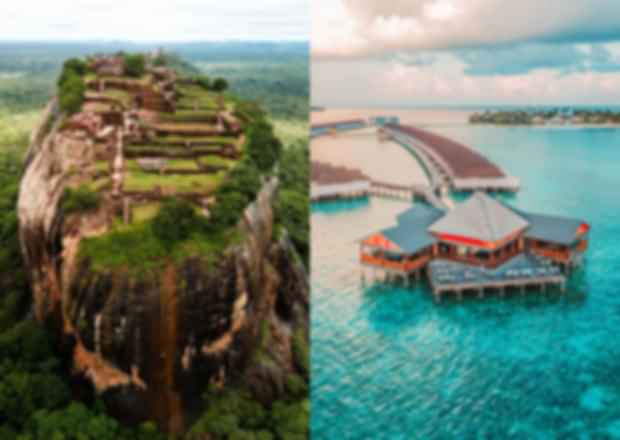
You have a week, a fixed budget, and two very different island holidays to choose from. Sri Lanka gives you beaches, safaris, temples and hill-country escapes in one trip, while the Maldives is all about turquoise water, private resorts and slowing down. So, which one actually makes more sense for your holiday? This Sri Lanka vs Maldives comparison breaks down the differences that matter before you book, including flight times from India, travel costs, weather, food, things to do and the overall experience. You’ll also see which destination works better for couples, first-time international travellers and different holiday styles. Whether you’re planning to book a Sri Lanka tour package or planning a Maldives trip, this guide will help you compare both beyond the usual beach photos and choose the one that fits your time, budget and travel plans.
Sri Lanka vs Maldives: Quick Comparison
| Feature | Maldives | Sri Lanka |
| Visa & Entry | Free 30‑day tourist visa on arrival for Indian travellers | Free 30‑day tourist ETA for Indian travellers (online, before travel) |
| Flight Time from India | Around 4–5 hours | Around 1.5–3.5 hours |
| Daily Budget | ₹8,000–₹25,000 (MVR 3,600–11,250) per person | ₹3,500–₹8,000 (LKR 11,650–26,640) per person |
| Ideal Duration | 4–6 days | 7–10 days |
| Accommodation | Luxury resorts, overwater villas, and local‑island guesthouses | Hotels, boutique stays, beach resorts, guesthouses, and unique stays |
| Beaches | Clear lagoons, white‑sand beaches, and private resort beaches | Long sandy beaches with more coastal towns to explore |
| Top Experiences | Snorkelling, diving, island hopping, dolphin cruises, and resort experiences | Safaris, hiking, surfing, cultural experiences, scenic train rides, and wildlife spotting |
| Food | Seafood, coconut‑based dishes, and international resort dining | Rice and curry, hoppers, kottu roti, seafood, and plenty of vegetarian choices |
| Getting Around | Speedboats, domestic flights, and seaplanes between islands | Trains, buses, taxis, private cars, and tuk‑tuks |
| Travel Style | Resort‑focused and relaxed | Multi‑destination and experience‑filled |
| Best For | Honeymoons, couples, luxury stays, and short beach breaks | Families, adventure seekers, culture lovers, and budget‑conscious travellers |
Flights from India: Sri Lanka vs Maldives
Sri Lanka is generally quicker to reach from India, especially for travellers flying from South India. The Maldives is also well connected, but flight times can vary depending on your departure city and whether you choose a nonstop or connecting flight. Here are some common nonstop routes to help you compare:
Sri Lanka Flight Options from India
- Chennai → Colombo: Around 1h15m–1h40m, making it one of the shortest international routes from India.
- Bengaluru → Colombo: Around 1h25m–1h45m.
- Mumbai → Colombo: Around 2h30m–2h45m.
- Delhi → Colombo: Around 3h25m–3h45m.
Maldives Flight Options from India
- Chennai → Malé: Around 2h30m–3h30m.
- Bengaluru → Malé: Around 1h45m–2h15m.
- Mumbai → Malé: Around 2h45m–3h15m.
- Delhi → Malé: Around 3h45m–4h15m.
Flight schedules and direct options can vary by airline, departure city and travel dates, so check the latest availability before booking.
Which Destination Is Easier to Reach?
- Choose Sri Lanka: Better if you want shorter flight times, particularly when flying from South India.
- Choose the Maldives: A good option if you don’t mind a slightly longer journey for a relaxed, resort-focused holiday.
Want to compare routes and entry requirements? Check our guide on how to reach Sri Lanka from India.
Best Time to Visit Sri Lanka vs Maldives
Both destinations are warm year-round, but their weather patterns are quite different. The Maldives has clearer dry and wet seasons, while Sri Lanka’s best travel period depends on the region you plan to explore. Comparing the seasons can help you choose the destination that suits your travel dates.
Maldives Weather and Best Travel Season
The Maldives has a tropical climate year-round, but the dry season delivers the most reliable conditions for the best time to visit the Maldives.
| Seasons | Weather Conditions | Travel Notes |
| Peak Season (Dec – Apr) | Dry season, sunny days between 28–30°C with minimal rainfall | Best for water activities, but the most expensive period |
| Shoulder Season (May & Nov) | Good weather with occasional showers | Balance of affordability and pleasant climate |
| Monsoon Season (Jun – Oct) | The southwest monsoon brings frequent rainfall | Resorts offer discounts, but some water activities might be restricted |
Sri Lanka Weather and Best Travel Season
Sri Lanka’s climate varies by region rather than following a single national pattern, so there’s almost always a pocket of good weather somewhere on the island.
| Seasons | Weather Conditions | Travel Notes |
| West & South Coast (Dec – Apr) | Dry and sunny weather | Ideal for Colombo, Galle and southern beaches |
| East Coast & Hill Country (May – Sep) | Best weather on the East Coast and hill stations. | Trincomalee, Arugam Bay, Kandy and Ella are best during this period |
| Transitional Months (Oct – Nov) | Generally pleasant nationwide with occasional showers | Good time to visit most regions |
Best Places to Visit in Sri Lanka vs Maldives
Sri Lanka and the Maldives have numerous interesting destinations to explore. Let’s have a glance at some of Sri Lanka’s and the Maldives’ most visited tourist destinations.
Best Places to Visit in the Maldives
- Male and North Male Atoll: The capital city features famous wonders, high-end dining options, bustling markets, and many other top tourist attractions in the Maldives.
- South Ari Atoll: Known for incredible marine biodiversity and whale sightings, this area is perfect for diving enthusiasts.
- Baa Atoll (UNESCO Biosphere Reserve): This protected area is home to Hanifaru Bay, where the manta rays and whale sharks gather during May in the Maldives.
Best Places to Visit in Sri Lanka
- Cultural Triangle: Sigiriya’s Lion Rock and Dambulla Cave Temple are listed as UNESCO World Heritage Sites in Sri Lanka that demonstrate natural beauty.
- Southern Coast: Galle Fort is a blend of Dutch colonial buildings and contemporary cafes. The beaches of Unawatuna and Mirissa provide surfing and whale watching experiences.
- East Coast: Arugam Bay is a famous surfing spot, and Trincomalee offers some of the finest beaches in Sri Lanka.
Things to Do in Sri Lanka vs Maldives
The Maldives is ideal for slowing down and enjoying the sea, with snorkelling, cruises, island hopping, and private resort experiences. Sri Lanka offers a more active mix, from wildlife safaris and cultural experiences to hiking, surfing, and rafting. Your choice largely depends on whether you want a relaxed beach escape or a trip packed with different experiences.
Things to Do in the Maldives
- Water Activities: The Maldives excels in marine experiences such as snorkelling expeditions around colourful coral gardens and tropical fish.
- Resort Experiences: Overwater spa treatments, sunset dolphin cruises and private beach dinners create romantic moments.
- Island Hopping: Explore fishing villages to get an insight into the real culture of the Maldives.
Things to Do in Sri Lanka
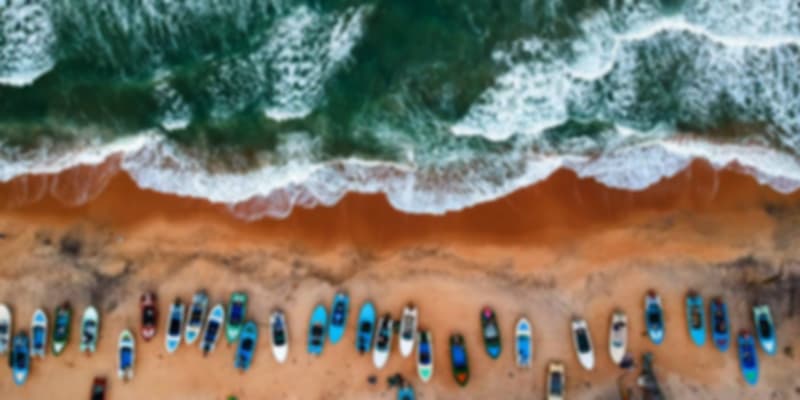
- Cultural Exploration: Ancient temples, colonial architecture, and traditional arts and crafts offer deep cultural immersion.
- Wildlife Encounters: Yala National Park provides excellent leopard spotting opportunities, while Minneriya hosts seasonal elephant gatherings.
- Adventure Activities: Hiking in the Hill Country, surfing world-class breaks and white-water rafting cater to adventure seekers.
Where to Stay: Maldives Resorts vs Sri Lanka Hotels
Where you stay can shape the entire holiday. The Maldives is more resort-focused, while Sri Lanka gives you a much wider choice of stays. Your budget, trip style, and plans can help decide which works better.
| Factor | Maldives | Sri Lanka |
| Main stay options | Mostly resorts, with overwater villas as the signature choice | Hotels, boutique stays, guesthouses, beach resorts, and more |
| Budget stays | Limited, mainly on local islands through guesthouses | Widely available across cities, beaches, and hill towns |
| Unique stays | Overwater villas with direct lagoon access | Colonial hotels, tea‑estate bungalows, and boutique properties |
| Trip style | Best for staying in one resort and enjoying its facilities | Great for changing stayCs as you travel between regions |
| Meals & transfers | Resort rates often include meal plans and transfers, depending on the package | Usually booked separately, giving you more control over spending |
| Best for | Honeymoons, couples, and relaxing beach holidays | Families, couples, backpackers, and travellers who want variety |
| Overall experience | A private, resort‑led escape | A more varied stay that changes with each destination |
Food in Sri Lanka vs Maldives: What Should You Expect?
Food is another clear difference between the two destinations. Maldivian cuisine is centred around tuna, coconut and rice or roshi, while Sri Lankan food offers a wider mix of curries, street food, seafood and snacks. If you’re planning your meals around local flavours, these are the dishes worth trying.
Maldivian Food and Dietary Options
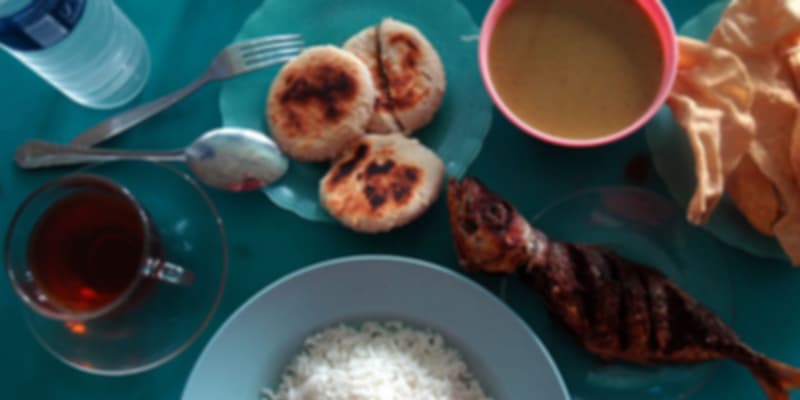
If you want to taste local Maldivian food, don’t limit yourself to resort buffets. Try:
- Mas Huni: A popular breakfast made with shredded tuna, grated coconut, onion and chilli, usually served with roshi.
- Garudhiya: A traditional clear tuna broth served with rice, lime and chilli.
- Fihunu Mas: Grilled fish, usually tuna or reef fish, seasoned with local spices.
- Gulha: Small fried snacks filled with tuna, coconut, onion and spices, commonly enjoyed with tea.
- Bis Keemiya: A savoury pastry filled with tuna, egg and vegetables.
Resorts also serve international cuisine and can usually accommodate vegetarian meals. If you follow a strict Jain diet, speak to your resort in advance to confirm what they can prepare.
Sri Lankan Food and Dietary Options
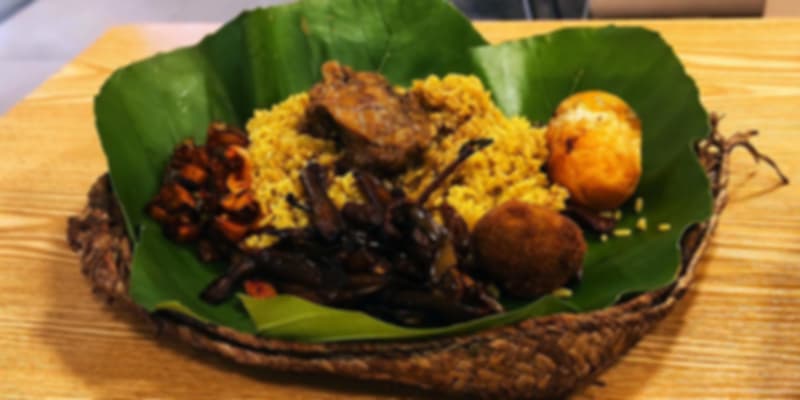
Sri Lanka offers more variety, from filling rice meals to street food and regional specialities. Make sure you try:
- Rice and Curry: A traditional meal served with rice, dhal, vegetable curries, sambols and often fish or meat.
- Egg Hoppers: Bowl-shaped fermented rice pancakes with an egg cooked in the centre, usually served with sambol or curry.
- Kottu Roti: Chopped roti stir-fried with vegetables, egg, meat or seafood and spices.
- Fish Ambul Thiyal: A dry, tangy fish curry traditionally made with tuna and goraka, particularly associated with southern Sri Lanka.
- Lamprais: A Dutch-Burgher speciality featuring rice, curries and accompaniments wrapped in a banana leaf and baked.
- Pol Sambol: A spicy coconut relish made with coconut, chilli, onion and lime, commonly served alongside meals.
Vegetarian choices are widely available, including dhal curry, vegetable curries, hoppers and jackfruit curry. If you follow a Jain diet, communicate your requirements clearly when ordering, as some dishes or sambols may contain fish-based ingredients.
Which Destination Is Better for Food?
Choose the Maldives if you prefer resort dining and international food. Choose Sri Lanka if you want more local variety, affordable meals, and easier access to vegetarian and Indian-friendly options.
Maldives and Sri Lanka Visa Requirements for Indian Travellers
For Indian travellers, both destinations are easy to visit, but the visa process differs. The Maldives offers a free visa on arrival, while Sri Lanka requires an online ETA before travel.
Maldives Visa for Indian Travellers
Indian citizens can get a free 30-day tourist visa on arrival. A valid passport, return ticket, and accommodation details are required. A Traveller Declaration must also be submitted through IMUGA within 96 hours before arrival. More details on the Maldives visa can be found in the required documents and the entry process.
Sri Lanka Visa for Indian Travellers
Indian citizens need a tourist ETA before travelling. Under the current rules, the ETA is free for Indians and allows a stay of up to 30 days. A valid passport, return ticket, and approved ETA should be ready before departure. The Sri Lanka visa for Indians explains the ETA process and entry requirements.
Sri Lanka vs Maldives: Visa Comparison
| Requirement | Maldives | Sri Lanka |
| Visa | Free 30‑day tourist visa on arrival | Free 30‑day tourist ETA (online, before travel) |
| Before travel | IMUGA Traveller Declaration required (within 96 hours of arrival) | ETA application required before departure |
| Key documents | Passport, return ticket, accommodation proof, IMUGA declaration | Passport, return ticket, approved ETA |
| Stay | Up to 30 days (extendable) | Up to 30 days (extendable) |
Which is easier? The Maldives has the simpler process because Indian tourists can get their visa on arrival. Sri Lanka is also straightforward, but an approved ETA is required before departure.
Sri Lanka vs Maldives: Budget and Travel Costs
Your budget can make the choice between the two much easier. Sri Lanka is generally more affordable, especially for accommodation, food, and getting around. The Maldives can cost much more, particularly when you choose a private resort, premium villa, or seaplane transfer.
| Category | Maldives (INR) | Maldives (MVR) | Sri Lanka (INR) | Sri Lanka (LKR) |
| Budget guesthouses (per night) | ₹4,000 – ₹8,000 | MVR 1,800 – 3,600 | ₹1,500 – ₹3,000 | LKR 5,000 – 10,000 |
| Mid-range hotels/resorts (per night) | ₹15,000 – ₹30,000 | MVR 6,800 – 13,600 | ₹4,000 – ₹8,000 | LKR 13,300 – 26,700 |
| Luxury hotels/villas (per night) | ₹50,000 – ₹1,50,000 | MVR 22,700 – 68,200 | ₹12,000 – ₹25,000 | LKR 40,000 – 83,300 |
| Food (per meal, budget to fine dining) | ₹1,500 – ₹15,000 | MVR 680 – 6,800 | ₹500 – ₹5,000 | LKR 1,700 – 16,700 |
| Transportation | ₹15,000 – ₹25,000 (transfer, one way) | MVR 6,800 – 11,400 | ₹200 – ₹1,500 | LKR 700 – 5,000 |
| Activities | ₹3,000 – ₹12,000 | MVR 1,360 – 5,450 | ₹500 – ₹4,000 | LKR 1,700 – 13,300 |
Which Is Better for First-Time International Travellers?
Your choice largely depends on what you want from your first international holiday. Sri Lanka is better suited to travellers who want to explore and experience different sides of a destination, while the Maldives works well for those who want a relaxing island escape with minimal planning.
Why Visit Sri Lanka?
- You want variety: Combine beaches, wildlife safaris, ancient sites, tea plantations, waterfalls and scenic hill-country landscapes in one trip.
- You enjoy adventure: Try surfing, hiking, white-water rafting, scuba diving and other outdoor activities.
- You want a culture-focused holiday: Explore ancient cities, temples, local markets, food and Sri Lanka’s long cultural heritage.
- You want a multi-stop trip: Sri Lanka’s compact size makes it possible to combine several regions and experiences during one holiday.
Why Visit the Maldives?
- You want to relax: Stay at a resort, spend time by the beach and enjoy a slower-paced island holiday.
- You love marine experiences: Snorkelling, diving, water sports and exploring coral reefs are major reasons to visit.
- You’re planning a honeymoon: Private resorts, beach villas, romantic dining and secluded island settings make the Maldives especially appealing for couples.
- You prefer less sightseeing: A resort-focused stay means you can spend most of your holiday in one place without planning a packed itinerary.
In short: Choose Sri Lanka if you want exploration, culture, wildlife and adventure. Choose the Maldives if you want beaches, marine experiences, privacy and a relaxed resort holiday.
Can You Combine Sri Lanka and the Maldives in One Trip?
Absolutely. Combining both destinations works well when you want exploration followed by relaxation. A popular plan is to spend 7–10 days in Sri Lanka exploring its cultural sites, hills, wildlife, and beaches, followed by 3–5 days in the Maldives for an easy island escape.
This combination gives you two very different experiences without choosing one over the other. It works best with around 10–14 days, allowing enough time for Sri Lanka’s road journey and a few relaxed days at a Maldivian resort.
Final Thoughts: Maldives or Sri Lanka for Your Next Trip?
There is no single winner here. The Maldives makes more sense for a quiet beach escape, luxury stay, or honeymoon. Sri Lanka is the better fit for travellers who want culture, wildlife, scenery, and more variety in one trip. Still deciding between Sri Lanka vs Maldives? Start with your budget, available days, and the kind of holiday you want. Once those three are clear, the right destination becomes much easier to choose.
Frequently Asked Questions
1. Is Sri Lanka or Maldives better for a first international trip?
Sri Lanka is often easier for travellers who want to explore several places on one trip. The Maldives is simpler if the plan is to stay at one resort and relax.
2. Is the Maldives suitable for a solo trip?
Yes, but it can be more expensive for solo travellers because many resort costs are designed around couples or shared stays. Local islands offer more budget-friendly options.
3. Is Sri Lanka good for a beach-only holiday?
Yes, but it offers much more than beaches. Travellers can stay along the coast and still add surfing, whale watching, food experiences, or short day trips.
4. Which destination is better for a road trip?
Sri Lanka is the better choice for a road trip. Its compact size and mix of beaches, mountains, wildlife areas, and cultural sites make it easy to build a multi-stop journey.
5. Can you stay on a local island in the Maldives?
Yes. Local islands such as Maafushi offer guesthouses, restaurants, beaches, and activities outside the private-resort setting. They can also make a Maldives holiday more affordable.
6. Is Sri Lanka suitable for a romantic trip?
Yes. Couples can combine beach stays with scenic train rides, boutique hotels, hill-country escapes, wildlife experiences, and private experiences. It suits couples who want more variety than a resort holiday.
7. Which destination offers more variety beyond the beach?
Sri Lanka offers more variety overall. A single trip can include ancient sites, tea plantations, mountains, wildlife parks, cities, beaches, and local villages.
8. Is the Maldives worth visiting without staying in an overwater villa?
Yes. An overwater villa is not essential to enjoy the destination. Beach villas, local-island guesthouses, snorkelling, diving, and island experiences can still make the trip memorable.
9. Is 7 days enough for Sri Lanka?
Seven days is enough for a focused Sri Lanka itinerary. It is better to choose two or three regions rather than trying to cover the entire island in one week.
10. Which destination is better for nature lovers?
It depends on the type of nature you enjoy. The Maldives is ideal for coral reefs and marine life, while Sri Lanka offers a wider mix of forests, mountains, wildlife, beaches, and wetlands.
11. Is Sri Lanka suitable for a budget-conscious traveller?
Yes. Sri Lanka has a wide range of affordable hotels, guesthouses, local restaurants, and transport options, making it easier to control daily spending.
12. Are Maldives local islands very different from private resorts?
Yes. Local islands offer a more everyday island experience, with local restaurants, guesthouses, and community life. Private resorts provide greater privacy, luxury, and exclusive facilities.
13. Which destination is better for a longer holiday?
Sri Lanka is usually better for a longer trip because there are more regions to explore. The Maldives works especially well for shorter stays focused on one or a few islands.
14. Can Sri Lanka and Maldives be visited without rushing?
Yes. The key is to avoid packing too many stops into the itinerary. For a combined holiday, spending most of the trip in a few Sri Lankan destinations and ending with a few days in the Maldives works well.
15. Which should you choose if you want both relaxation and sightseeing?
Sri Lanka is the better choice if sightseeing is the priority, while the Maldives works better when relaxation comes first. For both experiences in one holiday, combining the two is a practical option.

Recommended articles for you




Discover Packages














Packages By Departure City
Packages By Theme

Need help in planning?
Talk to our Travel Experts