
Polonnaruwa Travel Guide: Best Places, Things to Do & Tips
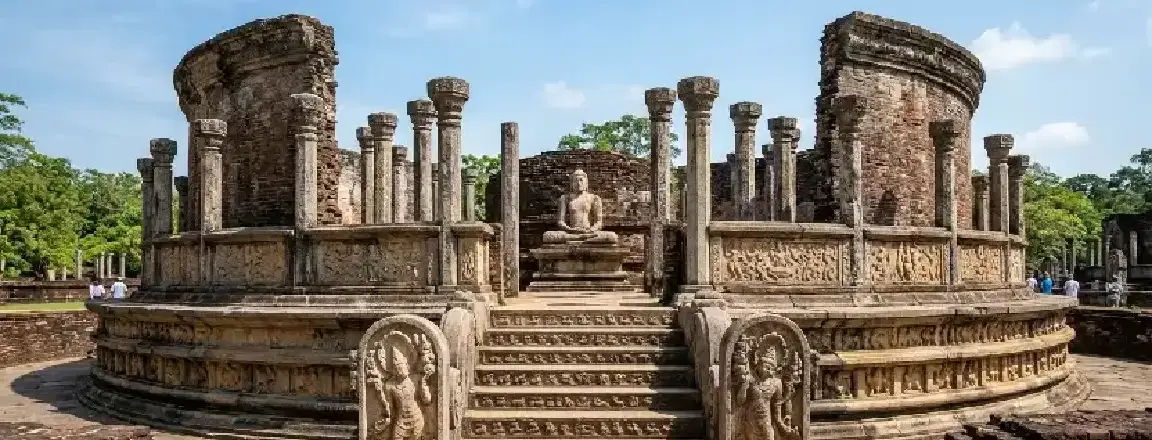
What looks like a field of ancient ruins was once the heart of a powerful Sri Lankan kingdom. Polonnaruwa was a royal capital where kings built grand palaces, enormous reservoirs, and temples that still stand centuries later. Today, travellers can walk through these ruins, cycle between historic sites, and see some of the island’s most remarkable stone carvings in a single visit. For travellers planning a Sri Lanka tour package, Polonnaruwa offers a chance to experience the country’s history beyond its beaches and scenic landscapes. This guide covers the best things to do, major attractions, the best time to visit, how to reach Polonnaruwa, where to stay, and what to eat. Read on to plan your visit and understand what makes this ancient city worth your time.
Key Takeaways
- Polonnaruwa is Sri Lanka's UNESCO World Heritage Site with some of the best-preserved ancient ruins.
- One day is enough for the main sights. Stay two days if you want a slower trip or plan to visit nearby Minneriya National Park.
- The archaeological site has an entry fee. Ticket options can include other Cultural Triangle sites, so check the latest price before your visit.
- Cycling is the easiest way to explore. The ruins are spread out, so a bicycle saves time and makes getting around more enjoyable.
- Polonnaruwa fits easily into a Cultural Triangle trip. Pair it with Sigiriya and Dambulla for a well-rounded Sri Lanka itinerary.
Best Time to Visit Polonnaruwa
The best time to visit Polonnaruwa is from May to September, when the weather is generally drier and better for exploring the ancient city. If you plan to cycle or walk around the ruins, early mornings and late afternoons are more comfortable.
| Season | Months | Weather | Best for |
| Dry Season | May to September | Mostly dry and warm | Cycling, ruins, sightseeing |
| Wet Season | October to January | More rain and cloudy spells | Fewer crowds, slower trips |
| Shoulder Months | February to April | Warm with some rain | Flexible itineraries, sightseeing |
Planning Your Polonnaruwa Visit Around the Weather
May to September is the easiest window for outdoor plans. Start your day early to avoid the heat, especially when cycling between the sites. October to January tends to bring more rain, but that does not mean you need to skip Polonnaruwa. Showers can come and go, and fewer visitors can make the ancient city feel quieter.
Tip: Visit early in the morning or after 4 PM for cooler weather, softer light, and a more comfortable walk or cycle around the ruins.
Best Places to Visit in Polonnaruwa
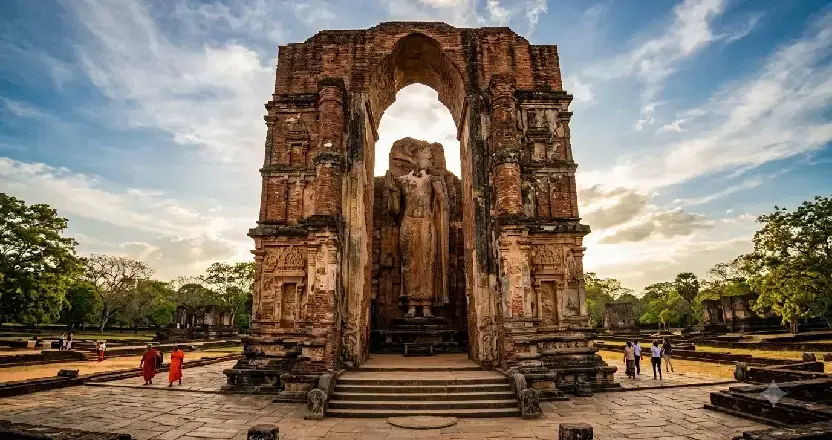
Polonnaruwa is packed with ancient landmarks, quiet ruins, and impressive religious sites. The ancient city is part of Sri Lanka's Cultural Triangle, making it an important stop for history lovers. If you are deciding what to see, these are some of the best places to visit in Polonnaruwa.
- Royal Palace: The remains of the Royal Palace give you a glimpse of Polonnaruwa's former royal centre. The massive walls and ruined chambers show how grand the complex once was.
- Gal Vihara: This famous rock temple features four large Buddha images carved from a single block of granite. The statues are known for their size, detail, and peaceful expressions.
- Sacred Quadrangle: One of the most important areas in the ancient city, the Sacred Quadrangle contains several well-preserved buildings in a compact space. Its detailed architecture makes it one of the highlights of Polonnaruwa.
- Rankot Vihara: This huge brick stupa is one of the largest monuments in the ancient city. Its simple shape and enormous size make it easy to spot from a distance.
- Lankatilaka Temple: Known for its tall brick walls and striking Buddha image, Lankatilaka is one of Polonnaruwa's most impressive religious monuments. The scale of the building stands out even among the city's many ruins.
- Vatadage: This circular monument is one of the most recognisable structures in Polonnaruwa. Its stone steps, moonstones, carved pillars, and surrounding Buddha figures show the fine craftsmanship of the period.
- Nissanka Latha Mandapaya: This unusual stone pavilion is surrounded by carved pillars shaped as lotus stems. Its design is different from many other structures in the ancient city, making it a fascinating stop for architecture lovers.
Things to Do in Polonnaruwa
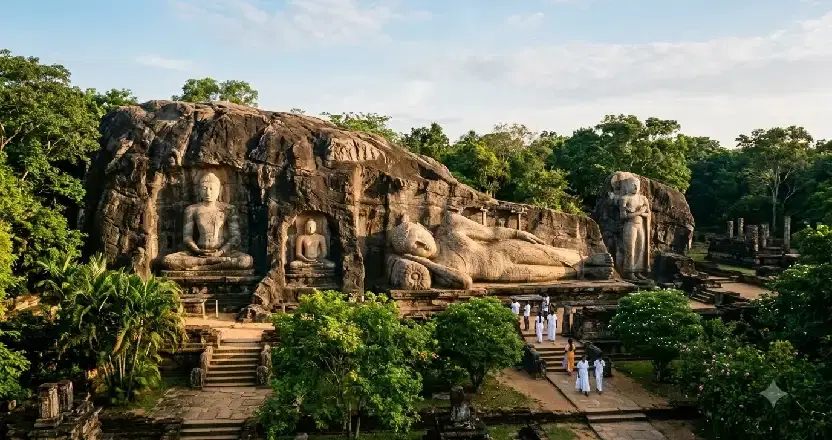
Polonnaruwa is not a place you need to rush through. Take your time, ride through the old city, look closely at its stonework, and enjoy the quieter side of the area. From cycling and wildlife safaris to learning about its royal past, here are the experiences worth adding to your trip:
- Cycle Around the Ancient City: Rent a bicycle and ride along the quiet paths between the ruins. It is an easy way to explore the large archaeological area without spending the whole day in a vehicle. Go early when the weather is cooler.
- Admire the Ancient Stone Carvings: Slow down and look at the fine details carved into the stone. The Buddha statues and other carvings show the skill of the craftsmen who worked here centuries ago. It is worth taking a few quiet minutes to appreciate the details.
- Step Into Sri Lanka’s Royal Past: Walk through the remains of the old royal area and picture what the city may have looked like when kings ruled here. A little background on the ancient kingdom can make the experience much more interesting.
- Explore the Museum Before the Ruins: Spend some time with the old artefacts, models, and displays at the museum. They explain the city's history in a simple way and help you understand the ruins you see later.
- Take a Break by the Reservoir: Sit by Parakrama Samudra, enjoy the open views, or take a slow walk along the water. It is a peaceful way to break up a day of sightseeing, especially when you want some time away from the crowds.
- Go on an Elephant Safari: Head to nearby Minneriya National Park for a jeep safari and look out for elephants, birds, and other wildlife. During the dry season, you may see large groups of elephants gathering near the water.
- Spend a Quiet Moment at a Sacred Site: Take time to observe the rituals, enjoy the calm surroundings, and learn about the area's Buddhist traditions. Dress modestly and follow local customs when entering religious spaces.
Polonnaruwa Entry Fees & Cultural Triangle Ticket
Polonnaruwa's archaeological site has a separate entry fee for foreign visitors. The current rates listed by Sri Lanka's Central Cultural Fund are:
| Ticket | Approx. Price (LKR) | Approx. Price (INR) |
| Foreign adult | LKR 9,990 | ₹3,000 |
| Foreign child (6–12 years) | LKR 6,660 | ₹2,000 |
NOTE: Children under 6 generally enter for free. The ticket is valid only on the date of issue. Prices can change, so check the latest rate before visiting.
Tip: Visiting several Cultural Triangle sites? Check the available combination tickets first. They may be more convenient than buying separate tickets.
How to Reach Polonnaruwa: Transport Guide
Getting to Polonnaruwa is fairly easy, whether you are coming from Colombo, Kandy, Sigiriya, or Dambulla. You can choose between trains, buses, taxis, and private cars based on your budget and time. Here’s what to know about Sri Lanka transport before you set off:
- By Air: The nearest international airport is Bandaranaike International Airport (CMB) in Colombo, about 230 km away. From the airport, you can continue your journey by taxi, train, or bus.
- By Train: Regular trains connect Colombo to Polonnaruwa via Gal Oya or other major railway stations, offering a comfortable and scenic journey.
- By Road: Polonnaruwa is easily accessible by car or taxi from Colombo, Kandy, Sigiriya, and Dambulla. The drive from Colombo takes approximately 5 to 6 hours.
- By Bus: Government and private buses operate regularly from Colombo, Kandy, Anuradhapura, Dambulla, and other major towns to Polonnaruwa.
Where to Stay in Polonnaruwa: Hotels for Every Budget
Where you stay in Polonnaruwa depends on your budget and how close you want to be to the ancient city. You’ll find everything from comfortable lakeside hotels to simple guesthouses and affordable resorts.
Luxury Hotels in Polonnaruwa
Ideal if you want more space, peaceful surroundings, and extra comfort:
- EKHO Lake House Polonnaruwa – A stylish lakeside stay with scenic views and modern facilities.
- The Deer Park Hotel – A peaceful resort surrounded by greenery, with a spa, pool, and dining options.
Price Range: LKR 30,000–80,000+ / ₹9,000–24,000+ per night (approx.)
Best for: Couples, families, luxury stays
Mid-Range Hotels in Polonnaruwa
Good choices if you want comfort without a luxury price tag:
- Giritale Hotel – A peaceful stay near Giritale Lake with lovely nature views.
- Ruins Chaaya Hotel – A well-located option for exploring the ancient city.
- Hotel Sudu Araliya – Comfortable rooms, a pool, and a relaxed setting.
Price Range: LKR 13,000–27,000 / ₹4,000–8,000 per night (approx.)
Best for: Couples, families, first-time visitors
Budget Hotels in Polonnaruwa
Simple stays for travellers who want to keep accommodation costs low:
- Living Inn Polonnaruwa – A simple guesthouse with good reviews and helpful service.
- Hotel Ancient Village – A cosy, family-run stay with a traditional feel.
- Manel Guest House – A basic and homely option for budget travellers.
Price Range: LKR 6,500–12,000 / ₹2,000–3,600 per night (approx.)
Best for: Solo travellers, backpackers, budget trips
Boutique & Homely Stays in Polonnaruwa
Choose these if you prefer a quieter setting and a more personal feel:
- Tishan Holiday Resort – A small and relaxed property with a welcoming atmosphere.
- Seyara Holiday Resort – A comfortable stay with a pool and a peaceful setting.
Price Range: LKR 10,000–18,000 / ₹3,000–5,400 per night (approx.)
Best for: Couples, solo travellers, longer stays
What to Eat in Polonnaruwa: Local Foods to Try
After a morning of exploring, a good local meal hits differently. Polonnaruwa has plenty of simple Sri Lankan favourites, from spicy curries to cooling king coconut. Here are a few worth trying:
- Rice and Curry – Dig into a plate of rice with dhal, vegetable curries, sambol, and your choice of meat or fish. It is a filling local lunch.
- Hoppers (Appa) – Try these crispy, bowl-shaped pancakes with a soft centre. Add an egg or pair them with coconut sambol and curry for extra flavour.
- String Hoppers – These soft rice noodles are usually served with dhal curry, coconut sambol, and a spicy side curry. They make a light but satisfying meal.
- Freshwater Fish Curry – Try locally caught fish cooked with spices and coconut. The rich curry goes especially well with steamed rice.
- Kottu Roti – Watch chopped roti, vegetables, eggs, meat, and spices come together on a hot griddle. It is filling, flavourful, and easy to find at casual eateries.
- King Coconut – Grab a chilled king coconut after a day outside. Its naturally sweet water is an easy way to cool down in the Sri Lankan heat.
Suggested 3-Day Polonnaruwa Itinerary for Visitors
Three days is enough to see Polonnaruwa without feeling rushed. Keep the mornings for sightseeing and leave the later hours for slower experiences and nearby attractions.
- Day 1: Step Into the Ancient Kingdom: Start early while the weather is cool. Walk through the old royal area and explore the main monuments at your own pace. Spend the afternoon at the Polonnaruwa Museum to understand the story behind the ruins.
- Day 2: See the City's Grand Monuments: Visit the Sacred Quadrangle, Gal Vihara, Rankot Vihara, and Lankatilaka Temple. Take time to notice the carvings, statues, and old brickwork. End the day with a quiet stop near Parakrama Samudra as the sun begins to set.
- Day 3: Meet Sri Lanka's Wildlife: Set aside the day for a safari at nearby Minneriya National Park. Look for elephants, birds, and other wildlife during the drive. Return to Polonnaruwa in the evening and enjoy a relaxed dinner before continuing your Sri Lanka journey.
Tips for Visiting Polonnaruwa
- Start early: Visit the ruins in the morning when the weather is cooler and sightseeing is more comfortable.
- Rent a bicycle: The archaeological area is large, so cycling is an easy way to get between the main sites.
- Dress modestly: Cover your shoulders and knees when visiting temples and other sacred places.
- Carry water and sun protection: Bring water, sunscreen, sunglasses, and a hat for the hot outdoor conditions.
- Wear comfortable shoes: Many paths are uneven, so comfortable footwear will make walking around the ruins easier.
Conclusion: Plan Your Polonnaruwa Trip
Polonnaruwa is where Sri Lanka’s royal past comes alive without feeling like a history lesson. You can cycle through ancient ruins, admire incredible stone carvings, relax beside the reservoir, and still have time for nearby wildlife experiences. A day is enough for the highlights, while two days let you explore at an easier pace. If you are planning your Cultural Triangle route, make Polonnaruwa one of your stops and experience a side of Sri Lanka that stays with you long after the trip ends.
Frequently Asked Questions
1. Is Polonnaruwa worth visiting?
Yes, Polonnaruwa is worth visiting if you enjoy history, ancient architecture, and quieter travel experiences. The well-preserved ruins, temples, and stone carvings make the ancient city a memorable stop.
2. What is Polonnaruwa famous for?
Polonnaruwa is famous for its ancient city, royal ruins, temples, stupas, and impressive Buddha statues. It was once a major royal capital and is now one of Sri Lanka’s important heritage sites.
3. What happened to Polonnaruwa?
Polonnaruwa lost its importance as a royal capital after political changes and invasions affected the kingdom. The capital eventually shifted, leaving the ancient city to become the historic ruins travellers see today.
4. How old is the Polonnaruwa ancient city?
The Polonnaruwa ancient city dates back more than 1,000 years, with many surviving monuments linked to its period as a medieval royal capital. Its ruins offer a glimpse into Sri Lanka’s rich past.
5. Why is Polonnaruwa important in Sri Lankan history?
Polonnaruwa is important because it was one of Sri Lanka’s medieval royal capitals and a centre of politics, religion, and culture. Its monuments also show the advanced architecture of that period.
6. Which is better, Anuradhapura or Polonnaruwa?
Anuradhapura is better for travellers interested in an older and more extensive sacred city, while Polonnaruwa suits those who prefer compact ruins and impressive medieval architecture. If possible, include both.
7. Can you visit Polonnaruwa in one day?
Yes, you can visit Polonnaruwa in one day if you focus on the main monuments. Start early and use a bicycle or local transport to cover the archaeological area comfortably.
8. Is Polonnaruwa suitable for a family trip?
Yes, Polonnaruwa can work well for families who enjoy outdoor sightseeing and history. Keep the pace relaxed, carry plenty of water, and avoid walking around the ruins during the hottest hours.
9. Is cycling a good way to explore Polonnaruwa?
Cycling is a convenient way to explore Polonnaruwa because the ancient city covers a large area. It lets you move between monuments easily while enjoying the quiet surroundings at your own pace.
10. What should you wear when visiting Polonnaruwa temples?
When visiting temples in Polonnaruwa, wear clothes that cover your shoulders and knees. Comfortable, breathable clothing and easy-to-remove footwear are useful when entering sacred areas.
11. How long should you stay in Polonnaruwa?
One day is enough for the main sights, but two days are better if you want a slower experience. An extra day also gives you time for nearby attractions and wildlife experiences.
12. Is Polonnaruwa part of Sri Lanka’s Cultural Triangle?
Yes, Polonnaruwa is one of the main destinations in Sri Lanka’s Cultural Triangle. It can be combined with Sigiriya, Dambulla, and other heritage attractions when planning a cultural itinerary.
13. Are there 5-star hotels in Polonnaruwa?
Yes, travellers can find upscale and luxury stays around Polonnaruwa, including properties near lakes and green surroundings. These are a good choice if you want more comfort after a day of sightseeing.
14. What is the best way to explore Polonnaruwa tourist places?
The best way to explore Polonnaruwa tourist places is to start early and group nearby monuments together. Cycling is especially useful because the main attractions are spread across the archaeological site.
15. What should you know before visiting Polonnaruwa?
Before visiting Polonnaruwa, check current entry fees, carry water and sun protection, wear comfortable shoes, and dress modestly for religious sites. Starting early also makes exploring the ruins much easier.