
The Ultimate Guide to the Best Time to Visit Sri Lanka

Dreaming of exploring Sri Lanka’s golden beaches, lush tea plantations, and wild elephant safaris? Understanding the best time to visit Sri Lanka depends entirely on where you go, as this tropical island experiences two distinct monsoon seasons. December to April in Sri Lanka offers idyllic weather for the southwest coast and cultural hill country, while May to September is perfect for exploring eastern gems like Trincomalee and Arugam Bay.
From monsoon patterns to climatic variations, understanding the seasonal nuances of Sri Lanka will help you plan your Sri Lanka tour packages. This seasonal guide breaks down what the best time to visit Sri Lanka is, its unique weather patterns, seasons to enjoy activities and regional destinations for an unforgettable getaway.
Best Time to Visit Sri Lanka at a Glance
Season | Months | Best For | Weather |
| Peak Season | December–April | West & south coast, hill country, sightseeing | Dry, sunny, and pleasant |
| Shoulder Season | May–June | East coast, north, fewer crowds | Warm with regional showers |
| Off-Peak Season | July–September | East coast beaches, surfing, wildlife | Warm and relatively dry in the east |
| Inter-Monsoon | October–November | Budget trips, fewer crowds | Rainy and unpredictable |
Best overall time: December to April for exploring Sri Lanka’s west and south coasts and hill country. For the east and north, May to September in Sri Lanka is generally more favourable.
Weather Patterns in Sri Lanka: Monsoons, Rainfall & Regional Climate
Sri Lanka has a warm tropical climate throughout the year, with coastal temperatures generally ranging from 25°C to 32°C (77°F–90°F). However, rainfall patterns vary significantly across the island due to two monsoon seasons. This means the best time to visit Sri Lanka depends largely on the regions you plan to explore.
- Yala Monsoon (Southwest Monsoon): From May to September, this monsoon brings heavy rain and rough seas to the west and south coasts, as well as the central highlands. Meanwhile, the northern and eastern regions generally experience sunnier and drier conditions.
- Maha Monsoon (Northeast Monsoon): From October to January, rainfall shifts towards the north and east coasts. At the same time, the southwest coast and southern beaches typically experience drier weather, making them more suitable for beach holidays in Sri Lanka.
- Inter-Monsoon Periods: March to April and October to November are transitional periods. Weather can be unpredictable, with short but intense thunderstorms. October and November can be particularly wet across several parts of the island.
How Does Sri Lanka's Climate Vary by Region and Altitude?
Sri Lanka's weather also changes noticeably with geography and altitude. While coastal areas remain warm and humid, temperatures become cooler as you travel inland and climb into the central highlands.
- Coastal Plains: Destinations such as Colombo, Galle, and Trincomalee generally experience temperatures of around 28°C to 32°C throughout the year. Coastal breezes can provide some relief from the heat, although humidity remains high.
- Central Highlands: Temperatures drop as elevation increases. Kandy is generally cooler, with temperatures around 20°C to 26°C, while Nuwara Eliya can range from 14°C to 20°C (57°F–68°F). Nights can be considerably colder, particularly during winter, so carrying a light jacket or warm layers is recommended.
Best Time To Visit Sri Lanka by Region
Month | West & South Coast (Colombo, Galle, Bentota) | East Coast (Trincomalee, Arugam Bay) | Hill Country (Kandy, Nuwara Eliya, Ella) |
| Jan | Dry, 26–31°C | Wet, tailing off | Cool, 16–24°C, mostly clear |
| Feb | Dry, 26–32°C | Drying out | Cool, clear |
| Mar | Dry, warming, 27–32°C | Dry | Mild, occasional showers |
| Apr | Short showers, 27–32°C | Short showers | Short showers, New Year crowds |
| May | Monsoon rain begins, 26–31°C | Dry season begins | Cool, misty |
| Jun | Sustained rain, 26–30°C | Dry | Cool, misty |
| Jul | Sustained rain | Dry, best safari/surf window | Cool, occasional rain |
| Aug | Rain continues | Dry, peak crowds | Cool, occasional rain |
| Sep | Rain easing on west coast | Dry | Cool |
| Oct | Heavy short showers island-wide | Wet returns | Heavy short showers |
| Nov | Improving, 26–31°C | Wet, monsoon builds | Improving |
| Dec | Dry, peak season, 26–32°C | Wet, monsoon peak | Cool, dry, 16–24°C |
Temperature ranges are approximate averages; actual conditions vary year to year.
Best Time to Visit Sri Lanka by Season
Sri Lanka is a year-round destination, but the ideal time to visit depends on which parts of the island you want to explore. With two distinct monsoon seasons affecting different regions, you can usually find good weather somewhere in Sri Lanka at any time of the year.
Peak Season: December to April
December to April is widely considered the best time to visit Sri Lanka, particularly for exploring the southwest coast and central highlands. These months bring plenty of sunshine, calmer seas, and pleasant conditions for sightseeing and beach holidays.
Coastal temperatures generally stay around 30°C, while the central highlands are much cooler, averaging 15°C–20°C. This period is also a popular time for whale watching in Mirissa, with good opportunities to spot blue whales and sperm whales.
Where to go: Explore the southwest coast, including Galle, Mirissa, Hikkaduwa, and Bentota. It is also an excellent time to visit the Cultural Triangle, including Sigiriya, Dambulla, and Anuradhapura, or explore the scenic highlands around Ella and Nuwara Eliya.
Travel tip: Book your accommodation and train tickets at least 3 months in advance, as during this period Sri Lanka experiences high crowds, fully booked boutique hotels, and peak pricing.
Shoulder Season: May to August
May to August offers a good alternative for travellers who want fewer crowds while exploring the northern and eastern parts of Sri Lanka. The southwest monsoon (Yala) arrives, bringing heavy rains and rough seas to popular Sri Lankan places like Colombo, Galle, and the hill country. However, the Northeast and Northern regions enter their glorious dry season, featuring hot, sunny days averaging 32°C.
Where to go: Head towards the east coast and explore destinations such as Trincomalee, Nilaveli, and Pasikuda, known for their beautiful beaches and relatively dry conditions during this period.
Best activities during this season:
- Surfing in Arugam Bay: June to August is among the best periods for surfing, when the east coast receives favourable waves.
- Wildlife experiences: July to September is a popular period for spotting large elephant gatherings around Minneriya National Park as animals gather around shrinking water sources.
Low Season: September to November
September to November is a transition period between Sri Lanka's two main monsoons. Weather can be unpredictable, with high humidity, sudden thunderstorms, and heavy showers in several parts of the island.
However, this period can be attractive for budget-conscious travellers, as lower tourist demand can mean better deals on hotels and tours. During this time the luxury resorts drop their prices by up to 50%, making it the cheapest time of the year to visit.
Where to go: Colombo is a good option on rainy days, with plenty of museums, shopping, restaurants, and indoor attractions. The southern coast can also start seeing improving weather towards late November.
Tips: Check local weather forecasts and plan outdoor activities around clearer periods.
Best Time to Visit Sri Lanka by Month
Sri Lanka is a year-round destination, but the best month to visit Sri Lanka depends on what you want from your holiday. The island has two monsoon seasons that affect different regions at different times, so you can usually find a good place to visit in any month. Whether you want to relax on tropical beaches, spot elephants on safari, explore ancient temples, hike through tea country, or chase the best surfing waves, choosing the right month can make your trip much more enjoyable.
January – Best for Beaches, Wildlife & Sightseeing
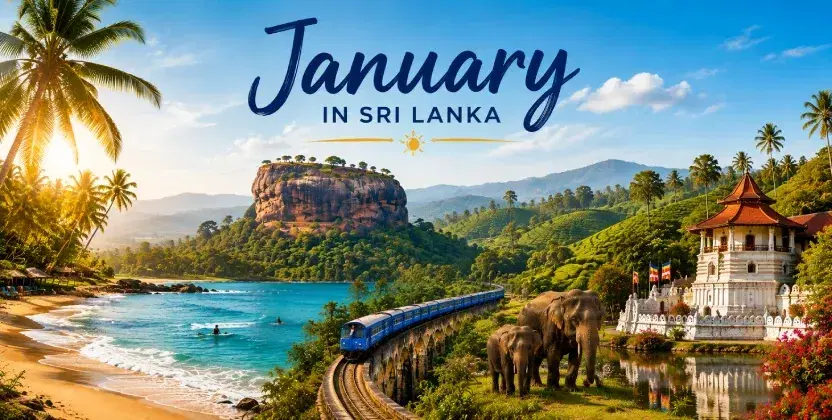
January is one of the most popular months to visit Sri Lanka, particularly for the south and west coasts. The weather is generally warm and dry, making January in Sri Lanka comfortable for outdoor sightseeing and beach activities. It is also a good time to explore the Cultural Triangle without dealing with intense heat or heavy rain.
Best activities: Relax at Mirissa or Bentota Beach, go whale watching, explore Galle Fort, visit Sigiriya, and enjoy wildlife experiences.
Best for: First-time visitors, beach holidays, couples, and sightseeing.
February – Best for an All-Round Sri Lanka Holiday
February is among the best months for a well-rounded Sri Lanka itinerary. The south and west coasts remain dry, while many inland attractions are comfortable to explore. With plenty of sunshine, you can combine beaches, cultural sites, wildlife, and scenic landscapes in one trip.
Best activities: Go on a Yala safari, climb Sigiriya Rock, explore Anuradhapura, visit Kandy, go whale watching in Mirissa, and relax on southern beaches.
Best for: First-time travellers, families, honeymooners, and multi-destination trips.
March – Best for Beach Holidays & Whale Watching
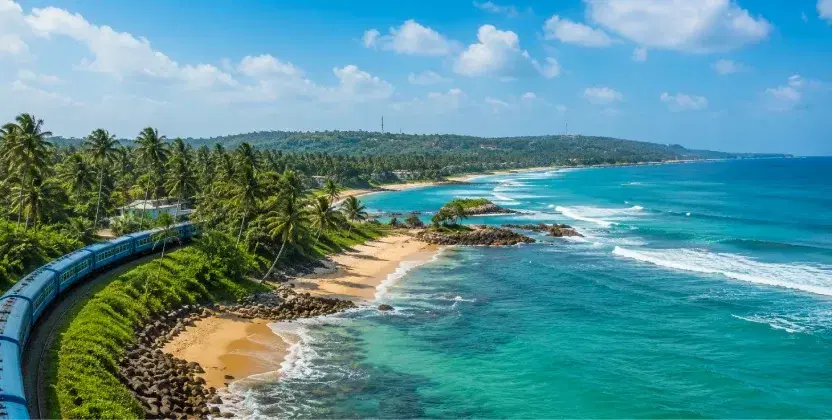
Sri Lanka in March experiences warm, mostly dry weather to the south and west, making it a great month for a coastal holiday. The sea is inviting, and conditions are generally favourable for exploring beaches and enjoying water-based activities. Inland destinations such as Kandy and the Cultural Triangle are also worth adding to your itinerary.
Best activities: Whale watching in Mirissa, surfing in Hikkaduwa, visiting Galle, exploring Sigiriya, and relaxing at Bentota Beach.
Best for: Beach lovers, couples, water sports enthusiasts, and relaxed holidays.
April – Best for Festivals & Cultural Experiences
April is an exciting month to experience Sri Lanka beyond its beaches. The Sinhala and Tamil New Year brings traditional celebrations, games, food, and cultural activities across the island. The weather can be hot during April in Sri Lanka, but this is a rewarding time for travellers who want to experience local culture.
Best activities: Experience New Year celebrations, explore temples and historical sites, hike in the hill country, visit Kandy, and enjoy beach stays.
Best for: Culture seekers, families, festival lovers, and travellers interested in local traditions.
May – Best for East Coast Surfing
May in Sri Lanka marks the beginning of the southwest monsoon, so the south and west can become wetter. However, this is when the East Coast starts becoming a better choice. Arugam Bay begins attracting surfers, while destinations such as Trincomalee offer sunny beach escapes.
Best activities: Surf at Arugam Bay, visit Trincomalee, relax at east-coast beaches, explore temples, and enjoy wildlife experiences.
Best for: Surfers, adventure seekers, and travellers exploring beyond the popular south coast.
June – Best for Surfing & East Coast Beaches
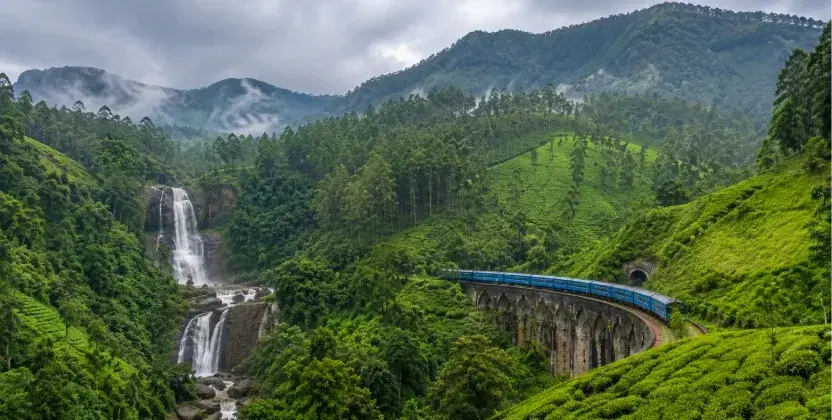
Sri Lanka in June is a good month to head east if you want sunshine, beaches, and outdoor adventures. Arugam Bay is well into its surfing season, while Nilaveli and other east-coast beaches offer opportunities to swim, relax, and enjoy the tropical scenery.
Best activities: Surf at Arugam Bay, relax at Nilaveli Beach, explore Jaffna, visit Trincomalee, and enjoy wildlife safaris.
Best for: Surfers, beach lovers, backpackers, and adventure travellers.
July – Best for Surfing, Wildlife & Culture
Sri Lanka in July offers a great mix of experiences. The East Coast is ideal for surfing, while the Cultural Triangle is perfect for exploring ancient sites and historic landmarks. Wildlife lovers can visit Minneriya, where large elephant gatherings are a seasonal highlight.
Best activities: Surf at Arugam Bay, visit Sigiriya, explore Polonnaruwa, go on a Minneriya safari, and discover Kandy.
Best for: Adventure travellers, wildlife lovers, history enthusiasts, and photographers.
August – Best for East Coast Beaches & Wildlife
Sri Lanka in August is a great time to explore the island’s east coast. Arugam Bay is at the heart of the surfing season, while Trincomalee offers beautiful beaches and clear waters. It is also a good month to combine beach activities with wildlife experiences and cultural sightseeing.
Best activities: Surf at Arugam Bay, relax at Nilaveli Beach, visit Kandy, explore Sigiriya, and go on an elephant safari.
Best for: Surfers, families, wildlife lovers, and adventure seekers.
September – Best for a Quieter Sri Lanka Trip
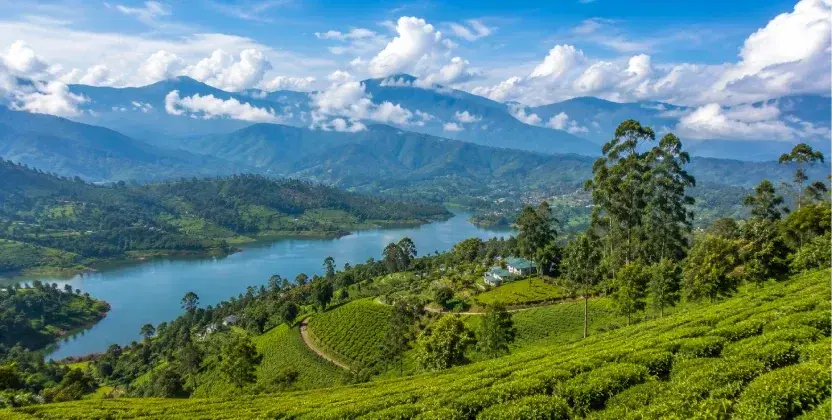
Sri Lanka in September is ideal for travellers looking for fewer crowds and a relaxed holiday. The East Coast can still offer good beach and surfing conditions, while inland attractions remain worth exploring. It is a useful month to combine popular sights with a slower pace.
Best activities: Surf at Arugam Bay, visit Sigiriya, explore Kandy, enjoy wildlife safaris, and discover cultural attractions.
Best for: Budget-conscious travellers, backpackers, photographers, and slow travellers.
October – Best for Flexible Itineraries
October is a transition month between monsoon seasons. Thus, Sri Lanka in October can have less predictable weather. Rainfall can occur in several parts of the country, but showers are often mixed with sunny periods. The advantage is that popular attractions may be less crowded.
Best activities: Explore cultural sites, take scenic train journeys, visit tea plantations, sample Sri Lankan cuisine, and enjoy flexible sightseeing.
Best for: Flexible travellers, budget trips, and those who don't mind occasional rain.
November – Best for South & West Coast Travel
Sri Lanka in November generally sees improving conditions along the south and west coasts. This makes it a good time to visit destinations such as Mirissa, Galle, and Hikkaduwa. Travellers can enjoy beaches while avoiding some of the peak-season crowds.
Best activities: Visit Galle Fort, relax in Mirissa, go whale watching, surf in Hikkaduwa, and explore Colombo.
Best for: Beach lovers, couples, and travellers seeking a balance between good weather and fewer crowds.
December – Best for Peak-Season Beach Holidays
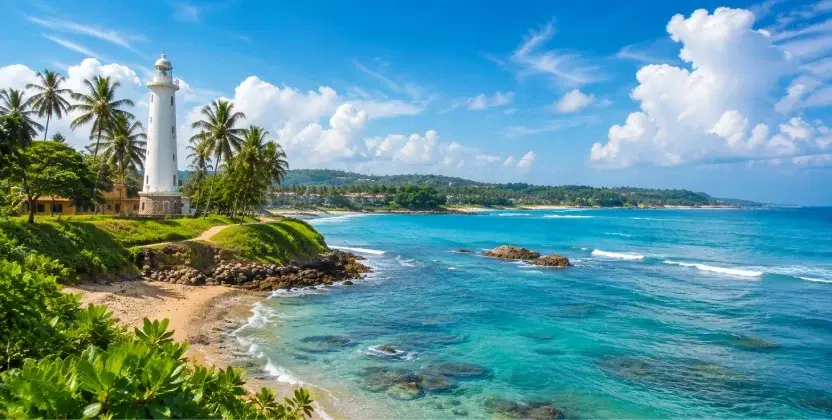
December in Sri Lanka is the beginning of the popular travel season along the south and west coasts. Sunny weather makes it ideal for beach holidays, sightseeing, and outdoor experiences. The festive atmosphere around Christmas and New Year also adds to the appeal.
Best activities: Relax at Mirissa Beach, go whale watching, explore Galle Fort, visit Colombo, and enjoy Christmas and New Year celebrations.
Best for: Families, couples, honeymooners, and festive holiday trips.
What Are the Cheapest Months to Visit Sri Lanka?
The cheapest months to visit Sri Lanka are generally May to September, when lower tourist demand can lead to more affordable flights and accommodation, particularly in areas affected by the southwest monsoon.
October and November can also offer good deals because of unpredictable weather and fewer visitors. Travelling during these months can help reduce costs if you are flexible with your itinerary and willing to adjust plans around the weather.
For the best value, compare flight and hotel prices across different dates and choose destinations experiencing their dry season.
What to Pack for Sri Lanka by Season
Packing for Sri Lanka depends on the region and season. Lightweight, breathable clothing works well throughout the year, while a few weather-specific essentials can make the trip more comfortable.
December to April
Best for the West, South, and Hill Country.
- Lightweight cotton clothes and comfortable trousers
- Swimwear and beachwear
- Sunglasses, sunscreen, and a hat
- Light jacket or shawl for cooler hill-country evenings
- Comfortable walking shoes
- Small umbrella for occasional showers
May to September
Best for the east and north.
- Breathable cotton clothes
- Swimwear and quick-dry clothing
- Sunscreen, sunglasses, and a hat
- Comfortable sandals or walking shoes
- Light rain jacket or poncho
- Insect repellent, especially for wildlife and outdoor activities
October to November
These months can bring rain across different parts of Sri Lanka.
- Quick-dry clothes
- Lightweight rain jacket or poncho
- Compact umbrella
- Waterproof bag or phone pouch
- Comfortable, water-resistant footwear
- Extra socks and a light layer for cooler evenings
Tip: Carry modest clothing that covers the shoulders and knees when visiting temples and religious sites, regardless of the season.
Conclusion
Knowing the best time to visit Sri Lanka can help you make the most of everything this beautiful island has to offer, from pristine beaches and misty hill stations to ancient temples and thrilling wildlife experiences. Since the weather varies across different regions, planning your itinerary according to the season ensures a more enjoyable and memorable holiday. Whether you're travelling for adventure, culture, relaxation, or a honeymoon, choosing the right time makes all the difference.
Frequently Asked Questions
Which months are best to visit Sri Lanka?
The best months to visit Sri Lanka depend on the region you plan to explore. December to April is ideal for the south and west coasts as well as the hill country, while May to September is the best time to visit the east coast, including Trincomalee, Arugam Bay, and Pasikuda.
Is 7 days long enough in Sri Lanka?
Yes, 7 days is enough to explore many of Sri Lanka's highlights. A week-long itinerary can include Colombo, Kandy, Nuwara Eliya, Ella, Yala National Park, and the southern beaches, offering a good mix of culture, nature, and relaxation.
What is the rainy season in Sri Lanka?
Sri Lanka experiences two monsoon seasons. The southwest monsoon typically occurs from May to September, affecting the south and west coasts and the hill country, while the northeast monsoon runs from October to January, bringing rain to the north and east.
Which months are the cheapest time to visit Sri Lanka?
May, June, October, and November are generally the most affordable months to visit Sri Lanka. These shoulder and monsoon seasons often feature lower hotel rates, discounted tour packages, and fewer crowds.
What is the best time to visit Sri Lanka with family?
December to April is the best time for a family holiday, especially if you plan to visit Colombo, Kandy, Galle, Bentota, or the southern beaches. The pleasant weather makes sightseeing, beach activities, and wildlife experiences more enjoyable.
What is the worst time to visit Sri Lanka?
There is no single worst time to visit Sri Lanka because different regions experience different weather patterns. However, travelling during peak monsoon months in the region you plan to visit may result in heavy rainfall and rough sea conditions.
What is the best time to visit Sri Lanka for whale watching?
The best time for whale watching in Mirissa is from November to April, while Trincomalee offers excellent whale-watching opportunities between May and September. During these months, the seas are calmer, improving the chances of spotting blue whales, sperm whales, and dolphins.
Is November a good time to visit Sri Lanka?
Yes, November is a good time to visit Sri Lanka, particularly the south and west coasts as the weather begins to improve after the monsoon. It is also one of the best months for whale watching in Mirissa.
What is the best time to visit Sri Lanka beaches?
For beaches along the south and west coasts, such as Bentota, Mirissa, and Unawatuna, the best time is from December to April. For east coast beaches like Arugam Bay, Nilaveli, and Pasikuda, the ideal time is from May to September.
What is the best time to visit Sri Lanka for a honeymoon?
December to April is considered the best time for a honeymoon in Sri Lanka. Couples can enjoy sunny beaches, scenic train journeys, luxury resorts, romantic hill stations, and outdoor activities in pleasant weather.
What is the best time to visit Sri Lanka for wildlife safaris?
The dry season is the best time for wildlife safaris, as animals gather around water sources and are easier to spot. February to July is ideal for Yala National Park, while May to September is a great time to visit Minneriya National Park to witness the famous Elephant Gathering.