
- Home
- Attractions
- Dubai
- Dubai Pearl Museum Guide: Discover Dubai’s Hidden Maritime Heritage Gem
Dubai Pearl Museum Guide: Discover Dubai’s Hidden Maritime Heritage Gem
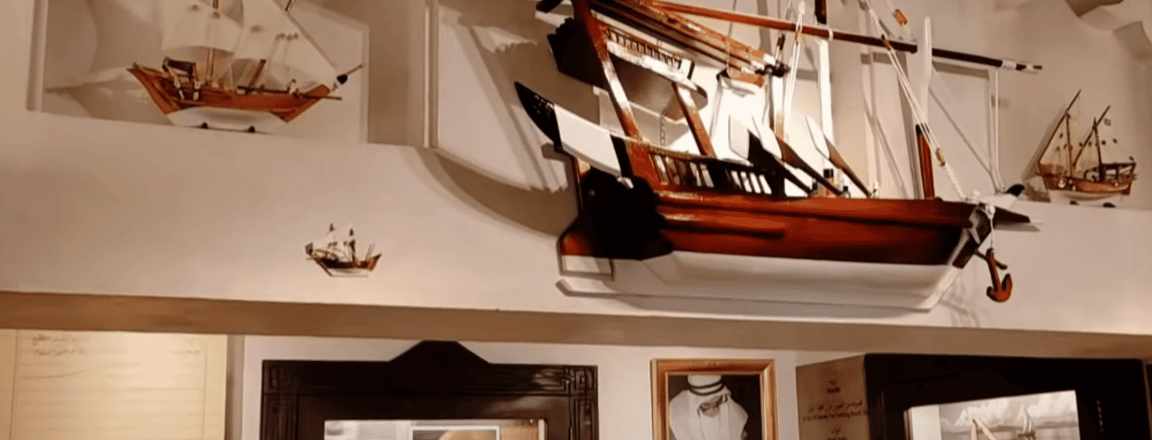
One of the most exclusive cultural treasures in the city is the Dubai Pearl Museum, a serene space that beautifully narrates the Emirati heritage of pearl diving. It is a museum in the Etisalat Tower in Deira that provides in-depth insight into the origins of Dubai's maritime traditions and ethnic development.
The Dubai Pearl Museum is one of the rare and fascinating places for travellers who wish to explore Dubai’s historical and educational side beyond its modern skyscrapers and luxury malls. It emphasises the influence of pearl diving on the life, trade, and traditions of the Emirati: the equipment and methods involved in diving, as well as jewels that have the most beautiful colours of nature.
What Is the Dubai Pearl Museum?
Dubai Museum houses the private pearl collection of Sultan bin Ali Al Owais, who donated his collection. It was not “crafted in memory” but established to preserve his collection. The Etisalat museum, owned by Etisalat, one of the major telecommunication firms in the UAE, is managed on the 15th floor of the Etisalat tower.
The collection also comprises ancient pearl diving equipment, weighing devices, and splendid jewellery, which gives an account of how the pearling industry that used to take place in the Gulf used to link Dubai to the Indian, Persian, and other markets. This museum is also a historical repository as well as a monument to the efforts and courage of pearl divers who used to risk their lives bringing back these sea treasures.
Top Highlights of the Dubai Pearl Museum
- Extensive Pearl Collection: Thousands of natural Arabian Gulf pearls — from rare large specimens to delicate, lustrous gems.
- Historical Artefacts: Diving tools, nose clips, baskets, and ropes used by traditional pearl divers.
- Cultural Insight: Learn about the lives of divers, captains, and merchants in pre-oil Dubai.
- Exclusive Access: Located inside Etisalat Tower, the museum can be visited by prior appointment only.
- Stunning Views: Panoramic cityscapes of Deira and the Dubai Creek from the 15th floor.
Read more: Dubai Travel guide
Dubai Pearl Museum Timings, Location & Contact Details
Location: Next to Dubai Chamber, Dubai - 10 Baniyas Rd - Opposite Dubai Creek Tower - Port Saeed - Riggat Al Buteen - Dubai - United Arab Emirates
Timings:
- Sunday to Thursday: 10:00 AM – 4:00 PM
- Closed: Fridays, Saturdays, and public holidays
Entry: Free entry by prior appointment. However, guided tours are cost AED 20-30 (₹494 - ₹745).
Suggested Duration: 1–2 hours
Dubai Pearl Museum Ticket Price 2026: Is It Free to Visit?
Category | Price (AED) | Price (₹) | Details |
| Adults | Free (Appointment Required) | Free | Admission by prior booking |
| Guided Group Tours | AED 20–30 | ₹460–₹745 | Organised by cultural groups or schools |
Note: Entry is free, but advance permission must be obtained from Etisalat. Guided tours are sometimes arranged for educational or cultural visits.
Nearby Attractions to Visit After the Dubai Pearl Museum
- Dubai Creek: The historic waterway that fueled Dubai’s pearl trade.
- Gold Souk: Traditional gold market with hundreds of shops.
- Al Fahidi Historical District: Cultural quarter with museums and restored heritage houses.
- Dubai Museum (Al Fahidi Fort): Learn about Dubai’s transformation from a fishing village to a global city.
- Spice Souk: A sensory experience of herbs and spices used in local cuisine.
Travel Tip: Combine your visit with a Dubai Creek dhow cruise or a stop at Heritage Village for a full historical day.
What You’ll See Inside the Dubai Pearl Museum
1. The Pearl Exhibition: Marvel at the natural Arabian Gulf pearls in various shapes and subtle hues, ranging from ivory white to soft rose pink. These pearls used to drive the economy and international trade of Dubai.
2. Traditional Diving Equipment: Authentic tools such as wooden baskets, weights, nose clips, and finger protectors reveal the hardships pearl divers endured.
3. Educational Displays: Get to know the life cycle of an oyster, the science behind the formation of a pearl, and how each gem is appreciated in terms of lustre and symmetry.
4. Tribute to Pearl Merchants: A special area pays homage to merchants who linked Dubai to the world markets of pearls, especially in Bombay, Basra, and Bahrain.
Best Time to Visit the Dubai Pearl Museum
- Best Months: November to April (pleasant weather and ideal for sightseeing in Deira).
- Best Time of Day: Morning to early afternoon when the museum is less crowded.
- Booking Tip: Call or email Etisalat at least a few days in advance for permission to visit.
How to Reach the Dubai Pearl Museum: Metro, Car & Taxi Guide
From Downtown Dubai:
- By Car: 20 minutes via Sheikh Zayed Road (12 km).
- By Metro: Take the Red Line to Union Station; Etisalat Tower is a short walk away.
- By Taxi: AED 30–40 (₹690–₹920 approx.) one way.
From Dubai International Airport:
- 10-minute drive by taxi (AED 25 / ₹575 approx.).
Visitor Tips for the Dubai Pearl Museum
- Entry is strictly by appointment; walk-ins are not allowed.
- Carry a valid photo ID for verification at the Etisalat Tower entrance.
- Photography may be restricted in some areas — check with staff beforehand.
- Wear modest, respectful attire.
- Combine the visit with Dubai Creek or Gold Souk for a full-day cultural experience.
Read more: Top things to do in Dubai
Why You Should Visit the Dubai Pearl Museum
- Explore one of Dubai’s most authentic and lesser-known museums.
- Discover the Emirati pearl diving heritage that shaped Dubai’s early economy.
- View rare natural pearls from the Arabian Gulf — a priceless collection.
- Experience educational and cultural enrichment in a serene, exclusive setting.
Conclusion: A Must-Visit Cultural Treasure in Deira
The Dubai Pearl Museum is more of an exception than a rule; silent, beautiful, and very educational. It provides the tourists with a priceless look into the past of Dubai prior to the times of oil and skyscrapers, praising the daring of the pearl divers and the skill of the craftsmen who transformed the sea treasures into luxury jewels. The Dubai Pearl Museum is a contender that has harmonised tradition and modernity very well, making it an indispensable stop in the Deira district of Dubai. While planning your next trip, book Dubai adventure tour packages with Pickyourtrail for a hassle-free holiday.
FAQs: Dubai Pearl Museum
1. What is the Dubai Pearl Museum?
Dubai Pearls Museum is devoted to the history of pearl diving in the UAE, and it contains one of the largest collections of pearls of the Arabian Gulf.
2. What is the location of the Dubai Pearl Museum?
It is situated on the 15th floor of the Etisalat tower, Al Maktoum Road, Deira, Dubai.
3. Does Dubai Pearl Museum have an entrance fee?
It is free to join, but by prior arrangement with Etisalat.
4. What are the working hours of the Dubai Pearl Museum?
Open on Sundays through Thursday between 10.00 AM and 4.00 PM and closed on Fridays and Saturdays.
5. What about visiting the Dubai Pearl Museum?
Physical Etisalat: Visit Etisalat in person or through email before the visit.
6. What will the visitor find in the museum?
They are exhibited in the museum as natural pearls, traditional diving equipment, jewelry, and other informative exhibits on the pearling history of the Gulf.
7. Can one take pictures in the Dubai Pearl Museum?
Photography is permitted in special places — permission is required before taking photos.