
10 Best Historical Places in Europe: Ancient Sites, Civilisations & Travel Guide
Europe is not just about seamless travel; it’s a gateway to some of the most historically significant places in the world. From the rise of the Roman Empire to medieval kingdoms and World War II, these destinations offer a deep, chronological journey through human civilisation. If you’re searching for the best historical places in Europe, this blog focuses on authentic, historically rich sites, not modern landmarks. It covers their historical importance, what makes them unique, and how to experience them meaningfully.Whether you’re planning a multi-country itinerary or exploring through Europe tour packages, these destinations help you travel through history, not just geography.
How to Experience Historical Places in Europe Meaningfully
Exploring historical places in Europe is not just about ticking landmarks off a list; it’s about understanding the layers of civilisation behind them.
- Use guided tours or audio guides: They bring ruins to life with context you won’t get otherwise
- Visit early mornings or late evenings: Fewer crowds = more immersive experience
- Combine sites by era: For example, Ancient Rome (Colosseum + Forum + Pantheon)
- Read the history before visiting: Even basic knowledge transforms your experience
- Respect sensitive sites: Especially places like Auschwitz, which are memorials, not attractions
Quick Overview: Historical Places in Schengen Europe
| Place | Country | Era | Significance |
| Colosseum | Italy | Ancient Rome | Gladiator arena |
| Roman Forum | Italy | Ancient Rome | Political centre |
| Pantheon | Italy | Ancient Rome | Engineering marvel |
| Acropolis of Athens | Greece | Ancient Greece | Birthplace of democracy |
| Alhambra | Spain | Medieval | Moorish architecture |
| Auschwitz-Birkenau | Poland | WWII | Holocaust memorial |
| Bran Castle | Romania | Medieval | Transylvanian history |
| Carcassonne | France | Medieval | Fortified city |
| Meteora | Greece | Medieval | Cliffside monasteries |
| St. Peter’s Basilica | Vatican City | Renaissance | Religious & architectural landmark |
Europe Tour Package @ 48,268
Art Galleries. Marvellous Bridges. Delectable Cuisine. Customizable Itineraries
View Europe Packages
Top 10 Historical Places in Europe
1. The Colosseum, Italy

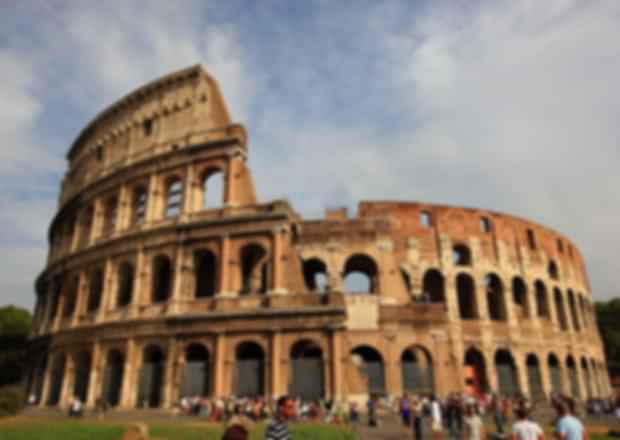
Colosseum, Italy, Most Interesting Historical Places to Visit in Europe
- Built: 80 AD
- Historical Era: Roman Empire
The Colosseum is one of the most recognisable and historically significant structures in Europe. Built under Emperor Vespasian and completed by Titus, it served as a massive amphitheatre where gladiator battles, public spectacles, and imperial events were held.
What makes the Colosseum extraordinary is not just its scale, but what it reveals about Roman society, its entertainment culture, class divisions, and engineering brilliance. The structure could accommodate over 50,000 spectators and featured complex underground chambers used to stage elaborate performances. A visit to this architectural marvel is always included in any Italy tour package!
Why it matters: It represents the political power and architectural mastery of ancient Rome, influencing stadium design for centuries.
2. Roman Forum, Italy
The Roman Forum was the epicentre of public life in ancient Rome, and a must-visit place in Italy. It was here that political debates, elections, religious ceremonies, and major decisions shaping the empire took place. Walking through the ruins today, you’ll encounter temples, basilicas, and government buildings that once formed the backbone of Roman governance. It offers a raw and immersive look into how one of the world’s greatest civilisations functioned.
Why it matters: It laid the foundation for modern political systems and urban planning.
3. Acropolis of Athens, Greece

Acropolis of Athens, Most Interesting Historical Places to Visit in Europe
- Built: 5th century BC
- Historical Era: Ancient Greece
The Acropolis is one of the most important historical landmarks in Europe, symbolising the intellectual and cultural achievements of ancient Greece. Dominated by the Parthenon, this hilltop complex reflects the ideals of democracy, philosophy, and artistic excellence. It was not just a religious centre but also a symbol of Athenian power and identity during its golden age.
Why it matters: It shaped the foundations of Western civilisation, including governance, philosophy, and architecture.
4. Pantheon, Italy

Pantheon, Rome
- Built: 126 AD
- Historical Era: Roman Empire
The Pantheon stands as the best-preserved monument from ancient Rome and continues to function as a church today, as a top European attraction. Its massive dome, featuring a central oculus, remains the largest unreinforced concrete dome in the world. Originally built as a temple dedicated to all Roman gods, the Pantheon reflects the sophistication of Roman engineering and religious life. Its design has influenced countless buildings globally, from churches to government structures.
Why it matters: It represents a perfect blend of engineering innovation and cultural continuity.
5. Alhambra, Spain
- Built: 13th century
- Historical Era: Medieval (Moorish Spain)
The Alhambra is one of the finest examples of Islamic architecture in Europe. Built by the Nasrid dynasty, it served as a royal palace and fortress complex overlooking Granada. Its intricate carvings, geometric patterns, and beautifully designed courtyards reflect the artistic sophistication of the Islamic Golden Age. The site also represents a crucial period when different cultures coexisted in Spain.
Why it matters: It highlights the cultural and architectural influence of Islamic civilisation in Europe.
6. Auschwitz-Birkenau, Poland
- Established: 1940
- Historical Era: World War II
Auschwitz-Birkenau is one of the most significant historical places in Europe, preserving the memory of the Holocaust. It stands as a solemn reminder of the atrocities committed during World War II. The preserved barracks, railway tracks, and exhibits provide powerful insight into one of the darkest periods in human history. One must not miss out on visiting this historical site on their visit to Poland.
Why it matters: It serves as a global symbol of remembrance, education, and the importance of human rights.
7. Bran Castle, Romania
- Built: 14th century
- Historical Era: Medieval
Located in the Carpathian Mountains, Bran Castle is often associated with Dracula folklore but is deeply rooted in real medieval history. It functioned as a defensive fortress and royal residence.
Why it matters: It reflects medieval European defence systems and regional culture.
8. Meteora, Greece

Meteora, Most Interesting Historical Places to Visit in Europe
- Built: 14th century
- Historical Era: Medieval (Byzantine Monastic Period)
The monasteries of Meteora are unlike anything else in Europe. Perched dramatically atop towering sandstone pillars, these monasteries were built by monks seeking isolation, spiritual elevation, and protection from invasions. Originally, access was only possible using ropes, ladders, and baskets, highlighting the extreme dedication of the monks who lived here. Today, only a handful of monasteries remain active, but the site continues to function as a place of worship and reflection.
What makes Meteora extraordinary is not just its architecture, but its setting, where nature and spirituality merge seamlessly. The silence, the scale, and the surreal landscape create an experience that feels almost otherworldly.
Why it matters: It represents the fusion of faith, resilience, and architectural ingenuity in one of the most dramatic natural landscapes in Europe.
9. Carcassonne, France
- Origin: Roman, rebuilt medieval
- Historical Era: Medieval
Carcassonne is a fortified city that offers a complete view of medieval urban planning. Its double walls, watchtowers, and castle remain remarkably intact.
Why it matters: It is one of the most complete examples of a medieval fortress in Europe.
10. St. Peter’s Basilica, Vatican City

St. Peter's Basilica, Vatican City
- Built: 1506–1626
- Historical Era: Renaissance
Located in the heart of Vatican City, St. Peter’s Basilica is one of the most important religious and architectural landmarks in the world. Built over what is believed to be the tomb of Saint Peter, the basilica stands as a symbol of the Catholic Church’s global influence. Designed by Renaissance masters including Michelangelo and Gian Lorenzo Bernini, it represents the peak of artistic and architectural achievement during the Renaissance.
Inside, you’ll find:
- The iconic dome designed by Michelangelo
- Bernini’s grand Baldachin over the papal altar
- Intricate mosaics, sculptures, and chapels
Why it matters: It symbolises the power of religion, art, and architecture in shaping European history and continues to be a centre of global faith.
Best Historical Places in Europe by Era
Ancient Civilisations
- Colosseum, Roman Forum, Pantheon (Italy)
- Acropolis of Athens (Greece)
Best for: Roman & Greek history lovers
Medieval Europe
- Alhambra (Spain)
- Bran Castle (Romania)
- Carcassonne (France)
Best for: Castles, fortresses, and royal history
Modern History (WWII & Beyond)
- Auschwitz-Birkenau (Poland)
Best for: Understanding global conflicts and political evolution
Cost of Visiting Historical Places in Europe
- Entry tickets: ₹1,000 – ₹3,500 per site
- Guided tours: ₹3,000 – ₹8,000
- Multi-attraction passes: ₹6,000 – ₹15,000
Tip: City passes in places like Rome and Paris can save both time and money.
Conclusion
Exploring the best historical places in Europe is more than just visiting landmarks; it’s about stepping into the stories that shaped the modern world. From the grandeur of the Colosseum to the spiritual depth of Meteora and the artistic brilliance of St. Peter’s Basilica, each destination offers a unique perspective on civilisation, culture, and human evolution.
If you’re planning your trip, the key is to go beyond sightseeing and experience these places with context, curiosity, and intention. Explore customised Europe trip packages that combine these historical destinations into a seamless itinerary, so you can focus on experiencing history, not managing logistics.
Frequently Asked Questions (FAQs)
1. Which are the best historical places in Europe to visit?
Some of the best historical places in Europe include the Colosseum, the Acropolis of Athens, the Alhambra, and Auschwitz-Birkenau. These sites represent different eras of civilisation from ancient to modern history.
2. How many days are enough to explore historical places in Europe?
A well-planned 10–14-day itinerary is ideal to cover major historical destinations across multiple countries like Italy, Greece, France, and Spain.
3. Which country in Europe has the most historical landmarks?
Italy and Greece have the highest concentration of historical landmarks, especially from ancient Roman and Greek civilisations.
4. Are these historical places covered under a Schengen visa?
Yes, most of these destinations fall under the Schengen region, allowing you to travel across multiple countries with a single visa.
5. What is the best time to visit historical places in Europe?
The best time is during spring (April–June) and autumn (September–October), when the weather is pleasant and crowds are relatively lower.
6. Are guided tours worth it for historical sites in Europe?
Yes, guided tours or audio guides significantly enhance your experience by providing historical context, stories, and insights that you might miss otherwise.
7. What is the cost of visiting historical places in Europe?
On average, entry tickets range from ₹1,000 to ₹3,500 per site, while guided tours can cost between ₹3,000 and ₹8,000 depending on the experience.
Look at our Europe tour packages from various departure cities:
Europe Trip Packages from Bengaluru | Europe Trip Packages from Ahmedabad | Europe Trip Packages from Mumbai | Europe Trip Packages from Chennai | Europe Trip Packages from Hyderabad | Europe Trip Packages from Pune | Europe Trip Packages from Delhi

Recommended articles for you












Discover Packages


















Europe City Packages
Packages By Departure City
Packages By Theme
Packages By Duration
Europe Combo Packages
Europe Nearby Destinations

Need help in planning?
Talk to our Travel Experts