
Snow in Europe: A Complete Guide to Experiencing Snowfall in Europe
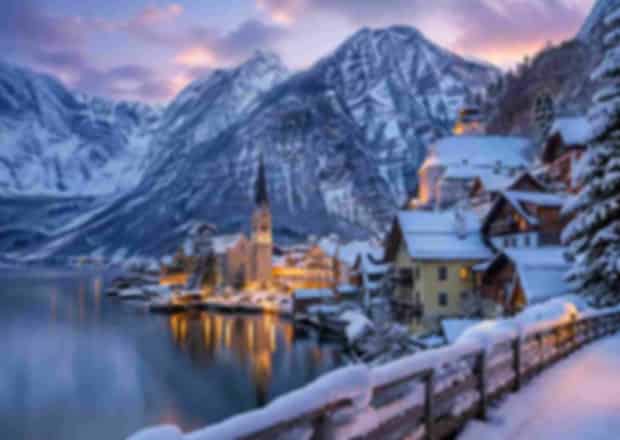
Snow in Europe isn’t just about cold weather; it’s about experiencing the continent in its most magical and atmospheric form. From snow-covered alpine villages and frozen lakes to festive Christmas markets and thrilling winter adventures, snowfall in Europe transforms even the most familiar destinations into something extraordinary.
For travellers from India, witnessing snow often sits high on the bucket list. However, planning it right requires more than just picking a destination. You need to understand when it snows, where snowfall is reliable, and how to structure your itinerary so that you actually experience snow instead of just cold weather. If you want to truly experience snowfall in Europe without the hassle of planning everything from scratch, booking well-curated Europe tour packages is one of the smartest ways to ensure a smooth, well-planned winter trip.
When Does It Snow in Europe?
One of the biggest misconceptions travellers have is assuming that it snows everywhere in Europe throughout winter. In reality, snowfall patterns vary significantly across regions.
Generally, snowfall in Europe begins in late November, becomes more consistent in December, and reaches its peak between January and early February. However, geography plays a major role:
- Northern Europe (Finland, Norway): Expect heavy, reliable snow from November to March. Ideal for guaranteed snowfall experiences.
- Central Europe (Switzerland, Austria): Classic winter landscapes with consistent snow from December to February.
- Eastern Europe (Czech Republic, Hungary): Snowfall is lighter and less predictable, but still beautiful during festive periods.
If your priority is to experience thick snow and winter activities, plan your trip between mid-December and early February. For a deeper understanding of seasonal travel, you can explore guides like the Europe in December travel guide that break down weather, crowds, and costs.
Best Places to Experience Snowfall in Europe (Overview)
| Destination | Best Months | Snow Experience | Ideal For |
| Finland (Lapland) | Dec – Mar | Heavy, guaranteed snow | Unique experiences |
| Switzerland | Dec – Feb | Scenic alpine snow | Honeymoon |
| Austria | Dec – Feb | Snow + culture | First-time travellers |
| Norway | Nov – Mar | Arctic snow + Northern Lights | Adventure |
| Prague | Dec – Jan | Light snow | Budget travel |
| French Alps | Dec – Feb | Ski-heavy snow | Adventure sports |
Best Destinations to Experience Snow in Europe
Lapland, Finland
Best time: December to February
If your goal is to experience guaranteed snowfall in Europe, Lapland in Finland should be at the top of your list. Located within the Arctic Circle, this region offers long winters, deep snow cover, and surreal landscapes that feel almost untouched.
The town of Rovaniemi is particularly popular, especially among families and first-time snow travellers. Beyond visiting Santa Claus Village, you can enjoy unique experiences such as husky sledging, reindeer safaris, snowmobiling, and even staying in glass igloos under the Northern Lights. This is not just a destination, it’s a complete winter experience.
Tip: Book early through curated Finland tour packages as availability fills up quickly during peak season.
Finland Tour Package @ ₹51,697*
Discover Santa Claus Village. Explore the UNESCO Heritage site of Suomenlinna. Visit the Sibelius Monument. Spend some time at Nuuksio National Park. Savour Delicious Karjalanpiirakka
View Finland Packages
Austria
Best time: Late November to January
Austria offers a unique mix of snowfall in Europe combined with cultural richness and festive charm. It’s not just about landscapes here, it’s about atmosphere.
Cities like Vienna are famous for their Christmas markets, while Salzburg and Hallstatt transform into picturesque winter towns. Austria is ideal if you want a well-rounded experience that includes sightseeing, local culture, and snow.
Ideal for: First-time Europe travellers
Austria Tour Package Starting @ ₹64,120
Schonbrunn Palace. Vienna State Opera. Fortress Hohensalzburg. St. Stephen's Cathedral
View Austria Packages
Prague

Best time: December to January
If you want to experience snowfall in Europe without spending excessively, Prague is a great option. Its medieval architecture, cobbled streets, and historic landmarks look even more enchanting under a layer of snow. While snowfall here is lighter compared to alpine regions, it still offers a charming winter atmosphere, especially during Christmas.
Ideal for: Budget travellers
Czech Republic Tour Package @ ₹83,376*
Walk across the stunning Charles Bridge. Explore the historic Prague Castle. Visit the magnificent St. Vitus Cathedral. Discover the beauty of Český Krumlov Castle. Marvel at the impressive Clementinum National Library
View Czech Republic Packages
Norway
Best time: December to March
Norway offers one of the most unique experiences of snow in Europe, especially for travellers looking for something beyond typical destinations.
The Arctic city of Tromsø is among the best places in the world to witness the Northern Lights. Add to that snow-covered fjords, dog sledging, and Arctic adventures, and you get a truly immersive winter journey.
Ideal for: Adventure seekers
Norway Tour Package @ ₹99,999*
Visit Oslo Cathedral. Hike Trolltunga. Explore the Historic Bryggen. Marvel at the Arctic Cathedral. Discover Viking Ship Museum. Trek to Pulpit Rock.
View Norway Packages
Switzerland
Best time: December to February
When people imagine snow in Europe, Switzerland is often the first place that comes to mind. With its dramatic alpine landscapes, efficient transport, and picturesque towns, Switzerland offers a perfectly balanced winter experience.
Places like Zermatt, Interlaken, and Lucerne become even more stunning during the winter months. Snow-covered mountains, frozen lakes, and scenic train rides such as the Glacier Express make Switzerland a dream destination.
Ideal for: Couples and honeymoon travellers.
You can explore tailored Switzerland honeymoon packages to create a seamless experience.
Switzerland Tour Package Starting @ ₹89,412
French Alps
Best time: December to February
For travellers who associate snow in Europe with adventure and sports, the French Alps are the perfect destination. Places like Chamonix and Val Thorens are globally known for skiing, snowboarding, and other winter sports.
Ideal for: Adventure and ski enthusiasts
Paris Tour Package Starting @ ₹58,956
Enjoy a romantic Seine River Cruise, ascend the Eiffel Tower, admire the Mona Lisa at the Louvre, and explore world-renowned art museums in Paris
View Paris Packages
Cost of Experiencing Snowfall in Europe
The cost of a Europe trip in winter depends on multiple factors, including destination, duration, and travel style.
- Budget trips: ₹1.2L – ₹1.8L
- Mid-range trips: ₹1.8L – ₹2.8L
- Luxury experiences: ₹3L+
Destinations like Finland and Switzerland tend to be more expensive, while cities like Prague offer more affordable options. To manage costs effectively, consider bundled Europe winter tour packages that include flights, hotels, and activities.
What to Pack for Snow in Europe
Packing appropriately can make or break your winter experience.
Essentials include:
- Thermal inner layers
- Waterproof boots with a strong grip
- Insulated jackets
- Gloves, scarves, and caps
- Skincare products to handle dryness
Layering is key to staying comfortable in cold conditions.
Important Travel Tips for Snow in Europe
- Book flights and hotels well in advance for December travel
- Keep buffer time for delays caused by weather
- Avoid overpacked itineraries; winter travel takes longer
- Choose destinations based on snowfall reliability
- Always opt for travel insurance
Final Thought: Plan Your Snowfall Experience in Europe
Experiencing snowfall in Europe is about more than just picking a destination; it’s about timing, planning, and choosing the right experiences. Whether you’re drawn to the Arctic beauty of Finland, the romantic landscapes of Switzerland, or the cultural charm of Austria, Europe in winter offers something for every kind of traveller.
To simplify your planning, you can start by exploring customised Europe packages from India that align with your travel style, budget, and snowfall preferences. Because when planned right, snow in Europe becomes more than a trip; it becomes a lifelong memory.
FAQs: Snow in Europe
1. Where can I see guaranteed snowfall in Europe?
You can see guaranteed snowfall in Europe in destinations like Finland (Lapland) and Norway, where snow is consistent and reliable between December and February, thanks to their Arctic and sub-Arctic climates.
2. What is the best time to experience snow in Europe?
The best time to experience snow in Europe is between mid-December and early February, with January being particularly ideal for consistent snowfall, fewer crowds after the holiday rush, and better travel deals.
3. Which countries in Europe have the most snow?
Countries in Europe that have the most snow include Finland, Norway, Switzerland, and Austria, as they feature high-altitude regions or northern latitudes that receive heavy and regular snowfall during winter.
4. Is Europe expensive during snowfall season?
Yes, Europe can be expensive during the snowfall season, especially around Christmas and New Year; however, travelling in January and early February can offer better prices on flights, hotels, and packages.
5. Can I see snow in Europe in November?
Yes, you can see snow in Europe in November, but mainly in Northern Europe such as Finland and Norway, while Central European destinations may not yet have consistent snowfall during this time.
6. What are the best places in Europe for first-time snow travellers?
The best places in Europe for first-time snow travellers are Switzerland and Austria, as they offer easy accessibility, excellent infrastructure, scenic landscapes, and a well-balanced winter experience.
7. How many days are enough for a snow trip in Europe?
Around 7–10 days are enough for a snow trip in Europe, allowing you to comfortably explore one or two regions while accounting for slower travel conditions during winter.
8. Do Indians need a visa to experience snow in Europe?
Yes, Indians need a visa to experience snow in Europe, and this is typically a Schengen visa, which allows travel across most European countries within the Schengen region.

Recommended articles for you











Discover Packages



















Europe City Packages
Packages By Departure City
Packages By Theme
Packages By Duration
Europe Combo Packages
Europe Nearby Destinations

Need help in planning?
Talk to our Travel Experts