
Best Waterfalls in Switzerland: Breathtaking Falls You Can’t Miss
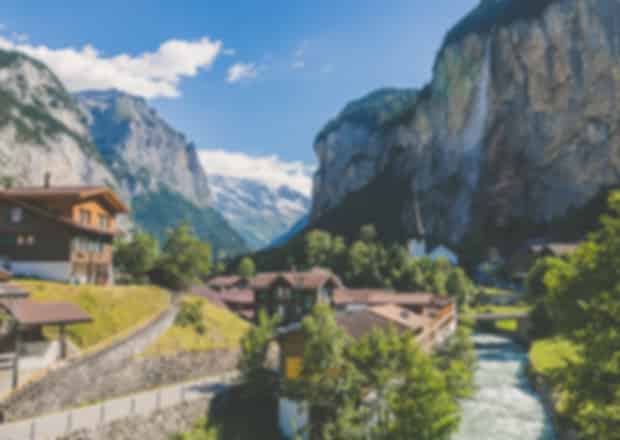
The waterfalls in Switzerland are among the most spectacular natural attractions in Europe, ranging from massive glacier-fed cascades and dramatic cliffside falls to hidden waterfalls deep inside Alpine valleys. From the powerful Rhine Falls and the iconic Staubbach Falls in Lauterbrunnen to the surreal underground Trümmelbach Falls and the scenic Giessbach Falls near Lake Brienz, these waterfalls showcase some of the most breathtaking landscapes in the Swiss Alps.
Whether you are planning scenic hikes, photography stops, boat rides, or nature-filled day trips, the best waterfalls in Switzerland deserve a place on every Swiss itinerary. Easily accessible from popular destinations like Interlaken, Lauterbrunnen, Zurich, and Montreux, these waterfalls are also among the most unforgettable places to visit and are often included in top Switzerland tour packages.
This blog covers the most beautiful waterfalls in Switzerland, including how to reach them, the best time to visit, entry fees, nearby attractions, and the waterfalls that are truly worth prioritising during your Swiss holiday.
Key Takeaways
- Most Powerful: Rhine Falls (Rheinfall) holds the crown near Zurich as Europe’s largest waterfall by sheer water volume.
- Tallest by total drop: Seerenbach Falls, about 585 m, in three stages.
- Second tallest: Mürrenbach Falls, about 417 m. It falls in several steps, so don’t call it a “single drop”.
- Most offbeat pick: Foroglio Falls in Ticino, a stone village with a 110 m fall behind it. (I removed “the only one outside German-speaking Switzerland”, because the Lake Geneva stop is French-speaking.)
- Best time: Late May to July for the biggest flow. August and September are still good, with fewer people.
Why Switzerland’s Waterfalls Are Worth the Detour
Switzerland’s dramatic Alpine valleys, glacier-fed rivers and steep cliffs create some of Europe’s most spectacular waterfalls. From the sheer power of Rhine Falls and the towering drop of Staubbach Falls to the unique underground setting of Trümmelbach Falls, each offers a different experience.
Waterfalls in Switzerland are also easy to fit into an itinerary. Many are close to popular towns and transport routes, making them practical stops during a day of sightseeing rather than a separate trip. If you’re already planning a Switzerland itinerary, adding one or two waterfalls can give you a scenic break between cities, mountain experiences and lakeside attractions.
Top 12 Waterfalls in Switzerland
From powerful cascades and glacier-fed falls to hidden waterfalls tucked away in Alpine valleys, Switzerland has plenty of spectacular spots to explore. Here are 12 waterfalls in Switzerland worth adding to your itinerary, along with practical details to help you plan your visit.
1. Rhine Falls (Rheinfall)

Rhine Falls cascading through the Rhine River in Switzerland, surrounded by lush greenery and rocky cliffs.
Rhine Falls is the most powerful waterfall in Europe by water volume. It isn’t the tallest at roughly 23 metres; height isn’t the point here, but the sheer force of the water crashing over the rocks is what draws visitors. Flow peaks in June and July, when glacial meltwater is at its heaviest.
Feel the sheer power of the falls from the viewing platforms or get closer on a boat ride to the base of the cascade. The combination of accessibility, scenic beauty, and raw natural power makes Rhine Falls one of the best waterfalls in Switzerland for first-time visitors, families, photographers, and nature lovers alike.
- Location: Rheinfallquai, 8212 Neuhausen am Rheinfall
- Nearest Transit Hub: Neuhausen Rheinfall Station or Schloss Laufen am Rheinfall Station
- How to Reach: Take an SBB train to Neuhausen Rheinfall Station for the north bank via the public elevator, or travel to Schloss Laufen am Rheinfall Station to access the south bank’s panoramic viewpoints.
- Entrance Fee: Free from the north bank. Entry to the panoramic trails and viewing platforms at Schloss Laufen costs CHF 5 (₹590).
2. Trümmelbach Falls
Trümmelbach Falls is one of the most unique waterfalls in Switzerland, where glacial water thunders through a series of rock-carved tunnels and galleries inside the mountain. Fed by water from the Eiger and Jungfrau glaciers, the falls can carry up to 20,000 litres of water per second, creating a powerful roar as the water rushes through the narrow caverns.
Walk through the illuminated tunnels and viewing galleries to see the glacial water cutting through the mountain up close. If you are exploring Lauterbrunnen or planning hiking in Switzerland, Trümmelbach Falls is an easy experience to add to your itinerary.
- Location: Trümmelbach 236, 3822 Lauterbrunnen
- Nearest Transit Hub: Lauterbrunnen Train Station
- How to Reach: Take PostBus 141 to Trümmelbachfälle (8 minutes) or walk 3 km.
- Entrance Fee: CHF 15 (₹1,770) for adults; CHF 6 (₹710) for children.
Note: Dogs and children under 4 are not permitted inside the falls. Wear waterproof shoes, as the paths get slippery and wet.
3. Staubbach Falls
Staubbach Falls is one of the most iconic waterfalls in Switzerland, cascading dramatically from the cliffs above Lauterbrunnen village. The water drops around 297 metres from a sheer rock face, creating a fine mist as it falls. This spray inspired the name “Staubbach”, meaning “dust stream”.
Located close to Lauterbrunnen village, Staubbach Falls is easy to add to a Switzerland itinerary and is ideal for travellers looking for a scenic waterfall without a long hike. The waterfall is free to visit and can be reached in about 10 minutes on foot from the village’s main area.
- Location: Beim Staubbach, 3825 Lauterbrunnen
- Nearest Transit Hub: Lauterbrunnen Train Station
- How to Reach: 10-minute walk from the station via Hauptstrasse.
- Entrance Fee: Free
4. Mürrenbach Falls — Stechelberg, Lauterbrunnen Valley

Mürrenbach Falls, one of the spectacular waterfalls in Switzerland, cascading down a steep alpine cliff beneath snow-capped peaks.
Mürrenbach Falls is one of the most impressive waterfalls in Lauterbrunnen Valley, with a total drop of around 417 metres. Rather than falling in a single uninterrupted cascade, the water flows down the mountain in several stages, creating a dramatic view from the valley floor.
Located near Stechelberg, at the quieter end of Lauterbrunnen Valley, the falls are easy to include in your itinerary. Take PostBus 141 to Stechelberg, followed by a short 5-minute walk to the viewpoint.
- Location: Parkplatz Stechelberg, 3824 Stechelberg
- Nearest Transit Hub: Lauterbrunnen Train Station
- How to Reach: Take PostBus 141 to Stechelberg, then walk 5 minutes.
- Entrance Fee: Free
5. Foroglio Falls (Val Bavona)
Foroglio Falls is a striking 110-metre waterfall in Val Bavona, surrounded by rugged rocks, chestnut forests and the historic stone village of Foroglio. The waterfall creates a dramatic backdrop against the traditional houses and village church, making it one of the most photogenic waterfalls in Switzerland.
The best way to experience the falls is to explore the village and enjoy the view of the cascade from below. Foroglio is a good choice for travellers looking for a quieter waterfall experience away from Switzerland’s more famous tourist spots.
- Location: Foroglio, 6690 Cevio
- Nearest Transit Hub: Locarno FART Train Station
- How to Reach: Take Bus 315, then transfer to Bus 333.
- Entrance Fee: Free
6. Giessbach Falls – Lake Brienz
Giessbach Falls is one of the most scenic waterfalls near Interlaken and Lake Brienz, cascading down the forested hillside in 14 stages towards the lake. The combination of waterfalls, Alpine forest and turquoise Lake Brienz makes it an easy addition to a Switzerland itinerary.
For a more memorable visit, combine the falls with a Lake Brienz boat ride and the historic funicular to the waterfall. Once there, walking trails take you through the forest and close to the cascading water.
- Location: Giessbach, 3855 Brienz
- Nearest Transit Hub: Interlaken Ost or Brienz Train Station
- How to Reach: Ferry from Brienz (included in Swiss Travel Pass) to Giessbach See, then a 20-minute walk or funicular ride.
- Entrance Fee: Free
- Additional Costs: Funicular: CHF 6 (₹710) one way; CHF 10 (₹1,180) return.
7. Reichenbach Falls – Near Meiringen
Reichenbach Falls is a 250-metre waterfall near Meiringen, best known for its connection to Sherlock Holmes. The dramatic setting in the Haslital Valley makes it one of the most interesting places in Switzerland for both nature lovers and fans of the famous detective.
You can reach the waterfall by walking from Meiringen or taking the historic funicular up the mountainside. The viewing area offers a closer look at the falls and the landscape associated with the famous Sherlock Holmes story.
- Location: Alpbachallee 34, 3860 Meiringen
- Nearest Transit Hub: Meiringen Train Station
- How to Reach: Walk 15 minutes or take Bus 161.
- Entrance Fee: Free via hiking trail.
- Additional Costs: Funicular: CHF 9 (₹1,060) one way; CHF 12 (₹1,420) return.
8. Engstligen Falls – Above Adelboden

Engstligen Falls, one of the impressive waterfalls in Switzerland, cascading over rugged alpine cliffs.
Engstligen Falls is one of the spectacular two-stage waterfalls in Switzerland near Adelboden, with a total drop of around 370 metres. Surrounded by the mountains of the Bernese Oberland, the falls offer an impressive Alpine landscape without requiring a long hike.
To reach the waterfall, travel to Unter dem Birg and follow the walking trail towards the lower falls. You can also take the cable car towards Engstligenalp and combine the waterfall visit with the surrounding mountain scenery.
- Location: Unter dem Birg, 3715 Adelboden
- Nearest Transit Hub: Frutigen Train Station
- How to Reach: Take Bus 230 to Adelboden, then continue to Unter dem Birg. The waterfall is a short walk from the cable car station.
- Entrance Fee: Free
9. Seerenbach Falls – Amden (Canton of St. Gallen)
Seerenbach Falls is a spectacular waterfall system above Betlis near Lake Walensee, with a total height of around 585 metres across three stages. Its remote setting and surrounding Alpine landscape make it a good choice for travellers looking for a quieter waterfall experience.
The route from Betlis takes around an hour and gradually opens up views of the falls and deep-blue Walensee. Plan extra time for the walk and transport if you are adding Seerenbach Falls to your Switzerland itinerary.
- Location: Betlis, 8872 Quarten
- Nearest Transit Hub: Ziegelbrücke Train Station
- How to Reach: Take a train to Ziegelbrücke, then Bus 444 to Betlis. Walk about 20 minutes to the falls.
- Entrance Fee: Free
10. Pissot Falls – Lauterbrunnen Valley
Pissot Falls is a scenic waterfall that can be viewed along the route listed for this attraction. Its location and transport connections make it important to plan this stop separately rather than assuming it is part of the Lauterbrunnen Valley route.
The waterfall is a good option for travellers looking for a quieter natural attraction and can be combined with other nearby stops depending on your itinerary.
- Location: Route de Pissot, 1845 Noville
- Nearest Transit Hub: Villeneuve Train Station
- How to Reach: Take a local bus or taxi from Villeneuve Station, followed by a short walk to the waterfall.
- Entrance Fee: Free
11. Berglistüber Waterfall (Linthal)
Berglistüber Waterfall is a hidden natural attraction near Linthal, located in a forested setting along the Klausen Pass road. The short walk to the waterfall makes it a convenient stop for travellers who want to see a less-visited Swiss waterfall.
One of the highlights is the natural recess behind the waterfall, where you can get close to the falling water and experience it from a different viewpoint. The short walk also makes Berglistüber easy to combine with a wider exploration of the area.
- Location: Klausenpassstrasse, 8783 Linthal
- Nearest Transit Hub: Linthal SBB Train Station
- How to Reach: Take PostBus 532, then walk 5 minutes.
- Entrance Fee: Free
12. Jaun Waterfall (Fribourg Region)
Jaun Waterfall is a distinctive natural attraction where water emerges directly from the rock face near the village of Jaun. Its unusual setting makes it different from the large Alpine cascades found elsewhere in Switzerland.
The waterfall is located close to the village church, so it is easy to combine with a short walk around Jaun. If you are visiting in the evening, the illuminated waterfall offers a different way to experience the site.
- Location: Wasserfall, 1656 Jaun
- Nearest Transit Hub: Bulle Train Station
- How to Reach: Take PostBus 246 to Jaun, then walk 5 minutes.
- Entrance Fee: Free
Best Swiss Waterfall Walks
Whether you’re looking for an easy viewpoint, a scenic hike, or a unique waterfall experience, Switzerland offers options for every traveller. Here’s a quick comparison of the country’s most spectacular waterfalls to help you choose which ones to include in your itinerary.
| Waterfall | Best For | Difficulty | Entry Fee |
| Rhine Falls | Europe’s most powerful waterfall | Easy | Free (boat rides optional) |
| Trümmelbach Falls | Underground glacier waterfalls | Easy | CHF 15 (₹1,770) |
| Staubbach Falls | Iconic free-falling waterfall | Easy | Free |
| Mürrenbach Falls | Switzerland’s tallest waterfall | Easy | Free |
| Foroglio Falls | Hidden gem in Ticino | Easy | Free |
| Giessbach Falls | Lake Brienz & funicular ride | Easy | Free (funicular optional) |
| Reichenbach Falls | Sherlock Holmes viewpoint | Easy | Free (funicular optional) |
| Engstligen Falls | Alpine scenery & cable car | Easy–Moderate | Free (cable car optional) |
| Seerenbach Falls | Tallest three-stage waterfall | Moderate | Free |
| Pissot Falls | Quiet Lauterbrunnen Valley stop | Easy | Free |
| Berglistüber Waterfall | Walk behind the waterfall | Easy | Free |
| Jaun Waterfall | Village waterfall & night lighting | Easy | Free |
How Many Days Do You Need?
You can realistically cover the best waterfalls in Switzerland without dedicating your whole trip to it:
- 1 day, based in Lauterbrunnen: Staubbach Falls (walk from the village), Pissot Falls (en route), Mürrenbach Falls (bus 141 to Stechelberg), and Trümmelbach Falls—all four fit into a single day using the same bus route down the valley.
- 1 day, based in Zurich or as a day trip: Rhine Falls alone, or combine it with a Zurich city day.
- 1 extra day, based in Interlaken: Giessbach Falls by boat and funicular — a relaxed half-day that pairs well with a Lake Brienz cruise.
- For offbeat travellers with extra time: Seerenbach Falls and Engstligen Falls reward a slower Bernese Oberland itinerary but require more planning around transport connections.
- If your trip includes Ticino: Foroglio Falls only makes sense as part of a Locarno or Ascona leg — don’t try to bolt it onto a Lauterbrunnen-based itinerary; the drive alone is 3.5–5 hours from Zurich, Bern, or Geneva.
If you’re building your own route, anchoring a few nights in Zurich and a few in Lauterbrunnen or Interlaken covers most of this list without excessive backtracking. Foroglio is the exception — treat it as a reason to extend your trip into Ticino, not a detour from the north.
How to Plan a Waterfall Day in Switzerland
You do not need to dedicate your entire Switzerland trip to waterfalls. The best approach is to group waterfalls that are close to each other and combine them with nearby towns or attractions.
- Lauterbrunnen: Combine Staubbach Falls, Trümmelbach Falls and Mürrenbach Falls for a convenient waterfall-focused day.
- Zurich: Rhine Falls works well as a standalone day trip or as part of a Zurich itinerary.
- Interlaken and Lake Brienz: Giessbach Falls can be combined with a Lake Brienz experience for a relaxed half-day.
- Bernese Oberland: Engstligen Falls and Seerenbach Falls are better suited to travellers who have additional time and are comfortable planning transport connections.
- Ticino: Foroglio Falls is best included when your itinerary already covers Locarno or the surrounding region rather than as a short detour from northern Switzerland.
Planning your route around geographical clusters can help reduce unnecessary travel time and make your Switzerland itinerary more comfortable.
Best Time to Visit Waterfalls in Switzerland
The peak season for Swiss waterfalls is June and early July, when Alpine snowmelt is at its maximum, and all falls are running at full volume. By August, some of the smaller falls thin out as snowmelt tapers; the Rhine Falls and Trümmelbach (glacier-fed) maintain strong flow all summer. September still offers good flows and much lighter crowds.
Switzerland in summer is the obvious window for waterfall visits; most fall viewpoints are closed or inaccessible in winter due to ice and snowfall. A summer itinerary anchored in Lauterbrunnen covers Staubbach and Trümmelbach in a single day; adding a day trip to the Rhine Falls from Zurich covers the European powerhouse.
What to Pack and Wear
Packing the right gear makes waterfall visits in Switzerland more comfortable, especially when trails are wet, steep or exposed to changing Alpine weather.
- Comfortable hiking shoes: Choose shoes with good grip for slippery paths and uneven terrain.
- Light rain jacket: Waterfall spray and sudden showers can leave you wet.
- Quick-dry clothes: Useful if you get splashed or encounter rainy weather.
- Warm layer: Temperatures can feel cooler near waterfalls, particularly in higher-altitude areas.
- Sun protection: Carry sunglasses, sunscreen and a hat, even on cooler days.
- Small backpack: Keep essentials such as water, snacks, a phone and a power bank within easy reach.
- Reusable water bottle: Useful for longer walks and hikes.
- Phone or camera: Keep it protected from water spray with a waterproof pouch or cover.
- Small towel: Handy for wiping off mist and rain.
- Trekking poles: Consider them for longer or steeper waterfall trails, particularly if the ground is wet.
Essential Tips for Visiting Waterfalls in Switzerland
- Check the weather: Water levels and trail conditions can change quickly, especially after rain or during snowmelt.
- Wear proper footwear: Choose comfortable shoes with good grip, particularly for rocky, wet or uneven trails.
- Carry a light rain jacket: Mist from powerful waterfalls can leave you surprisingly wet, even on a sunny day.
- Start early: Popular waterfalls can get crowded, especially during summer and weekends.
- Check opening hours: Some waterfalls, tunnels, lifts and viewing platforms operate seasonally or have limited timings.
- Use public transport: Many waterfalls are easily accessible by train, bus, cable car or a short walk, making a car unnecessary for several routes.
- Carry water and snacks: Remote waterfalls may not have cafés or shops nearby.
- Follow marked trails: Stay behind safety barriers and avoid getting too close to fast-flowing water or slippery edges.
- Keep some cash and a card: Small attractions, lockers or local transport may have different payment options.
- Plan waterfalls by region: Group nearby waterfalls into the same day to avoid spending too much time travelling between locations.
- Allow extra time: A waterfall stop often includes a scenic walk, viewpoint or village nearby, so avoid packing too many stops into one day.
- Respect nature: Do not litter, climb restricted areas or disturb the surrounding environment.
Final Thoughts on the Best Waterfalls in Switzerland
The waterfalls in Switzerland offer very different experiences, from the dramatic power of Rhine Falls and the iconic setting of Staubbach Falls to the underground galleries of Trümmelbach Falls and the quieter landscapes around Foroglio and Seerenbach. Instead of trying to visit all Swiss waterfalls, choose a few based on your route, available time and preferred experience. Waterfalls around Lauterbrunnen are easy to combine, while locations such as Foroglio, Seerenbach and Engstligen require more planning.
For a smoother Switzerland holiday, build your waterfall stops around your main destinations and allow enough time for transport, sightseeing and nearby experiences.
FAQs About Waterfalls in Switzerland
1. What are the best waterfalls to visit in Switzerland?
A: Some of the best waterfalls in Switzerland include Rhine Falls, Trümmelbach Falls, Staubbach Falls, Mürrenbach Falls, Giessbach Falls, Reichenbach Falls, Engstligen Falls and Foroglio Falls. Choose based on your itinerary: Lauterbrunnen is ideal for multiple waterfalls in one day, while Rhine Falls works well as a day trip from Zurich.
2. Which is the most famous waterfall in Switzerland?
A: Rhine Falls is the most famous waterfall in Switzerland and one of Europe’s most powerful waterfalls by water volume. Staubbach Falls and Trümmelbach Falls are also highly popular, particularly among travellers exploring Lauterbrunnen Valley.
3. What is the highest waterfall in Switzerland?
A: Seerenbach Falls has a total drop of around 585 metres across three stages, making it the highest waterfall system in Switzerland by total height. Mürrenbach Falls, with a drop of about 417 metres, is another major waterfall in the country.
4. What is the best time to visit waterfalls in Switzerland?
A: June to early September is generally the best period to visit waterfalls in Switzerland. June and July usually offer strong water flow because of Alpine snowmelt, while August and September can provide a quieter experience with generally good conditions.
5. Which waterfalls are near Interlaken?
A: Giessbach Falls is one of the most convenient waterfalls to visit from Interlaken. It is located on the shores of Lake Brienz and can be reached by boat from Brienz, followed by a walk or funicular ride. Lauterbrunnen Valley is also accessible from Interlaken for Staubbach, Trümmelbach and Mürrenbach Falls.
6. Which waterfalls are near Zurich?
A: Rhine Falls is the main waterfall to visit from Zurich. It can be reached by train to Neuhausen Rheinfall or Schloss Laufen am Rheinfall and works well as a half-day or full-day excursion from Zurich.
7. What are the best waterfalls to visit in Lauterbrunnen Valley?
A: Staubbach Falls, Trümmelbach Falls and Mürrenbach Falls are among the best waterfalls to visit in Lauterbrunnen Valley. They can be combined in one day, making Lauterbrunnen one of the easiest places in Switzerland to experience several waterfalls without extensive travel.
8. Are waterfalls in Switzerland accessible by public transport?
A: Yes, many of Switzerland’s major waterfalls are accessible by train, bus, boat, cable car or a short walk. Rhine Falls, Staubbach Falls, Trümmelbach Falls and Giessbach Falls are particularly convenient for travellers using public transport.
9. Which Swiss waterfalls can you visit without a long hike?
A: Staubbach Falls, Rhine Falls, Mürrenbach Falls and Jaun Waterfall can be visited with relatively little walking. Trümmelbach Falls also has an established network of tunnels, lifts and viewing galleries, although the paths can be wet and uneven.
10. Is Rhine Falls worth visiting?
A: Rhine Falls is worth including if you want to experience Switzerland’s most powerful waterfall by water volume. Viewing platforms provide close-up views, while optional boat trips take you closer to the falls. Its convenient location near Zurich also makes it easy to add to an itinerary.
11. Is Trümmelbach Falls worth visiting?
A: Trümmelbach Falls is worth visiting for its unusual setting inside a mountain. Glacial water from the Jungfrau region rushes through rock-carved tunnels and galleries, creating a very different experience from open-air waterfalls such as Staubbach Falls.
12. Can you visit multiple waterfalls in Switzerland in one day?
A: Yes. Lauterbrunnen is one of the easiest places to do this. Staubbach Falls, Trümmelbach Falls and Mürrenbach Falls can be combined in one day using walking routes and PostBus services. Rhine Falls can also be paired with other Zurich-area sightseeing.
13. How much does it cost to visit waterfalls in Switzerland?
A: Many waterfalls in Switzerland are free to view, including Staubbach Falls, Mürrenbach Falls, Giessbach Falls and several smaller falls. Some attractions charge for access or transport. For example, Trümmelbach Falls has an entrance fee, while boat rides, funiculars and cable cars at some waterfalls cost extra.
14. What should you wear when visiting waterfalls in Switzerland?
A: Wear comfortable shoes with good grip, particularly for wet or uneven trails. A light rain jacket is useful because waterfall spray can make paths and viewing areas wet. For higher-altitude waterfalls, carry an additional warm layer as temperatures can change quickly.
15. What should you pack for a waterfall trip in Switzerland?
A: Pack a reusable water bottle, light rain jacket, quick-dry clothing, sun protection, a small backpack and a phone or camera with water protection. Trekking poles can also be useful for longer or steeper trails where the ground may be wet.
16. Which waterfall in Switzerland is best for hiking?
A: Seerenbach Falls and Engstligen Falls are good choices for travellers who want a waterfall experience combined with Alpine walking. The Lauterbrunnen Valley also offers several shorter walks where waterfalls can be combined with mountain and valley scenery.

Recommended articles for you









Discover Packages



















Europe City Packages
Packages By Departure City
Packages By Theme
Europe Combo Packages
Europe Nearby Destinations

Need help in planning?
Talk to our Travel Experts