
Hiking in Switzerland – Complete Guide for All Levels
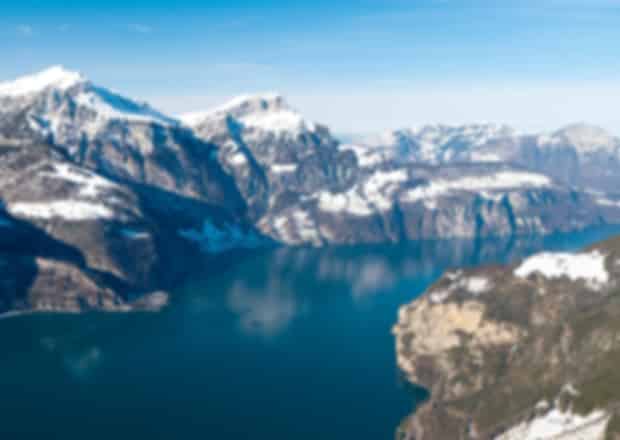
Hiking in Switzerland is not just about dramatic views; it’s about how effortlessly everything connects. Few countries make alpine exploration this accessible. Scenic trains climb into the mountains with clockwork precision, cable cars lift you directly onto panoramic ridgelines, trails are immaculately marked, and mountain huts appear exactly where you need them. The system is designed to help you move through the Alps smoothly if you plan it right.
That said, Switzerland rewards preparation. Understanding the right season, trail grading (T1–T6), transport logistics, and realistic daily distances can make the difference between a stressful hike and an extraordinary one. Whether you’re planning a family-friendly Swiss Alps walk, a classic Bernese Oberland hiking itinerary, or a demanding hut-to-hut alpine route, this guide breaks down everything you need to plan confidently and hike smartly.
Check out: Swiss adventure tour package
Planning Hiking in Switzerland: Regions, Seasons & Logistics
Best Time for Hiking in Switzerland
The best time to visit Switzerland for hiking determines access.
Mid-June to Early September
- Peak season for Bernese Oberland hiking
- Full access to higher trails near Mürren, Gimmelwald, and Grindelwald
- Most SAC huts open
September (Early Autumn)
- Fewer crowds
- Stable weather windows
- Excellent conditions in Engadin & St. Moritz
- Autumn colours at lower elevations
Read: Switzerland in Autumn
Early Season (May–Early June)
- Snow persists above 2,000m
- Limited hut access
- Lower valley hikes are possible
If you misjudge the season, alpine passes will close. Switzerland rewards precision planning.
Swiss Travel Pass, Trains & Cable Cars
Switzerland’s hiking system is deeply integrated with public transport.
The Swiss Travel Pass covers:
- National trains
- Regional buses
- Lake boats
- Some mountain railways
However:
- Scenic trains may require seat reservations.
- Cable cars and gondolas usually require separate tickets.
- Some alpine railways offer discounted fares with the pass.
Example Costs:
- Kandersteg–Oeschinensee cable car: ~CHF 32(INR 3,700) return
- Average cable car ascent: CHF 25–40(INR 2,900–4,700)
Use cable cars strategically to save vertical gain for scenic sections.
Key Hiking Transport Hubs:
- Interlaken
- Lucerne
- Zermatt (car-free; park in Täsch)
- St. Moritz
- Kandersteg
Popular hiking bases like Mürren and Gimmelwald require coordinated rail + cable connections.
Maps & Trail Planning Tools
Use official tools only:
- SchweizMobil (national hiking map platform)
- Swisstopo (Swiss Federal Office of Topography)
- Offline GPX downloads
- Paper backup maps
Book:
- SAC huts in spring for summer stays
- Scenic train seats early in peak season
If logistics feel complex, structured Switzerland hiking itineraries or curated Switzerland tour packages can streamline transport sequencing while preserving hiking flexibility.
Understanding Swiss Trail Grades (T1–T6)
Switzerland uses the SAC grading system:
- T1 – Easy hiking trails, well-marked, minimal risk
- T2 – Moderate mountain trails, uneven ground
- T3 – Challenging hiking, exposed sections
- T4 – Alpine hiking, hands may be required
- T5 – Demanding alpine terrain, navigation skills essential
- T6 – Difficult alpine routes, expert-level only
Respect grading honestly. Overestimating fitness is the most common mistake in Swiss Alps hiking.
Best Hiking Trails in Switzerland by Skill Level
Easy & Family Hiking in Switzerland
Perfect for beginners and families:
- Mürren to Gimmelwald Walk – Gentle descent with valley views
- Lake Oeschinensee Loop – Accessible alpine lake trail
- Five Lakes Walk (Zermatt) – Scenic reflections of the Matterhorn
Typical distance: 4–8 km
Elevation gain: Minimal
These routes deliver iconic views without technical exposure.
Intermediate Swiss Alps Hiking
Balanced challenge with panoramic rewards:
- Männlichen to Kleine Scheidegg (~5 km ridge trail)
- Schynige Platte Botanical Trails
- Bachalpsee Hike (Grindelwald)
Distance: 5–12 km
Elevation gain: 400–800m
Ideal for travellers seeking moderate alpine hiking in Switzerland.
Advanced & Challenging Routes
For experienced hikers:
- Hardergrat Ridge – ~20 km, 2,000m ascent, exposed ridgeline
- Via Alpina Switzerland (multi-stage)
- Haute Route hiking
- Tour du Mont Blanc (Swiss section)
These require:
- Weather literacy
- Navigation competence
- Proper alpine gear
If glaciers are involved, hire certified mountain guides.
Hut-to-Hut Hiking in Switzerland
Hut-to-hut hiking is one of the most rewarding ways to experience the Swiss Alps.
Types of Mountain Accommodation
SAC Huts
- Dormitory-style bunks
- Simple but hearty meals
- No-frills comfort
- Exceptional alpine locations
Berghotels
- Private rooms
- Showers
- Elevated comfort
Village Hotels (Mürren, Gimmelwald, Zermatt)
- Ideal for families
- Flexible hiking days
Book huts months in advance for summer. Many routes offer luggage transfer services for lighter trekking.
Read: Top resorts in Switzerland
Hiking Costs in Switzerland
Switzerland is premium-priced but transparent.
Approximate Daily Costs:
- Budget hut stay: CHF 70–90 (INR 8,200 – 10,600)
- Berghotel stay: CHF 120–250 (INR 14,100 – 29,400)
- Cable cars: CHF 25–40 per ascent (INR 2,940 – 4,700)
- Lunch at mountain hut: CHF 20–30 (INR 2,350 – 3,520)
Plan for CHF 100–200(INR 11,700–23,500) per hiking day, depending on comfort level.
Safety & Risk Management in the Swiss Alps
Essential Hiking Gear
- Waterproof shell
- Insulation layers
- Broken-in hiking boots
- Trekking poles
- GPS-enabled phone + paper map
- Headlamp
- First aid kit
- Power bank
Early-season snow requires crampons only if trained.
Also read: Switzerland packing list
Alpine Safety Principles
- Turn back during storms
- Avoid exposed ridges in high winds
- Never underestimate altitude gain
- Pre-plan exits in car-free villages
Emergency numbers:
- 112 (general emergency)
- REGA Air Rescue (download the REGA app)
Sample 3-Day Switzerland Hiking Itinerary (Bernese Oberland)
Day 1: Mürren → Gimmelwald → Lauterbrunnen
Day 2: Schynige Platte Alpine Trail
Day 3: Lake Oeschinensee Loop
This sequence balances scenic highlights with manageable effort.
Conclusion: Designing Your Perfect Switzerland Hiking Experience
Hiking in Switzerland is not accidental beauty; it is engineered precision. The Swiss Alps reward those who plan well, choose the right season, respect trail grading, and sequence transport and terrain thoughtfully. Book key huts early, use cable cars strategically, carry proper navigation tools, and align your ambition with your fitness and weather windows.For travellers who want to focus on the experience rather than coordinate trains, huts, and mountain logistics independently, well-designed Switzerland packages can simplify the process without compromising flexibility. Whether it’s a family-friendly Bernese Oberland itinerary, a scenic Swiss Alps hiking circuit, or a multi-day hut-to-hut adventure, curated packages help align routes, transport, accommodation, and timing seamlessly. In Switzerland, preparation enhances freedom. And in the Alps, few landscapes reward thoughtful planning as generously.
FAQs
Late June to early September offers the best alpine access and hut availability.
Yes. Switzerland offers well-marked T1–T2 trails ideal for families and first-time hikers.
Not mandatory, but highly convenient for multi-region itineraries.
Difficulty ranges from moderate alpine walking to demanding glacier terrain, depending on route selection.
Yes. SAC huts are professionally maintained and provide food, bedding, and route information.
Yes, especially for glacier routes, technical terrain, or first-time alpine hikers.

Recommended articles for you







Discover Packages
















Europe City Packages
Packages By Departure City
Packages By Theme
Packages By Duration
Europe Combo Packages
Europe Nearby Destinations

Need help in planning?
Talk to our Travel Experts