
Italian Food Culture: The Ultimate Guide for Food Lovers
Italian food culture is a masterful blend of tradition, passion, and fresh regional ingredients that turns every meal into a celebration of life. From the sun-drenched tomato fields of Naples to the historic pasta traditions of Rome, every bite tells a story of heritage and community. And every recipe carries centuries of history, reflecting the unique geography and traditions of the specific town it comes from.
If you are ready to taste these legendary flavours right at the source, a well-planned Italy tour package offers the perfect culinary journey through the heart of the Mediterranean. This guide breaks down what famous Italian food you should try in each region and the small habits that will help you blend in at any trattoria from Milan to Palermo.
Italy’s Food Culture: What You Need to Know
Italy’s food culture is deeply connected to its regions, traditions, and local ingredients. From fresh pasta and wood-fired pizza to regional cheeses and desserts, each part of the country offers its own flavours and specialities.
- Follow Italian meal times: Lunch usually runs from 1 to 2:30 PM, while dinner often starts around 8 PM. Many restaurants close between these services.
- Know your coffee etiquette: Cappuccino and other milk-based coffees are usually enjoyed in the morning. Espresso can be ordered at any time of day.
- Enjoy aperitivo: Usually served between 6 and 8 PM, aperitivo combines drinks with small snacks. Milan is especially famous for this tradition.
- Try fare la scarpetta: Use bread to soak up leftover sauce on your plate. It is a traditional way to show appreciation for the meal.
- Eat like a local: Italian cuisine is highly regional. Try local specialties and expect each region to have its own take on classic dishes.
What Makes Italian Food Culture Unique
Italian food culture is built on three key ideas: fresh local ingredients, strong regional identity, and shared meals. Food is more than fuel. It is an important part of family and social life. Italian cooking also stays closely tied to each region. A chef in Naples may prepare carbonara without cream, while Bologna is known for tagliatelle al ragù, not the spaghetti bolognese commonly found abroad.
This regional variety means food can taste very different from one city to another. If you are planning an Italy trip, spend time exploring local Italian dishes in each destination to experience the country through its food.
Famous Italian Food You Need to Try at Least Once
Some dishes have become symbols of Italian food culture worldwide, but the versions you’ll find in Italy are often simpler and better than what’s served abroad.
| Famous Italian Food | What It Actually Is | Best Place to Try It |
| Pizza Napoletana | Thin, soft-centred pizza with San Marzano tomatoes and buffalo mozzarella | Naples |
| Carbonara | Egg, guanciale, Pecorino Romano, and black pepper — no cream | Rome |
| Risotto alla Milanese | Saffron-infused creamy risotto | Milan |
| Tiramisu | Coffee-soaked ladyfingers layered with mascarpone cream | Treviso, Veneto |
| Gelato | Denser, less sugary, and less airy than regular ice cream | Florence, Rome |
| Prosciutto di Parma | Air-cured ham aged for at least 12 months | Emilia-Romagna |
| Cacio e Pepe | Pasta with just Pecorino Romano and black pepper | Rome |
Italian Food Culture by Region – What Indian Travellers Need to Know
Italy doesn’t have one cuisine. It has twenty, one for each region, shaped by geography, history, and what grows or grazes nearby. Here’s what to expect and eat as you move around the country.
Naples & Campania – The Home of Pizza
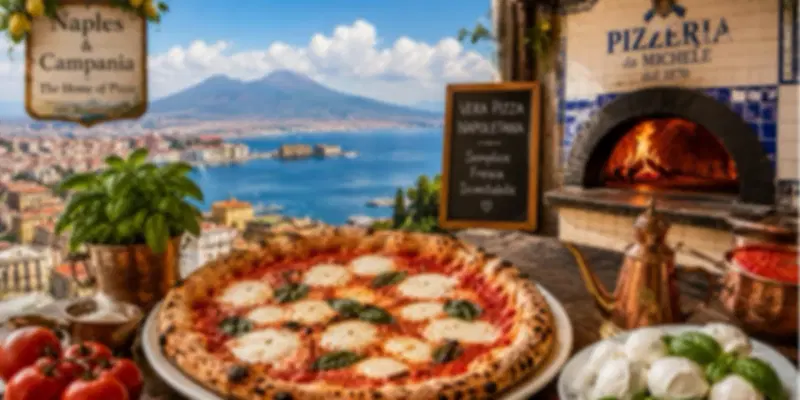
Try Naples Pizza but before that its important to learn about Italina food culture
Naples is where pizza was invented, and UNESCO has protected the traditional Neapolitan pizzaiuolo technique since 2017. This is not a city to skip pizza in favour of “trying something different”.
Why it works for Indians: A true Margherita is simply tomato, mozzarella, basil, and olive oil, naturally vegetarian, and the char and chew of a wood-fired crust feel closer to a good naan than most people expect.
Must-try dishes:
- Pizza Margherita – The original, still the benchmark against which every other pizza in the world is measured.
- Spaghetti alle vongole – Clams, garlic, olive oil, and white wine, a coastal classic if you eat seafood.
- Sfogliatella – A shell-shaped pastry with a crisp, ridged crust and ricotta filling, best eaten warm.
- Babà – A rum-soaked sponge cake that Neapolitans treat as a near-religious dessert.
Dining rule in Naples: Pizza here is eaten with a knife and fork, folded only for street-food-style slices. And no, pineapple is not up for discussion.
Rome & Lazio – Pasta Done Four Ways
The food culture of Rome is built almost entirely around four pasta dishes, each with strict, non-negotiable rules about what goes in and what doesn’t.
Must-try dishes:
- Cacio e Pepe – Just pecorino cheese and black pepper, deceptively difficult to get right, deeply satisfying when it is.
- Carbonara – Egg, pecorino, guanciale (cured pork cheek), and pepper. No cream, ever, despite what you’ll find abroad.
- Amatriciana – Tomato, guanciale, and pecorino, named after the town of Amatrice.
- Supplì – Fried rice balls with a molten mozzarella centre, Rome’s answer to Sicily’s arancini.
Insider tip: Testaccio, once Rome’s meatpacking district, is now one of the city’s best food neighbourhoods and a good place to try Roman classics away from the crowds near the major monuments.
Bologna & Emilia-Romagna – Italy’s Food Capital
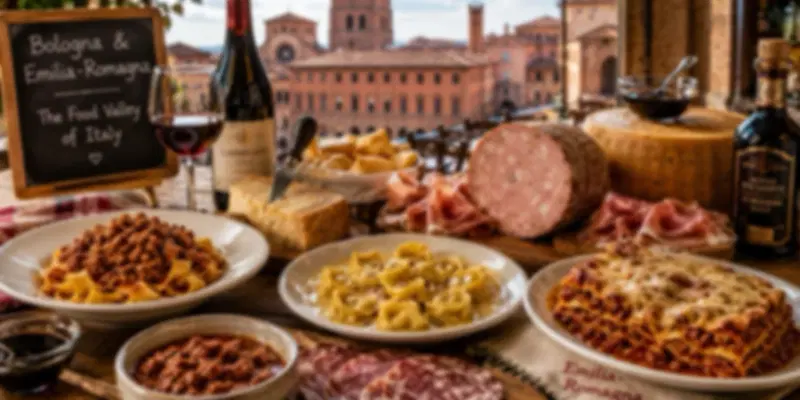
Get to know about Italian Food Culture in Bologna
If Rome and Naples get the fame, Bologna gets the respect. Emilia-Romagna produces Parmigiano-Reggiano, prosciutto di Parma, balsamic vinegar from Modena, and the ragù that the rest of the world calls “Bolognese sauce”, though locals will point out it’s traditionally served with tagliatelle, not spaghetti.
Must-try dishes:
- Tagliatelle al ragù – Slow-cooked meat sauce over fresh egg pasta, nothing like the jarred version sold as “Bolognese” elsewhere.
- Tortellini in brodo – Small stuffed pasta served in a clear broth, a Bolognese comfort food.
- Piadina – A flatbread sandwich filled with cheese, greens, or cured meats, sold from street stalls across the region.
- Parmigiano-Reggiano – Worth tasting straight from a wheel at a local market rather than pre-grated from a packet.
Insider tip: Visit the Quadrilatero market in central Bologna and try a fresh piadina with squacquerone cheese. It will change how you think about a sandwich.
Sicily – Bold Flavours from a Crossroads Island
Centuries of Greek, Arab, and Spanish influence have shaped Sicilian cuisine into something distinct from mainland Italian food. It is often sweeter and spicier, with strong flavours of citrus, almonds, and seafood.
Must-try dishes:
- Arancini – Fried, stuffed rice balls, usually filled with ragù, cheese, or pistachio.
- Caponata – A sweet-and-sour eggplant dish, fully vegetarian and full of flavour.
- Cannoli – Crisp pastry shells filled with sweetened ricotta, best filled to order rather than sold pre-filled.
- Granita con brioche – A semi-frozen fruit ice served with a soft brioche bun, Sicily’s summer breakfast.
Tuscany – Simplicity Built on Great Ingredients

Learn about wine culture in Italy
Tuscany is known for simple Tuscan cooking that uses quality olive oil, fresh bread, and minimal seasoning. The focus is on letting fresh, local ingredients shine without heavy sauces.
Must-try (vegetarian-friendly) dishes:
- Ribollita – A hearty bread and vegetable soup, a classic example of Tuscan “cucina povera”, or peasant cooking, that turns simple ingredients into something rich.
- Pappa al pomodoro – A thick tomato and bread soup, best in summer with ripe tomatoes.
- Panzanella – A bread and tomato salad, light and refreshing.
- Cantucci with Vin Santo – Almond biscuits dipped in a sweet dessert wine, the traditional way to end a Tuscan meal.
Milan & Lombardy – Rich, Northern, and Butter-Forward
Milan and Lombardy are known for rich northern Italian cuisine, with butter, rice, and cream playing a bigger role than olive oil and tomatoes. The flavours also reflect the region’s close ties with Austria and Switzerland.
Must-try dishes:
- Risotto alla Milanese – Saffron-scented rice; the saffron itself is the same spice that gives Indian biryani its distinctive aroma and colour.
- Ossobuco – Braised veal shank, traditionally served with the risotto above.
- Panettone – Milan’s Christmas bread, a fluffy, dried-fruit-studded loaf now sold worldwide, though never quite the same outside Italy.
Venice – Small Plates and Lagoon Flavours
Venice is known for cicchetti, small plates served in traditional bacari. These bite-sized dishes are often enjoyed with a glass of wine, similar to Spanish tapas.
Must-try dishes:
- Cicchetti – Bite-sized toppings on bread or polenta, ranging from vegetables to seafood.
- Sarde in saor – Sweet-and-sour marinated sardines, a Venetian signature.
- Baccalà mantecato – Whipped salted cod, usually spread on crostini.
- Tiramisu – Widely believed to have originated in the Veneto region and worth trying here, even though it’s now found across the country.
Dining Etiquette in Italy – What Indian Travellers Often Get Wrong
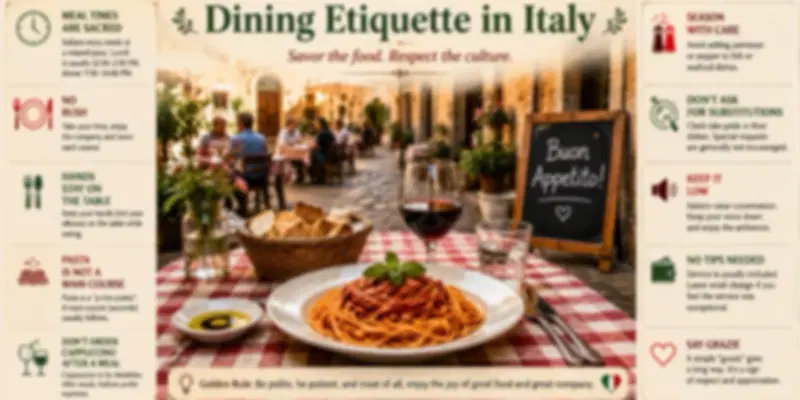
Eating out in Italy runs on a different rhythm than in India, and a few small habits can help you avoid feeling like an obvious first-timer.
- Coperto: A per-person cover charge, usually €1–3, appears on most bills. It covers bread and table service and isn’t optional or a mistake.
- Tipping: Not expected the way it is elsewhere. Rounding up or leaving a euro or two for good service is enough; large tips aren’t the norm.
- Meal structure: A full Italian meal runs antipasto (starter), primo (pasta or risotto), secondo (meat or fish, usually with a side), and dolce (dessert). Ordering only a primo is completely normal and won’t raise eyebrows.
- Water: Tap water isn’t automatically served. You’ll be asked “naturale o frizzante” (still or sparkling), and it’s usually a paid bottle either way.
- Pizza etiquette: Pizza is a personal dish in Italy, not shared like it often is elsewhere, and each person typically orders their own.
Vegetarian & Jain Food Survival Guide for Italy
Italy is one of the easier European countries for vegetarian travellers, though Jain diners will need to plan a little more carefully.
- Naturally, vegetarian dishes are everywhere: margherita pizza, most pasta with tomato or vegetable-based sauces, risotto, caprese salad, and most antipasti.
- Watch for hidden animal products: Parmesan often contains animal rennet, and some “vegetable” soups are made with meat stock, so it’s worth asking if you’re strict about this.
- Jain travellers should specifically ask for dishes without garlic and onion, since most Italian sauces are built on a soffritto base that includes both. Indian restaurants in major cities like Rome, Milan, and Florence are the most reliable option for confirmed Jain meals.
- Useful apps: HappyCow for vegetarian and vegan listings, and TheFork for booking restaurants in advance, particularly useful in smaller towns where English menus aren’t guaranteed.
If you’d rather stick to familiar flavours occasionally, most major Italian cities also have Indian restaurants for a change of pace mid-trip.
Street Food and Markets: Food in Italy Beyond Restaurants
Some of the best food in Italy isn’t found in restaurants at all. Look out for:
- Supplì in Rome — fried rice balls with a molten mozzarella centre
- Frittatine and fried street snacks in Naples
- Panino con lampredotto in Florence — a tripe sandwich that’s a local institution
- Mercato di Rialto in Venice — a produce and seafood market worth a morning visit near the Rialto Bridge
Wine, Aperitivo, and Coffee Culture
Italy’s wine, aperitivo, and coffee traditions are an important part of daily life. Each has its own regional style and customs.
- Wine with meals: Wine is often paired with local dishes. Popular examples include Chianti in Tuscany, Barolo in Piedmont, and Prosecco in Veneto.
- Aperitivo tradition: Milan and Turin are known for aperitivo, where drinks such as Aperol Spritz and Negroni are served with snacks.
- A relaxed social ritual: Aperitivo is often enjoyed in the early evening and can sometimes replace a light dinner.
- Espresso culture: Espresso is commonly enjoyed quickly while standing at the bar.
- Table prices: Coffee can cost more when ordered at a table, especially in busy tourist areas.
Italian Food Experiences Worth Planning Your Trip Around
These aren’t just restaurants. These are food events and seasons worth building an itinerary around.
- White Truffle Season, Alba (Oct–Nov): Piedmont’s Alba International White Truffle Fair draws chefs and food lovers from across the world for the year’s most prized ingredient.
- Vinitaly, Verona (April): One of the world’s largest wine fairs, showcasing Italy’s regional wines alongside its regional food.
- Sagra season (year-round, regional): Local food festivals, or sagre, celebrate a single ingredient, chestnuts, porcini mushrooms, or artichokes, in small towns across the country, often with better food than nearby restaurants at a fraction of the price.
- Christmas markets, Northern Italy (Dec): Trentino-Alto Adige’s markets combine Alpine and Italian food traditions, worth pairing with a stop at the mountains in Italy if your trip includes the Dolomites.
Conclusion: Plan the Perfect Italy Food Trip
Italian food culture is deeply regional. It focuses on fresh local ingredients, traditional recipes, and shared meals. From Neapolitan pizza to Bolognese ragù, every region has its own specialities. A well-planned Italy trip lets you explore this rich culinary heritage, from Rome’s classic pasta to Sicily’s famous street food. Ready to taste Italy like a local? Book your Italian adventure and discover authentic flavours across the country.
FAQs: Italian Food Culture
Traditional Italian foods include pizza Napoletana, carbonara, cacio e pepe, risotto alla Milanese, tagliatelle al ragù, arancini, and ribollita. Each region has its own specialities and cooking traditions.
Italy is famous for pizza and pasta, but its cuisine also includes gelato, risotto, tiramisu, regional cheeses, and cured meats. Naples is known for pizza, while Rome is famous for its pasta dishes.
Italian cuisine is highly regional, with each area having its own dishes and traditions. Cappuccino is traditionally enjoyed in the morning, while pizza is usually ordered as an individual dish. Many Italian meals include a primo, such as pasta or risotto, and aperitivo is a popular early-evening tradition that combines drinks with small snacks.
Italian food culture is known for fresh ingredients, regional recipes, and shared meals. Food is an important part of family life and social gatherings.
Yes. Major cities such as Rome, Milan, Florence, and Venice have several Indian restaurants. They are also useful for travellers looking for familiar flavours during a longer trip.
Cappuccino is traditionally considered a breakfast drink, so Italians usually avoid ordering it after meals or later in the day. However, this is a cultural custom rather than a strict rule.
Yes, Italy offers many vegetarian options, including Margherita pizza, caprese salad, vegetable pasta, risotto, and antipasti. However, check sauces, broths, and cheese if you follow a strict vegetarian diet.
Bologna is often considered Italy’s food capital, especially for fresh pasta and regional specialities. Naples, Rome, Florence, and Palermo are also excellent choices for food-focused trips.
Food is closely connected to family, regional identity, and social life in Italy. Meals are often shared slowly and used as a time to connect with family and friends.
First-time visitors should try pizza Napoletana, carbonara, cacio e pepe, tagliatelle al ragù, risotto alla Milanese, gelato, and tiramisu. Trying local dishes in their region makes the experience more authentic.
Emilia-Romagna is especially famous for its food and is home to Bologna, Parmigiano-Reggiano, prosciutto di Parma, and traditional ragù. Other regions such as Campania, Lazio, Sicily, and Tuscany also have distinctive cuisines.

Recommended articles for you











Discover Packages



















Need help in planning?
Talk to our Travel Experts