
Mountains in Italy: Highest Peaks, Best Ranges & Mountain Towns
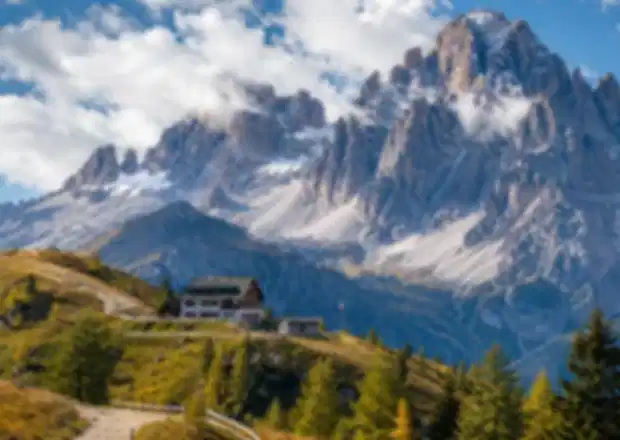
Italy has two major mountain ranges: the Alps in northern Italy and the Apennines, which form the Italian peninsula. The mountains in Italy are not one landscape but a mix of high Alpine peaks, jagged Dolomite cliffs, long Apennine ranges, volcanic mountains, and historic mountain towns. So, the best mountains in Italy depend on travellers’ wishes to experience them.
For most travellers, the best places to start are the Dolomites and Alps for dramatic scenery and outdoor adventures, the Apennines for hiking and Sicily for Mount Etna and its volcanic landscape. This guide breaks down the highest and largest mountain in Italy, famous peaks, major ranges, volcanic mountains, and practical tips for planning your trip.
Quick Facts About the Mountains in Italy
| Mountain Feature | Details |
| Highest peak (territorial dispute with France) | Monte Bianco / Mont Blanc, 4,808 m |
| Highest peak entirely within Italy | Gran Paradiso, 4,061 m |
| Highest peak in the Apennines | Corno Grande (Gran Sasso), 2,912 m |
| Most active volcano | Mount Etna, Sicily, roughly 3,350–3,400 m (height shifts with eruptions) |
| Main ranges | The Alps (north), the Apennines (spine of the peninsula) |
| Mountainous share of Italy’s land area | Around 35%, with a further ~40% classified as hilly |
How Many Mountains Are There in Italy?
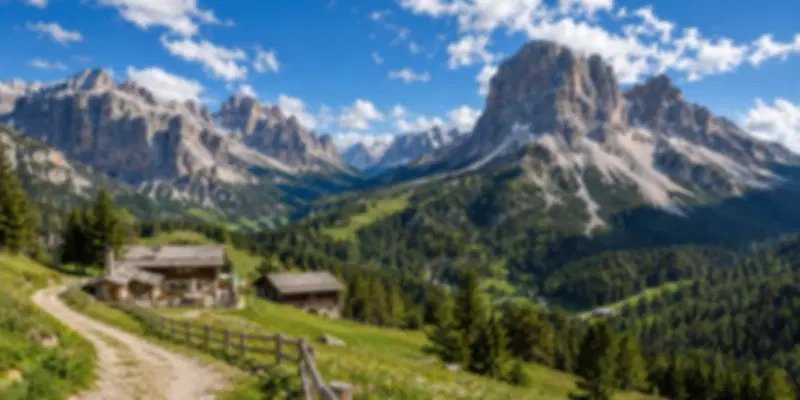
There is no single official number of mountains in Italy. However, the country is highly mountainous, with around 35% of its territory classified as mountainous terrain.
Most of Italy’s mountains belong to two major mountain systems: the Alps in the north and the Apennines, which form the backbone of the Italian Peninsula. Within these systems are numerous ranges, valleys, and individual peaks, including some of Europe’s most famous mountains.
So, if you are wondering how many mountains there are in Italy, there is no single definitive number. For travellers, it is more useful to focus on Italy’s major mountain ranges and best-known peaks, including the Dolomites, Gran Paradiso, Monte Rosa, and the Apennines, rather than trying to count every individual summit.
What Is the Highest Mountain in Italy?
The highest mountain in Italy is generally considered to be Monte Bianco (Mont Blanc), which rises to about 4,807–4,808 metres in the Alps on the France–Italy border. However, its exact status as Italy’s highest peak is complicated by the Italy-France border.
If you wish to learn about the tallest mountain in Italy, the answer is Gran Paradiso. It is the only peak entirely within Italian territory that rises to 4,061 metres. Gran Paradiso is in the Graian Alps in northwestern Italy, in the Aosta Valley and Piedmont regions. Additionally, it is also the highest peak of Gran Paradiso National Park, Italy’s oldest national park. The mountain and surrounding park are particularly known for their Alpine wildlife, including the Alpine ibex.
What Are the Two Main Mountain Ranges in Italy?
Italy’s mountain landscape is shaped mainly by two major mountain systems: the Alps and the Apennines. They are very different in appearance, elevation, and geography. The Alps dominate northern Italy, while the Apennines form the long mountain backbone of the Italian Peninsula.
Italian Alps: Highest Peaks and Best Mountain Areas
The Alps mountains in Italy stretch across the northern border and form the country’s borders with France, Switzerland, Austria, and Slovenia. They contain Italy’s highest peaks, including Monte Bianco (Mont Blanc), Monte Rosa, and Monte Cervino (the Matterhorn). The Dolomites, part of the eastern Alps, are also among Italy’s most famous mountain landscapes.
The Italian Alps are known for their ski resorts, glaciers, alpine lakes, hiking trails, and high-altitude peaks. Popular mountain destinations include the Aosta Valley, South Tyrol, and the Dolomites.
Apennine Mountains: Italy’s Mountainous Backbone
The Apennines form a long mountain chain that runs down the Italian peninsula. The range runs from the northern Apennines near Liguria to the southern regions of Calabria and is roughly 1,200 kilometres long.
The Apennine Mountains in Italy are generally lower than the Alps, but they still contain spectacular peaks and rugged landscapes. Gran Sasso and the Maiella massif in Abruzzo are among the best-known examples. The range also helps create the rolling hills, valleys, forests, and hilltop towns that are characteristic of central Italy.
What Are the Most Famous Mountains in Italy?
The most famous mountains in Italy are known for their height, distinctive shapes, volcanic activity, mountaineering history, and dramatic landscapes. Here are five of the country’s best-known mountain landmarks:
- Monte Bianco (Mont Blanc): At about 4,807 metres, Monte Bianco is the highest peak in the Alps and one of Europe’s most famous mountain destinations.
- Matterhorn (Monte Cervino): The Matterhorn is famous for its distinctive pyramid-shaped summit on the Italy–Switzerland border. On the Italian side, the mountain rises above Breuil-Cervinia, one of the Aosta Valley’s best-known Alpine resorts.
- Mount Etna: Located in eastern Sicily, Mount Etna is Europe’s largest active volcano and one of the world’s most active volcanoes. Due to its frequent volcanic activity, lava landscapes, and unusual combination of forests and barren summit terrain, it has made its way onto the list of UNESCO World Heritage Sites since 2013.
- Corno Grande: At 2,912 metres, Corno Grande is the highest peak in the Apennines. It forms part of the Gran Sasso massif in Abruzzo and is one of central Italy’s most important high-mountain destinations.
- Tre Cime di Lavaredo: These three distinctive limestone peaks are among the most iconic landscapes in the Dolomites. Their dramatic vertical walls and distinctive silhouettes make them a major hiking and photography destination in northern Italy.
Best Mountains in Italy by Region
The major mountains in Italy are spread across several distinct regions, each with its own landscape and character. From the jagged Dolomites in the northeast to the high peaks of Abruzzo and the marble-rich Apuan Alps in Tuscany, these mountain areas offer very different experiences.
The Dolomites
The Dolomites in Italy are one of the country’s most famous mountain ranges and a UNESCO World Heritage Site. The Dolomites were formed largely from ancient marine carbonate rocks, including the remains of coral reef systems.
The mountains are known for their pale limestone peaks, dramatic cliffs, and distinctive pink and orange colours at sunset. This glow, known as enrosadira, is one of the range’s most famous natural features.
Seceda
Seceda Mountain in Italy is one of the most recognisable viewpoints in the Dolomites. Located above Ortisei in Val Gardena, it is famous for its steep, grass-covered ridgeline and dramatic mountain backdrop.
The Seceda cable car provides easy access from Ortisei, allowing visitors to reach the high-altitude viewpoint without a climb.
The Abruzzo Mountains
The Abruzzi Mountains in Italy (more commonly spelt Abruzzo) contain some of the highest and most spectacular mountains in the Italian Apennines. The mountain lies within Gran Sasso e Monti della Laga National Park, one of Italy’s largest protected areas. Additionally, the park is known for its rugged peaks, forests, alpine meadows, and diverse wildlife.
Abruzzo is also known for its rich wildlife and relatively wild landscapes. The Marsican brown bear, Apennine wolf and other native species are protected in the region’s national parks, making the mountains important not only for hiking but also for conservation and wildlife tourism.
The Apuan Alps: Italy’s Marble Mountains
The Apuan Alps rise in northern Tuscany and are famous for their extensive marble deposits. Despite their name, they are a separate mountain group from the main Alpine chain and are traditionally associated with the Northern Apennines. The mountains around Carrara contain some of the world’s best-known marble quarries, with extraction dating back to Roman times.
Planning to combine Italy’s mountains with its major cities and attractions? A 10-day Italy itinerary can help you structure a multi-destination trip without spending too much time travelling between regions.
Volcanic Mountains in Italy
If you are looking for volcanic mountains in Italy, most of them are concentrated in Sicily and southern Italy. The volcanic mountains in Italy offer very different experiences, from active lava fields and crater hikes to volcanic islands and geothermal landscapes.
Mount Etna, Sicily
Mount Etna is the tallest active volcano in Europe and one of the world’s most active volcanoes. It rises to more than 3,000 metres above sea level, although its summit elevation can change as eruptions alter the volcanic cones and craters.
Mount Etna is located on Sicily’s east coast and is one of Italy’s most iconic natural attractions. Known for its volcanic landscapes, hiking trails and guided volcano tours, Etna offers some of the best experiences in Italy for travellers looking to explore nature, adventure and unique landscapes.
Mount Vesuvius, Campania
Mount Vesuvius rises above the Bay of Naples and is best known for the devastating eruption, which buried the Roman cities of Pompeii and Herculaneum. Unlike Etna and Stromboli, Vesuvius is not characterised by continuous eruptive activity today. However, it remains an active volcano and is closely monitored by Italy’s volcanological authorities.
For travellers, Vesuvius is one of the more accessible volcanic mountains in Italy. A marked trail leads around the upper part of the volcano, where visitors can look into the crater and see extensive views across the Bay of Naples.
Stromboli, Aeolian Islands
Stromboli is one of Italy’s most distinctive volcanic mountains. The volcano forms the island of Stromboli in the Aeolian archipelago and is known for its continuous eruptive activity. However, the volcano is still an active natural hazard, and access to trails and summit areas can be restricted depending on its activity.
Vulcano, Aeolian Islands
Vulcano is another volcanic island in the Aeolian archipelago, but its activity differs from Stromboli. Its last major eruption occurred around 1890, while fumaroles and other signs of volcanic activity remain around the island.
Best Mountain Towns in Italy
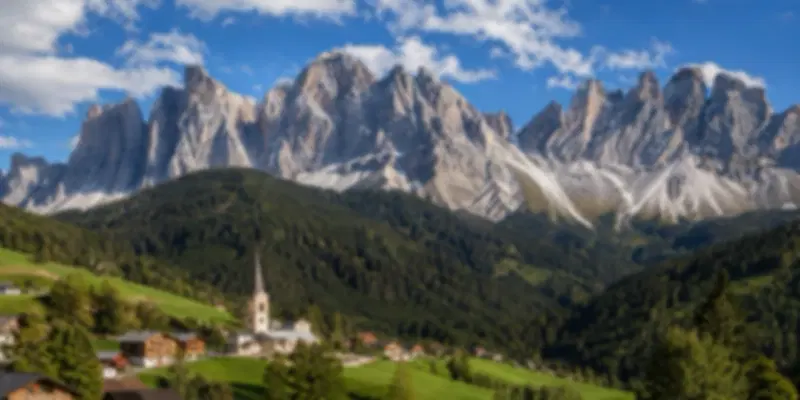
The best mountain towns in Italy offer more than access to peaks. Some are famous for skiing and cable cars, while others combine mountain scenery with historic streets, local food, and traditional culture. Here are some of the best places in Italy to consider as a base for exploring Italy’s mountains.
- Courmayeur, Aosta Valley: One of the best bases for exploring Mont Blanc and the Italian Alps. The town offers easy access to the Skyway Monte Bianco, which climbs from Courmayeur to Punta Helbronner at 3,466 metres. It is also a popular base for hiking, skiing, and other alpine activities.
- Cortina d’Ampezzo, Veneto: One of the most famous resorts in Italy, surrounded by dramatic limestone peaks and popular for skiing, hiking, and scenic drives.
- Ortisei, South Tyrol: This beautiful town is known for its easy access to the Seceda ridgeline and surrounding Dolomite trails. The town also offers a strong Ladin cultural identity, making it a good choice for travellers who want mountain scenery alongside local traditions.
- Breuil-Cervinia, Aosta Valley: Located beneath Monte Cervino (the Matterhorn), Cervinia is one of Italy’s best-known alpine resorts. It is especially popular for skiing and other adventure spots in Italy.
- Norcia and Castelluccio, Umbria: Beyond Italy’s famous Alpine resorts, Norcia and Castelluccio are ideal for travellers looking for offbeat places in Italy. Norcia is known for its local food and historic centre, while Castelluccio is famous for the colourful wildflower displays.
Travel Tip: Dreaming of spending a night in one of these beautiful mountain towns? You can customise your holiday with Pickyourtrail’s Italy tour packages and add overnight stays to your itinerary.
Tips for Visiting the Mountains in Italy
- Summer (June–September) is regarded as the best time to visit Italy. This season also offers the best conditions for hiking across both the Alps and Apennines; snow can linger on high passes into early June in the Dolomites and Alps.
- Winter (December–March) is ski season across the Alps and Dolomites, with Cortina d’Ampezzo, Courmayeur, and the Val Gardena resorts around Ortisei among the most established.
- The Apennines around central Italy are convenient from Rome, while the Dolomites can be reached from cities such as Venice and Verona. Cable cars and gondolas provide non-hikers access to dramatic viewpoints throughout the Dolomites through the Skyway Monte Bianco and the Seceda cable car.
- Etna and Vesuvius both require a certified guide for access to the upper crater areas, and Etna’s accessible zones can change with little notice depending on current volcanic activity. So, always check official status before planning a summit visit.
Which Mountain Destination in Italy Should You Choose?
The mountains in Italy offer far more than high peaks and hiking trails. From the dramatic cliffs of the Dolomites and the glaciers of the Alps to the rugged Apennines and volcanic landscapes of Sicily, each region offers a different way to experience the Italian mountains. For spectacular scenery and easy access to mountain experiences, the Dolomites are a great choice. If you want towering Alpine peaks, skiing, or high-altitude adventures, the Aosta Valley and areas around Mont Blanc and Gran Paradiso are worth considering. So, the best mountain destination in Italy ultimately depends on what you want from your trip.
FAQs
Monte Bianco (Mont Blanc), at 4,808 meters, is generally cited as Italy’s highest peak, though its summit sits directly on the disputed border with France. The highest peak located entirely within Italian territory is Gran Paradiso, at 4,061 meters.
There is no single official count, but roughly 35% of Italy’s land area is classified as mountainous, spread across the Alps in the north and the nearly 1,200-km-long Apennine range running the length of the peninsula.
Mount Etna in Sicily is Europe’s tallest and most active volcano, standing at roughly 3,350–3,400 meters and UNESCO-listed since 2013. Mount Vesuvius near Naples is the most historically significant, having destroyed Pompeii in 79 AD.
Yes. The Monti Simbruini (“Rome’s Alps”) are about an hour from the city, and Monte Terminillo, roughly 90 minutes away, functions as Rome’s closest ski resort despite technically belonging to Rieti.
Seceda is a dramatic ridgeline peak above Ortisei in South Tyrol, reachable by a roughly 15-minute cable car ride, and one of the most photographed viewpoints in the entire Dolomites range.
The Dolomites, Mont Blanc, Gran Paradiso, Gran Sasso and Mount Etna are among the best mountains to visit in Italy. The Dolomites are ideal for dramatic scenery and hiking, while the Alps offer skiing and high-altitude adventures. Gran Sasso is a great choice for exploring the Apennines, and Mount Etna offers a unique volcanic landscape.
The two main mountain ranges in Italy are the Alps and the Apennines. The Alps dominate northern Italy along the borders with France, Switzerland, Austria and Slovenia, while the Apennines run along much of the Italian Peninsula from north to south.
Yes. The Dolomites are part of the Italian Alps and are located mainly in northeastern Italy. They are famous for their pale limestone peaks, dramatic cliffs and distinctive sunset colours known as enrosadira. The Dolomites are also a UNESCO World Heritage Site.
The Dolomites, Gran Paradiso and Apennines are among the best areas for hiking in Italy. Popular options include the High Routes of the Dolomites and trails around Gran Paradiso National Park. Italy also has hiking routes ranging from accessible walks to demanding multi-day treks.
The Italian Alps and Dolomites are the country’s main skiing destinations. Popular bases include Cortina d’Ampezzo, Courmayeur and Val Gardena, where travellers can find established ski areas, mountain resorts and winter activities.
Several mountain areas are accessible on relatively short trips from Italy’s major cities. The Apennines around central Italy are convenient from Rome, while the Dolomites can be reached from cities such as Venice and Verona. The exact travel time depends on the destination and transport chosen.
Yes. Italy has several active volcanoes, including Mount Etna, Stromboli and Mount Vesuvius. Mount Etna in Sicily is particularly well known for its frequent volcanic activity and is a major destination for volcano tours and hiking.
The Dolomites are one of the best choices for first-time visitors who want dramatic scenery, hiking, cable cars and mountain towns in one trip. For a more traditional high-Alpine experience, the Aosta Valley around Mont Blanc and Gran Paradiso is another excellent option.

Recommended articles for you










Discover Packages














Europe City Packages
Packages By Departure City
Packages By Theme
Europe Combo Packages
Europe Nearby Destinations

Need help in planning?
Talk to our Travel Experts