
Snorkelling in Sri Lanka: Best Spots, Cost, Seasons & Safety
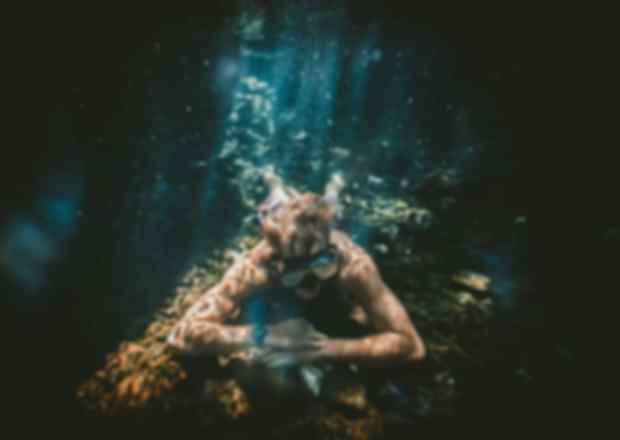
Not sure where to experience snorkelling in Sri Lanka without spending a day at the wrong beach? Some spots are great for turtles, while others are better for reefs and sharks, so the right choice depends on what you want to see and how you want to snorkel. Hikkaduwa and Polhena offer easy shore access, while Pigeon Island takes you further out for a richer reef experience. If you’re planning to book a Sri Lanka tour package, snorkelling is an easy activity to add alongside beaches, wildlife and cultural sights. This guide covers the top spots, costs, beginner-friendly options, safety tips and what to know before getting in the water.
Key Takeaways
- Sri Lanka has two snorkelling seasons. The south and west coasts are best from November to April, while the east coast is better from April or May to October.
- Pigeon Island is the top spot for reef life. You can see blacktip reef sharks, turtles and healthier coral here. It is also one of the more expensive options, with the park fee alone around LKR 13,000 (≈₹3,800) for a foreign adult.
- Hikkaduwa and Polhena are good for turtles on a budget. Both offer easy shore access, so you don’t always need a boat trip.
- You cannot legally swim or snorkel with whales in Sri Lanka. Some operators still advertise it but choose a licensed whale-watching trip instead.
- Kirinda’s Basses reefs and the Colombo and Galle wrecks are scuba sites, not places for a typical snorkel.
Best Time for Snorkelling in Sri Lanka: Coast-by-Coast Guide
Sri Lanka has no single best month for snorkelling. The southwest monsoon (roughly May to September) roughs up the south and west coasts, and the northeast monsoon (roughly October to January) does the same to the east. That’s why the two coasts have opposite seasons.
| Month | Best place to snorkel | What to expect |
| November–December | South and west coast, including Hikkaduwa, Polhena and Mirissa | The season is starting, and visibility is improving. The east coast is affected by the northeast monsoon. |
| January–March | South and west coast | These are the dry, calm months for snorkelling in Hikkaduwa, Polhena and Mirissa. It is best to skip the east coast. |
| April | Either coast — shoulder month | The south coast season is winding down, while trips to Pigeon Island start operating. Check the weather forecast before booking. |
| May–September | East coast, including Pigeon Island, Nilaveli and Pasikudah | The east coast has its calmest seas, with peak conditions usually between June and August. The south coast is rough. |
| October | East coast, with some weather risk | The northeast monsoon usually arrives in late October or November, so keep your travel dates flexible. |
Pro Tip: Mornings are usually calmer and clearer on both coasts. Book early slots, especially at Pigeon Island.
Best Snorkelling Spots in Sri Lanka: Where to Go
Sri Lanka has snorkelling spots for different kinds of travellers, from easy shore swims to boat trips over larger reefs. Here are the places worth considering, depending on the marine life, water conditions and experience you want.
- Pigeon Island National Park (Nilaveli, Trincomalee): Best for reef life

Pigeon Island is a marine national park made up of two small islands about 1 km from Nilaveli Beach. It is the standout spot for seeing reef sharks and turtles. On calm days, visibility can reach more than 15 metres. The reef is still recovering from the 2004 tsunami, so expect healthy coral patches rather than untouched reefs.
- Best season: April or May to October, with June to August being the peak months.
- Getting there: Take a licensed boat from Nilaveli, which takes about 10–20 minutes. You can also leave from Uppuveli. Swimming from shore is not possible.
- Cost: Park entry is around LKR 13,000 (≈₹3,800) per foreign adult. Boats cost about LKR 2,000–10,000 (≈₹580–2,900) per boat, with gear around LKR 600 (≈₹175).
- Best for: Reef sharks, turtles and better coral.
- Know Before You Go: There are no shops, toilets or accommodation on the island. Stay within marked areas and never stand on the coral. Ask your boatman which side has calmer water. Book a day or two ahead in June to August and choose an early boat.
- Hikkaduwa National Park: Best for shore snorkelling
Hikkaduwa is one of the easiest places to snorkel in Sri Lanka. You can walk straight in from the beach and swim towards the reef. Green turtles are often seen near the shore, especially early in the morning. The coral has some damage and visibility can change, so come mainly for the turtles and easy access.
- Best season: November or December to April.
- Getting there: Walk in from the beach. No boat is needed.
- Cost: No entry fee. Gear rental costs around LKR 300–600 (≈₹85–175) per day.
- Best for: Turtles and first-time snorkellers.
- Know Before You Go: Stay away from glass-bottom boat lanes for clearer water. Never chase, touch or grab turtles for photos.
- Polhena Reef, Matara: Best for beginners
Polhena is a reef-protected lagoon near Matara with shallow, calm water. Turtles feed around the seagrass, making it a good choice if you are new to snorkelling or not very confident in the water.
- Best season: November to April.
- Getting there: Walk into the lagoon or join a small guided boat trip.
- Cost: Entry is free. Guided boat trips cost about LKR 1,000–1,500 (≈₹290–440).
- Best for: Beginners, nervous swimmers and turtle sightings.
- Know Before You Go: Visit early, especially on weekends when the lagoon gets busy. A guide can also help you get comfortable in the water.
- Mirissa and Weligama: Best for turtle trips
Mirissa is famous for whale watching, but it also has boat trips focused on turtle sightings. The ride from the harbour usually takes around 15–20 minutes. The coral is average, so choose Mirissa mainly if seeing turtles is your priority.
- Best season: November to April.
- Getting there: Take a boat from Mirissa harbour.
- Cost: Local half-day trips start at around LKR 1,500 (≈₹440). Booking-platform tours start from about LKR 5,300 (≈₹1,500).
- Best for: Turtle encounters.
- Know Before You Go: Check what your booking includes before paying. Weligama also has snorkelling options, but what is available can vary between operators. Avoid any tour advertising swimming with whales.
- Pasikudah: Best for shallow water
Pasikudah has a very shallow bay where you can walk a long way into the water. It is more about calm conditions and building confidence than colourful coral, making it useful for families and first-timers.
- Best season: May to September.
- Getting there: Walk in from the beach.
- Cost: No entry fee. Gear and boat charges vary.
- Best for: Kids, families and first-timers.
- Know Before You Go: Pair it with a morning at Pigeon Island if you want a stronger reef experience. Carry water and sun protection, as it can get hot.
- Bar Reef, Kalpitiya: Best for a bigger reef
Bar Reef sits off Kalpitiya on Sri Lanka’s north-west coast. It is the island’s largest coral reef, measuring roughly 3 nautical miles long and 1 nautical mile wide. Trips are also often combined with dolphin watching.
- Best season: November to April.
- Getting there: Boat trips leave from Kalpitiya. Travel time varies by operator and can range from a short ride to about an hour.
- Cost: Prices are set by operators, so ask for a quote in LKR before booking.
- Best for: Confident swimmers and travellers who want a larger reef.
- Know Before You Go: The area is remote and the sea can be rough. Check conditions before heading out and use a reliable operator.
- Unawatuna and Bentota: Best for a casual snorkel
Unawatuna’s Rock Island and Bentota’s Canoe Rock, South Reef and Hundirangala are often mentioned as snorkelling spots. The underwater experience can be modest, with reports of silty water and sea urchins. They work better as beach stops with a short snorkel.
- Best season: November to April.
- Getting there: Some spots are accessible from the beach, while others need a boat or snorkel station.
- Cost: Beaches have no entry fee. Gear rental costs vary by location.
- Best for: A quick snorkel during a beach day.
- Know Before You Go: For a stronger snorkelling experience, choose Hikkaduwa, Polhena or Pigeon Island instead.
Dive Sites in Sri Lanka That Are Not Snorkelling Spots
Some popular lists include these places as snorkelling spots, but they are better suited to diving. Here’s what you should know before adding them to your plans.
- Kirinda (Great Basses and Little Basses): Open-sea reef dive sites reached through dive operators from Hikkaduwa or Mirissa.
- Colombo and Galle wrecks (such as Taprobane East and the SS Rangoon): These are dive sites, and the Rangoon lies at depth.
- British Sergeant wreck (Passikudah): A dive site.
- Negombo and Koggala: We couldn’t find credible snorkelling information for either, so don’t plan a trip around them.
How Much Does Snorkelling in Sri Lanka Cost?
Shore snorkelling can be free or very affordable, while Pigeon Island costs more. Your total snorkelling cost in Sri Lanka depends on the spot, transport, boat trips and gear. The prices below are indicative, so check what is included before booking.
| Experience | Indicative cost (LKR) | Approx. cost (₹) | Notes |
| Shore snorkelling at Hikkaduwa | Gear rental: about LKR 300–600 per day | Approximately ₹85–175 | No entry fee. Bring your own mask if possible. |
| Polhena Lagoon guided boat trip | About LKR 1,000–1,500 | Approximately ₹290–440 | A guided trip can be worthwhile for your first session. |
| Hikkaduwa glass-bottom boat (not snorkelling) | LKR 2,200–4,500 | Approximately ₹640–1,300 | Many travellers consider snorkelling better value. |
| Mirissa turtle snorkel — local half-day trip | From about LKR 1,500 | From approximately ₹440 | Check what is included before booking. |
| Mirissa turtle snorkel — booking-platform tour | From about LKR 5,300 | From approximately ₹1,500 | Usually includes equipment and transfers. |
| Pigeon Island park pass — foreign adult | About LKR 13,000 | Approximately ₹3,800 | One 2026 report states that children aged 6–11 are also charged. |
| Pigeon Island boat | About LKR 2,000–10,000 per boat | Approximately ₹580–2,900 per boat | Prices vary considerably by operator and group size. |
| Pigeon Island gear rental | About LKR 600 | Approximately ₹175 | Bring your own mask if possible. |
| Pigeon Island all-inclusive reported trip | About LKR 20,000–23,000 per person | Approximately ₹5,800–6,700 | Traveller reports include the park pass, boat, gear and guide. |
| Your own snorkelling mask | About LKR 6,500–13,000 | Approximately ₹1,900–3,800 | A one-off purchase that may be worthwhile for multiple snorkelling trips. |
Pro Tip: Before paying, ask what’s included: park fee, boat, gear, guide, transfers. Confirm the park fee at the ticket counter or with your operator, as quotes vary between sources. For other activities to pair with your snorkelling, see our guide on water sports in Sri Lanka.
Best Snorkelling in Sri Lanka for Beginners, Kids and Non-Swimmers
- Best beginner sites: Polhena lagoon, Pasikudah, Hikkaduwa near shore, and Pigeon Island’s calmer side with a guide.
- Flotation vests: They are widely rented at tourist beaches, and life jackets are reportedly provided on Pigeon Island boats. Ask before you set off.
- Kids: Keep sessions short, go in the early morning, and stay within arm’s reach. Budget for their park fee at Pigeon Island.
- Non-swimmers: Stick to guided trips in shallow water with a flotation vest. Avoid unguided open-water snorkelling.
What to Bring for Snorkelling in Sri Lanka

- Your own mask. Rental masks vary in fit and quality. A good one costs roughly LKR 6,500–13,000 (≈₹1,900–3,800).
- A snorkel with a splash guard.
- Fins (optional). Useful at Pigeon Island’s outer reef, where there’s current.
- A rash guard. Water is around 28–30°C, so it’s for sun and reef protection, not warmth.
- Reef shoes for rocky entries at places like Polhena.
- Reef-safe sunscreen.
- A prescription snorkel mask if you wear glasses. Regular glasses don’t fit inside a mask, and contact lenses can wash out if water gets in.
- A dry bag or waterproof pouch for phone and cash. Some operators want cash in LKR.
Full trip checklist: what to pack for Sri Lanka.
Snorkelling Safety Tips and Reef Rules in Sri Lanka
- Never snorkel alone. Go with a partner or guide, even if you’re experienced.
- Check the sea first. Watch waves for a few minutes, note your exit points, and skip the water if it’s rough.
- Watch for currents near gaps in reef barriers.
- Mind sea urchins and sharp coral. Reef cuts are common at Pigeon Island and rocky entries.
- Never stand on or touch coral.
- Don’t feed or chase turtles or fish.
- Blacktip reef sharks are common at Pigeon Island and are generally not aggressive to snorkellers. Keep your distance and follow your guide.
- Stay out of protected zones marked at Pigeon Island.
Final Thoughts: Is Snorkelling in Sri Lanka Worth Adding to Your Trip?
Snorkelling in Sri Lanka is easy to fit into a beach holiday, whether you want turtles close to shore or a reef adventure at Pigeon Island. Choose your spot based on the experience you want, your swimming comfort and the sea conditions. Check prices and inclusions before booking, especially for boat trips. Now pick the coast that suits your trip, choose your snorkelling spots and add them to your Sri Lanka itinerary.
FAQs
1. Are there coral reefs in Sri Lanka?
Yes, Sri Lanka has coral reefs, including Bar Reef and the reef around Pigeon Island. Coral health varies by location, so some sites offer better reef views than others.
2. Is snorkelling in Sri Lanka better than scuba diving?
Snorkelling is ideal for seeing marine life close to the surface without special diving training. Scuba diving is better for deeper reefs and wrecks that cannot be explored by snorkellers.
3. Can you snorkel in Hikkaduwa without a boat?
Yes, you can snorkel in Hikkaduwa without a boat. The beach gives you direct access to the water, making it one of the easiest places for a shore snorkel.
4. How much does it cost to snorkel in Sri Lanka?
The cost depends on the location and whether you need a boat or equipment. Shore snorkelling can be free apart from gear rental, while Pigeon Island costs more because of the park fee, boat and gear.
5. Can non-swimmers snorkel in Sri Lanka?
Non-swimmers can try snorkelling in Sri Lanka in shallow, calm water with a flotation vest and close supervision. A guided session is a safer choice than entering open water alone.
6. Can children go snorkelling in Sri Lanka?
Yes, children can snorkel at calm, shallow sites with close adult supervision. Keep the session short, choose suitable sea conditions and check age or entry requirements before booking.
7. Can you rent snorkelling gear in Sri Lanka?
Yes, snorkelling gear is available at several beaches and through local operators. If you have your own mask, bringing it can be useful because rental fit and quality can vary.
8. Can you snorkel with whales in Sri Lanka?
No, swimming, diving or snorkelling with whales is prohibited by law in Sri Lanka. Avoid operators advertising these experiences and choose a licensed whale-watching trip instead.
9. Are there sharks at Sri Lanka’s snorkelling spots?
Yes, blacktip reef sharks are commonly seen around Pigeon Island. They are generally not aggressive to snorkellers, but you should keep your distance and follow your guide’s instructions.
10. Can you snorkel in Sri Lanka without booking a tour?
Yes, some places such as Hikkaduwa and Polhena can be accessed directly from the shore. Boat-based sites such as Pigeon Island and Bar Reef require transport on the water, so check arrangements before you go.

Recommended articles for you








Discover Packages


















Sri lanka City Packages
Packages By Departure City
Packages By Theme

Need help in planning?
Talk to our Travel Experts