
20 Surprising Facts About the Maldives Most Travellers Don’t Know
The 20 surprising facts about the Maldives reveal a side of this island nation that goes far beyond luxury resorts and overwater villas. Located in the Indian Ocean, the Maldives is a place of surprising geography, ancient trade history, deep-rooted Islamic culture, and fragile natural ecosystems. From being the world’s lowest-lying country to running entire islands on solar power, these facts uncover how life truly works here. Whether you are planning a trip or simply curious, these lesser-known truths will change how you see the Maldives. Now, let’s dig into the facts that even experienced travellers usually overlook.
Geography & Nature: How the Maldives Exists Against the Odds
- The Maldives Is the Lowest Country on Earth
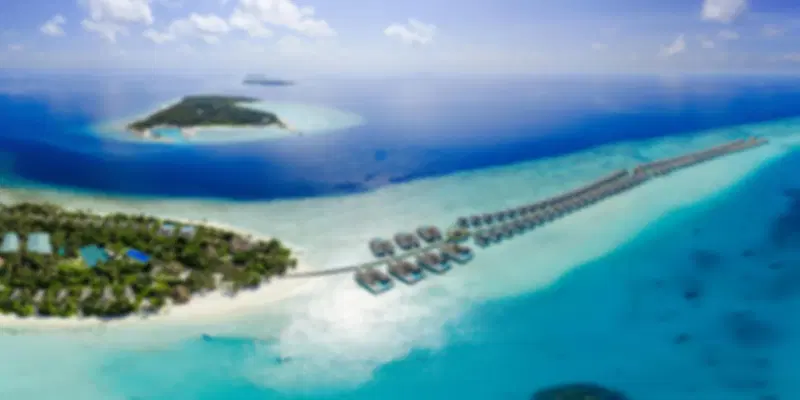
The Maldives sits just 1.5 metres above sea level on average, making it the world’s lowest-lying nation. This extreme geography places the country on the frontline of climate change, where rising seas are not a future threat but a daily reality.
- The Maldives Is Built on Coral, Not Solid Rock
Unlike most countries, the Maldives is not built on solid rock or continental landmass. All its islands are constituted solely of coral reefs, and this is why they are very delicate as well as surreal. This coral base is the reason why the colour of the lagoons changes drastically between pale turquoise and hard sapphire in a few steps.
- Over 1,200 Islands Spread Across 26 Natural Atolls
With over 1,200 tiny islands belonging to 26 atolls in Maldives which are spread throughout the Indian Ocean. However, only about 200 islands are inhabited by local populations, and the rest of the islands include private resorts or are not being used at all.
- The Maldives Has No Rivers, Lakes, or Mountains
The Maldives does not have rivers, lakes, or highlands. The primary sources of freshwater are rainwater harvesting and desalination stations, so the conservation of water is one of the important aspects of everyday life.
- Coral Reefs Act as Natural Shields Against the Ocean
The surrounding coral reefs have not merely been picturesque, but they are also the key to survival. These reefs absorb the wave energy, stop erosion and protect the islands against the storms. Without healthy reefs, low-lying islands face long-term erosion and land loss.
- The Sea of Stars Maldives Is a Real Natural Phenomenon
During particular times of the night, the bioluminescent planktons illuminate the coastline, giving it the marvellous Sea of Stars Maldives look. This is most commonly observed in Vaadhoo Island as the waves in the sea appear shiny blue after the sun goes down.
- Sandbanks Constantly Shift Across the Maldives
Some sandbanks appear and vanish with tides and seasons, lasting only a few months. Sandbank tours in Maldives enable the tourist to walk on temporary white sand islands that are encircled by the open ocean, frequently in conjunction with snorkelling, picnic lunches and once-in-a-lifetime photo opportunities.
Religion & Culture: Traditions That Shape Daily Life in the Maldives
- The Maldives is a 100% Muslim Nation
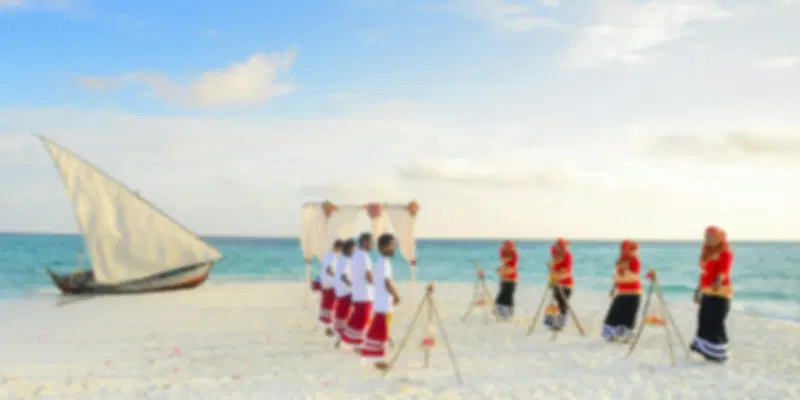
Islam influences all aspects of the Maldivian way of life, law, government, everyday life and religious practices as well as the national holidays.
- Alcohol Is Restricted by Law in the Maldives
In the Maldives, alcohol can only be consumed on the local islands of the resorts that are privately owned. It is not at all permitted within the Maldives local islands, which is one of the most important regulations that should be followed.
- Friday and Saturday Form the Weekend in the Maldives
In the Maldives, the weekend falls on Friday and Saturday. This schedule reflects Islamic tradition, where Friday is the most important day of the week for communal prayers (Jumu’ah) and religious observance. Government offices, banks, and many local businesses close or operate for shorter hours on Fridays, especially around midday prayer time.
- Modest Dress Is Expected on Local Islands
While resort islands permit swimwear, modest clothing is expected on local islands, with bikinis restricted to designated bikini beaches. Respecting local dress norms is viewed positively by island communities and often leads to warmer interactions with residents.
- Dhivehi Is a Distinct Island Language
Dhivehi is the national language of the Maldives and is spoken across local islands in everyday life. It has a mix of Arabic, Sinhalese and Tamil, resulting in centuries of trade connections between the Maldives, South Asia, and the Middle East.
Local Lifestyle & Society: Life Beyond the Resorts
- One of the World’s Densest Capital Cities
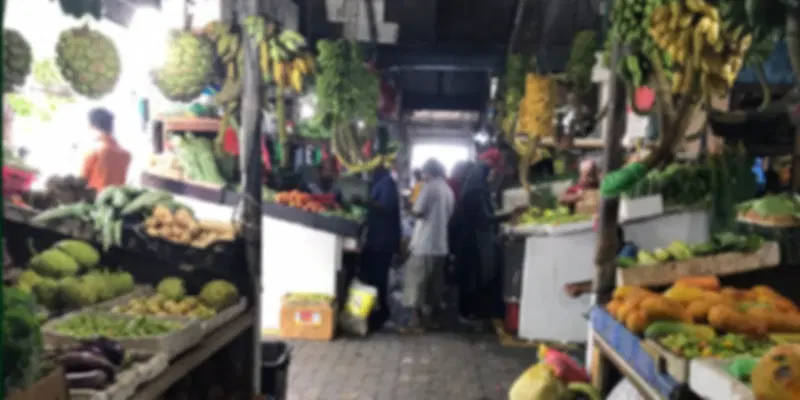
The capital, Malé, is among the most densely populated cities on Earth, offering a striking contrast to the wide-open spaces of resort islands.
- Tuna Fishing Is Central to Maldivian Identity
Pole-and-line tuna fishing is not just an industry but a cultural symbol, shaping local cuisine, livelihoods, and exports.
- Plastic Waste Is a Growing Environmental Challenge
Limited land and rising tourism make waste management difficult, pushing the country to invest in recycling, waste islands, and sustainability initiatives.
- Local Islands Welcome Budget Travellers
Guesthouses on local islands offer affordable alternatives to luxury stays, letting travellers experience real island life and authentic Maldives attractions.
Tourism & Modern Realities: How the Maldives Survives
- One Island, One Resort: Is a National Tourism Policy
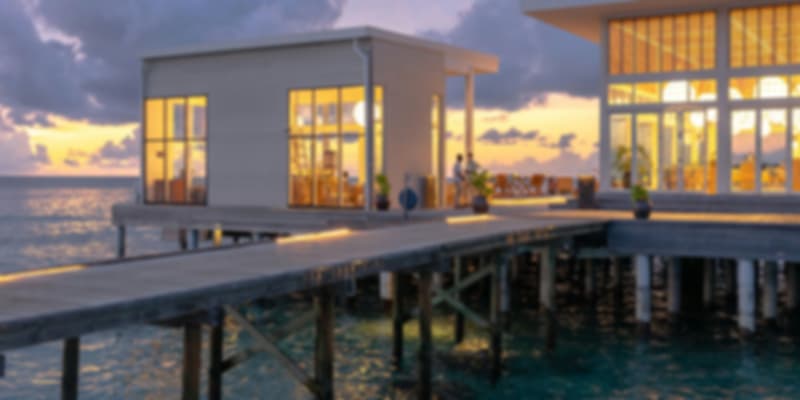
Many resorts in the Maldives occupy entire islands, ensuring privacy, controlled development, and reduced pressure on local communities, following the one island, one resort concept.
- Seaplanes Are a Primary Mode of Transport
With no inter-island roads, speedboats and seaplanes act as taxis, connecting distant atolls across vast stretches of ocean.
- Underwater Restaurants and Water Villas Really Exist
Luxury water villas are paired with some of the best underwater restaurants in Maldives, where guests dine surrounded by vibrant coral reefs and a diverse array of marine life.
- Tourism Supports the Maldives’ National Survival
Maldives Tourism taxes directly fund healthcare, education, infrastructure, and climate-adaptation projects, making every visit a contribution to the Maldives’ long-term future.
Conclusion: Seeing the Maldives Beyond Resorts and Water Villas
Knowing these 20 Surprising Facts About the Maldives helps visitors travel more responsibly. Dress code being observed on local islands, the use of environmentally friendly resorts and eco-friendly practices, and also knowing of the many cultural traditions will help in conserving this delicate paradise. Beneath the clear waters and luxury villas lies a nation balancing beauty, culture, and survival. By travelling thoughtfully, visitors can enjoy the Maldives while helping preserve it for generations to come. Plan your next trip with Pickyourtrail by exploring top Maldives tour packages for a hassle-free travel experience.
Frequently Asked Questions (FAQs)
Is the Maldives only for luxury travellers?
No. Local islands now offer affordable guesthouses and experiences.
Is the Maldives safe to visit?
Yes, the Maldives consistently ranks as a safe destination for international travellers.
What is the best time to visit the Maldives?
November to April offers the best weather with less rainfall.
How can travellers help protect the Maldives?
Choose eco-resorts, reduce plastic use, and respect marine life.
Can tourists visit local islands safely?
Yes, local islands are safe when cultural rules are respected.
Is climate change a real threat to the Maldives?
Yes. Rising sea levels pose a serious long-term risk.
Is the Sea of Stars Maldives real?
Yes. The Sea of Stars, Maldives, is a natural phenomenon caused by bioluminescent plankton that glow blue when disturbed at night. It is most commonly seen on Vaadhoo Island and during warmer months with calm seas.
Why are sandbanks important in the Maldives?
Sandbanks help protect reefs and islands, and today they are also popular tourist spots through sandbank tours that offer snorkelling, picnics, and private island-style experiences.
Why are coral reefs vital to the Maldives?
Coral reefs act as natural sea walls, protecting islands from waves, erosion, and storms. Without healthy reefs, many Maldivian islands would slowly disappear into the ocean.
Is alcohol allowed in the Maldives?
Alcohol is legal only on private resort islands. It is prohibited on local islands due to Islamic law, and visitors are expected to respect this regulation.
Are water villas in the Maldives environmentally safe?
Modern water villas in the Maldives are designed with strict environmental guidelines, including controlled waste systems and reef-safe construction, though sustainability varies by resort.
How do people travel between islands?
There are no roads between islands. Transport relies on speedboats, ferries, and seaplanes, which function like taxis across the atolls.
Recommended articles for you

Discover Packages



Packages By Departure City
Packages By Theme

Need help in planning?
Talk to our Travel Experts