
Wine Regions in Italy: A Complete Guide for Every Traveller
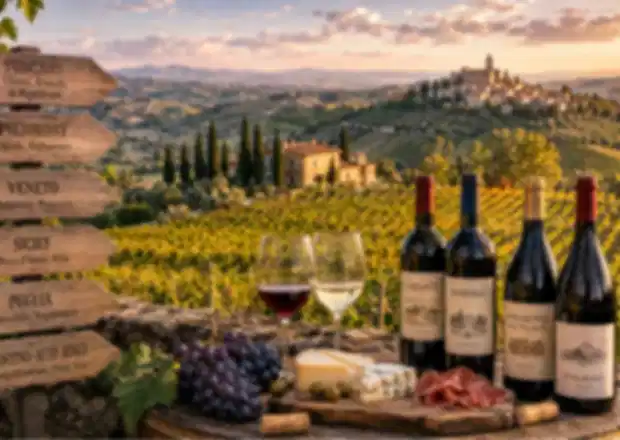
If you want to explore the best wine regions in Italy, you are in for an incredible culinary journey. Italy is a paradise for wine lovers, home to hundreds of local grape varieties and stunning vineyards. From the foggy hills of the north to the sun-drenched islands of the south, every region tells a story through its flavours.
Navigating Italian wine regions can feel overwhelming because the country has over 500 distinct native grape varieties and dozens of unique wine zones. Whether you love crisp whites, rich reds, or refreshing sparkling wines, there is something for every taste bud. This guide breaks down the major wine regions of Italy, what makes each one different, and how to plan a trip around them. If you’re building an Italy tour package, treat this as your shortlist.
What Are the Main Wine Regions in Italy?
The main wine regions in Italy include:
- Tuscany: Chianti, Brunello di Montalcino, and Bolgheri
- Piedmont: Barolo and Barbaresco
- Veneto: Prosecco and Amarone
- Trentino-Alto Adige: Alpine white wines
- Sicily: Etna wines and Nero d’Avola
These regions are among the most popular for wine tours in Italy. Each offers different wines, landscapes, and tasting experiences.
Understanding Italian Wine Labels
Reading an Italian wine label can feel like decoding a secret language because Italy organizes its wines by region and strict quality laws rather than just grape variety.
The 4 Quality Levels to Look For
- DOCG (Denominazione di Origine Controllata e Garantita): The highest quality tier with the strictest production laws.
- DOC (Denominazione di Origine Controllata): High-quality regional wines that follow specific traditional rules.
- IGT (Indicazione Geografica Tipica): Flexible regional wines, often featuring non-native grapes like Cabernet Sauvignon.
- Vino da Tavola (Table Wine): Basic everyday wines showing only the color and the producer.
Major Wine Regions of Italy at a Glance
| Region | Location | Signature Wines | Best For |
| Tuscany | Central Italy | Chianti, Brunello di Montalcino, Bolgheri | First-time wine tourists, scenery |
| Piedmont | Northwest Italy | Barolo, Barbaresco, Moscato d’Asti | Serious wine drinkers, truffle season |
| Veneto | Northeast Italy | Prosecco, Amarone, Soave | Prosecco tastings, easy day trips from Venice |
| Trentino-Alto Adige | Far north (Alps) | Pinot Grigio, Gewürztraminer | Mountain views with your wine |
| Friuli-Venezia Giulia | Northeast border | Friulano, orange wines | Lesser-known, uncrowded tastings |
| Sicily | South (island) | Etna Rosso, Nero d’Avola | Volcanic soil wines, warm weather |
| Campania | South (near Naples) | Aglianico, Falanghina | Pairing wine with the Amalfi Coast |
| Umbria | Central Italy | Sagrantino di Montefalco | Quiet countryside, fewer tourists |
| Puglia | Southeast (heel of Italy) | Primitivo, Negroamaro | Budget-friendly wine holidays |
| Lombardy | North | Franciacorta (sparkling) | Italy’s answer to Champagne |
Popular Wine Regions In Italy
Chianti: Italy’s Best-Known Wine Region
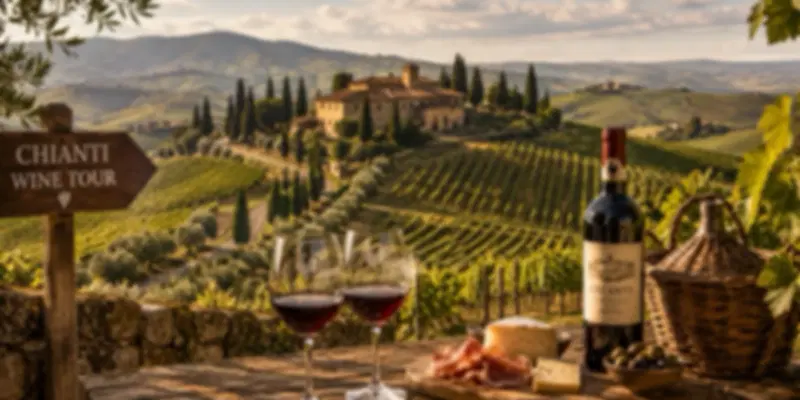
Chianti is one of the popular wine regions in Italy
The Chianti wine region in Italy is a world-famous wine-producing region and a dry red wine nestled in the rolling hills of Tuscany. Spanning the sun-drenched landscape between Florence and Siena, rather than a single estate, this vast landscape features distinct sub-zones, led by the prestigious Chianti Classico. Its accessible, budget-friendly private vineyard tastings make it a staple for Italy honeymoon packages, offering scenic rolling hills and historic stone towns.
The most respected of these is Chianti Classico, marked by a black rooster symbol on the bottle. At its core, Chianti is a blend made primarily from the Sangiovese grape, a thin-skinned, late-ripening variety native to Italy.
- Top Wines: Chianti Classico, Chianti, Vin Santo
- Experiences: Vineyard tours, wine tastings, local food pairings, countryside drives
- Ideal Duration: 1–2 days
- Average Wine Price: €15–€50 (₹1,500–₹5,000) per bottle
- How to Reach: Drive from Florence or take a guided wine tour from Florence or Siena
Piedmont: Best Wine Region in Italy for Serious Tasters
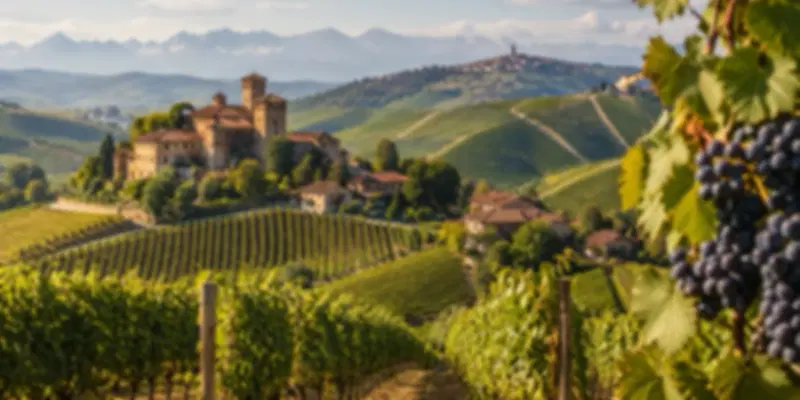
Piedmont is one of the most popular wine regions in Italy
If Chianti is the postcard, Piedmont is one of the most popular wine regions in Italy. Located in the northwestern corner of Italy, right at the foot of the Alps, Piedmont (Piemonte) is legendary among wine collectors. This thin-skinned red grape creates wines that are deeply complex, highly tannic, and built to age for decades.
Nebbiolo wines are famous for their unique aromatic profile, often described as a mix of “tar and roses”. Piedmont works well as an add-on for travellers who’ve already done Rome, Florence, and Venice and want something less obvious on a repeat trip.
- Top Wines: Barolo, Barbaresco, Barbera, Moscato d’Asti
- Experiences: Winery tours, Barolo tastings, truffle hunts, food and wine pairings
- Ideal Duration: 2–3 days
- Average Wine Price: €20–€100+ (₹2,000–₹10,000+) per bottle
- How to Reach: Travel by train or car from Turin. Alba is a good base for exploring the vineyards.
Tuscany: The Heart of Italian Tradition
Tuscany (Toscana) is arguably the most famous wine region in Italy. Its sun-kissed hills, lined with cypress trees and historic stone villas, produce some of the most widely recognised red wines on earth.
Sangiovese is the backbone of Tuscan winemaking. It is a savoury grape that tastes of red cherries, roasted tomatoes, wild herbs, and earthy clay. Additionally, it has high acidity and firm tannins, making it one of the absolute best food-pairing grapes in the world.
- Top Wines: Chianti, Brunello di Montalcino, Vino Nobile di Montepulciano, Bolgheri
- Experiences: Vineyard tours, wine tastings, food pairings, countryside stays
- Ideal Duration: 2–4 days
- Average Wine Price: €15–€100+ (₹1,500–₹10,000+) per bottle
- How to Reach: Florence and Siena are convenient bases. Renting a car is useful for visiting smaller wineries.
Northern Italy Wine Regions: The Cooler, Alpine Side
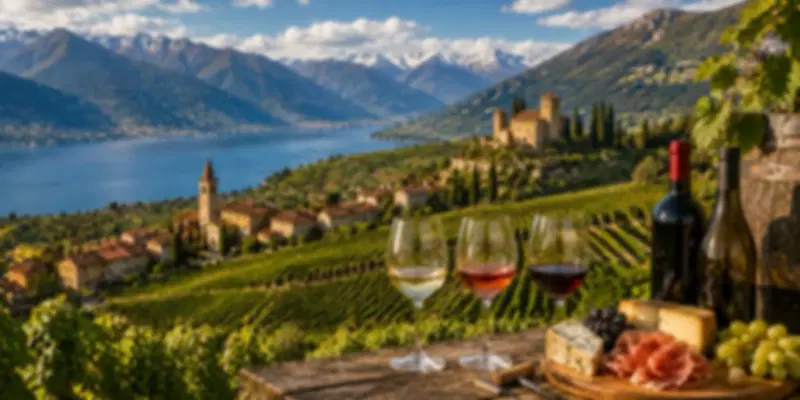
Exploer the beauty of Northern Italy wine regions
Northern Italy wine regions are ideal for travellers who want to combine wine tasting with beautiful landscapes, local food, and historic towns. From Piedmont’s famous reds to Veneto’s Prosecco, each region has a distinct wine culture.
- Veneto: Italy’s largest wine-producing region by volume, famous for bold Amarone della Valpolicella, refreshing Prosecco, and crisp, Garganega-based Soave.
- Trentino-Alto Adige: A bilingual alpine area producing mineral-driven white wines like Pinot Grigio, Gewürztraminer, and light, elegant Schiava reds.
- Friuli-Venezia Giulia: Italy’s premier white wine capital, known for complex, skin-contact orange wines and world-class Friulano and Sauvignon Blanc.
- Lombardy: Renowned for Franciacorta, Italy’s prestigious traditional-method sparkling wine made from Chardonnay and Pinot Nero, mirroring Champagne methods
If your trip is centred around northern cities like Venice, Verona, or Milan, these region-of-Italy wine stops require almost no detour.
Southern Italy and the Islands: Wine on Volcanic Soil

Southern Italy
Southern Italy and the Islands produce bold, sun-drenched wines shaped by volcanic soils, coastal Mediterranean winds, and ancient native grape varieties.
- Sicily: A volcanic winemaking powerhouse famous for elegant, mineral-driven Etna Rosso (from Nerello Mascalese) and bold, fruit-forward Nero d’Avola.
- Puglia: The “heel” of Italy’s boot, renowned for producing rich, high-alcohol, and deeply dark red wines like Primitivo (the genetic twin to Zinfandel) and Negroamaro.
- Campania: Home to dramatic volcanic soils near Mount Vesuvius, producing “the Barolo of the South”, Taurasi (made from Aglianico), and crisp white Fiano di Avellino. It is close enough to combine with an Amalfi Coast stop.
- Sardinia: An isolated island paradise dominated by crisp, sea-salty Vermentino di Sardegna whites and robust, high-antioxidant Cannonau (Grenache) red wines.
- Basilicata: A rugged, mountainous region centred around an extinct volcano, famous exclusively for the structured, age-worthy Aglianico del Vulture.
How Much Will You Spend on Exploring Wine Regions in Italy?
The cost of exploring wine regions in Italy depends on the region, type of tasting, transport, and accommodation. A simple winery visit can be affordable, while private tours with drivers can cost considerably more.
| Expense | Budget | Mid-Range | Luxury |
| Wine tasting | €25–€40 (₹2,500–₹4,000) | €40–€70 (₹4,000–₹7,000) | €70–€100+ (₹7,000–₹10,000+) |
| Winery tour with food pairing | €40–€60 (₹4,000–₹6,000) | €60–€100 (₹6,000–₹10,000) | €100–€150+ (₹10,000–₹15,000+) |
| Private driver | €150–€250 (₹15,000–₹25,000) per day | €250–€400 (₹25,000–₹40,000) per day | €400–€600+ (₹40,000–₹60,000+) per day |
| Rental car | €40–€60 (₹4,000–₹6,000) per day | €60–€100 (₹6,000–₹10,000) per day | €100+ (₹10,000+) per day |
| Accommodation | €60–€100 (₹6,000–₹10,000) per night | €100–€180 (₹10,000–₹18,000) | €180–€400+ (₹18,000–₹40,000+) |
| Meals | €20–€35 (₹2,000–₹3,500) per person | €35–€70 (₹3,500–₹7,000) | €70–€150+ (₹7,000–₹15,000+) |
Estimated Daily Budget
- Budget wine trip: €100–€160 (₹10,000–₹16,000) per person
- Mid-range wine trip: €180–€300 (₹18,000–₹30,000) per person
- Luxury wine experience: €350–€600+ (₹35,000–₹60,000+) per person
Best Time to Visit Italy’s Wine Regions
The best time to visit Italy‘s wine regions depends on what you want to experience. For vineyard tours and pleasant weather, April to June and September to October are ideal. If you want to experience the grape harvest, plan your trip for September or early October.
- Autumn (September – October): Best for peak harvest atmosphere. September brings high energy as grapes are picked, while October in Italy offers cooler weather and thinning crowds. Keep in mind that winemakers are incredibly busy, so boutique estates require booking months in advance.
- Spring (May – June): Best for lush green scenery and outdoor tastings. Temperatures are warm but comfortable, wildflowers bloom between the vines, and winemakers have more free time to conduct personalised, intimate tours.
- Summer (July – August): Best for combining wine with a beach holiday, but expect intense heat waves and heavy crowds. Many family-owned wineries close completely for two weeks in mid-August for the national Ferragosto holiday.
- Winter (November – April): Best for budget travellers and hearty food. While the vineyards are dormant and bare, this is the ideal time for cosy, indoor tastings paired with winter comfort foods like truffles in Piedmont or rich ragù in Tuscany.
Essential Tips for Exploring Wine Regions in Italy
- Secure a Rental Car: Taxis are non-existent in the countryside, and rideshare apps do not operate in rural villages. Rent a compact car to easily navigate tight, winding medieval roads.
- Book Appointments Early: Renowned estates in regions like Barolo or Chianti Classico do not accept walk-ins. Email or book online 2 to 4 months ahead of your trip.
- Hire a Private Driver for Heavy Tasting Days: If everyone in your group wants to drink, hire a local driver (NCC – Noleggio Con Conducente) to avoid Italy’s strict zero-tolerance drunk driving laws.
- Understand the Tasting Fee Structure: Expect to pay €25 to €100+ per person. Unlike in North America, tasting fees are rarely waived with a bottle purchase because these tours double as educational historic experiences.
- Punctuality is Mandatory: If you are running late, call ahead. Italian winemakers often guide tours personally and coordinate their entire day around your arrival time.
- Expect Food with Your Wine: Authentic tastings almost always include local charcuterie, regional cheeses, olive oil, and bread designed to complement the specific acid and tannin profiles of the wine.
- Do Not Expect Cheap Souvenirs: Winery boutiques focus strictly on wine, olive oil, and grape-based cosmetics rather than branded t-shirts or novelty wine glasses.
Final Thoughts: Which Wine Region in Italy Should You Visit?
The best wine region in Italy depends on your travel style. Choose Tuscany for scenic vineyards and Chianti. Pick Piedmont for Barolo, Barbaresco, and truffle experiences. Choose Veneto for Prosecco and easy trips from Venice. Visit Sicily or Puglia for warm weather and affordable wine experiences. You do not need to visit many regions. Pick one or two that fit your route and budget. Tuscany is ideal for first-time visitors. Piedmont is great for serious wine lovers.
Ready to plan your wine escape? Explore customised wine tour packages and create a trip around your favourite vineyards and wines.
FAQs: Wine Regions in Italy
The main wine regions include Tuscany, Piedmont, Veneto, Trentino-Alto Adige, Sicily, Campania, Puglia, and Lombardy. Each region is known for different wines and wine experiences.
Five well-known Italian wines are Chianti, Barolo, Barbaresco, Prosecco, and Amarone. They come from different regions and offer distinct flavours.
Tuscany, Piedmont, Veneto, Sicily, and Trentino-Alto Adige are among the major wine regions. They are popular for both wine production and tourism.
Turin is a great base for exploring Piedmont’s famous wine areas. Florence and Siena are also popular starting points for Tuscany’s vineyards.
Italy has 20 administrative regions, and all 20 produce wine. Each has its own local grapes, wine styles, and wine-producing areas.
Trentino-Alto Adige and Friuli-Venezia Giulia are excellent choices for white wines. They are known for wines such as Pinot Grigio, Gewürztraminer, Friulano, and Sauvignon Blanc.
Tuscany and Piedmont are among the most famous. Tuscany is known for Chianti and Brunello di Montalcino. Piedmont is famous for Barolo and Barbaresco.
Piedmont is known for Asti wine. The region also produces Moscato d’Asti, Barolo, and Barbaresco.
Northern Italy is ideal for established wine routes, cooler-climate wines, and mountain scenery. Southern Italy is better for warmer weather, volcanic wines, and generally more affordable experiences.
Tuscany is ideal for first-time visitors. Piedmont is great for serious wine lovers. Veneto works well for Prosecco fans and travellers visiting Venice.

Recommended articles for you












Discover Packages


















Europe City Packages
Packages By Departure City
Packages By Theme
Packages By Duration
Europe Combo Packages
Europe Nearby Destinations

Need help in planning?
Talk to our Travel Experts