
- Home
- Attractions
- Bali
- Goa Gajah (Elephant Cave) Bali Travel Guide 2026 – Tickets, History, Timings & Visitor Tips
Goa Gajah (Elephant Cave) Bali Travel Guide 2026 – Tickets, History, Timings & Visitor Tips
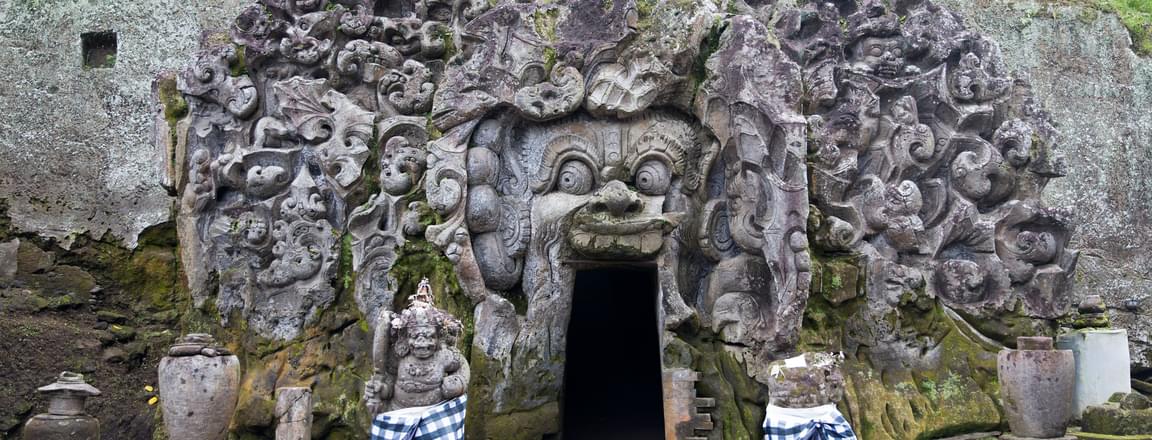
Goa Gajah is one of the most important cultural and archaeological sites in Bali, located near Ubud in Gianyar Regency. Also known as the Elephant Cave, this historic temple complex dates back to the 11th century and is known for its ancient cave carvings, sacred bathing pools, and Hindu-Buddhist significance. Its convenient location makes it a popular stop in many Ubud tour Packages, especially for travellers interested in Bali’s history, spirituality, and traditional architecture. This guide covers everything you need to know before visiting Goa Gajah, Bali, including entrance fees, dress code, the best time to visit, travel tips, and nearby attractions.
What is Goa Gajah?
Goa Gajah is an ancient Hindu-Buddhist archaeological site located near Ubud in Gianyar Regency, Bali. The name “Goa Gajah” translates to “Elephant Cave” in Indonesian, and the site remains an important part of Ubud tourism because of its cultural and historical significance.
The site dates back to the 11th century and was used as a spiritual sanctuary for meditation and religious rituals. The most famous part of the complex is the cave entrance, carved into a dramatic stone face with wide eyes and an open mouth.
Inside the cave, visitors can see small meditation spaces, sacred statues, and ancient carvings that still hold religious importance today.
Apart from the cave itself, the complex also includes bathing pools, temple courtyards, fountains, gardens, and jungle pathways. Even though the site is not very large, every corner feels rich in history and cultural value.
History of Goa Gajah Temple
The history of the Goa Gajah temple dates back nearly 1,000 years. Archaeologists believe the site was built during the 11th century, during a period when both Hinduism and Buddhism were developing strongly across Bali.
The cave was mainly used by priests and monks for meditation and religious practices. Inside the temple complex, visitors can still see Hindu symbols, including a statue of Ganesha, the elephant-headed god associated with wisdom and protection.
Cultural Importance
Goa Gajah reflects the strong blend of Hindu and Buddhist influences that shaped early Balinese culture and spirituality. The Goa Gajah elephant cave temple is considered one of Bali’s oldest archaeological and spiritual landmarks.
- Considered one of the oldest and most important cultural places in Bali
- Historically used as a spiritual retreat for meditation and religious rituals
- Represents the connection between Balinese architecture, spirituality, and nature
- Continues to play an important role in Bali’s cultural and religious heritage
Rediscovery and Restoration
The temple complex was rediscovered in 1923 by Dutch archaeologists during historical research in Bali.
- Major restoration work later helped preserve the cave and surrounding structures
- The sacred bathing pools, which had remained buried for centuries, were restored in 1954
- Ongoing preservation efforts continue to protect the site’s historical and archaeological value
Symbolism
The carvings and temple layout reflect ancient Balinese spiritual beliefs and protective symbolism.
- The dramatic cave entrance is believed to represent protection from evil spirits
- Water features inside the complex symbolise purification and spiritual cleansing
- The surrounding jungle environment reflects the traditional Balinese connection between nature and sacred spaces
Where is Goa Gajah Bali Located?
Goa Gajah Bali is located about 6 kilometres from central Ubud. The drive usually takes around 10 to 15 minutes depending on traffic conditions. Because it is so close to Ubud, many travellers combine the temple with waterfalls, rice terraces, or nearby cultural attractions during the same trip.
How to Reach Goa Gajah
There are several convenient ways to visit:
- Rent a scooter if you are comfortable driving in Bali
- Hire a private driver for the day
- Join a guided Ubud sightseeing tour
- Use transport apps like Grab or Gojek
Many visitors prefer hiring a private driver because it allows them to explore multiple attractions around Ubud without worrying about parking or navigation.
Goa Gajah Elephant Cave Entrance Fee (2026)
The Goa Gajah elephant cave entrance fee is affordable compared to many major attractions in Bali.
| Ticket Type | Price (IDR) | Price (INR) |
| Adults | IDR 75,000 | ₹4,050 |
| Children | IDR 50,000 | ₹2,700 |
| Parking (Scooter) | IDR 5,000 | ₹270 |
| Parking (Car) | IDR 10,000 | ₹540 |
Note: Prices may change slightly during holidays.
The entrance ticket generally includes access to:
- Temple grounds
- Elephant Cave
- Sacred bathing pools
- Garden and walking areas
Note: Sarongs are usually available at the entrance if visitors need one before entering the temple area.
Goa Gajah Dress Code
There is an important Goa Gajah dress code that all visitors should follow because the temple remains a sacred religious site. Guests are expected to wear respectful clothing, including:
- Covered shoulders
- Clothing below the knees
- Modest tops and bottoms
A sarong and sash are commonly required before entering the temple complex. If you do not bring one, you can usually borrow or rent it near the entrance. Respecting local customs helps visitors enjoy the site while also honouring Balinese traditions.
Avoid wearing:
- Swimwear
- Crop tops
- Very short shorts
- Revealing outfits
What to See Inside Goa Gajah Elephant Cave
The Goa Gajah elephant cave complex contains several areas worth exploring slowly. It is one of the most visited Ubud attractions for travellers interested in Bali’s cultural and spiritual history.
The Cave Entrance
The giant carved entrance is the most famous part of the site. The dramatic stone face gives the cave a mysterious appearance and attracts photographers from around the world.
Many historians believe the carving was designed to protect the sacred area from evil spirits. Visitors often spend time here admiring the detailed stone artwork and taking photos of the ancient entrance.
Inside the Goa Gajah Cave
Inside the Goa Gajah cave, the atmosphere becomes quieter and darker. Narrow pathways lead to meditation chambers and sacred statues.
Visitors will notice:
- Ancient stone walls
- Incense offerings
- Hindu shrines
- A statue of Ganesha
The cave is small, but it feels deeply spiritual and historic. Many travellers visiting Bali honeymoon packages enjoy the peaceful environment and calm atmosphere inside the meditation area.
Sacred Bathing Pools
One of the most beautiful sections of the complex is the bathing pool area. These pools were rediscovered and restored in 1954 during archaeological work.
Stone fountains surround the pools, creating a peaceful environment filled with flowing water and detailed carvings. Morning light makes this area especially photogenic, and many visitors enjoy capturing reflections and architectural details during quieter hours.
Jungle and Garden Area
The lower section of the temple leads into lush greenery with small streams, old stone fragments, and quiet walking paths.
Many visitors spend most of their time near the cave entrance, but the garden section offers a calmer atmosphere away from the crowds. Walking through the shaded pathways and listening to the sounds of flowing water makes this part of the complex feel relaxing and less touristy. It also fits well into a Ubud 4 Nights 5 Days Family Itinerary for travellers looking to combine history, nature, and local experiences in one trip.
If you want to explore Bali beyond its beaches, customised Bali tour packages including Ubud’s temples, waterfalls, rice terraces, and cultural sites like Goa Gajah can help you plan a more complete itinerary.
Best Time to Visit Goa Gajah, Bali
The best time to visit Bali, Goa Gajah, is during the early morning hours before larger tour groups arrive. Visiting early not only feels more peaceful but also gives you better weather conditions and a more comfortable sightseeing experience around the temple complex.
Arriving before 9 AM offers:
- Cooler temperatures
- Softer lighting for photos
- Fewer crowds
- A quieter atmosphere
Late afternoons can also feel pleasant, but mornings are usually more peaceful.
Best Season to Visit
- The dry season from April to October is ideal for sightseeing because the weather stays more comfortable and pathways remain less slippery.
- During the rainy season, the surrounding greenery becomes even more beautiful, but sudden rain showers are common.
How Long to Spend at Goa Gajah?
Most travellers spend around 1 to 2 hours exploring the complex. If you enjoy photography, history, or temple architecture, you may want extra time to walk through the gardens and observe the carvings in detail. Because the site is close to Ubud, it works perfectly as part of a half-day or full-day sightseeing itinerary.
Photography Tips for Goa Gajah, Bali
The Goa Gajah cave Bali complex has several scenic areas that are ideal for photography, especially during quieter morning hours.
Best Photo Spots
- Cave entrance carvings
- Sacred bathing pools
- Jungle stairways
- Temple courtyards
- Moss-covered stone walls
Best Time for Photography
- Visit early in the morning for softer natural light
- Morning hours usually have fewer tourists in the background
- Dry season offers clearer lighting conditions
Photography Etiquette
- Avoid climbing on sacred structures
- Do not disturb religious ceremonies while taking photos
- Respect temple rules and local customs
- Keep noise levels low inside spiritual areas
Nearby Attractions Around Goa Gajah
- Tegenungan Waterfall: One of the most accessible waterfalls near Ubud, surrounded by dense tropical greenery and natural rock formations. Visitors can enjoy short jungle walks, scenic viewpoints, and relaxing riverside areas.
- Tirta Empul Temple: A well-known Hindu water temple famous for its traditional purification rituals and holy spring water pools. It is one of the most culturally important temple experiences near Ubud.
- Ubud Monkey Forest: A forest sanctuary featuring ancient temple structures, shaded walking paths, and hundreds of long-tailed macaques. The area is popular for nature walks and cultural sightseeing.
- Tegalalang Rice Terraces: Famous for its layered rice fields, peaceful valley views, and photography spots. Visitors can also enjoy short walks through the terraces and experience Bali’s traditional irrigation landscape.
Suggested Ubud Day Itinerary Including Goa Gajah
Morning
- Goa Gajah Elephant Cave, Bali
- Tirta Empul Temple
Afternoon
- Lunch in Ubud
- Tegalalang Rice Terrace
Evening
- Ubud Market
- Traditional Balinese dinner
Is Goa Gajah Worth Visiting?
Yes, especially for travellers interested in culture, history, and traditional Balinese architecture. Unlike Bali’s busy beach areas, Goa Gajah offers a more peaceful and meaningful atmosphere. The ancient cave entrance, sacred pools, and jungle surroundings create a memorable experience that feels connected to Bali’s spiritual past.
Although it is not the largest temple in Bali, the unique atmosphere makes it one of the island’s most interesting cultural attractions. For visitors staying in Ubud, Goa Gajah is easy to reach and well worth adding to the itinerary.
Important Travel Tips Before Visiting
- Carry Cash: Small shops and parking areas may not accept cards or digital payments.
- Wear Comfortable Shoes: Temple pathways can be uneven and slippery after rain.
- Stay Hydrated: Bali’s tropical weather can feel hot and humid during the day.
- Respect Religious Ceremonies: Some temple areas may close during local rituals and prayers.
- Visit Early: Morning hours are quieter and more comfortable for sightseeing.
Final Thoughts
Goa Gajah Bali offers a unique look into the island’s history, spirituality, and traditional architecture. From the ancient cave carvings to the peaceful temple surroundings, the site gives travellers a quieter and more cultural side of Bali beyond beaches and nightlife. Whether you are visiting Ubud for a short stay or a longer holiday, Goa Gajah is a place worth experiencing. Plan your visit early, take your time exploring the complex, and enjoy one of Bali’s most remarkable heritage attractions.
FAQs
Is Goa Gajah suitable for families with children?
Yes, Goa Gajah is family-friendly and easy to explore with children. The walking areas are manageable, and the site offers a mix of history, nature, and cultural experiences suitable for all age groups.
Can you enter the Elephant Cave?
Yes, visitors are allowed to enter the cave respectfully. The interior is small and dimly lit, but it contains meditation spaces, Hindu shrines, and ancient carvings.
How early should I visit Goa Gajah?
Arriving before 9 AM is recommended for cooler weather, softer lighting, and fewer crowds. Early morning visits also make photography and sightseeing more comfortable.
Do you need a guide at Goa Gajah?
A guide is not necessary, but hiring a local guide can help you understand the history, symbolism, and religious importance of the temple complex in more detail.
Is there a dress code for children as well?
Yes, children are also expected to wear respectful clothing while entering the temple area. Sarongs are usually available at the entrance if needed.
Are there restaurants or cafes near Goa Gajah?
Yes, there are several local cafes, restaurants, and small food stalls located near the temple and around the Ubud area.
Can Goa Gajah be visited during the rainy season?
Yes, the temple remains open during the rainy season. However, pathways can become slippery, so wearing comfortable shoes is recommended.
Why is Goa Gajah called the Elephant Cave?
The name comes from the word "Gajah", meaning elephant in Indonesian. Historians believe the name may be linked to the Ganesha statue inside the cave or nearby historical references connected to elephants.