
- Home
- Attractions
- Bali
- Kintamani
- Kehen Temple Kintamani Guide 2026: Tickets, Highlights & Visiting Tips
Kehen Temple Kintamani Guide 2026: Tickets, Highlights & Visiting Tips
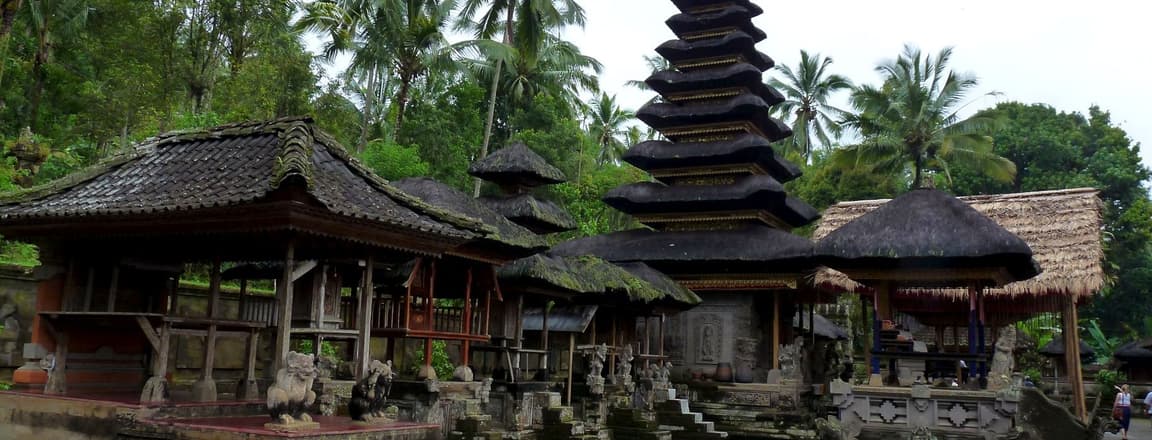
Discover the quiet union of history, devotion, and Bali’s architectural beauty at the Kehen Temple, Bali. It is one of Bali's oldest and most culturally significant Hindu temple complexes. This amazing place, located in Cempaga, is an ancient complex that sits on the wooded slopes of the southern Bangli hills. Kehen Temple is one of those places where one can really get the feeling of history, culture, and spirituality at once through a fun and informative tour.
The experience starts by walking up the famous 38-step staircase, which is blessed with carvings of gods, visiting the courtyards and halls where rituals are taking place, etc. For visitors to Bali who love history, culture, and spirituality, Kehen Temple is the perfect spot, as it offers all of those in one place in a very immersive manner.
About Kehen Temple, Kintamani
Kehen Temple (Pura Kehen) is an embodiment of Bali's extensive and multifaceted historical and religious heritage dating back to the late 9th century. The temple is located in the cool highlands of Cempaga, and it marked the religious centre of the Bangli Regency, which was previously one of the nine kingdoms of Bali.
The word “Bangli” comes from the Indonesian expression “bang giri”, which translates to “red woodland” or “red mountain”, thereby vividly depicting the area’s colourful nature. Kehen Temple was mentioned many times in the copper inscriptions from the 9th to 13th centuries and was called Hyang Api, which means “god of fire”. The temple was a sacred site for oath-taking ceremonies.
Interesting Fact: The temple stairway, which is stunning to look at, is flanked by two sandstone statues depicting mythical beasts and characters from Balinese mythology, which gives visitors both a visual and a spiritual experience.
Seasonal Advice: The mountain climate of Kintamani gives a temperature that is very cool and comfortable throughout the year, making it hot for temple visitations. Early hours are especially serene and quiet, and hence the tourists can admire the splendour of the temple without the inconvenience caused by the large number of people.
Architecture of the Kehen Temple
The temple is recognised for its typical Balinese style of architecture, which includes, among other features, detailed carvings, multi-tiered shrines, and a magnificent stairway of 38 steps leading to a Candi Kurung (enclosed gate) rather than the typical Balinese split gate. Above the entrance, look for the massive Bhoma head carved to ward off evil spirits. To further enchant visitors, the temple walls are covered with porcelain plates, which is a historical reference to Bali's trade links with China.
Highlights of Kehen Temple, Kintamani
- 38-Step Staircase: Climb the emblematic staircase with the extraordinary sculptures of peal of divinities and the like placed along it as its most important characteristic.
- Porcelain Wall Decorations: The temple walls are enriched with the presence of the ancient porcelain plates that are the testimonies of the historical connections with China.
- Main Courtyard: The magnificent main courtyard is decorated with the raised shrines and the sacred spaces where the Balinese Hindus carry out their rituals.
- Balinese Architecture: The typical Balinese architecture, which includes red brick buildings, wood carvings, and thatched roofs, speaks to the past.
- Cultural Performances: The visitors will not only see the Balinese dancing during major temple ceremonies and anniversaries but also become a part of the rituals and ceremonies.
No matter if you are a history lover or a spiritually orientated person, Kehen Temple is a cultural destination with splendid highland landscapes as a bonus.
Kehen Temple Location, Visitor Details & Nearby Attractions
- Location: Cempaga, Bangli Regency, Kintamani, Bali, Indonesia
- Phone: +62 (local inquiries)
- Suggested Duration: 2–3 hours
Nearby Attractions & Day Trips:
- Mount Batur & Lake Batur: Stunning volcano and lake offering trekking and sunrise tours (1–1.5 hr drive).
- Toya Bungkah Hot Springs: Natural hot springs ideal for relaxation after temple visits.
- Penglipuran Village: A traditional Balinese village showcasing bamboo architecture and cultural heritage.
- Ubud: Cultural hub of Bali with art markets, temples, and rice terraces (~45-minute drive).
- Tegenungan Waterfall: Scenic waterfall surrounded by lush greenery (~1-hour drive).
Day-Trip Tip: Combine a morning visit to Kehen Temple with a trek to Mount Batur for sunrise or a visit to Penglipuran Village to explore traditional Balinese culture.
Top Attractions & Architectural Features at Kehen Temple
Kehen Temple is divided into several areas for spiritual, architectural, and cultural exploration.
Main Temple Courtyard – Spiritual Core
- Feature: Central area for worship and ceremonies.
- Experience: Observe local devotees performing offerings and prayers.
- Cultural Insight: Temple ceremonies follow the Balinese Hindu calendar and are often accompanied by gamelan music and traditional dance performances.
38-Step Staircase – Architectural Marvel
- Height/Length: 38 steps leading to the main temple area.
- Feature: Flanked by stone statues of lions, nagas, and folklore figures.
- Experience: Climbing the staircase offers both a physical and spiritual journey, culminating in a panoramic view of the temple grounds.
- Technical Note: Carvings reflect the skill of 9th–13th century Balinese artisans, maintaining historical authenticity.
Porcelain-Adorned Walls – Historical Nod
- Feature: Temple walls with the porcelain plates coming from China.
- Cultural Insight: It indicates the trade links between Bali and China, and at the same time, the foreign impact on the Balinese religious sites.
- Why Visit: It provides a visual element that is one of the rarest in the case of other Balinese temples.
Ancillary Shrines – Cultural Immersion
- Feature: Small shrines present in the temple complex and dedicated to different deities.
- Experience: Get acquainted with the Balinese religious practices and temple levels.
- Spiritual Insight: The shrines are a daily receiving place for offerings, temple rituals, and special festival ceremonies.
Kehen Temple Ticket Prices & Entry Fees (2026)
Entry Fee: IDR 20,000–30,000 (₹105–₹160 approx.) for international adults. This fee typically includes the mandatory sarong and sash rental, so you do not need to bring your own unless preferred.
Notes: Carry cash, as they prefer cash.
Kehen Temple Opening Hours & Best Time to Visit
Opening Hours: 8:00 AM – 6:00 PM daily
Best Visiting Tips:
- Visit early in the morning to enjoy the serene atmosphere and avoid crowds.
- Attend the temple anniversary or Pagerwesi on Wednesday for cultural performances.
- Pair the visit with Mount Batur or Penglipuran Village for a full-day itinerary.
- Wear modest clothing covering shoulders and knees (Balinese temple etiquette).
- Bring water and comfortable shoes for the climb.
How to Reach Kehen Temple, Kintamani
From Ubud: 45-minute drive via Bangli road
From Denpasar City: 45 km (~1.5 hours)
From Kintamani: a 30-minute drive (20 km) north of Bangli.
Transport Options:
- Car/Taxi: Most convenient option.
- Tour Packages: Many Bali day trips include Kehen Temple as part of cultural tours.
- Scooter Rentals: For adventurous travellers, scooters provide flexibility, but ensure safety gear is worn.
Kehen Temple Insider Travel Tips (2026)
- Start early to capture photos in soft morning light.
- Respect temple customs; do not touch offerings or sacred statues.
- Hire a local guide for an in-depth historical and cultural context.
- Combine with nearby attractions for a full cultural experience.
- Minimal food options on-site; pack light snacks or eat at nearby eateries.
Dining & Shopping Near Kehen Temple
- Local Warungs: Traditional Balinese food such as Nasi Campur and Babi Guling.
- Cafes: Small cafés offering coffee and light snacks with scenic views of the Bangli highlands.
- Souvenirs: Handicrafts, Balinese carvings, and temple-themed memorabilia are available in nearby markets.
Kintamani Full-Day Itinerary Including Kehen Temple
Morning:
- Visit Kehen Temple, climb 38 steps, and explore courtyards and shrines.
- Capture photography of temple architecture and surrounding landscapes.
Afternoon:
- Lunch at a local warung with views of the highlands.
- Visit Penglipuran Village to experience traditional Balinese culture and architecture.
Evening:
- Trek or drive to Mount Batur for sunset views.
- Relax at Toya Bungkah Hot Springs for a soothing end to the day.
Top Things to Do at Kehen Temple in One Day
- Winning the 38 steps, you’ll have a great view of the sandstone ornaments.
- Discover the main temple area and the smaller temples around it.
- During holidays, you can either watch or join the temple rituals.
- Take pictures of the walls decorated with porcelain and the detailed stone sculptures.
- Make the temple visit along with Mount Batur, Penglipuran Village, or Kintamani Highlands for a complete religious experience.
Conclusion: Why Kehen Temple, Kintamani, Is Worth Visiting
Kehen Temple is a jewel of culture and history in Bali, giving the chance for a former spiritual quest, beautiful architecture, and a view of magnificent highland landscapes all at once. The temple's characteristics, like the 38-step staircase and walls decorated with porcelain, among others, make it different from other temples on the island. The visitors are exposed to the Balinese Hindu practices, royal history, and the art of the region, all this while they are in a very quiet and peaceful place.
For travellers who prefer a hassle-free experience, curated Bali tour packages from Pickyourtrail offer customisable itineraries that include cultural landmarks like Kehen Temple, Kintamani highlands, and nearby attractions such as Mount Batur and Penglipuran Village.
FAQs: Kehen Temple Kintamani 2026
Is Kehen Temple suitable for children?
Yes, children can explore the temple grounds safely, though supervision is advised on the staircase.
What are the opening hours?
The opening hours of Kehen Temple (Pura Kehen), Bangli, are daily from 8:00 AM to 6:00 PM
Is there an entry fee?
Yes. The entry fee is approximately IDR 30,000–50,000 (₹160–₹265 approx.) per person for international visitors.
How long should I spend at Kehen Temple?
You should plan to spend about 1.5–2 hours at Kehen Temple.
What is the best time to visit?
Early morning for serenity, or during the temple’s anniversary or Pagerwesi Wednesday for cultural performances.
Are there food and souvenir options nearby?
Yes, local warungs and cafés offer traditional Balinese dishes; markets provide handicrafts and temple-themed souvenirs.
How do I reach Kehen Temple from Ubud?
From Ubud, Kehen Temple is about a 45-minute drive via the Bangli–Ubud road toward Bangli town. You can reach it easily by taxi, private car, or scooter; ask for “Pura Kehen, Bangli.