
- Home
- Attractions
- Bali
- Kintamani
- Kintamani Highlands, Bali: Complete 2026 Travel Guide to Bali’s Volcanic Mountain Escape
Kintamani Highlands, Bali: Complete 2026 Travel Guide to Bali’s Volcanic Mountain Escape
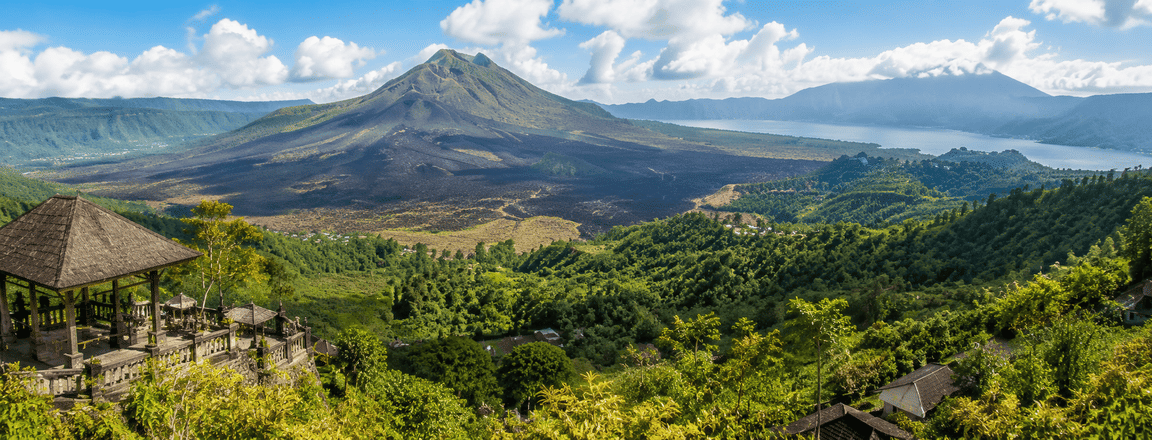
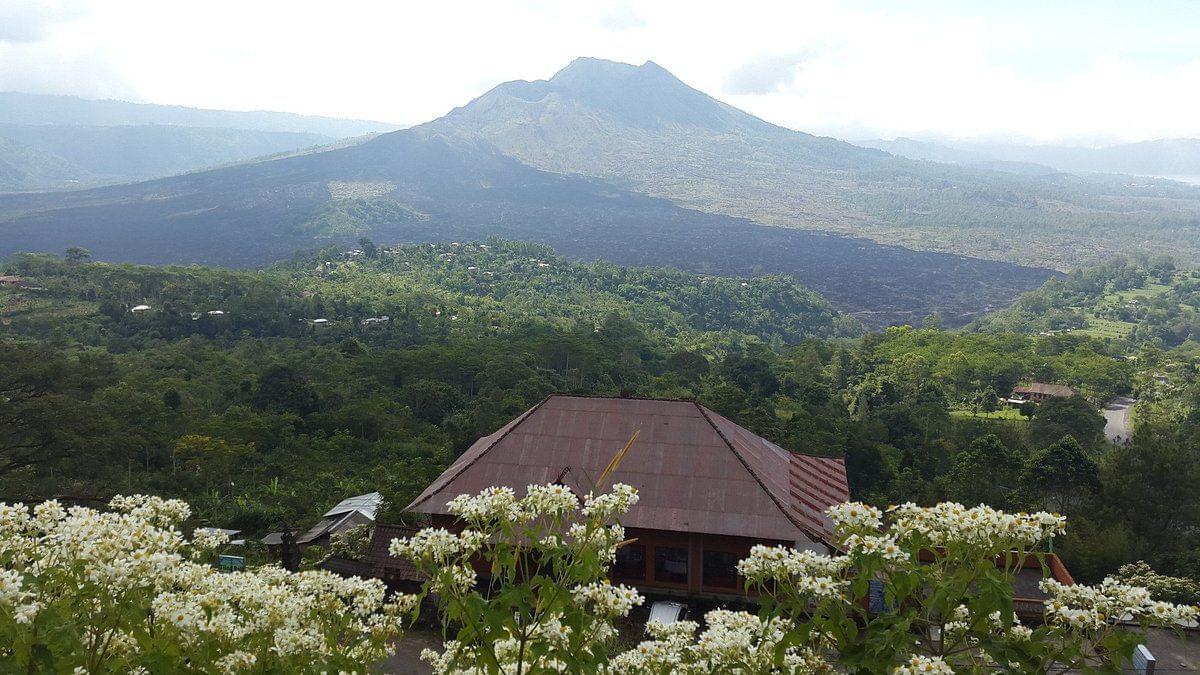
Kintamani Highlands in Bali can turn out to be a refreshing addition to the beaches on the island, as it takes travellers face-to-face with misty mountains, volcanic landscapes and lakeside views. The Kintamani Highlands is situated in the cooler uplands of northeast Bali and is most famous and dramatic due to the best views of Mount Batur, the large Lake Batur and the encompassing caldera villages, which present the untainted beauty of Bali.
Located at an elevation of approximately 1,300 to 1,500 metres above sea level, the Kintamani Highlands experience noticeably cooler temperatures than Bali’s coastal regions, making them a preferred escape for travellers seeking relief from tropical heat.
About Kintamani Highlands, Bali
The Kintamani Highlands are found in Bangli Regency, Bali, and lie at an elevation of about 1,500 metres above sea level. It is a raised land and part of the Mount Batur Caldera, one of the most visually striking double calderas in the world. It is a designated UNESCO Global Geopark, recognised for its unique 'caldera within a caldera' structure.
The most remarkable thing about the Kintamani Highlands of Bali is the voluntary combination of volcanic landscape, greenery and Balinese villages. The location is a UNESCO Global Geopark, a designation that protects its geological heritage while integrating the local Balinese 'Tri Hita Karana' philosophy—balancing the relationship between humans, nature, and the divine. It is a must-see for those looking to explore Bali’s volcanic heart.
Top Reasons to Visit Kintamani Highlands, Bali
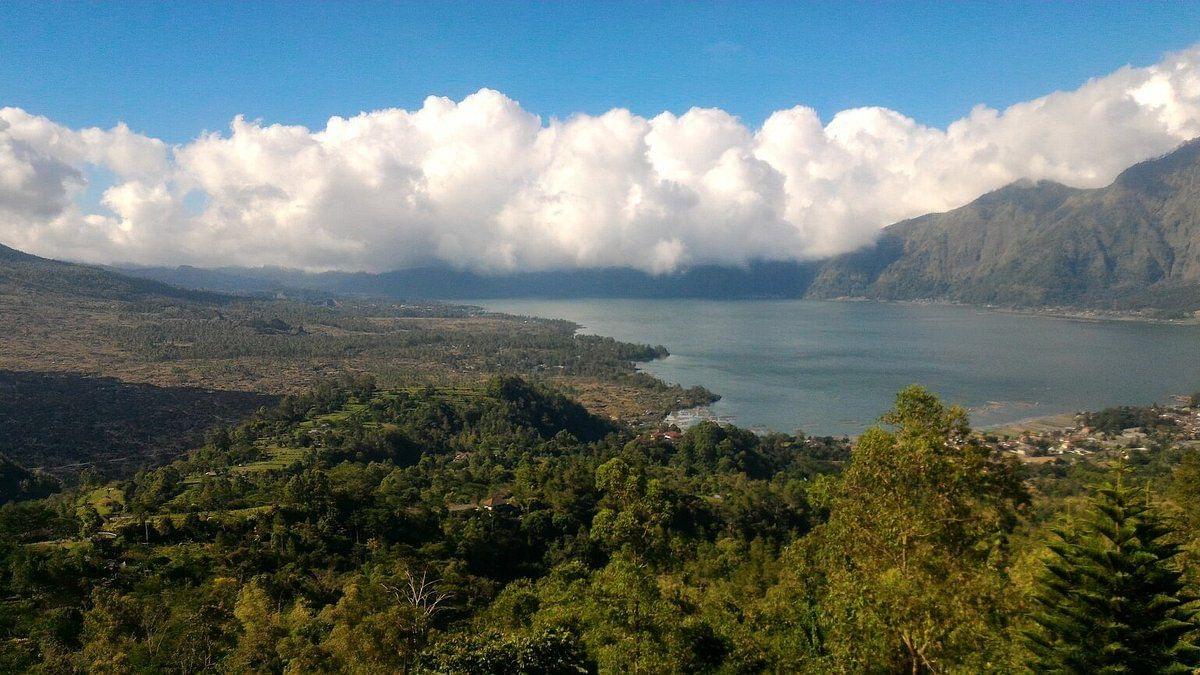
The Kintamani Highlands deserve a spot on your Bali itinerary for several compelling reasons:
● Provides views of Mount Batur and Lake Batur.
● Colder climate than the Bali coast.
● Paradise of nature and photographers.
● Traditional mountain village with rich culture.
● Quick excursion out of Ubud and main Bali.
The Kintamani Highlands in Bali are a part of the island that would give depth and balance to your entire travelling experience in the place, as well as enhance the scenery.
Kintamani Highlands Highlights
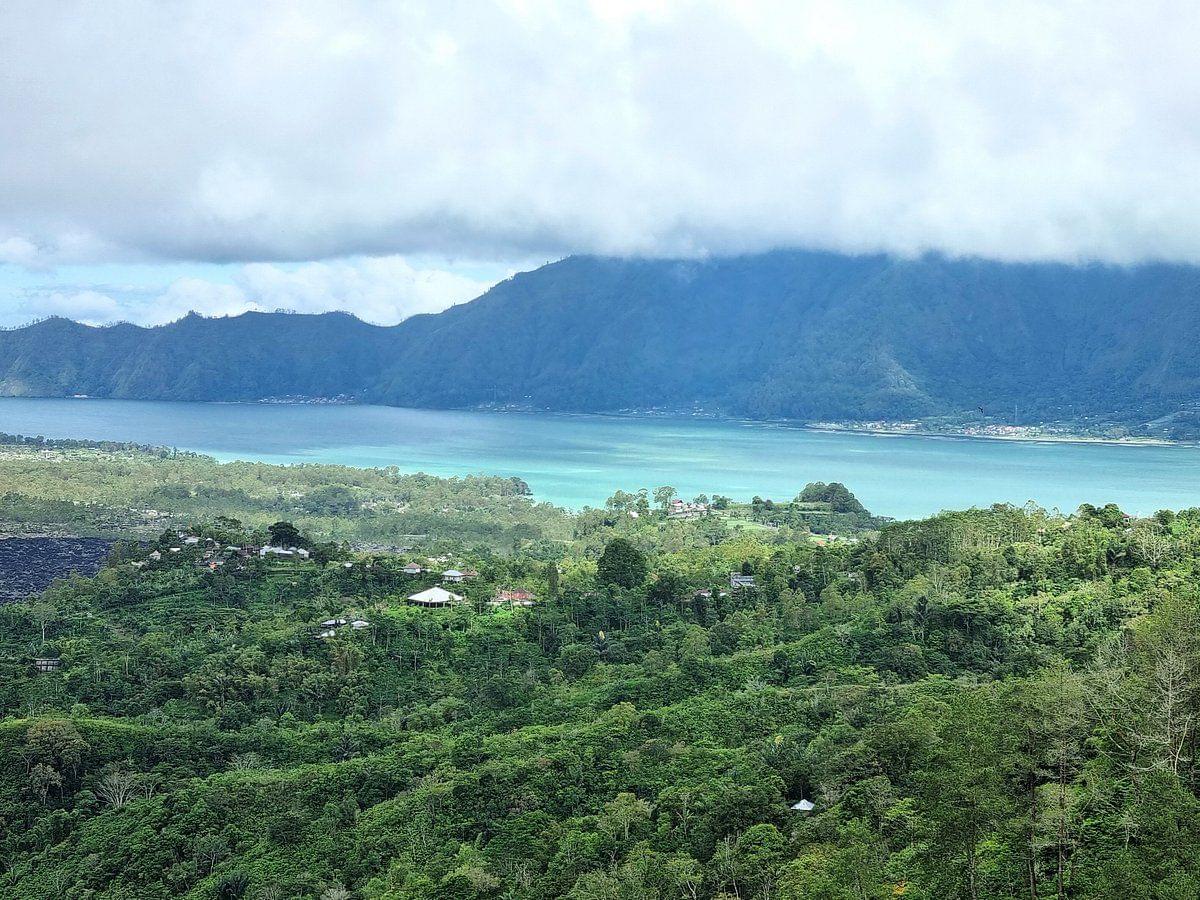
Volcanic Landscapes & Scenic Views: The most interesting aspect of the Kintamani Highlands is the volcanic landscape, which is awe-inspiring. Travellers are able to capture the magnificent Mount Batur, its black lava fields, and the sparkling Lake Batur that is located in the caldera, at specified points of observation.
Cool Mountain Climate: The Kintamani Highlands in Bali are cooler throughout the year and therefore more comfortable and refreshing to sightsee, unlike the Bali humid lowlands.
Traditional Villages & Local Culture: Traditional Balinese mountain villages like Penenokan and Toya Bungkah can give a glimpse of the traditional Balinese village setting, with much of their local markets, temples, as well as cultural practices being an intrinsic part of their daily lives.
Coffee Plantations & Cafés: Coffee plantations are also prevalent in the Kintamani Highlands, where travellers can have freshly brewed Balinese coffee and have unbeatable views of the volcanoes.
Best Time to Visit Kintamani Highlands, Bali
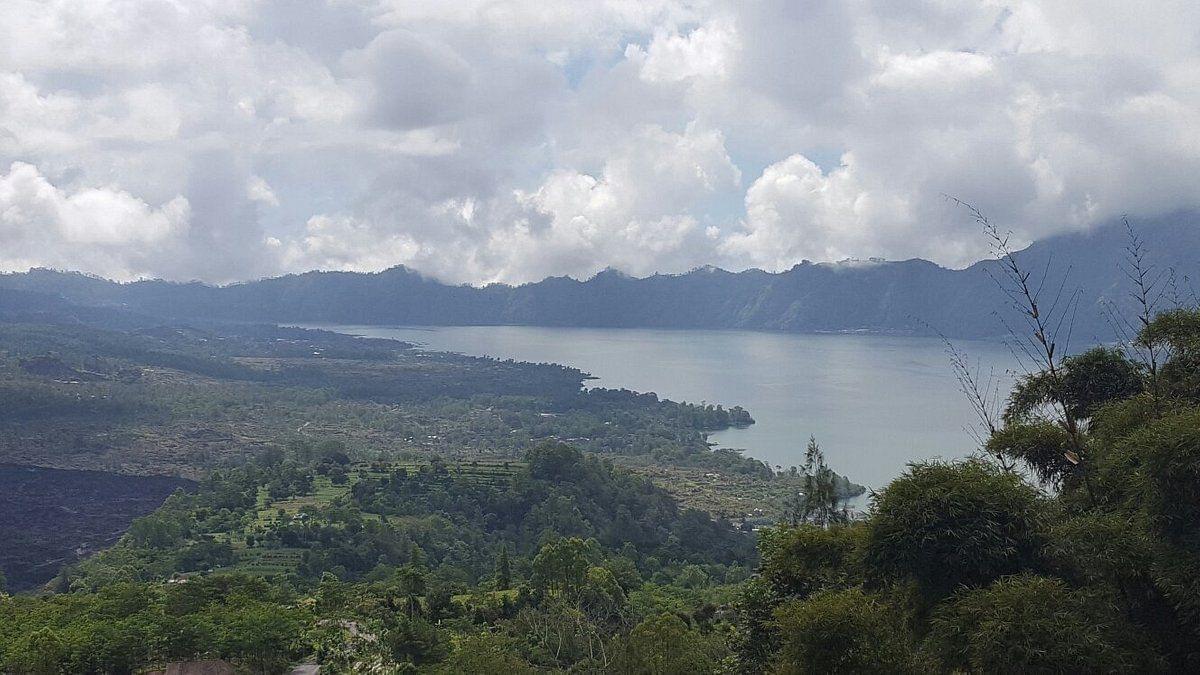
This is best suited to be during the dry season, which runs from April to October and is the best time to visit the Kintamani Highlands in Bali. These are the months when the skies are clear, visibility is good, and the travelling conditions are good for sightseeing. Seasonal weather patterns in the Kintamani Highlands are influenced by their volcanic caldera geography, which often causes cloud formation later in the day, making early morning visits more favourable for clear views of Mount Batur and Lake Batur.
Ideal Time of Day
● Early Morning: Clear volcano views, fresh air, fewer crowds
● Late Morning to Noon: Best lighting for photography
● Afternoon: Cloud cover may increase, but still scenic
Entry Fee to Kitnamani Highlands in Bali
The entrance fee for the Kintamani Highlands in Bali is IDR 50,000 (₹260) per international adult and IDR 30,000 (₹155) per international child. It can be paid via an official online e-ticket system (no longer cash at roadside booths). This fee supports local infrastructure, with special rates for Balinese residents.
Kintamani Entrance Fees (2026):
- International Adult: IDR 50,000 (₹260)
- International Child: IDR 30,000 (₹155)
- Balinese Adult: IDR 10,000 (₹52)
- Balinese Child: IDR 5,000 (₹26)
How to Reach Kintamani Highlands in Bali
From Ubud
● Approx. 1–1.5 hours by car
● Best reached via private taxi or self-drive
● Scenic countryside route
From Seminyak / Canggu
● Approx. 2.5–3 hours
● Ideal as part of a full-day Bali sightseeing tour
Tips: Road access to Kintamani is well-established but involves winding mountain routes, so private vehicles or organised tours are generally considered safer.
Things to Do at Kintamani Highlands, Bali

1. Enjoy Mount Batur Viewpoints: Several viewpoints across the Kintamani Highlands offer breathtaking panoramas of Mount Batur and Lake Batur, perfect for photography and quiet reflection.
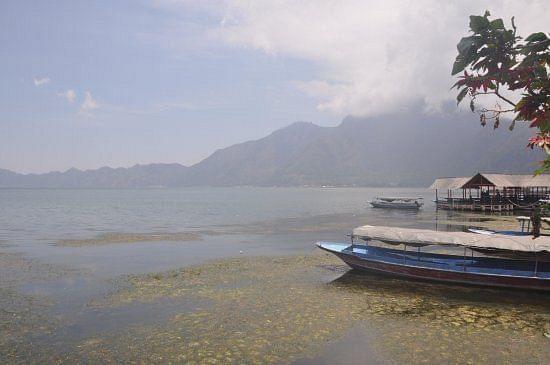
2. Visit Lake Batur: Lake Batur is the largest lake in Bali and a serene spot for relaxation, scenic walks, and lakeside dining.
3. Explore Local Villages: Interacting with local communities adds cultural depth to your Kintamani Highlands visit. Observe daily life, temples, and local craftsmanship.
4. Coffee Plantation Visits: Sampling Balinese coffee while overlooking volcanic landscapes is a signature experience of the Kintamani Highlands in Bali.
Nearby Attractions to Visit with Kintamani Highlands
● Mount Batur Sunrise Trekking
● Toya Devasya Hot Springs
● Tirta Empul Temple
● Penglipuran Village
● Ubud Countryside
Combining these attractions with the Kintamani Highlands creates a well-rounded Bali sightseeing experience.
What to Wear in Kintamani Highlands, Bali

Due to the region’s higher altitude and cooler climate, travel conditions in the Kintamani Highlands differ significantly from southern Bali, requiring slightly different preparation and timing.
● Use light jackets because it is colder.
● Begin in the morning to escape cloud cover.
● Have comfortable walking shoes.
● Bring cash to the local cafes and markets.
Essential Travel Tips for Kintamani for First-Time Visitors
- The Morning Window: Arrive by 9:00 AM. By midday, clouds often roll into the caldera, which can completely obscure the view of Mount Batur.
- Dress for Altitude & Altars: Bring a light jacket or hoodie, as it is 5-10°C cooler than Seminyak. Also, carry a sarong if you plan to visit local temples like Pura Ulun Danu Batur.
- Cash vs. Card: While high-end “volcano-view” cafes now accept credit cards and QRIS, the entry checkpoints and local markets remain strictly cash-only (IDR).
- Photography: For the best lighting without harsh shadows on the crater, the "Golden Hour" between 7:00 AM and 8:30 AM is unbeatable.
Conclusion: Why Kintamani Highlands Deserve a Place on Your Bali Itinerary
The Kintamani Highlands in Bali are a cool getaway to the land of nature, providing with it volcanoes, a rich culture, and a relaxing environment. This is a place where even more adventurous travellers are likely to miss out on a more scenic, cooler and quieter side of Bali.
The Kintamani Highlands are a destination that can be included in a day tour or in a bigger itinerary that will enhance the richness and authenticity of your trip. Discover this beautiful place with carefully designed Bali tour packages by Pickyourtrail, which are customised to comfort, flexibility and interesting experiences.
FAQs About Kintamani Highlands, Bali
Is there an entry fee for Kintamani Highlands?
Yes, there is a mandatory entrance fee for the Kintamani Tourist Area. As of 2026, international visitors are charged IDR 50,000 (₹270) per adult and IDR 30,000 (₹160) per child. This is typically collected at roadside checkpoints as you enter the Kintamani highland region.
How long should I spend at Kintamani Highlands?
Plan to spend 2–4 hours, depending on sightseeing stops and café visits.
Is Kintamani Highlands crowded?
Yes, however, the guided or personal tours are more accessible and informative.
Can I visit Kintamani Highlands without a guide?
Yes, but guided or private tours provide better access and insights.
Is Kintamani Highlands suitable for families?
Yes, it is family-friendly in the area, particularly families with older children.
What should I wear while visiting Kintamani Highlands in Bali?
Light layers of clothing are appropriate because of the cold weather.