
- Home
- Attractions
- Bali
- Pura Maduwe Karang Bali: Full Guide, History, Temples, What to Eat etc
Pura Maduwe Karang Bali: Full Guide, History, Temples, What to Eat etc
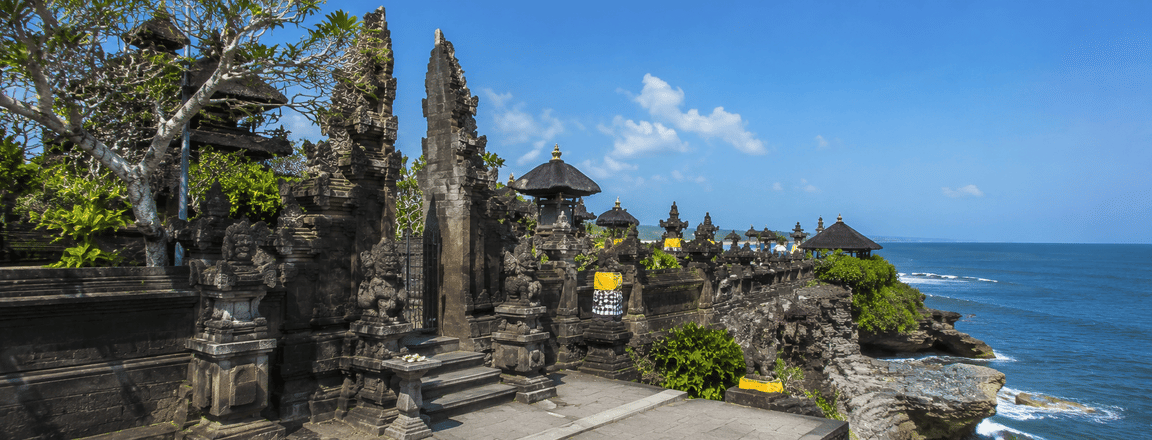
Bali is often called the Island of the Gods, and after you start exploring its temples, you'll understand why. These temples are living spaces of worship where rituals, offerings, and ceremonies take place regularly, providing visitors with a rare opportunity to witness spirituality as part of everyday life rather than as a show. Here is where Pura Maduwe Karang stands out as one of the most beautiful temples in Bali. Pura Maduwe Karang, known for its exquisite floral designs and skilfully carved stone figures, is a visual and cultural gem in North Bali. The temple complex, constructed in the 19th century, is dedicated to the earth and fertility gods, representing the holy connection between land, agriculture, and spiritual prosperity. Its walls are decorated with floral patterns typical of North Balinese temple architecture, as well as various stone figurines, such as a man riding a bicycle and a kama sutra, and carvings inspired by characters from the Indian epic Ramayana, transforming the temple into a carved-stone storytelling canvas.
One of the temple's most remarkable characteristics of the temple is the grand entry sculpture arrangement, which is divided into three levels: 13 figures on the lower tier, 10 in the middle, and 13 on the upper rear row, flanked by two stairways that lead into the complex. If you want to see Bali beyond the beaches and crowds, this temple provides a quieter, more enlightening experience that is a valuable addition to a culturally rich Bali itinerary.
Why Pura Maduwe Karang Was Built: History, Meaning & Symbolism
Pura Maduwe Karang was built to commemorate Batara Lingsir, the divine guardian of land, agriculture, and fertility. The temple was critical in protecting farmers' rights and promoting peace between humans, nature, and the gods, which is a fundamental pillar of Balinese Hinduism.
One of the temple's most prominent features is its stone reliefs, which tell stories about rural life, foreign influence, and spiritual values. The iconic bicycle carving is thought to depict early European contact with Bali, symbolising openness to change while remaining grounded in tradition. The temple adheres to traditional Balinese spatial planning principles and expresses the concept that land is holy, not just owned. Even today, locals continue to visit Pura Maduwe Karang to pray for abundant fields, protection from natural disasters, and communal wealth.
Pura Maduwe Karang Location
The temple is located in Kubutambahan village in Buleleng Regency, on Bali's northern coast. The temple is located close to the major seaside road, making it easily accessible while being delightfully uncrowded. This region is great for visitors who want to see Bali's traditional and rural side, away from the bustling pace of southern tourist destinations.
- Address: Kubutambahan, Buleleng Regency, Bali, Indonesia
Temple Layout: What to See Inside Pura Maduwe Karang
Like most Balinese temples, this temple is divided into three sacred zones, each with its own purpose and spiritual significance.
1. Jaba Pisan (Outer Courtyard)
This is the entrance area of the temple, where visitors can see everyday activities. Locals are frequently seen preparing offerings, arranging flowers, and performing little ceremonies in this area.
Also Read:- Cruise in Bali
2. Jaba Tengah (Middle Courtyard)
This is the central part of the temple that features finely carved walls and pavilions. This is where the temple's most famous carvings are found, including scenes from farming life, mythical creatures, and the famed bicycle carving, an unexpected but fascinating sight in a conventional Hindu temple.
3. Jeroan (Inner Sanctum)
This is the most sacred area of the Pura Maduwe Karang temple and is only accessible to worshippers during ceremonies. This area has the principal shrines dedicated to deities who preserve land and agriculture.
Pura Maduwe Karang Entrance Fee & Opening Hours
Entry Fee
- Entry is completely free for all.
- Donations at the temple are welcome and appreciated
Also Read:- Top Places To Visit In Ubud
Opening Hours
- Daily: 08:00 AM – 06:00 PM
- Access may be restricted during major religious ceremonies
Best Time to Visit for a Peaceful Experience
The temple is open all year, however visiting at the right time improves the experience.
Best day of the week
Weekdays are great for a peaceful visit, as the temple receives far fewer visitors than other southern Bali attractions.
Best time of the day
- Morning (8:00–10:00 AM): For soft light, fewer people, and a peaceful atmosphere
- Late afternoon (4:30–6:00 PM): For pleasant weather and beautiful shadows on the carvings
Note: Travellers planning seasonal itineraries or custom Bali Tour Packages often include Pura Maduwe Karang during quieter weekdays to experience North Bali’s temples without crowds.
How to Reach Pura Maduwe Karang
By Car
The temple is around 30-45 minutes away from Lovina or Singaraja by car. The roads are well-maintained, and parking is accessible near the temple entrance.
By Scooter
Renting a scooter is a convenient and scenic alternative for experienced riders, especially while visiting North Bali. Make sure you have a valid international driving license to rent the scooter.
From South Bali
From Ubud, Seminyak, or Kuta, expect a 3-3.5 hour journey, which is best paired with a North Bali sightseeing plan.
Where to Eat Near Pura Maduwe Karang
Food options nearby are modest but authentic, providing a taste of traditional Balinese cuisine.
- Local Kubutambahan warungs – This place offers traditional rice meals and home-style cooking
- Singaraja eateries – You can enjoy a wider range of Indonesian and seafood options (30–40 minutes away)
- Lovina cafés – This cafe is ideal for a relaxed meal by the beach after temple hopping
Things to Know Before Visiting Pura Maduwe Karang
- Dress modestly: As this is an active place of worship, wear covered apparel as well as a sarong and sash.
- Go early for the best experience: Morning visits are calmer and provide softer lighting for admiring the carvings and taking photos.
- Pause before entering: Check if a ceremony is underway, as certain areas may be temporarily restricted to visitors.
- Be respectful with photography: Photos are permitted, but flash should be avoided, particularly near shrines and people praying.
- Keep noise to a minimum: Walk calmly and speak softly to preserve the temple's tranquil environment.
- Stay hydrated: North Bali can be hot, so bringing water can make your trip more comfortable.
- Take your time: Slow exploration helps you notice the floral motifs, Ramayana figures, and layered stone reliefs that define the temple.
Why Pura Maduwe Karang Is Worth Adding to Your Bali Itinerary
Pura Maduwe Karang is one of Bali's most culturally significant yet underrated temples, providing a unique glimpse into the island's spiritual relationship with land, agriculture, and fertility. With its distinctive North Balinese architecture, the temple provides more than just a visual experience; it also conveys a tale about how faith impacts daily life in rural Bali. Free from heavy crowds and commercialisation, the temple is ideal for travellers who want to explore Bali beyond beaches and resorts.
FAQs
Where is Pura Maduwe Karang located?
It is located in Kubutambahan village, Buleleng Regency, North Bali.
Is there an entry fee at the temple?
No, there is no fixed fee, but donations are encouraged.
How much time is needed to explore the temple?
Around 30–45 minutes is sufficient for a relaxed visit.
4. Is Pura Maduwe Karang crowded?
No, it is one of Bali’s quieter temples, especially on weekdays.
Is photography allowed at the temple?
Yes, photography is allowed, but visitors should be respectful.
Can tourists enter the inner sanctum?
Access may be restricted during ceremonies; otherwise, respectful entry is allowed for everybody.