
- Home
- Attractions
- Bali
- Taman Ayun Temple Bali Guide: Tickets, Highlights & Visiting Tips
Taman Ayun Temple Bali Guide: Tickets, Highlights & Visiting Tips
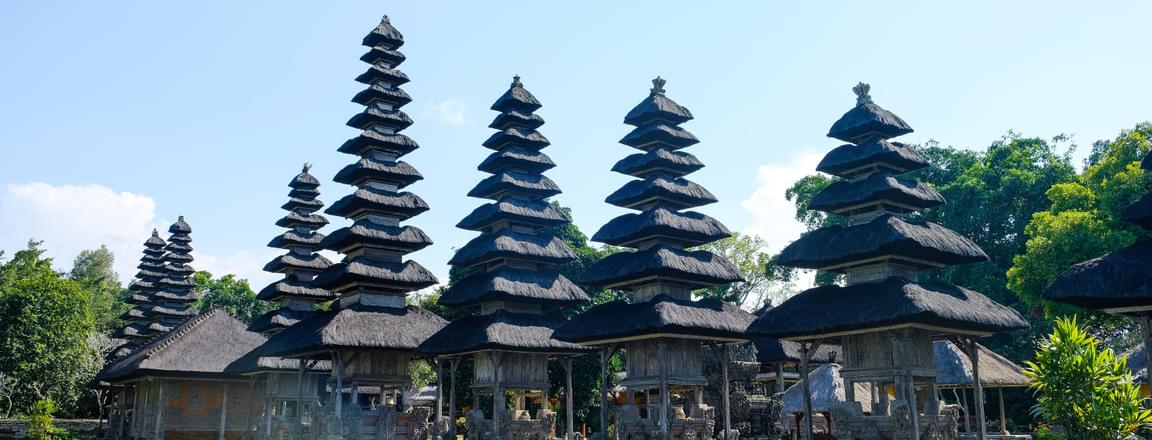
Taman Ayun Temple Bali offers a different side of the island. Instead of beaches and nightlife, visitors come here for royal history, traditional architecture, peaceful gardens, and centuries-old Hindu traditions. Located in Mengwi, around 30–50 minutes from Ubud, this historic temple remains one of Bali's most important cultural landmarks.
The temple remains an active place of worship and is also part of the UNESCO-listed Cultural Landscape of Bali Province. Visitors come here to admire its royal history, peaceful atmosphere, traditional architecture, and beautifully landscaped gardens. Unlike some of Bali's busier attractions, Taman Ayun offers a quieter and more relaxed cultural experience. Many visitors include it in their Bali tour Packages to experience Bali’s heritage beyond its beaches and resorts.
Taman Ayun Temple Bali: Quick Overview
| Quick Facts | Details |
| Location | Mengwi, Badung Regency, central Bali |
| Founded | 1634 by I Gusti Agung Putu (Mengwi Kingdom) |
| Best known for | Royal history, Meru towers, landscaped gardens |
| UNESCO status | Component of “Subak: Cultural Landscape of Bali Province” (2012) |
| Typical entrance fee | Adults: IDR 30,000 (~₹160); Children: IDR 15,000 (~₹80) |
| Possible fee range | Adults: IDR 30,000–50,000 (~₹160–₹265); Children: IDR 15,000–25,000 (~₹80–₹135) |
| Opening hours | Usually 08:00–17:00/18:00 daily |
| Time needed | 1–2 hours |
| Distance from Ubud | ~18–20 km (30–50 min by car) |
| Distance from Seminyak | ~20–25 km (45–60 min by car) |
| Best time to visit | 08:00–10:00 (cooler, better light, fewer crowds) |
| Dress code | Shoulders & knees covered; sarong may be required |
| Nearby attractions | Tanah Lot, Alas Kedaton, Sangeh, Jatiluwih |
Note: Prices and hours may vary—confirm at the ticket counter on the day of your visit.
Taman Ayun Temple History
Taman Ayun Temple was built in 1634 by I Gusti Agung Putu, the ruler of the Mengwi Kingdom. It served as the royal temple where kings, nobles, and local communities gathered for prayers, ceremonies, and important celebrations. Locally known as Pura Taman Ayun, the temple continues to serve as an important spiritual and cultural landmark for the local community.
Over time, the temple was restored and expanded to preserve its spiritual and cultural significance. Today, visitors can still admire the traditional Balinese architecture and craftsmanship that reflect Bali’s royal heritage.
More than a place of worship, Taman Ayun also symbolised the power and prosperity of the Mengwi Kingdom. Its grand gates, elegant layout, and towering shrines showcased the kingdom’s status while creating a sacred space for devotion.
Cultural Importance Of Taman Ayun Temple
Taman Ayun remains one of the most respected temples in Bali and continues to function as an active religious site.
Its cultural importance comes from several factors:
- It was the royal temple of the Mengwi Kingdom.
- Traditional ceremonies and festivals are still held here.
- It preserves centuries-old Balinese Hindu traditions.
- It has strong ties to Bali’s famous Subak irrigation system.
- It reflects the philosophy of Tri Hita Karana, which promotes harmony between people, nature, and spirituality.
Symbolism Behind the Temple
Every part of Taman Ayun Temple was designed with meaning. The wide moat surrounding the complex represents the cosmic ocean in Hindu beliefs, creating a symbolic boundary between the everyday world and the sacred space within.
The iconic Meru towers symbolise Mount Meru, the sacred mountain believed to be the centre of the universe. Their layered roofs indicate the importance of the gods or ancestral spirits they honour.
The gardens, ponds, and open courtyards reflect the Balinese belief that nature and spirituality should exist in balance. These symbolic elements are only one reason why Taman Ayun stands out among the most fascinating cultural places in Bali.
Architecture And Layout Of Taman Ayun Temple
Taman Ayun Temple is known for its beautiful design and peaceful surroundings. While exploring this popular Bali attraction, you will notice several unique architectural features:
- Meru Towers – The temple's most recognisable structures are its multi-tiered Meru towers. These shrines have black thatched roofs stacked one above another, with the number of tiers representing the importance of the deity or ancestral spirit being honoured.
- Moat And Gardens – A large moat surrounds the temple, creating beautiful reflections. The gardens are filled with trees, flowers, and open green spaces.
- Traditional Courtyards – The temple has several courtyards separated by gates and walls. Each area has a different purpose, from community gatherings to religious ceremonies.
- Tri Mandala Layout – The temple follows a traditional Balinese design that divides the complex into three zones based on spiritual importance.
UNESCO Recognition: One Of The Important UNESCO Heritage Sites In Bali
Taman Ayun gained international recognition in 2012 when it was included as a component of the UNESCO-listed Cultural Landscape of Bali Province. The designation highlights the temple's connection to Bali's traditional Subak irrigation system and its role in preserving the island's cultural heritage.
Among the recognised UNESCO heritage sites in Bali, Taman Ayun stands out for its royal history, distinctive architecture, and beautifully maintained temple grounds. This recognition further reinforces its importance as one of Bali's most significant cultural landmarks.
Things To Do At Taman Ayun Temple
Taman Ayun Temple is not just a place to look at. It is a place to slow down, explore, and enjoy Bali's royal heritage. Most visitors spend around one to two hours here.
Enjoy A Scenic Walk Around The Temple Moat
One of the best experiences at Taman Ayun is walking along the pathways that circle the temple moat. The wide water moat surrounds the entire complex and creates beautiful reflections of the shrines and gardens.
During your walk, you'll notice:
- Calm water surrounding the temple grounds
- Reflections of Meru towers on the surface
- Traditional bridges leading into the complex
- Peaceful views away from Bali's busy roads
The moat symbolises the cosmic ocean in Hindu belief and creates a feeling of entering a sacred space.
Capture Beautiful Photos Of Balinese Architecture
Taman Ayun is one of the most photogenic temples in Bali. Every corner offers a different perspective, from elegant gateways to towering shrines and landscaped gardens. Morning light is especially good for photography because the crowds are smaller and the reflections are clearer.
Great photo opportunities include:
- Multi-tiered Meru towers rising above the walls
- Traditional Balinese gates and courtyards
- Reflections in the surrounding moat
- Symmetrical garden pathways and bridges
Stroll Through The Royal Gardens
The temple's gardens are designed to create a calm and relaxing atmosphere. Unlike many crowded attractions, Taman Ayun gives visitors plenty of space to walk at their own pace. The gardens reflect the Balinese belief that nature and spirituality should exist in harmony.
While exploring the gardens, you will find:
- Open green lawns
- Flowering plants and tropical trees
- Shaded walking paths
- Quiet corners perfect for relaxing
Observe The Sacred Meru Towers
One of the most fascinating experiences at Taman Ayun Temple is taking time to observe its famous Meru towers. These shrines have multiple stacked roofs, with each level carrying spiritual meaning. The towers represent Mount Meru, which is considered the centre of the universe in Hindu cosmology.
As you look closer, you'll notice:
- Towers with different numbers of roof levels
- Traditional black thatched roofing
- Detailed craftsmanship and carvings
- Shrines dedicated to deities and ancestors
Learn About Balinese Culture And Traditions
A visit to Taman Ayun is also an opportunity to understand Bali's cultural heritage. Information displays near the entrance help explain the temple's history and significance. Families looking to explore Bali's cultural side often include the temple in a Bali Family Package, as it offers a peaceful and educational experience for visitors of all ages.
You can learn about:
- The history of the Mengwi Kingdom
- Traditional Balinese Hindu beliefs
- The UNESCO-recognised Subak irrigation system
- The philosophy of Tri Hita Karana
Taman Ayun Temple Entrance Fee, Timings & Opening Hours (2026)
Opening Hours
- Temple grounds: 8:00 AM to 5:00 PM (sometimes extended until 6:00 PM depending on ceremonies and visitor schedules)
- Religious ceremonies: Conducted on special festival days and temple occasions
- Visitor access: Available daily during operating hours, except for restricted sacred areas
Entry Fee Structure
Temple Entry
- Adult foreign visitors: 30,000 to 50,000 IDR (Approximately ₹160 to ₹265 INR)
- Children: 15,000 to 25,000 IDR (Approximately ₹80 to ₹135 INR)
- Local worshippers: Access may vary during religious events and ceremonies
Additional Charges
- Camera fees: Occasionally applicable during special events or exhibitions
- Sarong rental (if required during ceremonies): 10,000 to 20,000 IDR (Approximately ₹55 to ₹110 INR)
Note: Ticket prices may vary depending on temple policies, seasonal updates, domestic and international visitor categories, or special cultural events. It is always recommended to confirm the latest rates at the ticket counter before visiting.
Best Time To Visit Taman Ayun Temple
Taman Ayun Temple is beautiful throughout the year, but visiting at the right time can make your experience even better.
Morning (8:00 AM to 10:00 AM)
Morning is the best time to visit Bali Taman Ayun Temple. The weather is cooler, the gardens look fresh, and there are fewer visitors. It is also the perfect time for photography, as the soft natural light creates beautiful reflections in the moat.
Late Afternoon (4:00 PM to 5:30 PM)
Late afternoon is another great time to visit. The sunlight becomes softer, making the temple and gardens look even more beautiful. The atmosphere is peaceful, and the temperature is more comfortable for walking around.
Midday (To Avoid)
It is best to avoid visiting between 11:00 AM and 3:00 PM. During this time, the weather can be very hot, and the strong sunlight is not ideal for sightseeing or photography.
Best Season To Visit
The dry season, from April to October, is the best season to visit Taman Ayun Temple. You can expect pleasant weather, less rainfall, and clearer skies. The rainy season is also enjoyable if you prefer greener landscapes and fewer crowds.
How To Reach Taman Ayun Temple
| From / Option | Distance | Travel Time | Why Choose It | Things To Know |
| From Ubud | ~18–20 km | 30–50 minutes | Convenient start; scenic drive through villages & fields | Traffic-dependent; 30–50 min depending on time of day |
| From Seminyak | ~20–25 km | 45–60 minutes | Good for north-Bali stays; en-route stops possible | Peak-hour traffic can add time; leave early morning |
| From Canggu | ~17–22 km | 30–60 minutes | Often combined with Tanah Lot; both nearby | Timing varies with traffic; confirm exact pickup point |
| Private Driver | Flexible routes | 30–60 minutes | Most popular; comfortable; ideal for multi-stop sightseeing trips | Agree on price & waiting fees upfront; driver waits at temple |
| Rental Scooter | Flexible routes | 30–60 minutes | Flexible & cost-effective; freedom to stop anytime | Bali traffic challenging for first-timers; wear helmet & license |
| Taxi / Ride-Hailing | Flexible routes | 30–60 minutes | Convenient for shorter trips; Grab & Gojek widely available | May have limited pickup zones at temples; confirm pickup spot |
| Guided Tours | Flexible routes | 30–60 minutes | Hassle-free; often includes Tanah Lot or cultural itinerary | Less flexible timing; check inclusions, stops, and pickup time |
Tip: Taman Ayun is in Mengwi (Badung Regency), central Bali—easy to combine with Tanah Lot, Alas Kedaton, and Jatiluwih Rice Terraces.
Taman Ayun Temple Vs Other Famous Temples In Bali
| Temple | Known For | Best For |
| Taman Ayun Temple | Royal history, gardens, architecture | Culture and heritage lovers |
| Tanah Lot Temple | Coastal setting and sunsets | Photography and sunset views |
| Ulun Danu Beratan | Temple on a lake | Scenic landscapes |
| Uluwatu Temple | Cliffside location | Ocean views and sunset performances |
| Besakih Temple | Largest temple complex in Bali | Spiritual and cultural exploration |
While many temples in Bali attract visitors because of dramatic scenery, Taman Ayun stands out for its peaceful atmosphere and historical importance. It offers a deeper understanding of Balinese culture without the crowds often found at more famous attractions.
Travel Tips For Visiting Taman Ayun Temple
- Dress Respectfully – Wear modest clothing that covers your shoulders and knees.
- Visit Early – Arrive in the morning for cooler weather and fewer crowds.
- Bring Cash – Carry some cash for tickets, donations, or local purchases.
- Respect Restricted Areas – Follow temple rules and avoid entering sacred zones.
- Carry Water & Sun Protection – Stay hydrated and protect yourself from the tropical sun.
- Accessibility Note – Some pathways and steps may be challenging for visitors with mobility issues.
Conclusion
Taman Ayun Temple is one of the best places to experience Bali’s culture, history, and traditional architecture. More than just a beautiful landmark, it offers a peaceful glimpse into the traditions that continue to shape Bali tourism today. Whether you're exploring central Bali for a day or planning a longer cultural itinerary, Taman Ayun Temple Bali deserves a place on your travel list. Its peaceful atmosphere, rich history, and unique architecture make it one of the island's most rewarding cultural experiences.
FAQs
What is Taman Ayun Temple famous for?
Taman Ayun Temple is famous for its royal history, beautiful Balinese architecture, peaceful gardens, and iconic Meru towers. It is also known for being part of Bali's UNESCO-recognised cultural landscape.
Is Taman Ayun Temple part of a UNESCO World Heritage Site?
Yes. Taman Ayun Temple is included in the UNESCO-listed Cultural Landscape of Bali Province. It was recognised in 2012 for its connection to Bali's traditional irrigation system and cultural heritage.
How much is the Taman Ayun Temple entrance fee?
The entrance fee for foreign adult visitors is usually around IDR 30,000 (approximately ₹160). Children's tickets are typically around IDR 15,000 (approximately ₹80). Prices may change over time.
How much time do you need at Taman Ayun Temple?
Most visitors spend about 1 to 2 hours exploring the temple, gardens, and surrounding pathways.
Can tourists enter the inner temple area?
Some parts of the temple are reserved for worshippers and are not open to visitors. However, tourists can still explore most areas of the temple complex.
What should I wear when visiting Taman Ayun Temple?
Wear clothing that covers your shoulders and knees. A sarong may be required during ceremonies or when visiting certain areas of the temple.
Is Taman Ayun Temple suitable for families?
Yes. The temple's gardens, open spaces, and easy walking paths make it a great place for families visiting Bali.
Can Taman Ayun Temple be visited from Ubud?
Yes. Taman Ayun Temple is about 30–50 minutes from Ubud by car, making it an easy day trip or half-day visit.
Is Taman Ayun Temple worth visiting?
Yes. Taman Ayun Temple is worth visiting for its history, architecture, gardens, and peaceful atmosphere. It offers a quieter cultural experience than many of Bali's more crowded attractions.