
- Home
- Attractions
- Bali
- West Bali National Park: Complete Guide to Bali’s Hidden Wildlife Paradise
West Bali National Park: Complete Guide to Bali’s Hidden Wildlife Paradise
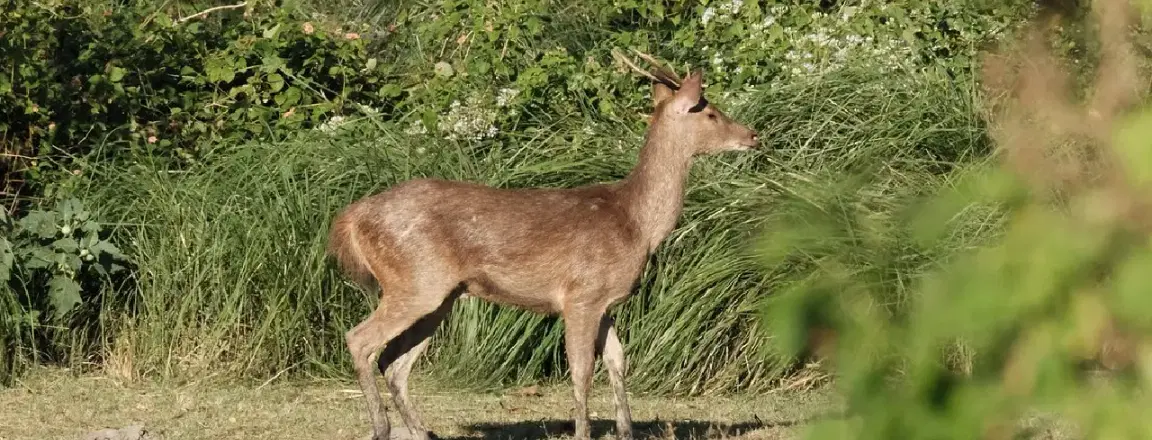
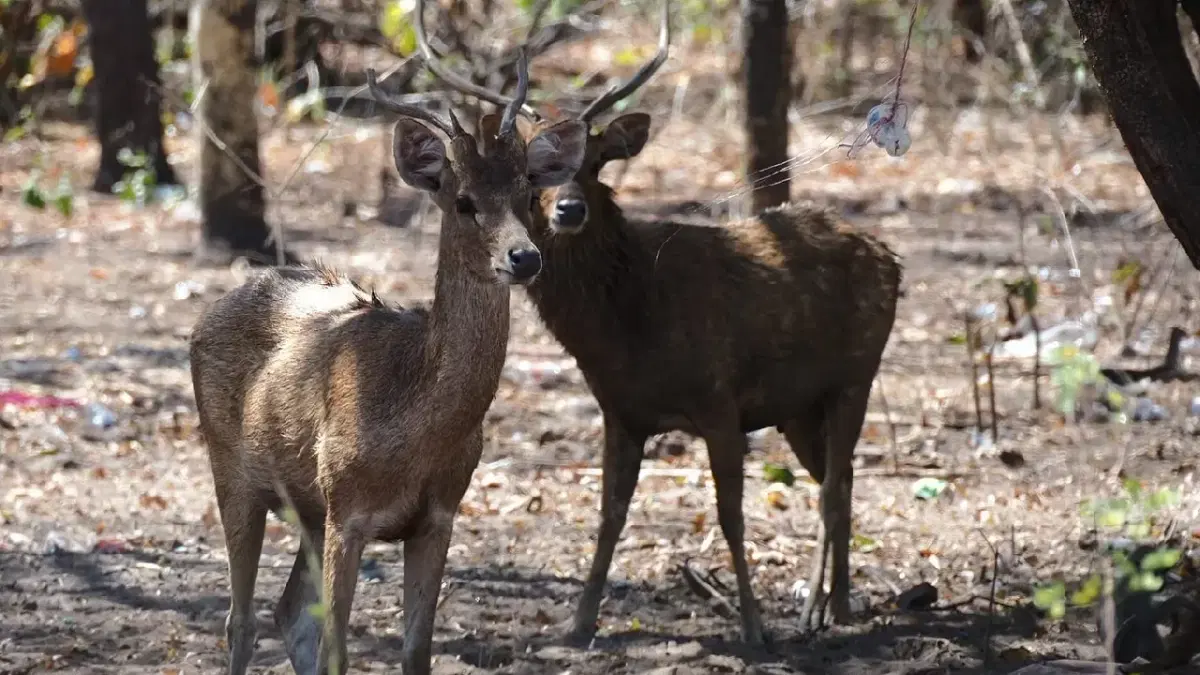
Tucked away on the island’s northwestern edge, West Bali National Park (Taman Nasional Bali Barat) is a side of Bali that feels raw and untouched. As Bali’s only official national park, it serves as the final sanctuary for the critically endangered Bali Starling. The park also protects some other animal species including deer, wild boar, and other bird species.
This guide delves into its history, conservation value, and why it deserves a spot on your Bali itinerary.
History and Establishment of West Bali National Park
The park was established in 1941 by the Dutch colonial government as a natural reserve. Later, the Indonesian government expanded the reserve to the nearby marine and coastal areas, thereby increasing the total area to about 19,000 hectares with 3,400+ hectares of protected marine waters and coral reefs. This protected area was officially inaugurated in 1984 by the Indonesian president Suharto during the World National Parks Congress in Bali, the area was declared a National Park by the Indonesian government.
Fact: The park was originally created to save the Bali Tiger, but sadly, the last confirmed sighting of the tiger was in 1937, just a few years before the official reserve was established. Today, the park’s focus has shifted to the successful recovery of the Bali Starling.
West Bali National Park Entrance Fees and Permits
| Days | Foreigners | Indonesians |
| Weekdays | Rs. 16,800 (200,000 IDR) | Rs. 55 (10,000 IDR) |
| Weekends/Holidays | Rs. 25,200 (300,000 IDR) | Rs. 82 (15,000 IDR) |
| Children | Free Entry | Free Entry |
Note: Fees must be paid in cash (IDR) at the ranger stations in Cekik or Labuhan Lalang. Diving, snorkelling, trekking permits and guided tours are charged separately.
Landscape and Ecosystems of West Bali National Park
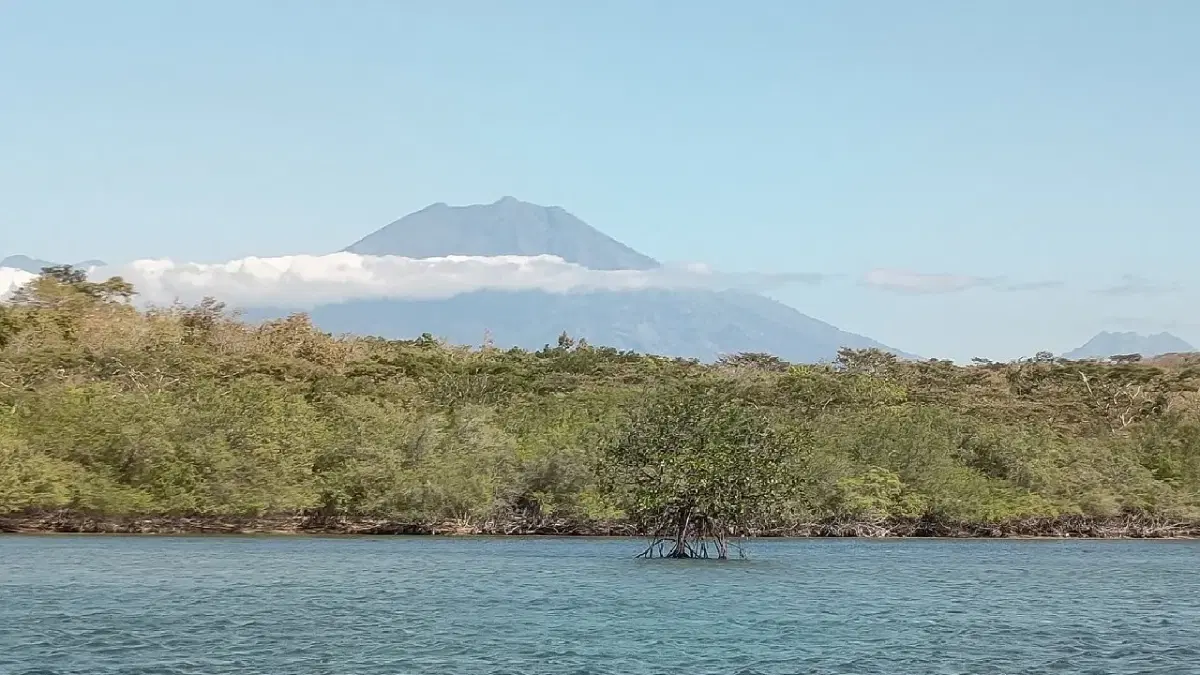
The Four Mountain Peaks
The park has four peaks that offer spectacular views and challenging hikes.
- Gunung Klatakan (698m): The most popular trekking peak within the park. The trail starts at Sumber Klampok and takes you through ancient rainforests with views of the Java Sea.
- Gunung Prapat Agung (375m): Located on the northern peninsula, this peak offers a panoramic view of the Bali Strait and the many "Menjangan" (deer) that roam the base.
- While Mount Patas and Mount Merbuk are iconic visual landmarks, they technically sit in the protected forest reserve just outside the official National Park boundary.
The Four Islands and Marine Protected Areas
The park has four islets that are part of its marine protected area.
- Menjangan Island: The crown jewel. Known globally for its underwater "coral walls" and the white-sand beaches where wild deer frequently bathe.
- Pulau Kalong (Bat Island): A vital mangrove islet. At sunset, thousands of flying foxes emerge from the mangroves, creating a spectacular natural display.
- Pulau Burung (Bird Island): A sanctuary for rare seabirds and a key nesting site for the endangered Bali Starling.
- Pulau Gadung: A smaller, uninhabited limestone islet surrounded by some of the park’s most diverse "macro" diving sites.
Top Things to Do in West Bali National Park
The park is a haven for nature lovers and adventure seekers. It offers a mix of wildlife and ocean experiences. One can live the best of the moments through the Bali Tour Packages.
1. National Park Land Safari
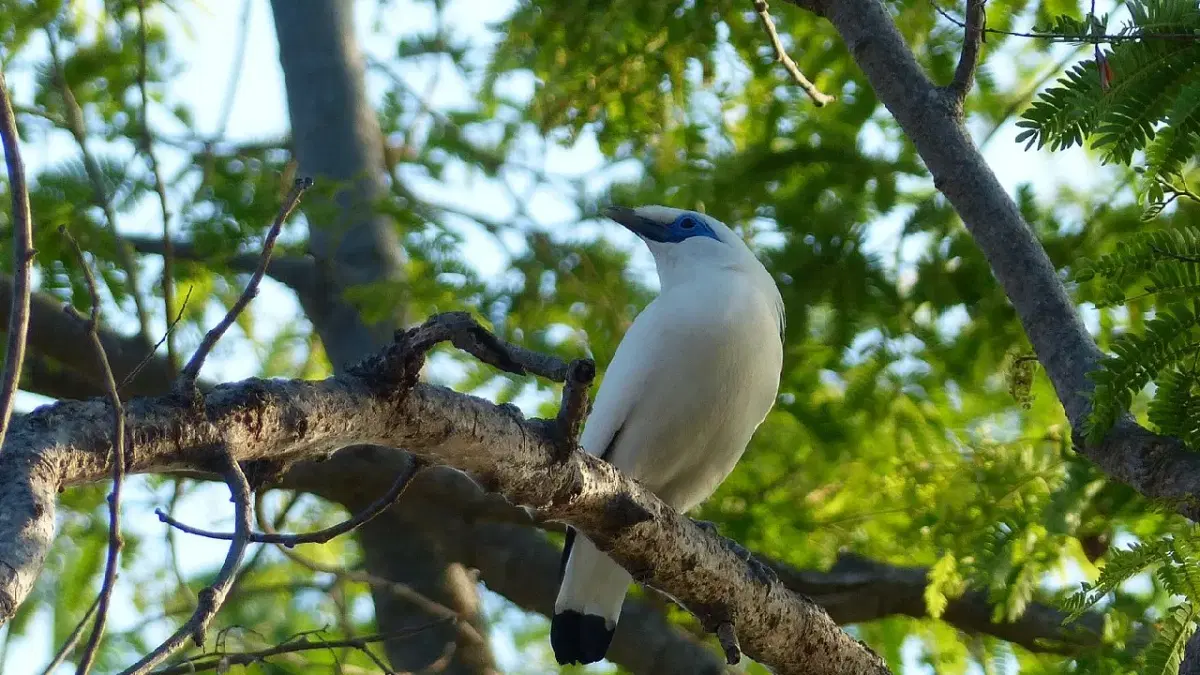
This is a guided tour specifically designed to spot the Bali Starling, one of the rarest birds in the world.
- The Experience: You’ll visit the breeding sanctuary and the savanna areas where they were successfully released into the wild.
- Best Time: Early morning (6:30 AM) is the only time to see them active.
2. Snorkelling and Diving at Menjangan Island
Menjangan is Bali’s premier snorkelling destination. Because the island is uninhabited, the coral walls remain pristine.
- What to See: Look for the famous anchor wreck, sea turtles, and pygmy seahorses.
- Cost: A full-day boat trip with lunch and gear typically starts at IDR 650,000 - 950,000 (₹3,575 - ₹5,225) per person.
- Note: You must bring your passport or a copy for the marine permit check at Labuhan Lalang.
3. Jungle Trekking
You cannot trek solo in the park; a ranger is mandatory to ensure both your safety and the protection of the forest.
- Routes: Choose between the easy Tegal Blunder trail (2 hours) or the challenging Mount Klatakan climb (5 hours).
- Ranger Fee: Expect to pay approx. IDR 350,000 (₹1,925) for a private guide.
4. Birdwatching
Birdwatching tours are one of the best experiences for nature lovers with over 160 species to watch for, thus making the park an epic destination for birders.
- Species: Sacred Kingfishers, Javan Kingfishers, and the Great Crested Tern.
- Tip: Guides at the Cekik headquarters have specialized binoculars and bird hides to get you the best views.
5. Explore the Mangroves
The winding waterways and dense coastal forests create one of the most peaceful natural escapes on the island. Kayaking or taking a boat through the mangrove forests offers a peaceful escape to experience the rich ecosystem. The mangroves here are some of the best-preserved in Indonesia.
- The Experience: Paddle through quiet tunnels of trees. It is incredibly silent and a great way to see monitor lizards and mud skippers.
- Cost: Kayak rentals start at IDR 250,000 (₹1,375) per hour.
Best Time to Visit West Bali National Park
The ideal time to visit this area is during the dry season, which runs from April to October. The season is characterised by good weather conditions with excellent underwater visibility. Hence, the wildlife is more active during this period and best for snorkelling visibility and trekking.
Note: If you are visiting during Nyepi (March 19, 2026), the park and all transport to it will be completely closed for 24 hours. Plan your travel dates carefully!
Accommodation options at West Bali National Park
The area has a variety of accommodation options that will suit your budget and preferences.
Within the park:
The Menjangan Resort, Mimpi Resort and Menjangan Dynasty Resort.
Near the park:
Budget Hotels
- Mimpi Resort Menjangan
- Sumberkima Hill Retreat
- Naya Gawana Resort and Spa
Mid-range Hotels
- Plataran Menjangan Resort and Spa
- The Menjangan
- Taman Sari Bali Resort and Spa
Luxury Hotels
- Waka Shorea Resort
- Menjangan Dynasty Resort
Self-Catering Villas
- Villa Manuk
- Villa Beten Bukit
- Villa Semadhi
Conclusion: Why West Bali National Park Is a Must-Visit in Bali?
West Bali National Park is a hidden gem of Indonesia that protects a rich diversity of ecosystems. The park presents a wide range of activities and experiences that offer a unique and unforgettable experience for nature and wildlife lovers. The area is also a home to the endangered Bali starling and countless other plant and animal species. Whether you wish to watch the sunrise from a traditional boat, spot your first wild Bali Starling or explore the forest secrets, this national park should definitely be on everyone’s Bali itinerary.
Frequently Asked Questions
Is West Bali National Park worth visiting?
Absolutely. West Bali National Park offers a completely different Bali experience, far from crowded tourist areas. The park features pristine coral reefs, rare wildlife and diverse ecosystems, thereby making it one of the most rewarding natural destinations in Indonesia.
Can you see the Bali Starling in the wild?
Yes. With a very limited wild population, sightings remain rare.
Do you need a guide to visit West Bali National Park?
Yes, guides are mandatory for most park areas as they enhance your experience significantly.
What is the best time to visit the park?
The dry season from April to October offers the best conditions. Early mornings (6:00 to 9:00 AM) provide optimal wildlife spotting, especially for birds.
How far is the West Bali National Park from major Bali destinations?
From Denpasar or southern Bali (Seminyak, Canggu, Sanur), expect a 4 to 4.5-hour drive. From Ubud, the journey takes approximately 3.5 hours. Lovina on the north coast is about 60 to 90 minutes away, while Pemuteran sits just 15 to 20 minutes from the park entrance.
What wildlife can you see in West Bali National Park?
The park hosts diverse wildlife, including Javan rusa deer, banteng (wild cattle), black-faced Javan lutung monkeys, long-tailed macaques, wild boar, monitor lizards and over 160 bird species. Marine life includes sea turtles, reef sharks, manta rays and countless tropical fish species.
Is Menjangan Island snorkelling suitable for beginners?
Yes, Menjangan Island offers excellent conditions for beginners.