
- Home
- Attractions
- Bangkok
- Grand Palace Bangkok: Tickets, Dress Code, Opening Hours & Visitor Guide (2026)
Grand Palace Bangkok: Tickets, Dress Code, Opening Hours & Visitor Guide (2026)
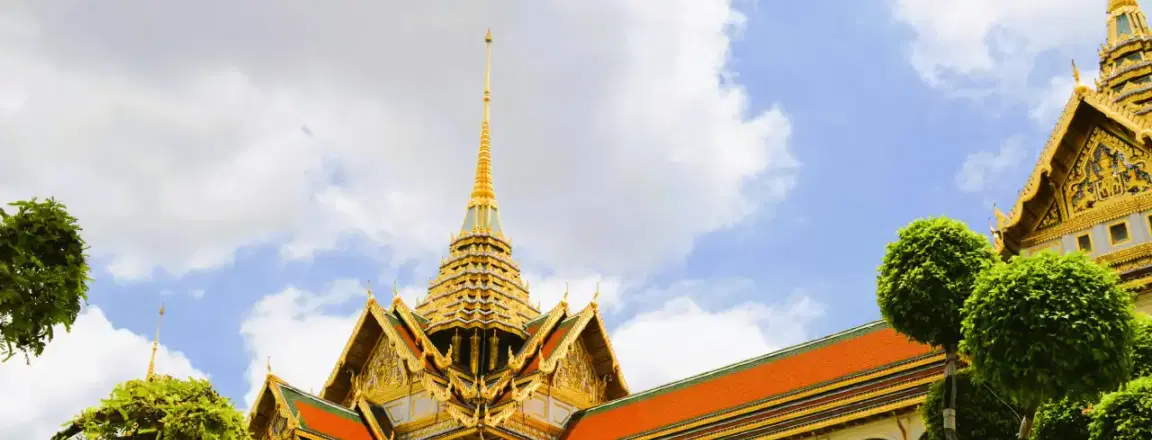
The Grand Palace Bangkok stands as a breathtaking symbol of Thailand’s royal legacy and artistic excellence. It is among the most iconic and historically significant landmarks in Thailand. This architectural masterpiece was once the official residence of the Thai Royal Family and remains one of the must-visit attractions in Thailand. The complex showcases intricate craftsmanship, golden spires and sacred temples that reflect the country’s rich cultural heritage. For travellers, it offers a captivating glimpse into Thailand’s history, traditions, and architectural brilliance all in one remarkable setting.
Why Visit the Grand Palace Bangkok?
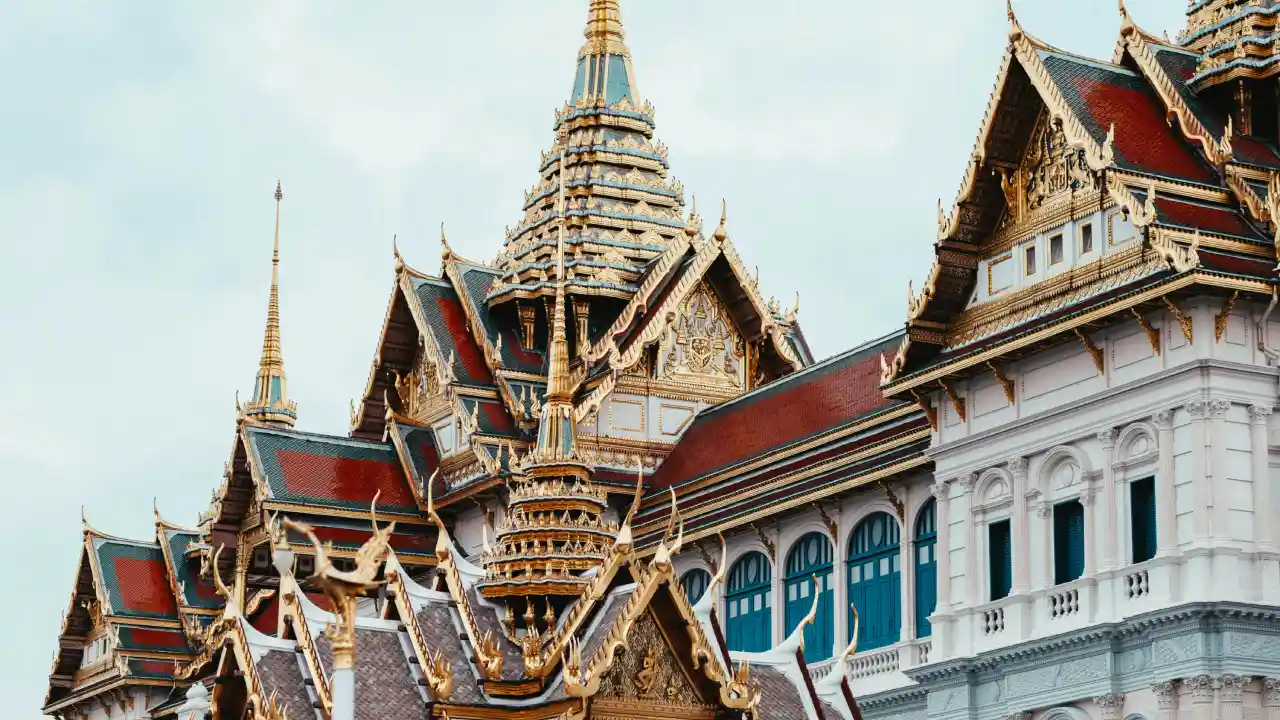
The Grand Palace Bangkok is one of Thailand’s most iconic cultural landmarks and a must-visit attraction for anyone exploring Bangkok. The palace complex showcases the grandeur of Thai royal history through glittering golden spires, ornate throne halls, sacred temples, and intricate murals. It is also home to Wat Phra Kaew (Temple of the Emerald Buddha), Thailand’s most sacred Buddhist temple, making the site both historically and spiritually significant.
For first-time visitors to Bangkok, the Grand Palace delivers one of the most complete introductions to Thai culture and history. Here, visitors can admire the stunning Chakri Maha Prasat Hall, explore over 2 km of Ramakien murals inspired by the Indian Ramayana and experience traditional Thai craftsmanship at its finest. The palace also offers insight into Thailand’s monarchy, ceremonial traditions, and artistic legacy.
Grand Palace Bangkok Tickets, Entry Fee & Opening Hours (2026 Guide)
Category | Details |
Opening hours | Daily, 8:30 AM – 4:30 PM |
Last ticket sale | 3:30 PM |
Recommended arrival time | Before 10:00 AM |
Entry fee | 500 THB per person (approx. Rs. 1,240) |
Included with ticket | Grand Palace grounds, Wat Phra Kaew (Temple of the Emerald Buddha), and the Queen Sirikit Museum of Textiles. Access to other buildings may vary depending on official conditions. |
Children | Free entry for those under 120 cm in height |
Audio guide | 200 THB (~ Rs. 500) |
Audio guide languages | English, French, German, Japanese, Mandarin, Russian, Spanish, Thai (no Hindi; English recommended for Indian visitors) |
Ticket purchase options | On-site at official booths near Mani Nopparat Gate Online at royalgrandpalace.th |
Grand Palace Bangkok Dress Code: What to Wear & What to Avoid
The dress code at the Grand Palace is one of the strictest among tourist sites in Bangkok. So, it is recommended to dress modestly with covered shoulders, chest and legs. If you are not dressed appropriately, you may be asked to rent or buy suitable clothing at the entrance.
What is required:
- Shoulders and upper arms must be covered (full sleeves or capped sleeves; no off-shoulder)
- Legs must be covered to below the knee
- No ripped, torn, or distressed fabric
- Closed shoes or sandals with a back strap are required; flip-flops and open-back sandals are generally not permitted.
- Remove shoes before entering the ordination hall (Ubosot) of Wat Phra Kaew
What not to wear:
- Sleeveless tops, tank tops, spaghetti straps
- Shorts, mini skirts, cycling shorts
- Tight leggings or yoga pants
- See-through fabrics
For travellers exploring more experiences across the city, here’s a full guide to things to do in Bangkok.
What to See Inside the Grand Palace, Bangkok
The complex is divided into four main zones. Here is what is open to visitors and what to prioritise.
Open vs. Restricted Areas — Quick Reference
Zone | Access | What's There |
Outer Court (Wat Phra Kaew) | Open | Emerald Buddha, murals, Wat Phra Kaew Museum |
Middle Court | Partial (weekdays) | Chakri Maha Prasat, Amarin Winichai Hall |
Inner Court | Closed to visitors | Former royal harem; no public access |
Dusit Maha Prasat | Open (access may be restricted during royal ceremonies) | Ceremonial hall used for royal state functions |
Queen Sirikit Museum of Textiles | Open | Royal garments, Thai silk; free with entry |
Gardens Quarter | Partial | Lawns, the golden Phra Si Rattana Chedi stupa |
Wat Phra Kaew (Temple of the Emerald Buddha) & the Emerald Buddha
The Phra Kaeo Morakot, the Emerald Buddha, is a seated meditating figure approximately 66 cm tall. This figure is carved from a single piece of green jasper and is regarded as the most sacred religious object in Thailand. It is a royal tradition for the King of Thailand to change the Emerald Buddha’s seasonal gold attire three times a year.
- Important for photography: Photography is permitted in the temple courtyard and along the murals. No photography inside the Ubosot, where the Emerald Buddha sits.
Ramakien Murals at the Grand Palace: Thailand’s Ramayana Connection
Inside the Grand Palace in Bangkok, the Ramakien Murals offer a strikingly familiar experience for Indian visitors. The 178 panels run for over 2 km along the inner wall of the Wat Phra Kaew and depict the Ramakien, Thailand’s national epic inspired by the Ramayana. As you walk through the palace galleries, the scenes of battles, divine figures, and moral tales feel closely connected to Indian tradition.
Grand Palace Throne Halls: Chakri Maha Prasat & Dusit Maha Prasat
A visit to the Throne Halls inside the Grand Palace feels like stepping into the ceremonial heart of Thai heritage, where history and artistry meet in striking detail. The halls are adorned with golden accents, polished teak wood, and finely crafted murals that quietly narrate stories of kingship and tradition. The Chakri Maha Prasat Throne Hall, built under Rama V in the 1880s, is a distinctive example of Thai-Western architectural fusion, while the Dusit Maha Prasat is the oldest and most perfectly proportioned building in the complex.
Queen Sirikit Museum of Textiles: Royal Thai Heritage & Exhibits
The Queen Sirikit Museum of Textiles in the Grand Palace is a beautifully curated space that showcases Thailand’s rich textile heritage through royal garments, traditional weaving techniques and evolving fashion narratives. Housed in a restored heritage building, the museum offers a calm, air-conditioned escape from the bustle of the palace complex, making it especially welcoming for travellers exploring in warm weather.
Looking to build a Bangkok itinerary around the Grand Palace and Bangkok's Old City temples? Check our Bangkok holiday packages with customisable day plans.
How to Reach the Grand Palace Bangkok (BTS, MRT, Boat & Taxi Routes)
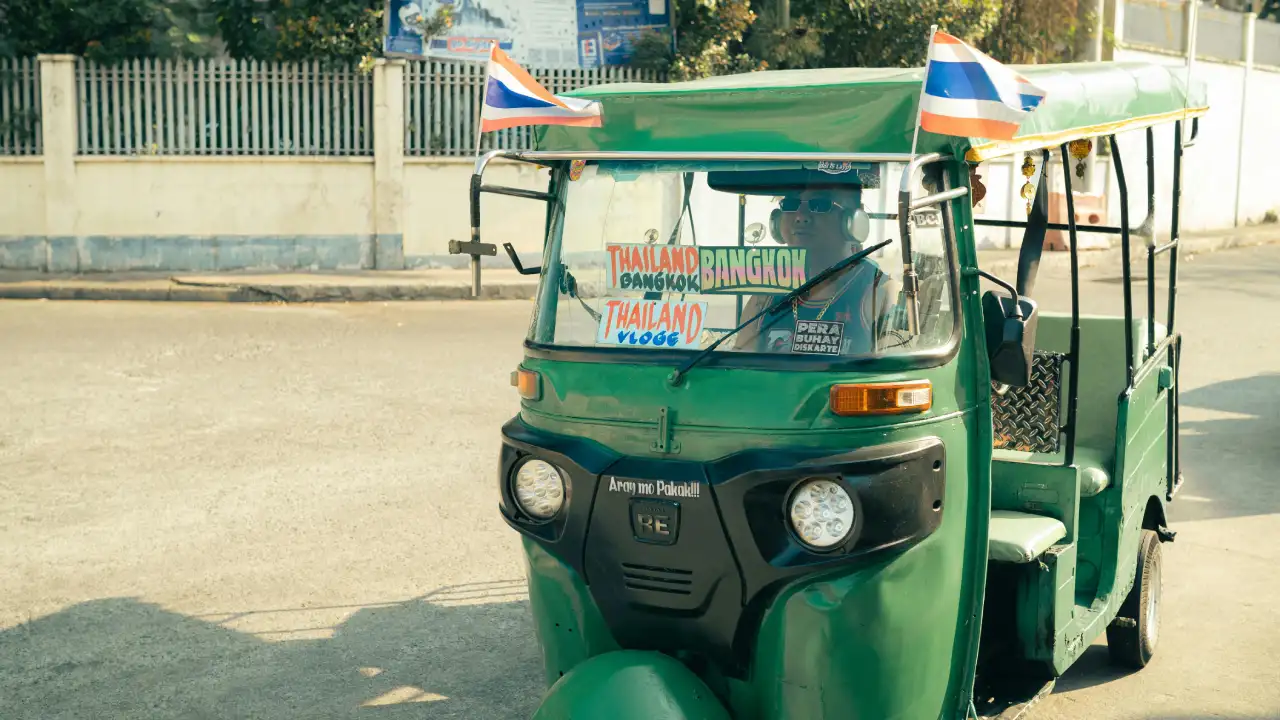
The Grand Palace is in Bangkok's Phra Nakhon district (the Old City). It sits on the banks of the Chao Phraya River. So, it cannot be directly served by the BTS or MRT. If you're planning a broader sightseeing route beyond the palace, explore the full list of places to visit in Bangkok.
By Chao Phraya Express Boat (Recommended): Take the BTS Silom Line to Saphan Taksin Station (Exit 2) and walk to Sathorn Pier. Board the Chao Phraya Express Boat (Orange Flag line) to Tha Chang Pier (N9). The Grand Palace is a 5-minute walk from the pier exit.
- Cost: 15–30 THB depending on the boat.
- Travel time: 20–30 minutes.
By MRT: Take the Blue Line to Sanam Chai station. From here, walk 15 minutes north to the Grand Palace.
By Grab or Taxi: One convenient way to reach the Grand Palace is via Grab or local taxis. However, traffic in Bangkok can get busy, especially during peak hours.
Best Time to Visit Grand Palace Bangkok (Weather, Season & Crowd Guide)
The cooler and drier months from November to February are the best time to visit the Grand Palace. This is when Bangkok’s weather is most comfortable for walking through the expansive courtyards and ornate temples without the heavy humidity or intense heat.
Best Time of day: Arrive at 8:30 AM when the gates open to avoid the crowds.
Best Time of year: For a detailed seasonal breakdown across the country, check the guide on the best time to visit Thailand.
Season | Months | Temperature | Crowd Level |
Cool Season (Best Time to Visit) | November–February | 25–33°C | High but manageable |
Hot Season | March–May | 36–40°C | Moderate |
Rainy Season (Good Value) | June–October | 28–34°C | Lower |
Grand Palace Bangkok Travel Tips for First-Time Visitors
- Currency conversion: 1 THB ≈ Rs. 2.48. The 500 THB entry fee is approximately Rs. 1,240.
- Audio guide in English: The official 200 THB audio guide is excellent and the closest you will get to a knowledgeable curator.
- Wheelchair access: The Grand Palace is accessible with paved paths. Some buildings have steps; the Queen Sirikit Museum of Textiles has lift access.
- Flights from India: Direct services from Delhi, Mumbai, Chennai, Bengaluru, and Hyderabad to Bangkok Suvarnabhumi operate daily. Flight options include Air India, IndiGo, Thai Airways, and Thai AirAsia. To simplify planning, you can check our Thailand tour packages for the best prices and curated experiences.
Conclusion: Is the Grand Palace Bangkok Worth Visiting?
The Grand Palace Bangkok is more than just a landmark. It is the cultural and historical heart of Thailand. For first-time visitors to Bangkok, the Grand Palace offers one of the most complete introductions to Thai history and architecture in a single visit. From the sacred Wat Phra Kaew (Temple of the Emerald Buddha) to the intricately detailed Ramakien murals and grand throne halls, every corner of the complex reflects Thailand’s royal heritage, spiritual traditions, and exceptional craftsmanship.
Frequently Asked Questions About the Grand Palace Bangkok
Is the Grand Palace Bangkok worth visiting?
Absolutely. It is one of Bangkok’s most visited landmarks and one of the most architecturally significant royal complexes in Southeast Asia. The Emerald Buddha, the Ramakien murals, and the throne halls alone justify a half-day. For Indian travellers, the Ramakien-Ramayana connection adds an unexpected layer of cultural resonance.
How much is the Grand Palace Bangkok ticket price?
The entrance fee is 500 THB per person — approximately Rs. 1,240. The ticket includes the Grand Palace, Wat Phra Kaew (Temple of the Emerald Buddha), the Queen Sirikit Museum of Textiles. Children under 120 cm enter free.
What is the dress code for the Grand Palace?
Shoulders and upper arms must be covered; legs must be covered below the knee; no ripped, sheer, or tight clothing; closed shoes or sandals with a back strap required. Clothing rental (200 THB) is available at the gate if you arrive underprepared. Scarves cannot substitute for a sleeved top.
How much time is needed to explore the Grand Palace?
Allow 2–3 hours for the Grand Palace alone. A combined visit with Wat Pho and Wat Arun takes a comfortable half day (8:30 AM to 4:00 PM).
Can I visit the Grand Palace without a guide?
Yes, you can visit without a guide. Many visitors use the official audio guide for a more informative self-guided experience.
What is the best time to visit the Grand Palace Bangkok?
Arrive at opening time (8:30 AM) to avoid the midday crowds and heat. November to February is the most comfortable season. March to May is intense heat; bring water and dress in breathable cotton.
What is the best way to reach the Grand Palace from central Bangkok?
The most scenic route: BTS Silom Line → Saphan Taksin Station → Chao Phraya Express Boat (Orange Flag) → Tha Chang Pier (N9) → 5-minute walk. Alternatively: MRT Blue Line → Sanam Chai → 15-minute walk. Both are preferable to taxis in peak-hour traffic.
What is inside the Grand Palace in Bangkok?
The complex holds Wat Phra Kaew (Emerald Buddha), the Chakri Maha Prasat and Dusit Maha Prasat throne halls, the Queen Sirikit Museum of Textiles, over 2 km of Ramakien murals, the golden Phra Si Rattana Chedi stupa, and multiple pavilions and gardens. In 2026, the Dusit Maha Prasat also houses the lying-in-state of Queen Sirikit, the Queen Mother.