
- Home
- Attractions
- Bangkok
- Wat Intharawihan, Bangkok
Wat Intharawihan, Bangkok
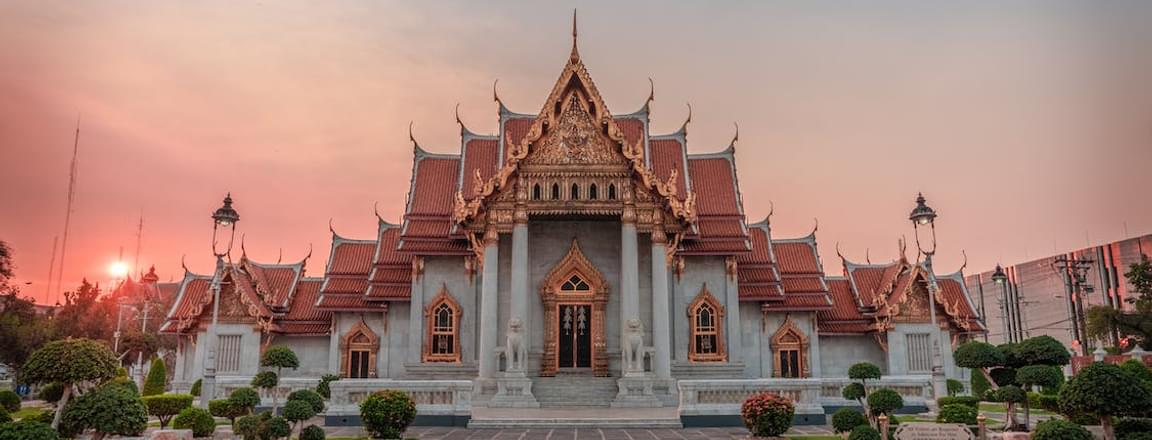
Wat Intharawihan is a peaceful Buddhist temple in Bangkok, best known for Luang Pho To, a towering 33.8-meter standing Buddha statue that has symbolized protection and faith for over 150 years. Rooted in Ayutthaya-era history, the temple offers a quieter, more authentic glimpse into Thailand’s spiritual life away from crowded tourist circuits. Ideal for travellers interested in Buddhist culture, traditional architecture, and calm cultural spaces, Wat Intharawihan is an easily accessible yet deeply enriching stop in Bangkok. This guide covers what to see, why it matters, and how to plan your visit smoothly.
About Wat Intharawihan, Bangkok
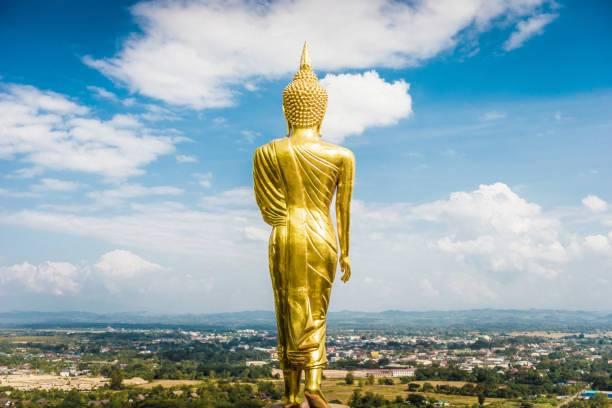
Wat Intharawihan, famous as Wat In, is a royal Buddhist temple that can be found in the Phra Nakhon district (Bang Khun Phrom/Banglamphu area) of Bangkok. The temple’s story is told through centuries of history. Initially, it was known as Wat Rai Phrik (meaning “vegetable-fields temple”), which was a result of its location among the vegetable fields that once surrounded it. However, the temple was later revamped and renamed Wat Intharawihan during the reign of King Vajiravudh (Rama VI).
The temple's main highlight is Luang Pho To (Phra Buddha Si Ariyametra), a 32-metre-tall, 10-metre-wide standing Buddha statue. This statue, made from brick and stucco, had its outline sketched in 1867 and gradually came to its current shape in 1927, which marked the completion of the statue almost six decades later. Restoration activities have been carried out to enhance the image, and the covering has been made with beautiful and lavish materials: at the moment, the surface of the statue is covered with beautiful glass mosaics and 24-carat gold, which was applied during a renovation approved in 1982 that marked the 200th anniversary of Bangkok.
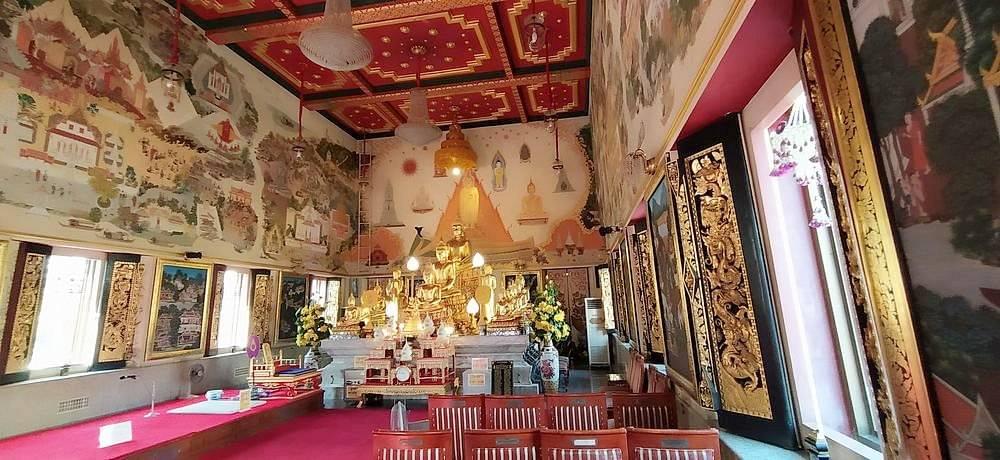
The temple premises contain an ordination hall (Ubosot/Bod) built traditionally with architectural elements of the Ayutthaya era, to which murals and elaborate boundary stones denoted by Naga motifs are also present. A small museum and several shrine spaces are available for visiting, while one of the shrines even belongs to the former abbot and another one to a Bodhisattva (Guanyin), which indicates a combination of Buddhist devotion and the local religious culture.
Wat Intharawihan Highlights
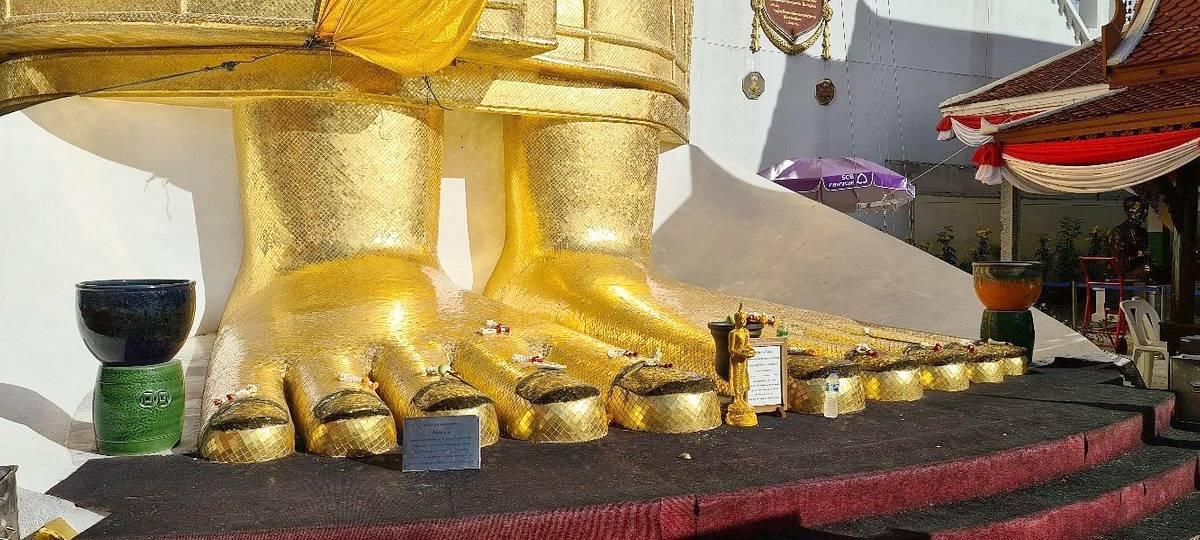
- The 32-meter Luang Pho To standing Buddha statue, one of Thailand's tallest, is adorned with gold leaf and glass mosaic (not 24 carats in weight).
- The ancient Ubosot (ordination hall) with Ayutthaya-style architecture, decorated with murals and Naga-marked sema stones, had intricate designs that attracted the most.
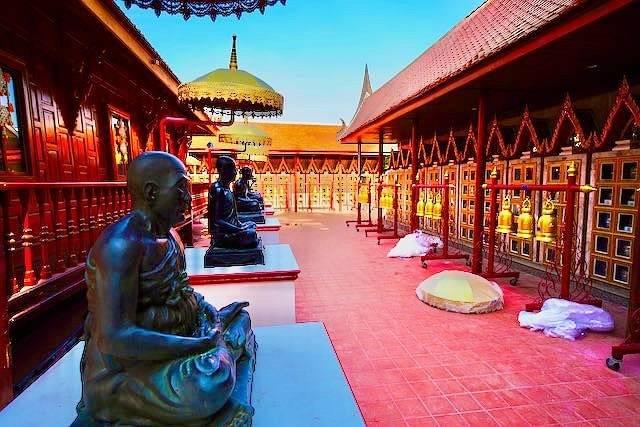
- The temple museum and shrine areas, such as the Guanyin shrine and wax-statue shrine of a great monk, tell us about Buddhist worship and Thai religious heritage.
- The quiet temple grounds by the Chao Phraya River are an ideal place for meditation or a spiritual retreat away from the crowded tourist places.
- Participating in traditional offerings is an honor: usually, visitors bring flowers, incense, boiled eggs, or fish, a holy way of connecting with the locals' beliefs.
- Free or very low-cost entrance (most sources say free entry; some mention small donation or nominal fees), so it is very much accessible to the cost-conscious travellers who are searching for a cultural stop that is significant.
Wat Intharawihan Details & Nearby Attractions
- Address: 144 Wisut Kasat Road, Bang Khun Phrom/Phra Nakhon District, Bangkok 10200, Thailand
- Opening Hours: Daily 6:00 AM – 6:00 PM (hours may vary)
- Suggested Visit Duration: 45 minutes to 1.5 hours, enough to view the statue, explore halls, and absorb the atmosphere
- Entry Fee: Free entry (donations welcome).
- Dress Code: Modest attire is recommended; cover shoulders and knees when entering halls or Buddha precincts. Remove shoes before entering the main halls.
- Behavior: Respectful silence, avoid loud noise, don’t point feet toward Buddha images, no smoking or disruptive behavior, and follow local etiquette.
Nearby Attractions & What You Can Combine
- Rama VIII Bridge & riverside, combined with a Chao Phraya river cruise/boat ride for scenic evening views. In the historic neighborhood of Banglamphu/Old City, you can include other temples, markets, or heritage sites in the same half-day itinerary.
- Easy access to other major temples and central Bangkok sightseeing zones, thanks to proximity
What to See & Do at Wat Intharawihan
Marvel at the Standing Buddha — Luang Pho To
Approach the 33.8-metre statue, observe the gold-mosaic surface, and note the usnisha (topknot), which contains a sacred Buddha relic from Sri Lanka enshrined in 1978. If permitted, climb the nearby stairs to the statue’s back, where many devotees apply gold leaf, offer flowers/incense or pray.
Visit the Ubosot (Ordination Hall) & Temple Museum
Inside, admire Ayutthaya-style architecture, traditional murals depicting Buddhist themes, Naga-boundary sema stones, and historic Buddha images. Also explore the wax statue shrine of a former abbot, and the Guanyin shrine reflecting syncretic Buddhist-folk devotion.
Participate in Traditional Offerings & Rituals
You can follow local customs, offering flowers, incense, boiled eggs or fish, especially at the statue’s feet, and observe devotees. Many believe praying here brings blessings, luck, or success.
Photography & Spiritual Reflection
Temple grounds provide beautiful opportunities for respectful photography, especially with early morning light or late afternoon glow on the golden Buddha. The quiet corners, bell tower, river-near surroundings, and temple architecture offer a serene backdrop.
Combination Itinerary Option — Temple + River + Old City Walk
You can easily combine a visit to Wat Intharawihan with a riverboat ride, a walk through old Bangkok’s heritage lanes, maybe a visit to other nearby temples or a local market, giving a balanced mix of spirituality, history, and local life.
How to Reach Wat Intharawihan, Bangkok
By River + Walk
Take the Chao Phraya Express Boat to Rama VIII Pier. From there, it’s about a 700-metre walk to the temple, ideal if you enjoy a riverfront approach.
By Taxi / Tuk-Tuk / Ride-Share
Easily accessible via central Bangkok, ask the driver for “Wisut Kasat Road / Wat Intharawihan, Phra Nakhon.
By Bus
Local buses (e.g., 10, 49) serve nearby roads.
Suggested Half-Day Itinerary with Wat Intharawihan
- 08:30 AM - Arrive at Wat Intharawihan (river-boat or taxi)
- 08:45 AM - 10:00 AM - Admire the standing Buddha, offer prayers or gold leaf, explore the statue from various angles and photograph
- 10:00 AM - 10:45 AM - Visit the Ubosot (ordination hall), temple museum and shrines (Guanyin shrine/abbot’s wax statue)
- 10:45 AM - 11:15 AM - Walk around temple grounds, soak in architecture and ambience
- 11:15 AM - Depart for nearby lunch, or head onwards to a nearby temple or riverside walk
This plan fits well; even if you only have a few hours, you’ll see the temple’s main attractions without rushing.
Why Visit Wat Intharawihan, Bangkok?
- Witness a world-class 33.8-meter golden standing Buddha, a truly awe-inspiring experience.
- Get a glimpse into Thai religious traditions, craftsmanship, and cultural heritage.
- Enjoy a peaceful temple visit far from tourist crowds or hectic markets
- Ideal for spiritual reflection, photography, cultural learning, for free or minimal cost
- Easily accessible and can be combined with river rides, old town walks, or other temple visits
Top Things to Do at Wat Intharawihan
- Marvel at the golden Standing Buddha statue (Luang Pho To) and, if allowed, offer gold leaf/flowers/incense
- Explore the ordination hall (Ubosot) and observe murals, architecture, and historical religious art.
- Visit the temple museum & shrines, including the Guanyin shrine and abbot’s memorial.
- Walk around the temple grounds, photographing the architecture, temple boundary stones, and quiet corners.
- Combine with a riverboat ride to Rama VIII Bridge and Bangkok's old town or a riverside walk for a full half-day cultural experience.
Conclusion-
Wat Intharawihan, Bangkok, is an outstanding combination of spirituality, history, and beauty. The 33.8-meter-high Buddha statue, the luxuriously ornamented temples and altars, the meek but mighty religious presence, and the convenient location all together make the place a prime spot for the culture thirsters visiting Bangkok. No matter whether you are a practicing Buddhist, a history buff, an inquirer, or a photographer, Wat Intharawihan is a place that is not only memorable but also humbling and beautiful. It is the very core of Thailand that you have just experienced. If understanding Bangkok only in terms of nightlife and markets is your intention, then this temple is the place that will surely give you an unforgettable spiritual insight into Thai culture.
FAQs on Wat Intharawihan
1. Is there an entry fee at Wat Intharawihan Bangkok?
Entry to Wat Intharawihan Bangkok is generally free, though visitors are encouraged to make a small donation or pay a nominal fee of around 40 THB for temple upkeep.
2. What are the opening hours of Wat Intharawihan Bangkok?
Wat Intharawihan is typically open daily from 6:00 AM to 6:00 PM, though some days may extend until 8:00 PM; it’s best to confirm locally on arrival.
3. How much time should I plan for visiting Wat Intharawihan Bangkok?
Most visitors spend 45 to 90 minutes exploring the temple, while those offering prayers, meditating, or taking photos may spend up to 2 hours.
4. Is photography allowed inside Wat Intharawihan Bangkok?
Yes, photography is generally allowed, but visitors should avoid using flash inside prayer halls, remain respectful during worship, and follow temple etiquette.
5. How do I reach Wat Intharawihan Bangkok?
Wat Intharawihan Bangkok can be reached by Chao Phraya River Express Boat (get down at Rama VIII Pier and walk about 700 metres) or via taxi, tuk-tuk, or local buses from central Bangkok.
6. Why is Wat Intharawihan Bangkok famous?
Wat Intharawihan is famous for housing one of Thailand’s tallest standing Buddha statues, richly adorned with gold and sacred relics, and representing key historical phases from the Ayutthaya era to modern Bangkok.