
- Home
- Attractions
- Bangkok
- Wat Mangkon Kamalawat Bangkok 2026 Guide: Chinatown’s Famous Dragon Lotus Temple
Wat Mangkon Kamalawat Bangkok 2026 Guide: Chinatown’s Famous Dragon Lotus Temple
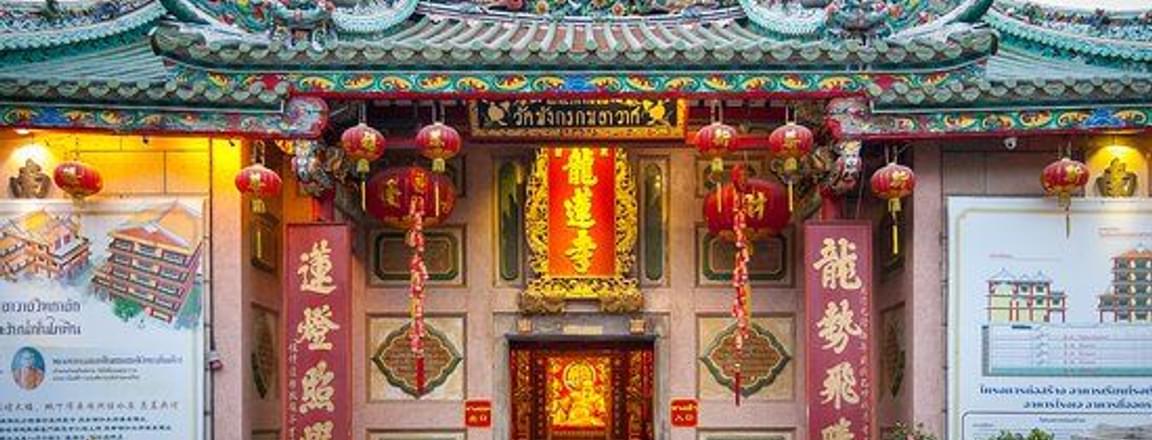
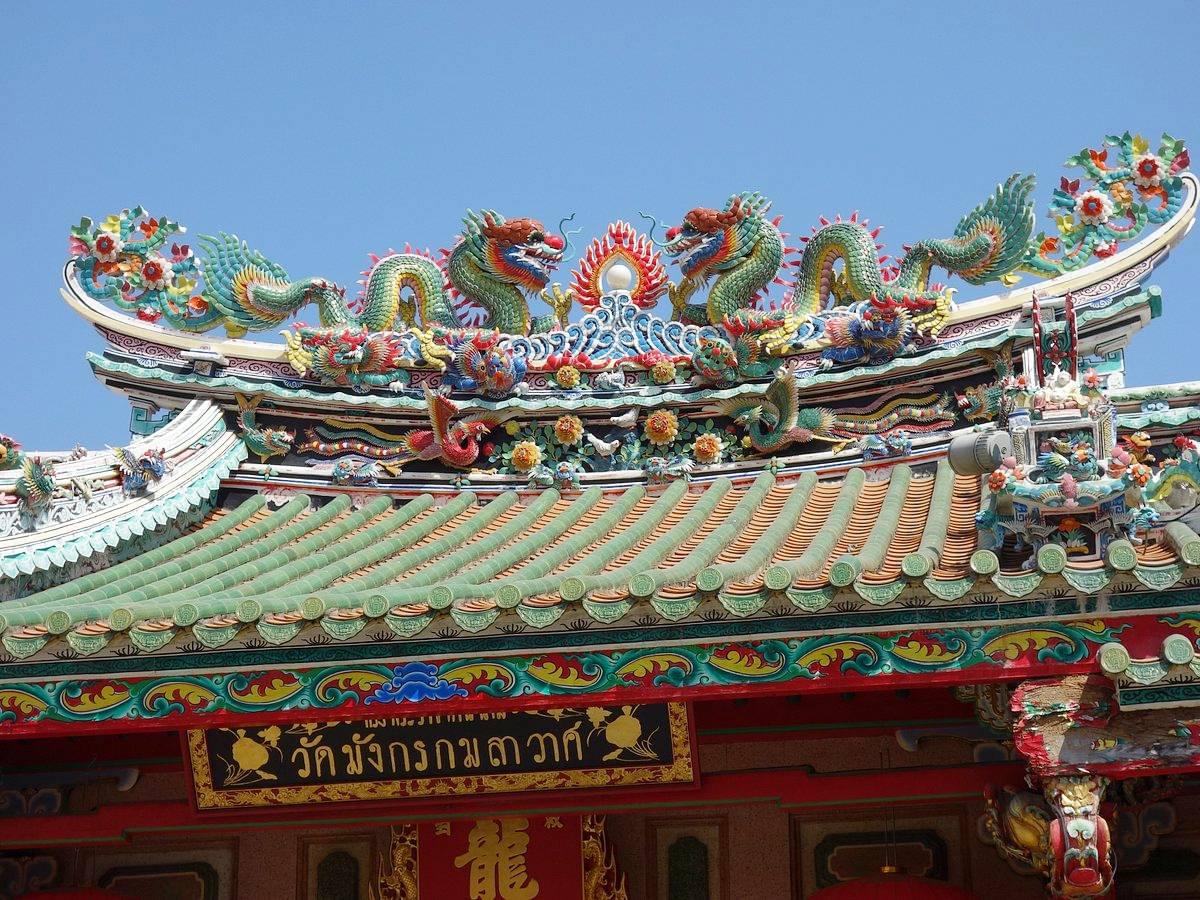
Hidden in the heart of Bangkok’s vibrant Chinatown, Wat Mangkon Kamalawat is one of the city’s most fascinating temples to include in your Bangkok tour packages. Also known as the Dragon Lotus Temple, this stunning Chinese-Buddhist temple is filled with giant dragon statues, glowing lanterns, incense-filled halls, and colourful traditional architecture.
Whether you visit during Chinese New Year or on a quiet afternoon, Wat Mangkon Kamalawat offers a completely different side of Bangkok beyond shopping malls and rooftop bars. From cultural rituals and local beliefs to photography spots and travel tips, this guide covers everything you need before visiting Wat Mangkon Kamalawat, Bangkok.
Things to Know Before Visiting Wat Mangkon Kamalawat
Detail | Information |
| Location | 423 Charoen Krung Road, Samphanthawong, Chinatown (Yaowarat), Bangkok, Thailand |
| Also Known As | Dragon Lotus Temple |
| Temple Type | Chinese-Buddhist Temple |
| Famous For | Dragon statues, Chinese architecture, spiritual rituals, and Chinese New Year celebrations |
| Built In | 1871 |
| Founded By | Chinese Buddhist community in Bangkok |
| Entry Fee | Free |
| Opening Hours | Daily 6:00 AM – 6:00 PM (extended during festivals) |
| Best Time to Visit | Early morning or during Chinese festivals |
| Nearest MRT Station | Wat Mangkon MRT Station (Blue Line, Exit 3) |
| Riverboat Access | Chao Phraya Express to Ratchawong Pier, followed by a 10-minute walk |
| Dress Code | Shoulders and knees must be covered; shoes must be removed before entering prayer halls |
| Ideal Visit Duration | 45 minutes to 1.5 hours (half a day if exploring Chinatown food nearby) |
Why Visit Wat Mangkon Kamalawat in Bangkok Chinatown?
Located in the heart of Chinatown, Wat Mangkon Kamalawat is one of the most unique cultural and spiritual attractions in Bangkok. The temple blends Chinese architecture, Buddhist traditions, colourful decorations, and local rituals, making it a fascinating stop for travellers exploring Bangkok beyond the usual tourist spots.
Top Reasons to Visit Wat Mangkon Kamalawat
- Beautiful Chinese Architecture: Admire traditional Chinese-style roofs, dragon sculptures, red lanterns, and intricate temple details throughout the complex.
- Spiritual & Cultural Experience: Experience local Buddhist rituals, incense ceremonies, prayer offerings, and the peaceful spiritual atmosphere inside the temple.
- Easy Accessibility: Wat Mangkon MRT Station is located nearby, making the temple very easy to reach from different parts of Bangkok.
- Great Photography Spot: The temple’s lanterns, dragon statues, colourful interiors, and traditional Chinese designs make it ideal for photography lovers.
- Peaceful Escape in Bangkok: Despite being in a busy area, the temple offers a calm and relaxing atmosphere away from traffic and nightlife in Bangkok.
About Wat Mangkon Kamalawat: History, Architecture & Cultural Significance
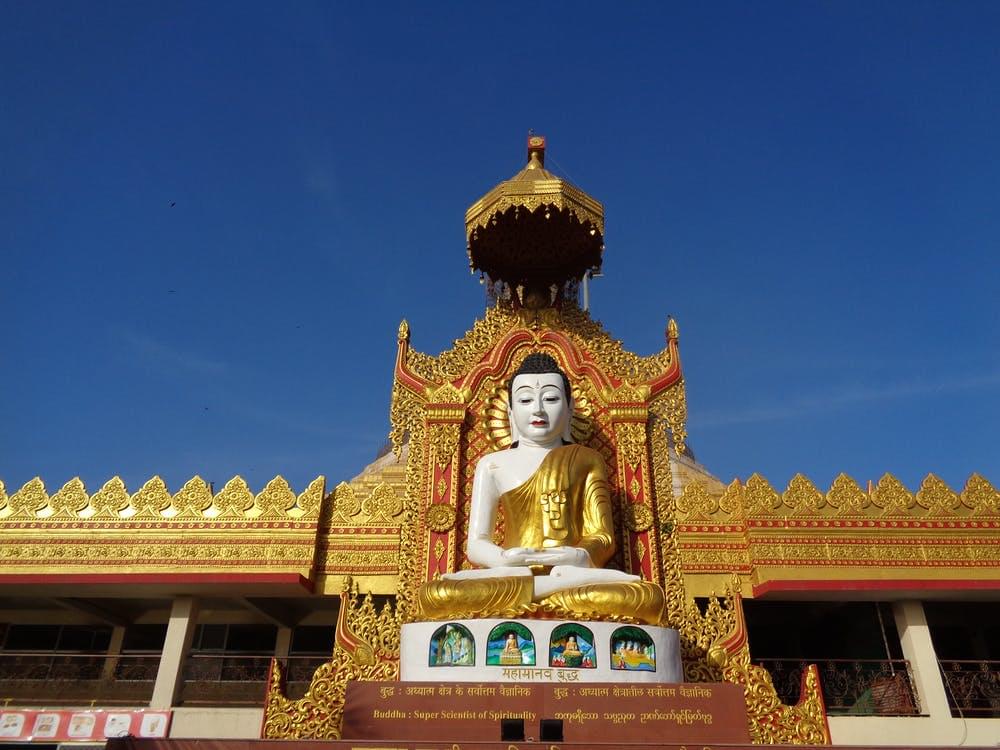
Also known as the Dragon Lotus Temple, Wat Mangkon Kamalawat is one of the most important Chinese-Buddhist temples in Thailand. Built between 1871 and 1872 during the reign of King Rama V, the temple was created to unite Buddhist, Taoist, and Confucian traditions followed by the city’s Chinese-Thai community.
Located in the heart of Chinatown, the temple stands out for its colourful dragon carvings, glowing red lanterns, incense-filled prayer halls, ceramic rooftops, and guardian statues. Beyond the architecture, visitors can experience traditional rituals, local beliefs, and a peaceful spiritual atmosphere rarely found elsewhere in bustling Bangkok.
What to See Inside the Temple
The Hall of Heavenly Kings (Entry Hall)
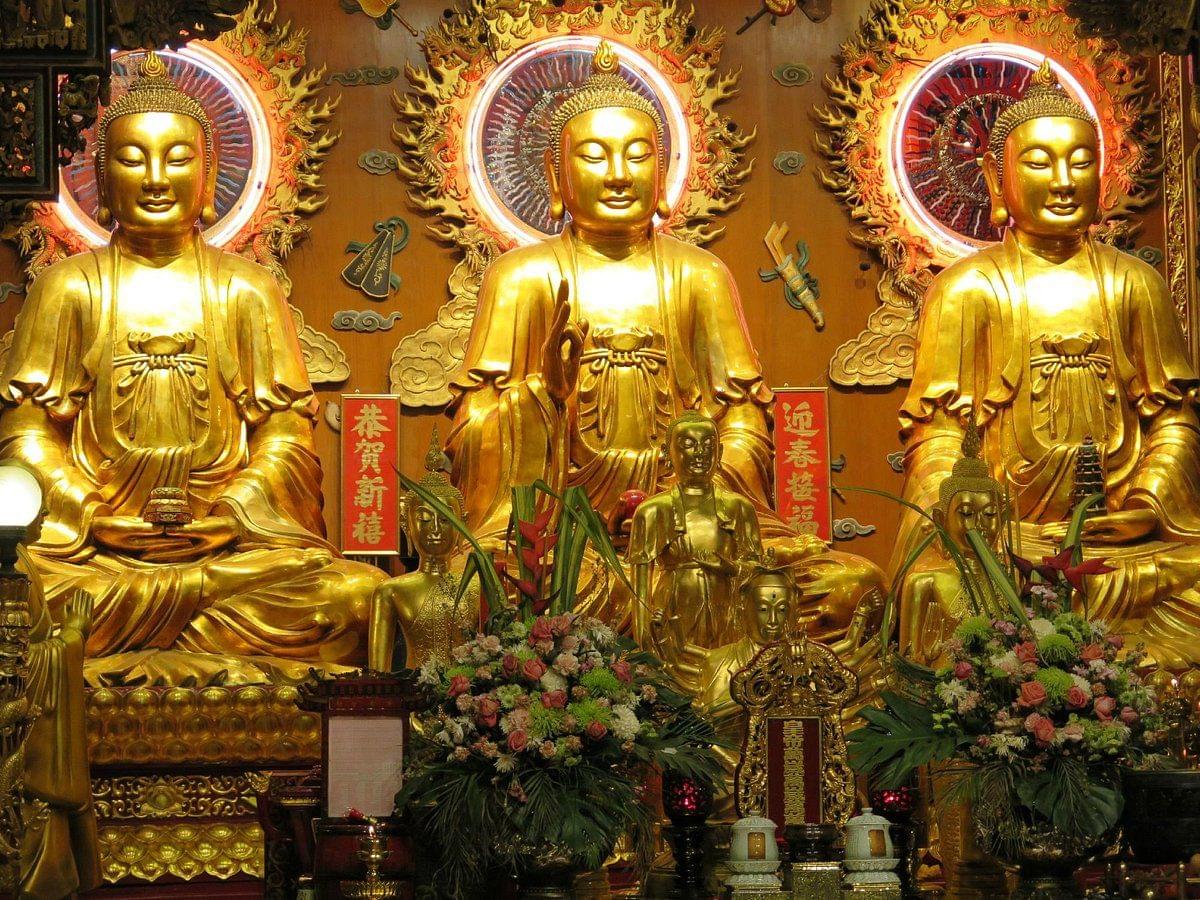
As you enter Wat Mangkon Kamalawat, Bangkok the Hall of Heavenly Kings immediately grabs attention with four giant celestial guardian statues protecting the temple’s cardinal directions. Each figure holds symbolic objects and stands inside glass enclosures, creating an impressive yet intimate atmosphere. At the back, a smiling Chinese-style Maitreya Buddha welcomes visitors with a peaceful and cheerful presence.
The Main Ordination Hall
The Main Ordination Hall is the spiritual heart of the temple, featuring a beautiful gold-toned Buddha statue that blends Chinese and Thai artistic styles. Fresh fruit offerings, incense smoke, drums, and bells create a deeply immersive atmosphere during prayer rituals. The hall feels both peaceful and vibrant, especially during busy worship hours filled with local devotees.
The Three Rear Pavilions
Beyond the main hall of Wat Mangkon Kamalawat, visitors can explore smaller pavilions dedicated to important spiritual figures. The Guanyin Pavilion honours the goddess of compassion and attracts many worshippers, while the Founder’s Pavilion is dedicated to the temple’s founding monk. Another pavilion celebrates a respected Chinese saint figure. At the rear of the complex, you’ll also find smaller Buddha statues, peaceful prayer areas, and wooden memorial tablets dedicated to past donors and ancestors.
The Courtyard Furnace
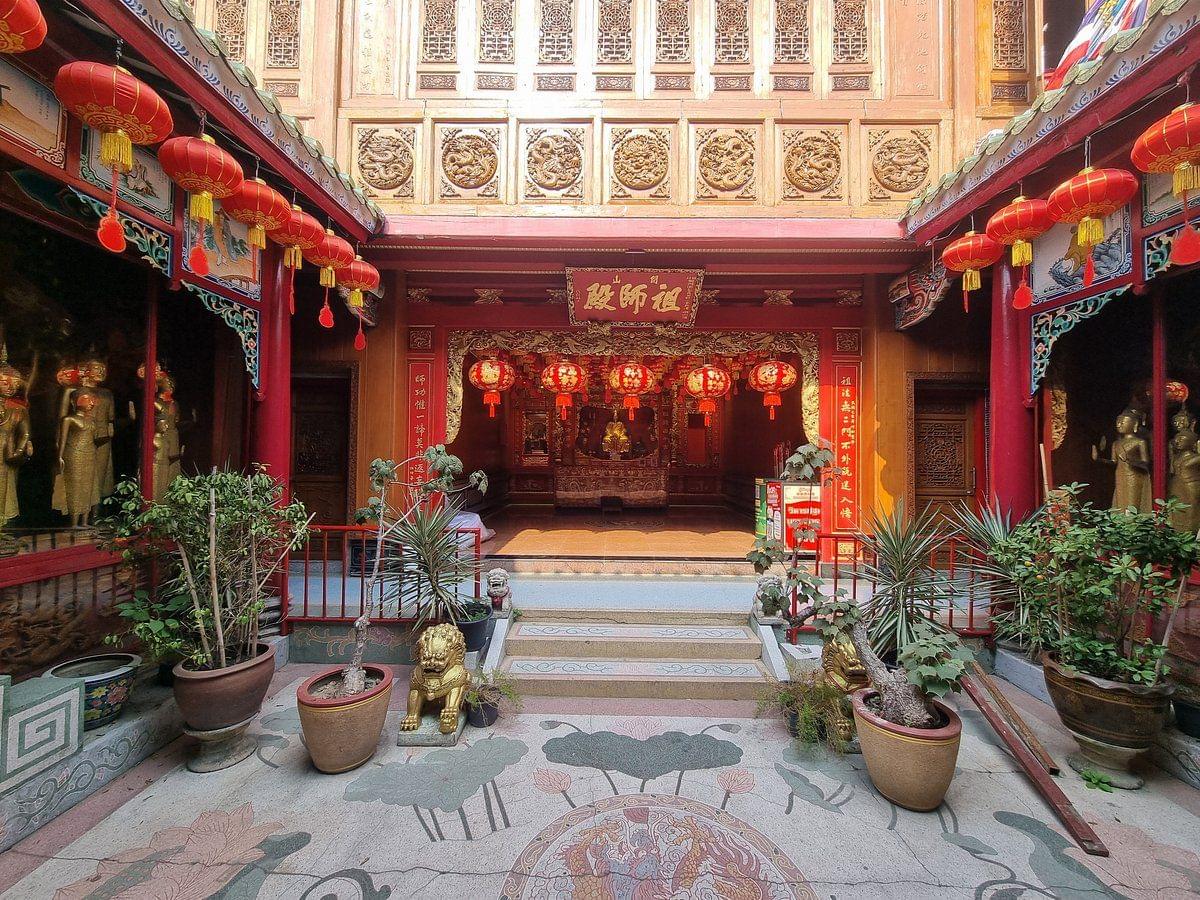
In the central courtyard, a large furnace burns paper offerings — paper money, paper goods, paper replicas of cars and houses — for ancestors in the spirit world. This practice, common across Chinese Buddhist and Taoist traditions, happens at all hours. Watching it is not intrusive; it is very much part of the public rhythm of the temple.
Best Time to Visit Wat Mangkon Kamalawat Bangkok
The best time to visit Bangkok’s Wat Mangkon Kamalawat is early in the morning between 8 AM and 10 AM, when the temple is quieter, cooler, and more peaceful for photography and cultural exploration. Weekdays are usually less crowded than weekends.
For the most vibrant atmosphere, visit during the Chinese New Year or the Vegetarian Festival, when the temple and Bangkok’s Chinatown come alive with lanterns, dragon dances, incense rituals, and cultural celebrations. The cooler months from November to February also offer the most comfortable weather for exploring Chinatown and nearby attractions.
How to Reach Wat Mangkon Kamalawat in Chinatown, Bangkok
Located in the heart of Bangkok’s Chinatown, Wat Mangkon Kamalawat is easy to reach using Bangkok’s public transport system, taxis, or river ferries.
- By MRT (Best Option): Take the MRT Blue Line and get off at Wat Mangkon MRT Station. The temple is only a short 2–5 minute walk from exit 1.
- By Taxi or Grab: Use Grab or local taxis for direct access from anywhere in Bangkok. Traffic in Chinatown can be heavy during evenings and weekends.
- By BTS + MRT: Take the BTS Skytrain to Asok Station, then switch to the MRT Blue Line towards Wat Mangkon Station.
- By Chao Phraya River Ferry: Travellers exploring Bangkok’s riverside attractions can take a river ferry to nearby piers and continue by taxi or tuk-tuk to Chinatown.
- From Suvarnabhumi Airport: The fastest route is the Airport Rail Link to MRT connections, followed by the MRT Blue Line to Wat Mangkon Station. The journey usually takes around 45–60 minutes, depending on traffic and transfers.
Festivals Celebrated at Wat Mangkon Kamalawat
Festival | Time of Year | Highlights |
| Chinese New Year | January / February | Dragon dances, lantern decorations, incense rituals, prayer ceremonies, and large crowds of worshippers |
| Vegetarian Festival | September / October | Vegetarian street food stalls, spiritual cleansing rituals, temple ceremonies, and traditional Chinese cultural practices |
| Vesak Day (Buddha’s Birthday) | May | Candlelight ceremonies, merit-making rituals, prayers, and peaceful religious gatherings |
| Lunar Ghost Festival | August / September | Ancestor offerings, incense burning, paper offerings, and traditional Chinese Buddhist rituals |
| Mid-Autumn Festival | September | Lantern displays, mooncake celebrations, cultural performances, and festive temple decorations |
Best Places to Visit Near Wat Mangkon Kamalawat
Wat Mangkon Kamalawat sits at the cultural centre of a neighbourhood dense with independent things to do. A logical Chinatown half-day, moving on foot:
- Wat Traimit (Golden Buddha Temple): Located just a short walk from Wat Mangkon Kamalawat, Wat Traimit is home to one of the most famous Buddha statues in Thailand. The temple also houses a museum highlighting the history and culture of Bangkok’s Chinese community, making it a worthwhile cultural stop while exploring Chinatown.
- Sampeng Lane Market: If you enjoy shopping and local market experiences, Sampeng Lane is one of Bangkok’s most exciting hidden shopping streets. This narrow Chinatown alley is packed with fabric shops, accessories, souvenirs, snacks, and wholesale products at affordable prices.
- Leng Buai Ia Shrine: For a quieter spiritual experience, visit Leng Buai Ia Shrine near Chinatown. This traditional Chinese shrine is known for incense rituals, fortune-telling practices, and a peaceful atmosphere away from Bangkok’s busy tourist crowds.
- Yaowarat Road: No visit to Chinatown is complete without exploring Yaowarat Road after sunset. Famous for its street food scene, the area is filled with grilled seafood, roast duck, noodle stalls, desserts, and traditional Chinese-Thai dishes loved by both locals and tourists.
If you are planning broader Bangkok sightseeing beyond Chinatown, Bangkok things to do guide covers the full city across neighbourhoods.
Essential Tips for Visiting Wat Mangkon Kamalawat
- Dress Modestly: Wear clothing that covers your shoulders and knees, as the temple is an active place of worship.
- Visit Early Morning: Arriving early helps you avoid crowds, heat, and busy Chinatown traffic while enjoying a calmer atmosphere.
- Use the MRT: The easiest way to reach the temple is via Wat Mangkon MRT Station, located just a short walk away.
- Remove Shoes When Required: Some prayer halls may require visitors to remove footwear before entering.
- Respect worshippers: Keep noise low and avoid interrupting people during prayers or religious rituals.
- Carry Cash: A small amount of cash is useful for donations, local snacks, souvenirs, and Chinatown street food nearby.
- Be prepared for incense smoke: The temple can get smoky during prayer ceremonies, especially during festivals and weekends.
Conclusion: Why Wat Mangkon Kamalawat Is Worth Visiting in Bangkok
A visit to Wat Mangkon Kamalawat offers far more than just temple sightseeing. From colourful Chinese architecture and peaceful prayer halls to cultural rituals and Chinatown’s lively atmosphere, the Dragon Lotus Temple gives travellers a unique glimpse into Bangkok’s Chinese-Thai heritage. Whether you are interested in photography, spirituality, local culture, or hidden gems in Bangkok, Wat Mangkon Kamalawat is a fascinating place worth adding to your Bangkok itinerary.
FAQs – Wat Mangkon Kamalawat 2026
What is Wat Mangkon Kamalawat known for?
Wat Mangkon Kamalawat is famous for its Chinese-Buddhist architecture, giant dragon decorations, red lanterns, incense-filled prayer halls, and spiritual rituals. Located in Bangkok’s Chinatown, it is considered the most important Chinese-Buddhist temple in Thailand and becomes especially lively during Chinese New Year celebrations.
What is the dress code for Wat Mangkon Kamalawat?
Visitors should wear modest clothing that covers the shoulders and knees when visiting the temple. Shoes may also need to be removed before entering prayer halls, as Wat Mangkon Kamalawat is an active place of worship.
Is Wat Phra Kaew worth visiting?
Yes, Wat Phra Kaew is one of Bangkok’s most iconic temples and is famous for housing the sacred Emerald Buddha. Its detailed architecture, golden structures, and location inside the Grand Palace complex make it one of the top cultural attractions in Bangkok.
Is entry to Wat Mangkon Kamalawat free?
Yes, entry to Wat Mangkon Kamalawat is completely free. However, donation boxes are placed around the temple for visitors who wish to contribute towards temple maintenance and religious activities.
5. What is the What is the difference between Wat Mangkon Kamalawat and other Bangkok temples?best time to visit Wat Mangkon Kamalawat Bangkok?
Unlike many traditional Thai temples, Wat Mangkon Kamalawat follows Chinese-Buddhist traditions and combines Buddhist, Taoist, and Confucian influences. Its Chinese-style architecture, dragon statues, lanterns, incense rituals, and Chinatown location give it a very different atmosphere from temples like Wat Arun or Wat Pho.