
- Home
- Attractions
- Chiang Mai
- Pratu Tha Phae Chiang Mai Guide: History, Highlights & Visiting Tips
Pratu Tha Phae Chiang Mai Guide: History, Highlights & Visiting Tips
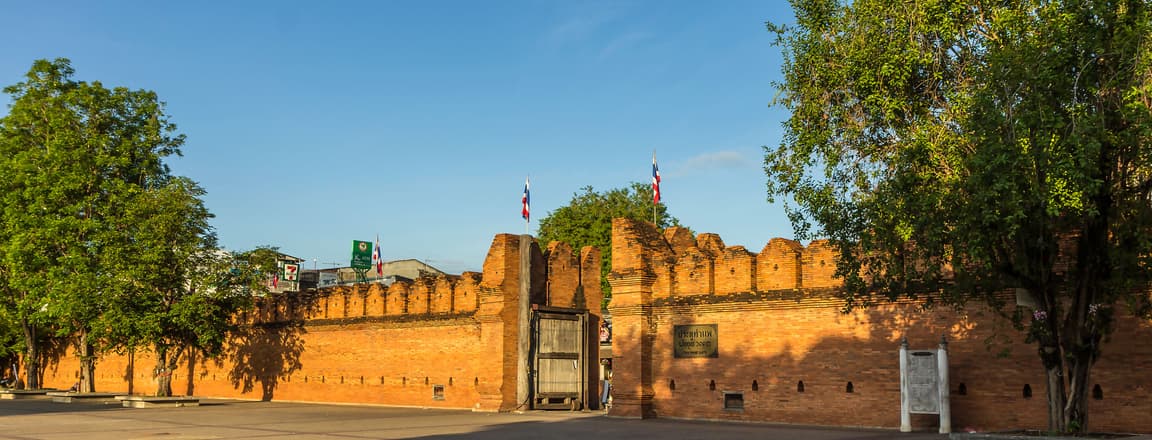
Located at the very centre of Chiang Mai—an intersection of history, culture, and urban lifestyle—one can see Pratu Tha Phae, the most famous among the northern Thai city’s landmarks. This ancient gate is not only a point on the map but also a monument to Chiang Mai’s past, a place where people meet and where festivals, nightlife, and different cultural activities take place in a colourful manner.
Pratu Tha Phae is a fantastic place for your travelling activities across Chiang Mai, whether visiting the ancient wall of the city, sampling local street food, or enjoying the mountain sunset views, which are very beautiful. This thorough 2026 guide takes you through the past, highlights, the best times to visit, attractions around, and how to incorporate this site into your schedule.
About Pratu Tha Phae
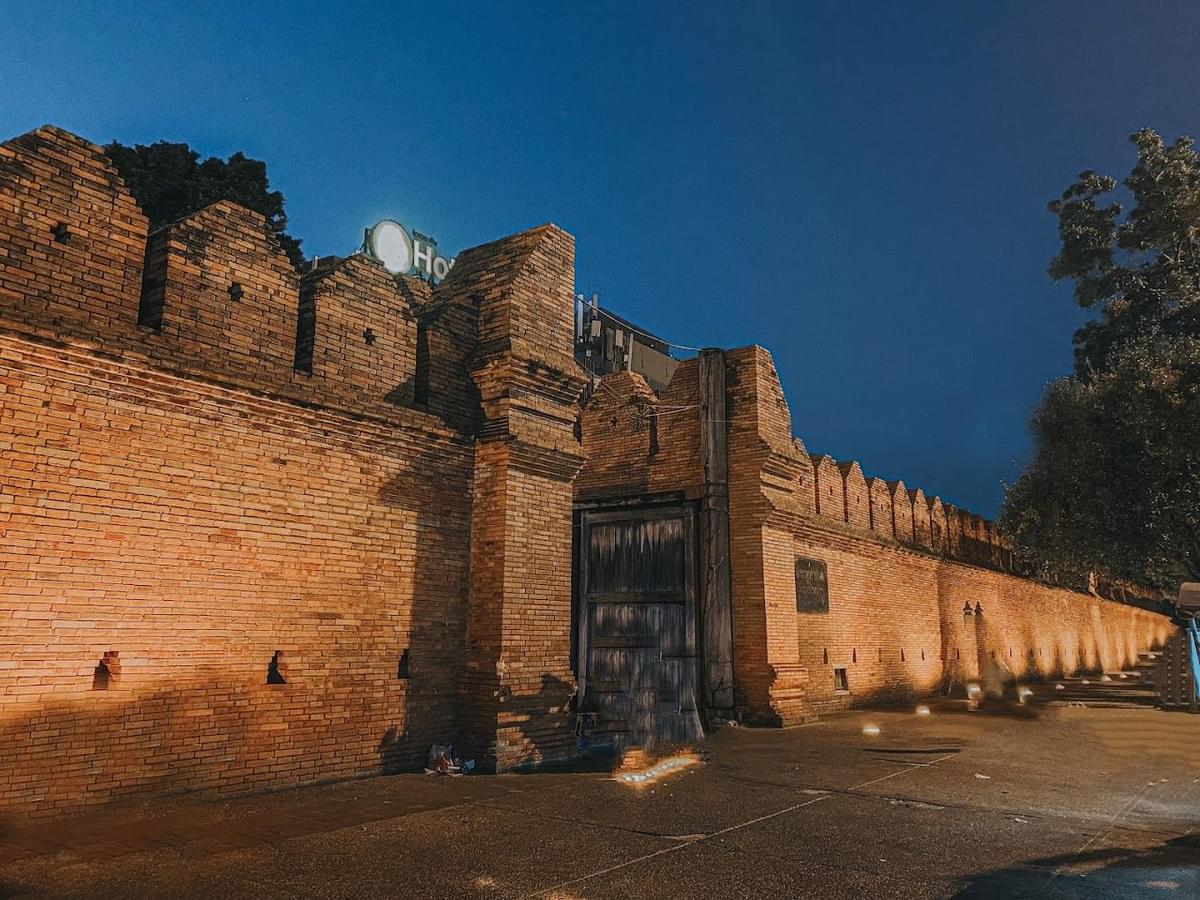
Pratu Tha Phae, or Tha Phae Gate as it is commonly referred to, is one of the gates that were originally five of the twelve edifices of the old walled city of Chiang Mai built in the 13th century. The term "Pratu Tha Phae" can be interpreted as “Gateway to the Forest Road”, which was the main city entrance at the time, facilitating the entrance of the traders, pilgrims and even the indigenous people into the heart of Lanna civilisation, as they all came through the east of the city.
To this day, the gate reflects the ancient walls of Chiang Mai, the city’s cultural endurance, and the historical importance of the Lanna Kingdom’s capital. The combination of its architecture, site and the fact that it has remained there for all the years has created an attraction of both locals and tourists — not only for its historical background but also because it is an area of public life where everyday activities and cultural expressions take place.
On the east side of the Old City, you will find Pratu Tha Phae, where Ratchadamnoen Road comes together with Tha Phae Road, thus making it very easy to access and a very good place to start your walking tours, underground food hunting, or even cultural encounters. The evenings, in particular, are the time of the day when the area is very lively with street performers, market stalls, and shaded seating areas, creating a buzzing but at the same time a relaxed atmosphere. The gate is visually surrounded by the old city walls, modern roads, and people going about their daily activities, thus acting like the link between the two times.
The wall in its original location has, for the most part, been wiped out with the passage of time; however, Pratu Tha Phae is still with us, and it is a very dynamic symbol of the urban character of Chiang Mai. This is the place where the locals snap their pictures, the artists get their muse, and the travellers start their Chiang Mai journey.
Fun Fact: Pratu Tha Phae is often THE meeting spot for local festivals, parades, and public performances — particularly during Songkran (Thai New Year) and Loy Krathong (Festival of Lights), when the gate becomes a focal point for celebrations and community gatherings.
Seasonal Tip: Visit during early morning or late afternoon to avoid midday heat, especially if you plan to explore the nearby Old City walls and streets on foot.
Highlights of Pratu Tha Phae
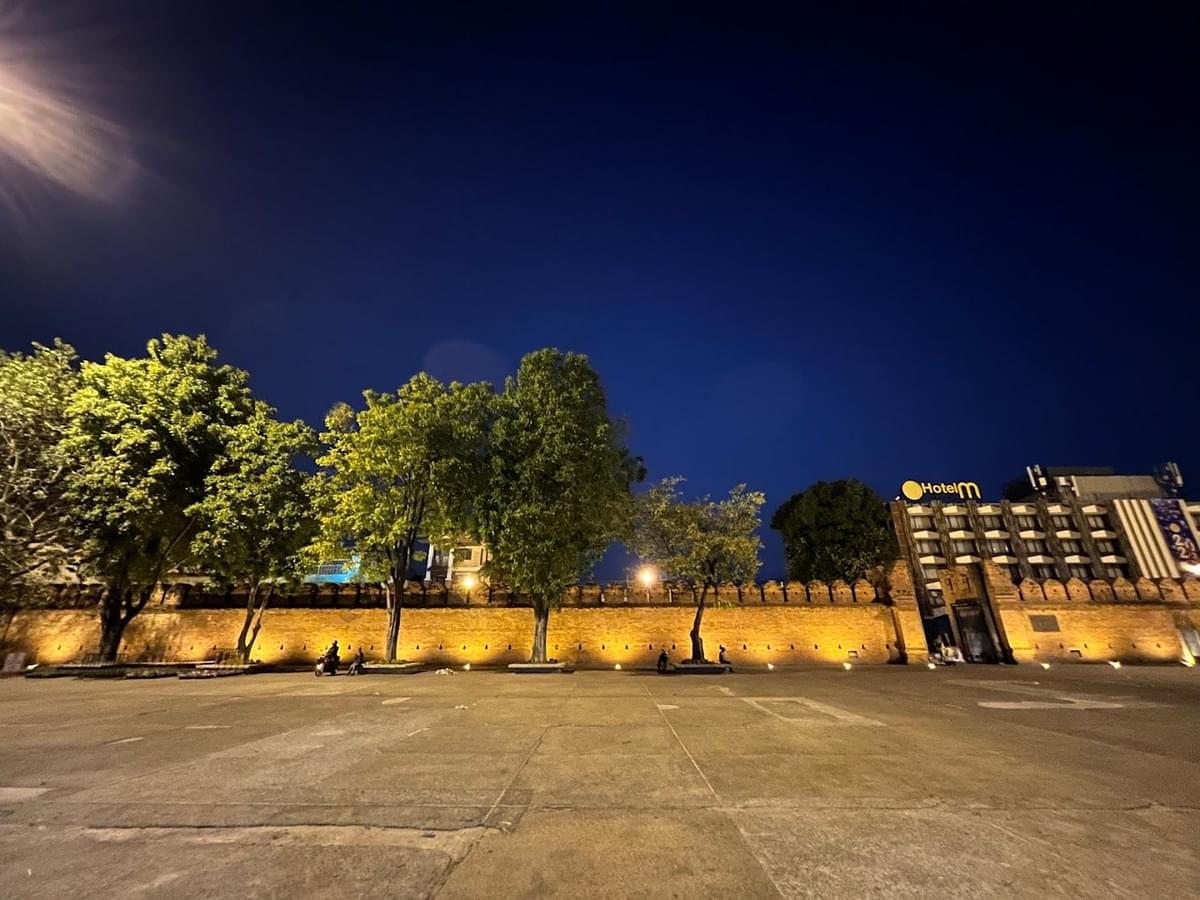
- Historic City Gate: A well-known symbol of Chiang Mai’s ancient city layout.
- Cultural Gathering Spot: Locals and visitors mingle here day and night.
- Festival Venue: Central to Songkran, Loy Krathong, and other celebrations.
- Photography Hotspot: Framed by Old City walls, boulevards, and dynamic street life.
- Gateway to Exploration: A perfect starting point for walking routes and food hunts.
- Social & Nightlife Vibe: Nearby cafés, street eats, and evening markets overflow in this area.
Whether you’re exploring Lanna history or discovering Chiang Mai’s social pulse, Pratu Tha Phae is a gateway in every sense — physically, culturally, and experientially.
Pratu Tha Phae Details & Nearby Attractions
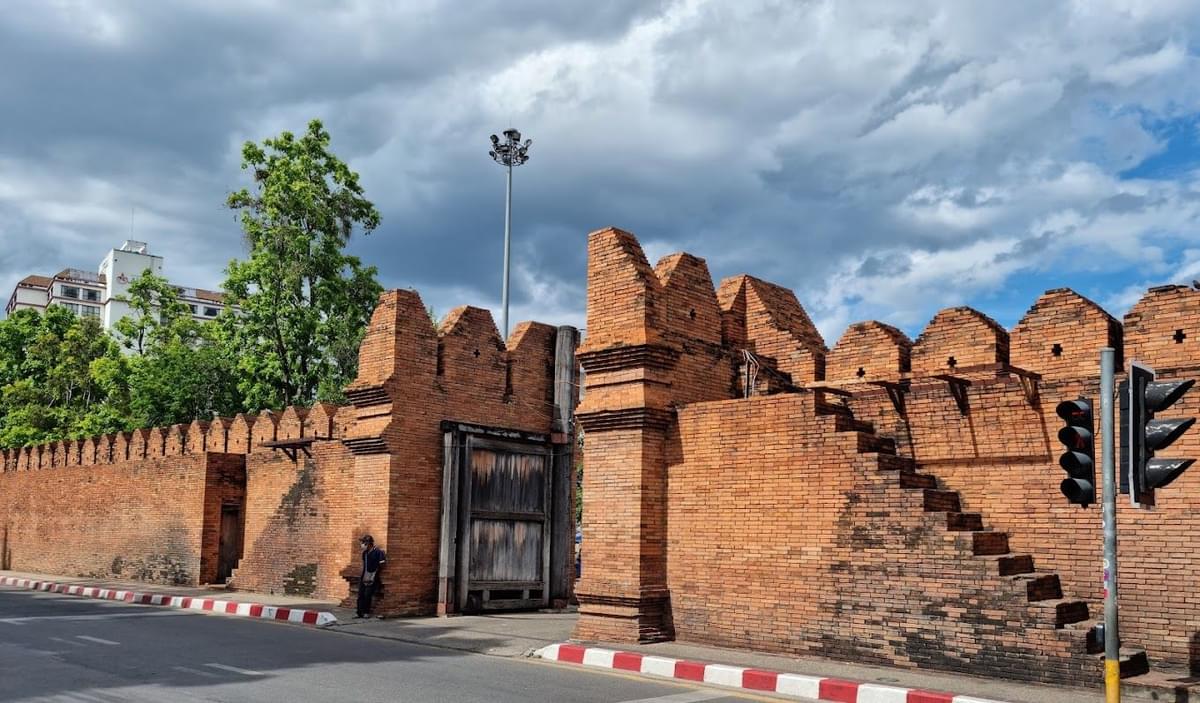
Location: Tha Phae Road, Chiang Mai Old City, Chiang Mai, Thailand
Suggested Duration: 1–3 hours (expandable with nearby stops)
Nearby Attractions & Day Trips
- Wat Chedi Luang: Ancient temple ruins and spiritual heart of the city.
- Three Kings Monument: Tribute to the city’s founding rulers.
- Sunday Walking Street: Pulsating arts and street food market (Sunday evenings).
- Chiang Mai City Arts & Cultural Centre: Insight into regional heritage.
- Night Bazaar Areas: Lively evening markets and shopping zones.
Day-Trip Tip:
Start your day at Pratu Tha Phae, explore the Old City temples and cultural stops, and end with dinner and a night market stroll.
Top Attractions & Features at Pratu Tha Phae
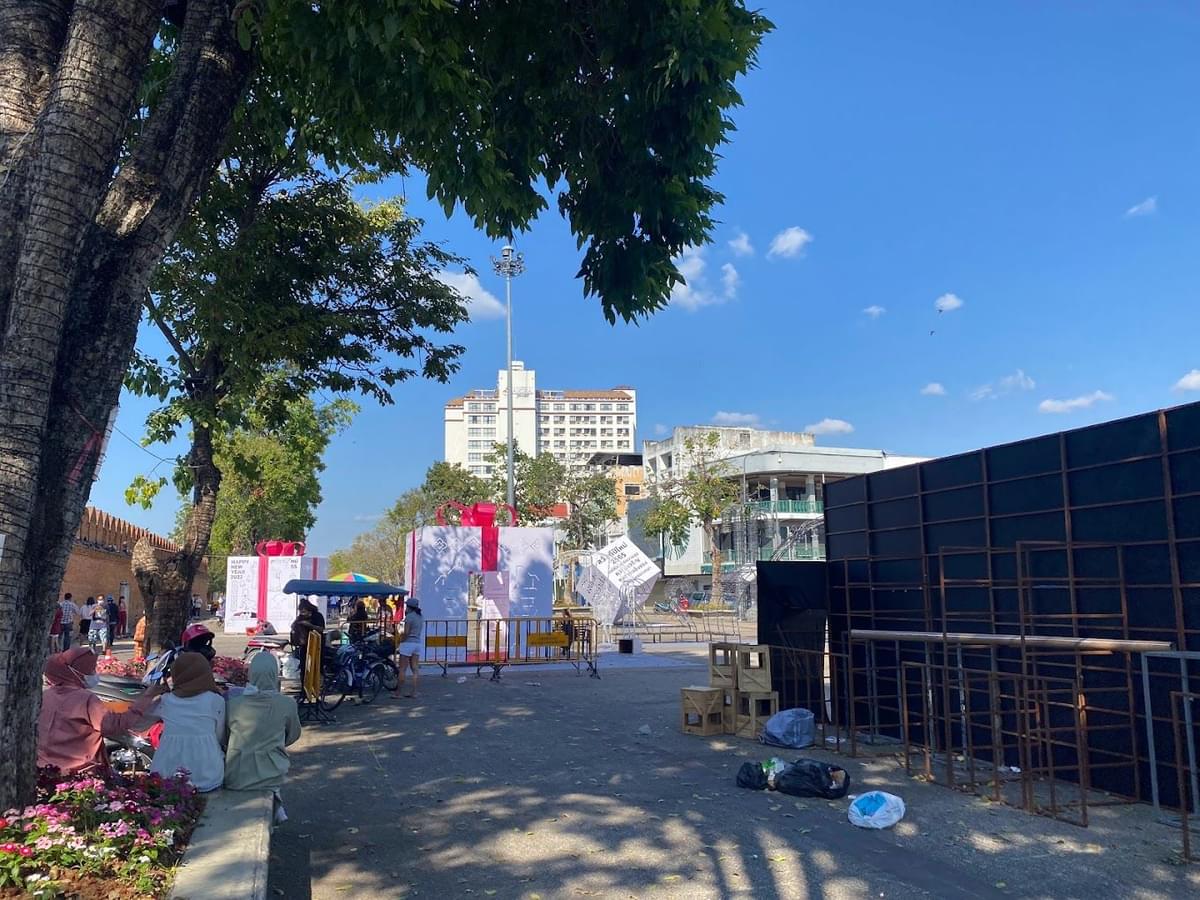
1. Iconic City Gate & Architecture
Pratu Tha Phae isn’t just a relic — it’s a cultural emblem. Although the original fortified walls are mostly gone, the gate’s design and location still recall Chiang Mai’s historic urban plan.
- Feature: Classic gate architecture with city wall remnants
- Experience: Take in the symbolism and history
- Photo Tip: Early morning light creates dramatic shadow play on the old brick
2. Social Hub & People-Watching
Pratu Tha Phae attracts locals and travellers alike — especially during cooler parts of the day. From students to artists to families, people gather here to relax, snap photos, or just enjoy the ambience.
- Feature: Open plaza and relaxed seating areas
- Experience: Sit and watch city life unfold around you
3. Street Food & Local Eats
Just beyond the gate lie countless street food carts, local eateries, and café corners offering everything from noodle bowls and grilled skewers to Thai desserts and refreshing drinks.
- Feature: Street food and casual dining
- Experience: Take a food wander after your gate visit
4. Festival & Cultural Events
Pratu Tha Phae becomes extra lively during key festivals. At Loy Krathong, thousands of lanterns, flower floats, and candlelit offerings flicker near the gate. During Songkran, water fights and community celebrations spill through the surrounding streets.
- Feature: Festival décor and community rituals
- Experience: Plan your visit around local holiday celebrations
5. Walking & Heritage Routes
From Pratu Tha Phae, it’s easy to explore on foot. Nearby historic temples, museum spaces, and old city walls make great checkpoints in a walking heritage itinerary.
- Feature: Access to temple trails and cultural paths
- Experience: Enjoy urban exploration with minimal transport
Pratu Tha Phae Ticket & Entry Information 2026
Visit Type | Approx. Cost | Notes |
| Gate & Plaza | Free | Public space is accessible at all times |
| Wat Chedi Luang | THB 50/~INR 125 | 10-min walk |
| Sunday Walking Street | Free | Sundays 4-11 PM |
| Street Food | THB 30-100/~INR 75-250 | Per plate/drink |
Pro Tip:
Pratu Tha Phae itself is free to visit anytime, making it an ideal first stop for travellers. You may choose paid entries only when exploring temples or cultural sites nearby.
Timings & Best Time to Visit Pratu Tha Phae
Day | Best Visiting Hours |
| Daily | All-day access; best around 6:30–9:00 AM and 4:30–7:30 PM |
Best Visiting Tips
- Morning: Cooler air, fewer crowds, gentle light for photos.
- Late Afternoon: Warm tones, lively local life, and street food activity.
- Weekends: Markets and evening strolls nearby add energetic ambience.
- Festival Times: Extra cultural flavour and spectacular decorations.
How to Reach Pratu Tha Phae
From Chiang Mai Airport:
- Around 15–25 minutes by taxi or ride-hailing service.
From Chiang Mai Old City Centre:
- Walking distance from most Old City hotels and guesthouses.
From Nimmanhaemin Road Area:
- Around 10–15 minutes by taxi or tuk-tuk.
Transport Options
- Taxi/Grab: THB 100/~INR 250 (airport 15-25 mins)
- Tuk-tuk/songthaew: THB 40/~INR 100 (Old City loop)
- Scooter rental: THB 250/~INR 625/day (explore old walls)
Pratu Tha Phae Insider Tips
- Capture Early Light: Photographers love the gate at sunrise.
- Combine with Street Food Walk: Try snacks and refreshing drinks on the nearby roads.
- Wear Comfortable Shoes: Many visitors explore the Old City on foot.
- Stay for Festivals: When decorated for major holidays, the gate becomes a magical backdrop.
Dining & Shopping Near Pratu Tha Phae
- Street Food: THB 30-80 (~INR 75-200) - Khao Soi, skewers, mango sticky rice
- Cafés: THB 80-150 (~INR 200-375) - Coffee, brunch spots
- Restaurants: THB 200-500 (~INR 500-1,250) - Lanna cuisine within a 5-minute walk
Why Visit Pratu Tha Phae?
Pratu Tha Phae is not just a historical gate but also Thailand’s cultural center. It shows the past but also the present. It has become an unavoidable and unforgettable spot for tourists who want to have a real Chiang Mai experience because of its combination of history, ordinary life, food culture, fairs, and beautiful views.
If you are a person who loves culture, history, photography or a casual visitor, you will get meaning, feelings and memories.
Conclusion: Why Pratu Tha Phae Is Worth Visiting
Pratu Tha Phae stands as a timeless symbol of Chiang Mai’s cultural identity — a place where history meets modern urban life. From its origins as a guardian gate of the old walled city to its current role as a vibrant social and cultural hub, this landmark captures the spirit of northern Thailand in one elegant frame.
Whether you’re exploring on your first day or revisiting for festival magic, Pratu Tha Phae invites you to walk, reflect, taste, and connect — making it an unforgettable chapter in your Chiang Mai journey.
FAQs: Pratu Tha Phae Chiang Mai 2026
1. Is there an entry fee to visit Pratu Tha Phae?
No — access to the gate and public space is free.
2. What is the best time to visit?
Early morning and late afternoon for lighting, cool air, and vibrant scenes.
3. Are there food options nearby?
Yes — a variety of street food stalls, cafés, and restaurants are within walking distance.
4. How long should I plan to stay?
Plan 30 minutes to 2 hours if you’re also exploring nearby streets and markets.
5. Is Pratu Tha Phae family-friendly?
Absolutely — it’s easy to access and safe for families and solo travellers alike.