
- Home
- Attractions
- Chiang Mai
- Chiang Rai
- Wat Rong Khun Chiang Rai: The Ultimate 2026 Guide to Thailand's Dazzling White Temple
Wat Rong Khun Chiang Rai: The Ultimate 2026 Guide to Thailand's Dazzling White Temple
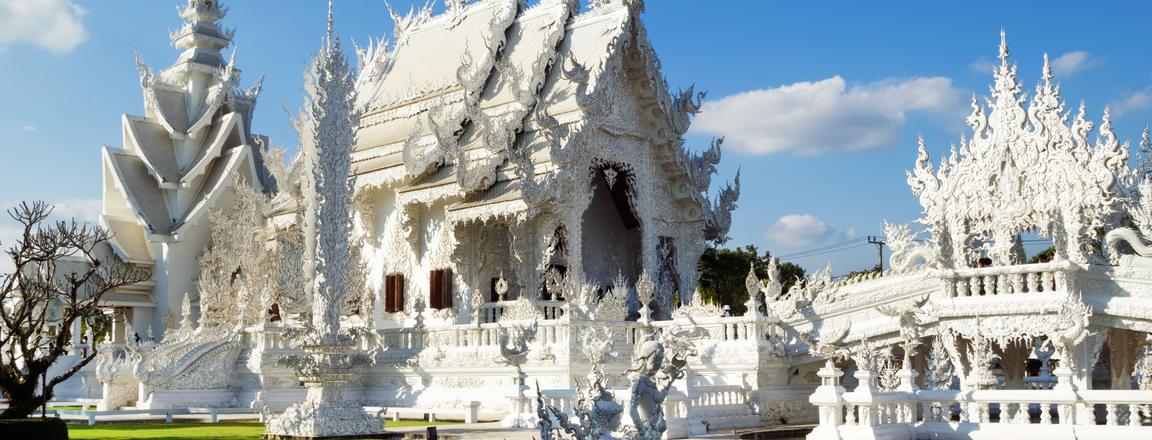
In the quiet outskirts of Chiang Rai, Wat Rong Khun rises like something out of a dream and glows softly under the sun. Often called the White Temple, it blends traditional Buddhist symbolism with modern, surreal design that immediately grabs your attention. As you walk closer, tiny mirrored pieces shimmer like scattered light while a mysterious bridge with reaching hands draws you into its story.
Created by Chalermchai Kositpipat, this is not just a temple you see but a place you feel. Whether you are a solo traveller, a backpacker, travelling with family, or a couple looking for a Thailand honeymoon tour package, this experience stays with you long after you leave.
Why Visit Wat Rong Khun
Wat Rong Khun isn’t just a place you visit—it’s something you experience, blending art, symbolism, and spirituality in a truly unforgettable way. Here are the top reasons why it deserves a spot on your Chiang Rai itinerary:
- One-of-a-kind architecture – A dazzling all-white temple embedded with mirrors that shimmer beautifully in sunlight
- Blend of tradition & modern art – Buddhist symbolism meets unexpected pop culture elements inside the temple
- Deep spiritual meaning – The iconic bridge of rebirth represents the journey from desire to enlightenment
- Incredibly photogenic – Every corner offers striking visuals, perfect for photography lovers
- Unique artistic vision – Created by Chalermchai Kositpipat, making it unlike any other temple in Thailand
- Peaceful surroundings – Serene gardens, koi ponds, and quiet corners to slow down and reflect
- Easy to access – Located just a short drive from Chiang Rai city, making it a convenient visit
- Iconic Thailand landmark – One of the most famous and must-visit attractions in northern Thailand
- Perfect for all travellers – Whether solo, couples, or families, the experience feels immersive and memorable
What Is Wat Rong Khun?
Most temples in Thailand carry centuries of history. Wat Rong Khun tells a different kind of story, one of passion, ambition, and one man's belief that art can transform the world.
In 1997, Chalermchai Kositpipat began rebuilding a small shrine near Chiang Rai, funding it himself to keep full creative control. His vision was to create a landmark like the Taj Mahal or Angkor Wat. Today, this vast white temple blends Buddhist symbolism with modern art and is still being built, expected to take decades more to complete.
Top Highlights of Wat Rong Khun, Chiang Rai You Must See
Step inside Wat Rong Khun and you’ll quickly realise this isn’t just a temple—it’s a journey through symbolism, art, and imagination. Here are the top highlights of Wat Rong Khun, Chiang Rai, that you simply shouldn’t miss.
1. The Bridge of the Cycle of Rebirth (Sukavadee Bridge)
Your journey into Wat Rong Khun begins with a narrow white bridge over a shimmering pond. Hundreds of ghostly hands reach upward from below. They symbolise human desire, greed, and suffering. Walking past them feels eerie yet meaningful. It represents leaving the earthly world behind and moving toward enlightenment. This striking entrance is the most photographed spot in Wat Rong Khun. It reflects the Buddhist idea of samsara, the endless cycle of life and rebirth. It also offers a powerful glimpse into deeper spiritual meaning.
2. The Main Ubosot (Ordination Hall)
At the heart of Wat Rong Khun is the main hall, glowing white with mirror mosaics reflecting sunlight beautifully. Up close, intricate carvings cover every surface. Inside, murals blend Buddhist imagery with pop culture icons like Batman and Pikachu. Photography is not allowed, making the experience feel deeply personal and immersive.
3. The Golden Building (The Bathroom Block!)
One of the most unexpected highlights at Wat Rong Khun is its famous golden restroom. Unlike the pure white temple, this striking gold building represents material wealth and worldly desire, creating a powerful contrast. It is not just functional but beautifully designed and well-maintained. Most first-time visitors are surprised by how elaborate it is. This is one of the most memorable spots in Chiang Rai’s Wat Rong.
4. The Art Gallery & Museum
A dedicated gallery within Wat Rong Khun showcases works by Chalermchai Kositpipat, offering a deeper look into the vision behind the temple. Entry is separate but worth it if you want to understand the symbolism throughout the complex. For art enthusiasts and culture seekers, this gallery is a must-add to your 7-day Thailand itinerary.
5. The Koi Fish Ponds and Surrounding Gardens
Beyond the main hall at Wat Rong Khun, the grounds open into peaceful corners with koi ponds, manicured gardens, and smaller shrines, including a Ganesha worship hall across a golden bridge. It is the perfect place to slow down and take it all in. Many visitors rush past these spots, but they offer some of the calmest and most beautiful moments in Chiang Rai.
Wat Rong Khun Visitor Information: Timings, Ticket Prices & Dress Code
- Location: Ban Rong Khun village, 13 km south of Chiang Rai city centre
- Opening Hours: Daily from 8:00 AM to 5:00 PM
- Dress Code: Shoulders and knees must be covered. Wear modest clothing covering shoulders and knees.
- Photography: Allowed throughout the grounds and exterior. Strictly prohibited inside the main ordination hall.
- Time Required: Allow at least 2 hours to explore the full complex comfortably.
Wat Rong Khun Ticket Price 2026 (White Temple Entry Fee)
The ticket price for Wat Rong Khun (White Temple) remains affordable, making it accessible for most travellers visiting Chiang Rai.
- Entry Fee (Foreigners): 100 THB (approximately ₹230–₹260)
- Thai Citizens: Free entry
- Outer Grounds: Free to explore
- Art Gallery: Separate entry fee may apply
Tip: Carry small cash in Thai baht, as digital payments may not always be accepted at the entrance.
How to Reach Wat Rong Khun from Chiang Rai and Chiang Mai
From Chiang Rai (Closest & Easiest)
Wat Rong Khun is just 12–15 km from Chiang Rai city, so it’s a quick trip.
- Taxi / Grab: Takes about 15–20 minutes; most convenient option
- Songthaew (shared truck taxi): Budget-friendly and local experience
- Scooter rental: Great if you want flexibility and easy stops along the way
- Guided tour: Best if you want to combine it with other attractions like the Blue Temple
Tip: Visit early in the morning to beat crowds and heat.
From Chiang Mai (Day Trip or Stopover)
The distance from Chiang Mai to Wat Rong Khun is about 190 km, and the journey takes 3–4 hours.
- Bus: Regular buses run from Chiang Mai to Chiang Rai (budget-friendly)
- Private car/taxi: Faster and more comfortable, ideal for groups
- Day tours: Popular option covering White Temple, the Blue Temple, and Black House in one trip
- Self-drive: Scenic route through northern Thailand, great for road trip lovers
Best Time to Visit Wat Rong Khun, Chiang Rai
The best time to visit Wat Rong Khun is November to February, when the weather in northern Thailand is cooler and more comfortable. Arriving early in the morning (around 8–9 AM) gives you softer light, fewer crowds, and the magical experience of watching the temple emerge in the early sun. Late afternoon (after 3 PM) also offers beautiful golden-hour light that makes the mirrored tiles absolutely glow.
- Peak crowd time: 10:30 AM – 1:30 PM
- Best photography light: 8–9 AM & 4–5 PM
Tips: Try to avoid midday—the mirror reflections get really harsh in the sun, and that’s when big tour groups usually arrive.
Best Places to Visit Near Wat Rong Khun, Chiang Rai
Chiang Rai is a treasure trove of incredible experiences. While you are in the area, consider adding these to your plans:
Wat Rong Suea Ten (Blue Temple): Think of it as the cooler, calmer sibling of the White Temple—bright sapphire blue, a striking Blue Buddha, fewer crowds, and totally free. Easy to visit and perfect if you want something equally stunning but less chaotic.
Baan Dam Museum (Black House): This one flips the script. Dark, intense, and a bit eerie, it explores themes of life and death through black wooden buildings and unusual displays. Not for everyone—but definitely memorable.
Singha Park: Need a break from the temples of Chinag Rai? Head here for tea fields, flower gardens, and open spaces. It’s relaxed, scenic, and great if you want to slow things down.
Chiang Rai Night Bazaar: Come evening, this is where the city buzzes—street food, local shopping, and live music near the Clock Tower. It is one of the perfect places to visit in Thailand for a laid-back night out. If you are planning a Chiang Rai trip, adding this place to your Chiang Rai tour packages will treat you to a perfect mix of culture, creativity, and unforgettable experiences.
Essential Travel Tips for Visiting Wat Rong Khun
- Wear sunglasses. The mirrors reflect sunlight intensely — a good pair of shades will save your eyes and your photos.
- Go on a weekday. Weekend crowds are significantly larger, especially when tour groups arrive from Chiang Mai.
- Don't rush. The complex is large, and the details reward slow, careful looking. Budget at least two hours.
- Respect the rules. This is an active place of worship. Speak quietly, follow the one-way flow through the temple, and cover up before you arrive.
- Combine with other sights. The White Temple, Blue Temple, and Black House make a brilliant full-day trio that gives you the full spectrum of Chiang Rai's extraordinary art and temple scene.
Conclusion: Is Wat Rong Khun Worth Visiting?
Wat Rong Khun is more than just a temple. It is an experience that blends art, spirituality, and imagination in a way you will not find anywhere else. From its striking architecture to its deeper symbolism, every moment here feels meaningful. Whether you are exploring solo, with family, or as a couple, this place leaves a lasting impression. A visit to Chiang Rai feels incomplete without stepping into this unforgettable masterpiece.
Frequently Asked Questions
Q1. What is the entrance fee for Wat Rong Khun in INR?
The entrance fee is approximately ₹280–₹300 per person for foreign visitors, based on current exchange rates.
Q2. Is Wat Rong Khun worth visiting?
Yes, it is one of the most unique temples in Thailand, offering a mix of art, symbolism, and spirituality that makes it a must-visit in Chiang Rai.
Q3. What is the best time of day to visit the White Temple?
Early morning between 8 AM and 9 AM or late afternoon after 3 PM is ideal for fewer crowds and better lighting.
Q4. What should I wear when visiting Wat Rong Khun?
Wear modest clothing covering shoulders and knees. Carry a light scarf if needed.
Q5. Can I take photos inside the White Temple?
Photography is allowed outside, but strictly not allowed inside the main hall.
Q6. How long should I spend at Wat Rong Khun?
Plan around 2 hours to explore the temple, gallery, and surrounding areas comfortably.