
- Home
- Attractions
- Chiang Mai
- Wiang Kum Kam Chiang Mai Guide: History, Highlights & Visiting Tips
Wiang Kum Kam Chiang Mai Guide: History, Highlights & Visiting Tips
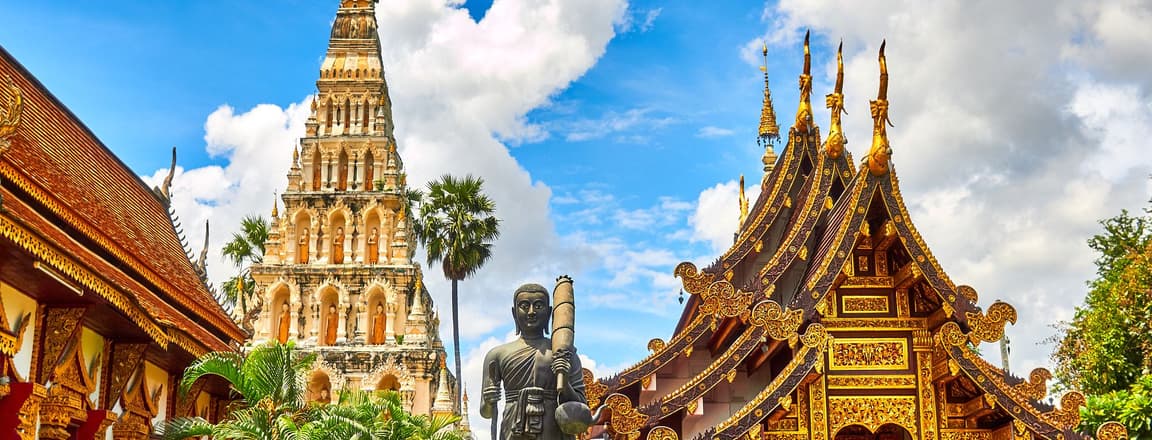
Just to the south of the old city of Chiang Mai, which is full of life, there is one of the most interesting historical places in Northern Thailand: Wiang Kum Kam. It is commonly called the 'lost city,' buried for centuries under soil and flood sediment from the Ping River and known as the original Lanna capital before Chiang Mai's founding. A great amount of ancient Lanna civilisation has already been uncovered, so the Wiang Kum Kam ruins are definitely the place to be for the most unforgettable experience in Northern Thai culture, which is surrounded by ancient temples, crumbling ruins, and expressive archaeological sites.
No matter if you are a history nerd, cultural detective, or simply someone who loves finding unusual places, Wiang Kum Kam is an absolute must-visit place for you. This guide for 2026 will help to take you through the entire process — from the historical background and the largest ruins to practical advice, entrance information, nearby attractions, and a suggested itinerary.
About Wiang Kum Kam
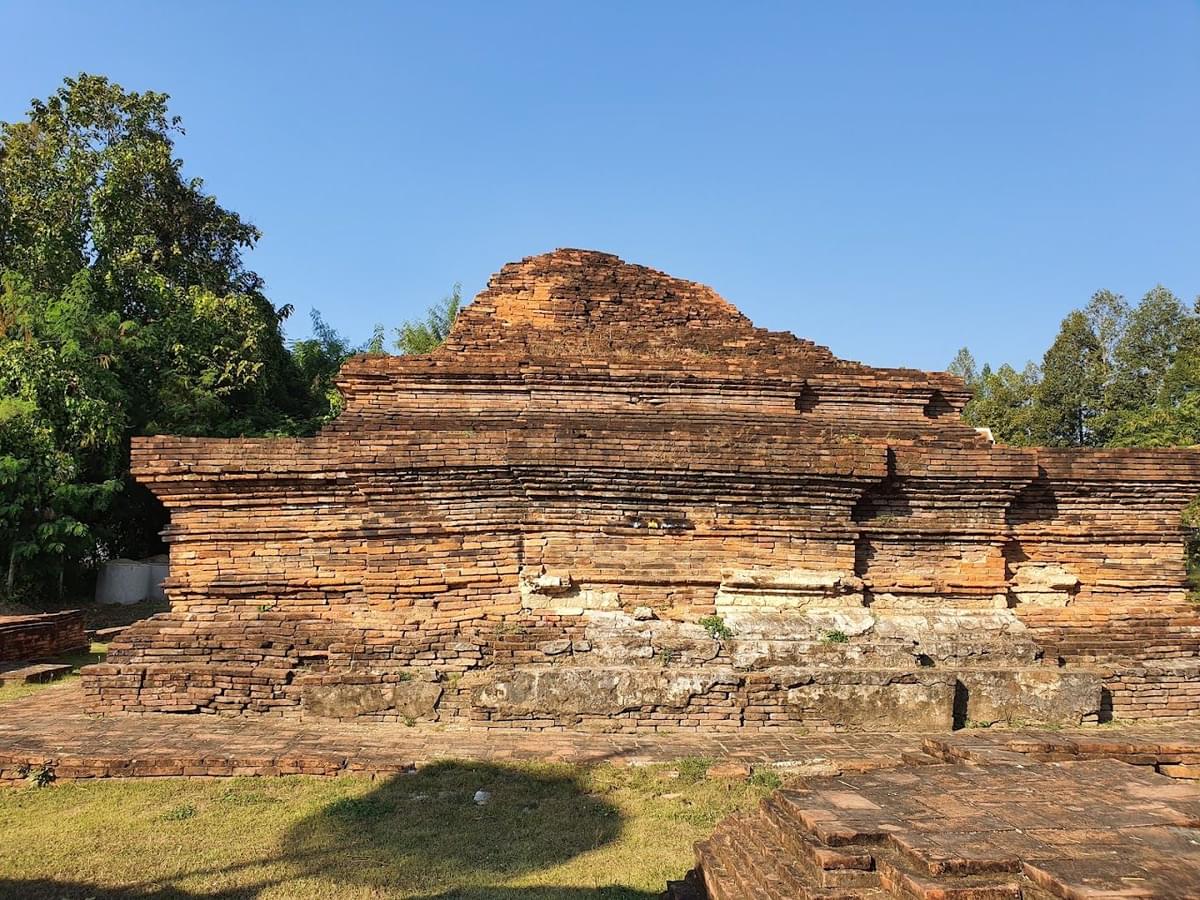
Wiang Kum Kam, often called the 'Lost City', was founded around 1286–1290 as King Mengrai's initial Lanna capital before he established Chiang Mai in 1296. The location right next to the Ping River assured its perishing as the floods, river course changes, and abandonment gradually eroded it. It was covered for centuries until archaeologists and historians who had been interested in the site started to uncover it.
In contradiction to many other ancient cities whose ruins allow for dramatic temples up to the sky, the structures of Wiang Kum Kam are either partly buried or totally reconstructed—giving the visitors the opportunity to live the history and use their imaginations for the time being. The location contains the decaying stupas and chedis, the antique and magnificent Buddha statues, the remains of walls, and the brick foundations, each of them being a story of past glory and architectural genius.
Systematic excavations began in the 1980s by the Department of Fine Arts, leading to major restorations of temples and monuments. Researchers, conservationists, and the Thai authorities jointly excavated, restored, and secured the major temples and monuments. The present site comprises a mixture of excavated ruins, partly constructed temples, and obtained relics, providing the visitors with an experience of ancient crafting and a historical narrative with layers. The experience of walking through Wiang Kum Kam can be compared with navigating in an open-air museum – its recently dug earth, scattered ruins, and reconstructed ceilings showing different portions of Lanna history.
Wiang Kum Kam, which is a short drive from the centre of Chiang Mai, is surprisingly quiet. The visitors do not find an urban mess but rather open fields, trees, and each other amidst the historical structures. One can feel the atmosphere as being of meditation and reflection, thus going for a slower pace of exploration, which is perfect for walking, and taking pictures would be the right way to explore the site.
Fun Fact
Certainly, Wiang Kum Kam dates back earlier than Chiang Mai, which was the capital city of Lanna then, but it stayed unexplored for centuries; hence the title—“lost” or “sunken” city. However, now the present-day tourists are able to step into the same place where once kings ruled and priests worshipped.
Seasonal Tip
Take a trip to Wiang Kum Kam at the time of the cool season (November–February) when you will enjoy the weather, good walking conditions, and, of course, the softer sunlight that will make your visiting of the ruins more enjoyable. Do not go during the hot season (March–May), as it will be really hot and tiring to walk under the sun.
Highlights of Wiang Kum Kam
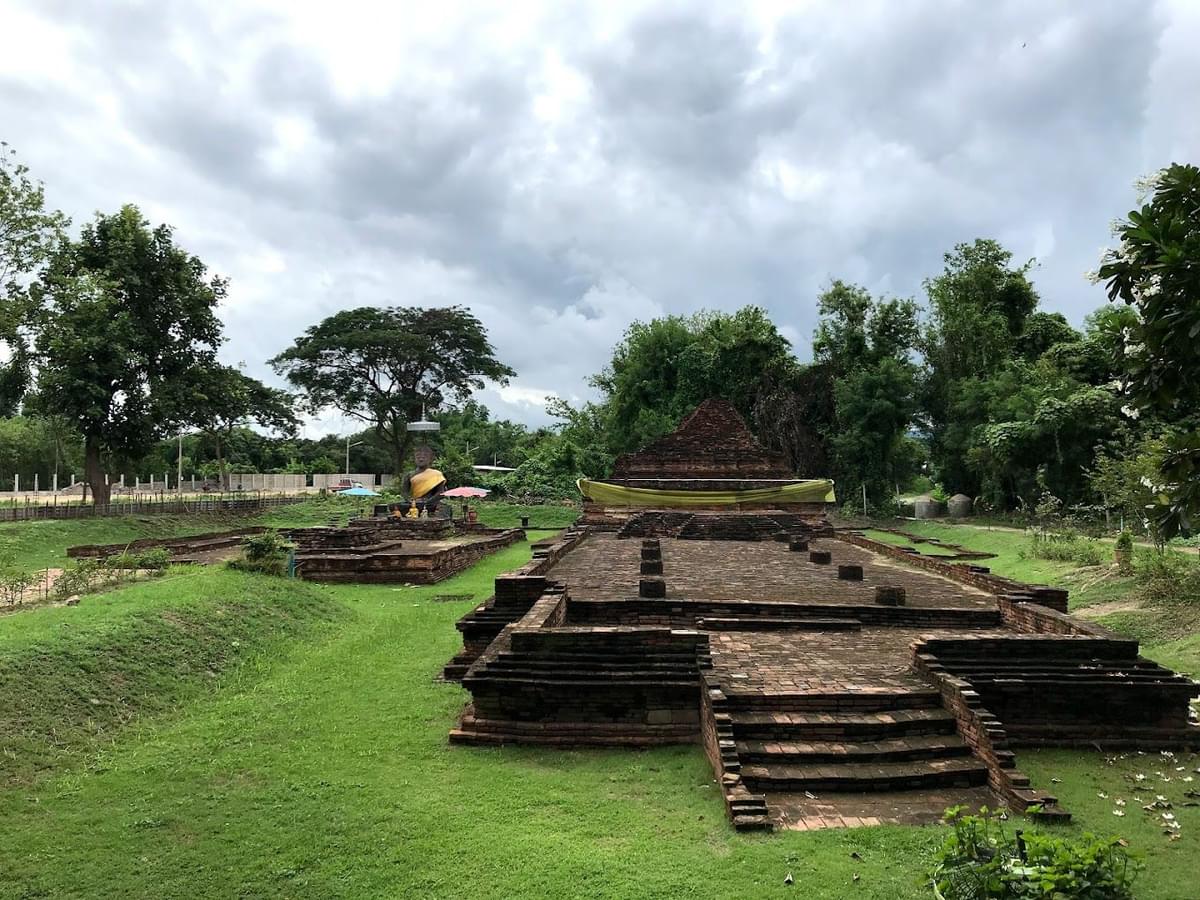
- Wat Chedi Liam: Aged to perfection, this magnificent chedi still defines the skyline and is certainly the most iconic landmark at the archaeological site.
- Wat Phaya Mangrai: A remarkable temple complex, a part of which is dedicated to the king who laid down the foundations of the Lanna region.
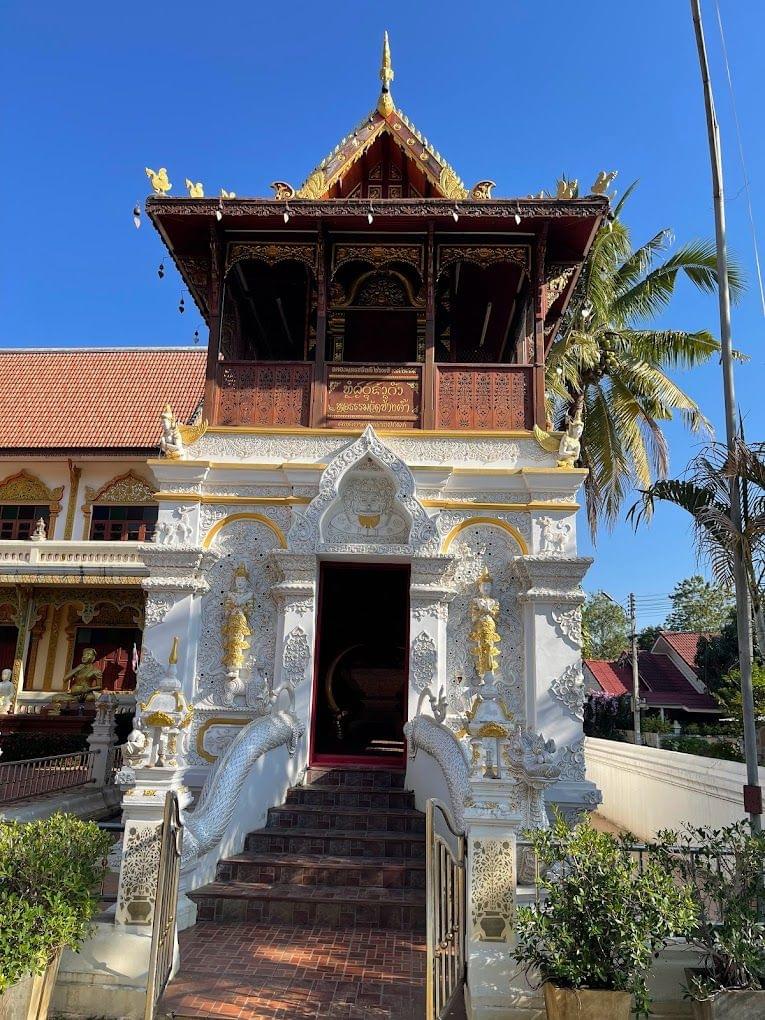
- Wat Chang Kham: A primer of the traditional northern Thai temple architecture through a temple that has been partially reconstructed.
- Small Shrines & Ruins: They are Just small but still visible and proving a point of the existence of former religious and civic structures.
- Open Archaeological Walks: The pathways, which connect the ruins and are marked for self-guided exploration, are the ones that lead you through the past.
No matter if it is the history, the art, or the tale of the culture that captivates you, Wiang Kum Kam is a place where every corner reveals new findings.
Wiang Kum Kam Details & Nearby Attractions

Location: Wiang Kum Kam Historical Site, Chiang Mai Province, Thailand
Suggested Duration: 2–4 hours (more if exploring at leisure)
Nearby Attractions & Day Trips
- Wat Chedi Luang: A majestic Old City temple with a massive ruined pagoda.
- Wat Phra Singh: A revered temple with classic Lanna architecture.
- Chiang Mai City Arts & Cultural Centre: Exhibits on regional history and art.
- Wiang Kum Kam Boat Trail: Explore temple ruins by boat along small canals.
- Old City Ramparts & Gates: Walking routes that reveal Chiang Mai’s ancient defences.
Day-Trip Tip:
Combine your visit to Wiang Kum Kam with a heritage walk through Chiang Mai’s temples and old city museums for a rich day of historical exploration.
Top Attractions & Features at Wiang Kum Kam
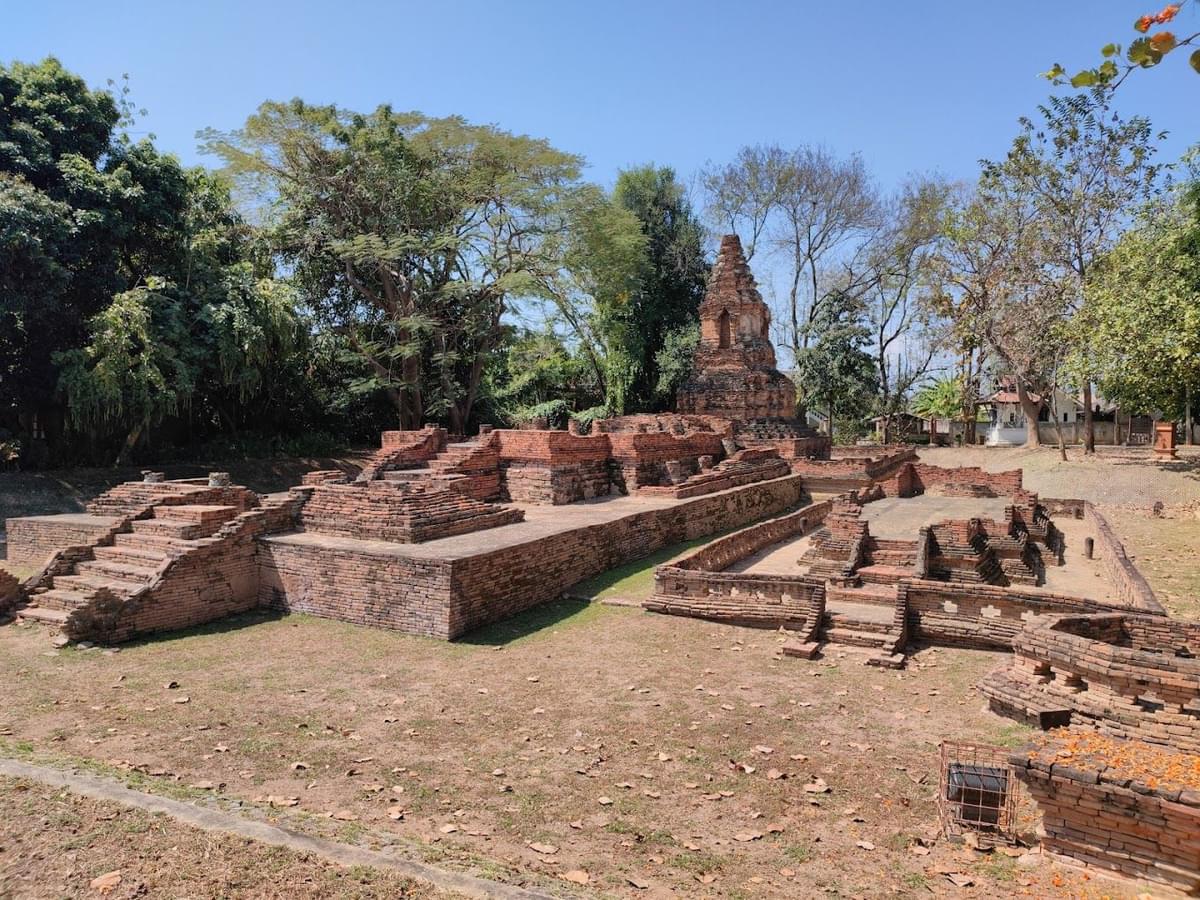
1. Wat Chedi Liam
One of Wiang Kum Kam’s most recognisable and impressive structures, Wat Chedi Liam features a tall, tapering chedi that showcases Lanna architectural styles. Though partially ruined, its height and craftsmanship give visitors a strong sense of its former prominence.
- Feature: Central stacked chedi
- Experience: Photo ops and structural appreciation
- Why Visit: One of the oldest and most intact ruins
2. Wat Phaya Mangrai
Believed to be connected to King Mangrai, the founder of the Lanna Kingdom, this temple complex includes remnants of structures and chedis that reflect early Buddhist practice in the region. The worn brick walls and niches invite historical curiosity.
- Feature: Royal temple ruins
- Experience: Quiet reflection and archaeological intrigue
3. Wat Chang Kham
This partially reconstructed temple reveals more of the ancient city’s layout and structure. Its foundational walls and decorative remnants hint at the temple’s former size and importance.
- Feature: Reconstructed architecture
- Experience: See how restoration breathes new life into ancient sites
4. Scattered Shrines & Foundations
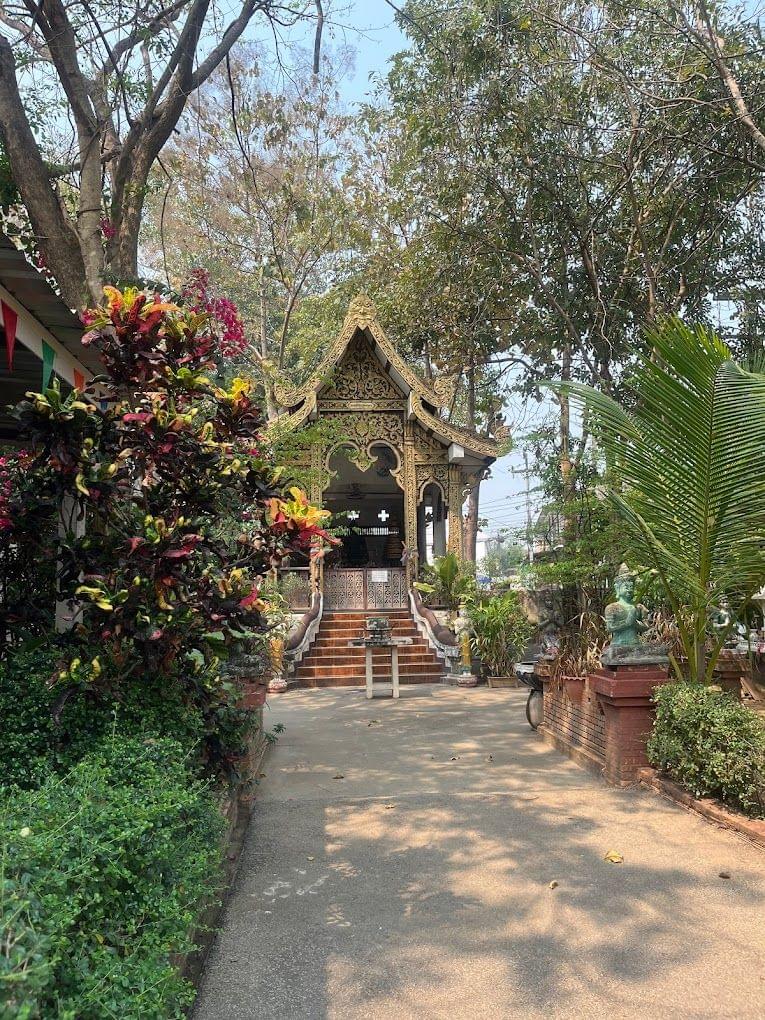
Aside from the main temples, Wiang Kum Kam is dotted with smaller monuments, shrines, and foundational traces. These often go unnoticed but reward careful explorers willing to wander the calming grounds.
- Feature: Traces of civic and religious structures
- Experience: Discover hidden layers of history
5. Walking Routes & Interpretation Paths
Marked trails connect the major sites within Wiang Kum Kam, allowing self‑guided exploration at your own pace. Signboards help explain ruins and structures, adding educational depth to your visit.
- Feature: Walkable, historical pathways
- Experience: Easy yet enriching exploration
Wiang Kum Kam Ticket & Entry Information
Visit Type | Approx. Price (THB/INR) | Notes |
| Standard Entrance | 60 THB (~2,700) | Entry to the site and main ruins |
| Donations | Optional | Supports preservation efforts |
| Boat Trail Ride | 200–300 THB (~9,000–13,500) | Small canal boat tour to see ruins from the water |
| Photography | Free | Photos allowed throughout the site |
Pro Tip: The entry fee is modest and supports ongoing preservation and archaeological work. If you have extra time, consider the boat trail ride, which offers a different perspective on the ancient city’s canals and ruins.
Timings & Best Time to Visit Wiang Kum Kam
Day | Opening Hours |
| Daily | 8:00 AM – 5:00 PM |
Best Visiting Tips
- Morning: Ideal for cooler temperatures and soft light for photos.
- Late Afternoon: Golden hour enhances the textures of ancient bricks.
- Weekdays: Usually quieter than weekends.
- Dry Season: Pleasant walking conditions and less mud after rain.
How to Reach Wiang Kum Kam
From Chiang Mai Old City:
- Around 10–15 minutes by tuk‑tuk, taxi, or ride‑hailing service.
Transport Options
- Taxi / Ride‑hailing: Most convenient and direct.
- Songthaew: Shared local transport that can be chartered from city hubs.
- Private Driver / Tour: Ideal if you plan to blend multiple historical sites in a day.
Wiang Kum Kam Insider Tips
- Wear Comfortable Footwear: Terrain is uneven and sandy in spots.
- Hydrate & Sun Protection: Open grounds mean limited shade at midday.
- Bring a Hat & Camera: Ruins and textured sculptures are excellent for photography.
- Combine with Old City: Pair this with temple visits or museums for a full cultural day.
- Listen to Guides: If you opt for a local guide, you’ll gain deeper insights into the history and rediscovery of the lost city.
Dining & Shopping Near Wiang Kum Kam
- Local Cafés: Casual Thai and coffee stops near the entrance for drinks and snacks.
- Old City Restaurants: A short ride away, offering northern Thai cuisines like khao soi and sai ua.
- Markets Nearby: Traditional food stalls and vendors often cluster near the access roads.
Suggested Chiang Mai Heritage Day Itinerary
Morning:
- Visit Wiang Kum Kam and explore its temple ruins.
- Wander along the walking routes and absorb the historical sites.
Late Morning:
- Take a boat trail ride for a different perspective of the ancient city.
Lunch:
- Enjoy a traditional meal in a nearby eatery or café.
Afternoon:
- Visit Wat Chedi Luang and Wat Phra Singh in the Old City.
Evening:
- Head to a night market for dinner and street food sampling.
Why Visit Wiang Kum Kam?
Wiang Kum Kam is an incredible representation of the history of northern Thailand; it is a place that existed even before Chiang Mai, and so it exposes the hidden remains of an ancient civilisation. This ancient site, with its temples, chortens, and ruins spread all over the area, invites visitors to think about the past and, at the same time, enjoy a picturesque landscape which is very historical, serene, and vibrant. For those who want to experience the deep culture and are interested in the amazing history of the place, Wiang Kum Kam offers a great and fulfilling adventure to visit, which is not only different from the traditional attractions of the city but also very rich and rewarding.
Five Things to Do at Wiang Kum Kam on a Visit
- Explore the ruins of Wat Chedi Liam.
- Walk the archaeological paths connecting ancient structures.
- Take a boat trail ride for a waterside view of ruins.
- Reflect among the remains of temples and shrines.
- Capture photos during golden hour for memorable shots.
Conclusion: Why Wiang Kum Kam Is Worth Visiting
Visiting Wiang Kum Kam, the ancient city of Lanna, is a unique opportunity for tourists to look at the temples and monuments that have been hidden by earth and history for a long time. The place has such features as archaeological interest, outdoor exploration of ruins, and a tranquil environment, which together form a very strong argument for including it in the Chiang Mai itinerary—particularly for those who love history, culture and silent meditation. It does not matter whether you are getting close to the ancient relics, enjoying the village atmosphere, or just marvelling at the skills of earlier craftsmen; Wiang Kum Kam is still a keeper of the sophisticated cultural mix of Northern Thailand.
FAQs: Wiang Kum Kam Chiang Mai
1. What are the opening hours of Wiang Kum Kam?
The site is typically open daily from 8:00 AM to 5:00 PM.
2. Is there an entrance fee?
Yes—around 60 THB (~2,700), supporting site preservation.
3. Is Wiang Kum Kam suitable for families?
Yes—it's a family‑friendly site with open grounds and easy walking paths.
4. Can I use a guide?
Yes — local guides enhance the historical context and enrich your visit.
5. Should I bring water and sun protection?
Yes — the site is largely open with limited shade.